


After a storied 45-year career that helped define the landscape of modern PC gaming, veteran programmer Christopher Green has officially hung up his keyboard. In a move that has surprised many in the industry, Green announced his second and—he insists—final retirement from Valve Corporation. Having previously stepped away in 2017 only to return to the studio in 2023, Green’s departure marks the end of an era for a developer whose fingerprints are found on some of the most influential titles in history.
To commemorate his exit, Green engaged with the community through a series of candid Reddit AMAs, offering a rare, behind-the-scenes look at the evolution of Valve, the complexities of its unique corporate structure, and the reality of life in the high-stakes world of triple-A game development.
A Career Forged in the Early Days of Industry
Christopher Green’s professional journey began long before the rise of Steam or the ubiquity of modern digital storefronts. His career trajectory serves as a timeline of the industry’s own maturation, spanning from the early days of the Amiga to the high-fidelity environments of modern source-engine development.
Before joining Valve in 2004, Green established his technical credentials at Leaping Lizard Software. It was there that he served as a primary architect for Magic: The Gathering Online (MTGO). For many, this would be a career-defining achievement, but for Green, it was merely the prelude to his tenure at one of the world’s most secretive and successful studios.
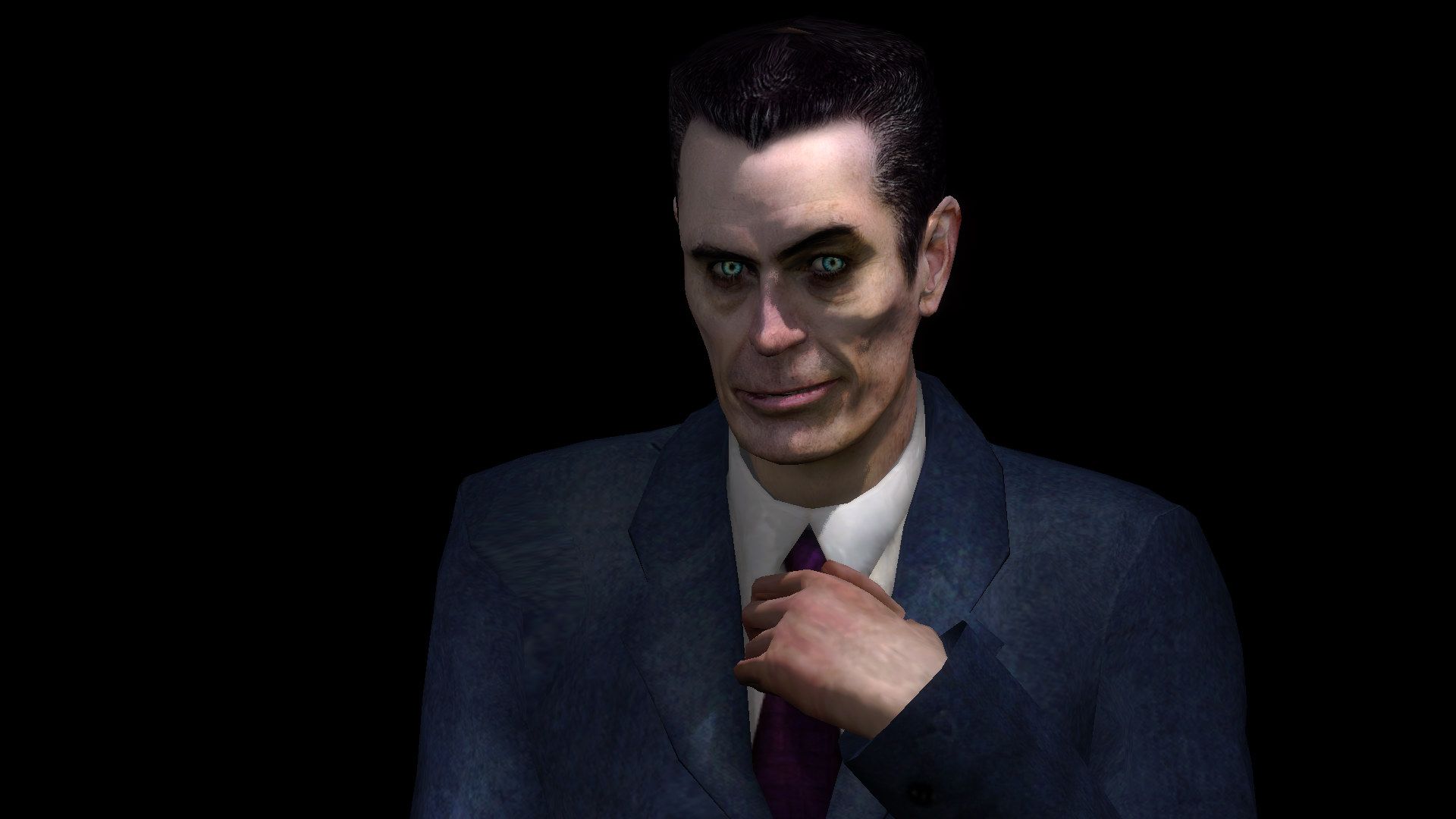
His transition to Valve in 2004 occurred during a period of immense internal pressure. The studio was in the final, frantic stages of completing Half-Life 2. Green recalls that the decision to leave a profitable venture like MTGO for a studio that was, at the time, facing significant financial strain due to the prolonged development of its flagship title, was a massive gamble. "I had some misgivings at first," Green admitted in his AMA. "Valve was losing money finishing Half-Life 2 while the company I left was profitable, and MTGO was generating more revenue than Valve. But things got better really quickly."
A Multi-Decade Contribution to Valve’s Library
Over the course of his 16-year tenure at Valve, Green became an integral part of the studio’s output. His contributions were not limited to a single franchise; rather, he worked across the engine and title stack that would define Valve’s identity for two decades.
His resume at the studio includes:
- The Source Engine Iterations: Deep technical work on both generations of Valve’s proprietary engine.
- Half-Life 2 & The Orange Box: Crucial contributions to the legendary shooter and its bundled successors.
- Portal 1 & 2: Helping craft the physics-based puzzles that became cultural touchstones.
- Day of Defeat: Source: Providing the backbone for the studio’s tactical multiplayer shooter.
During these years, Green had "hundreds" of professional interactions with Valve’s enigmatic co-founder, Gabe Newell. When pressed on what it was like to work under Newell, Green described the president as "a little inscrutable, honestly," a sentiment that aligns with the broader public perception of the reclusive industry icon.
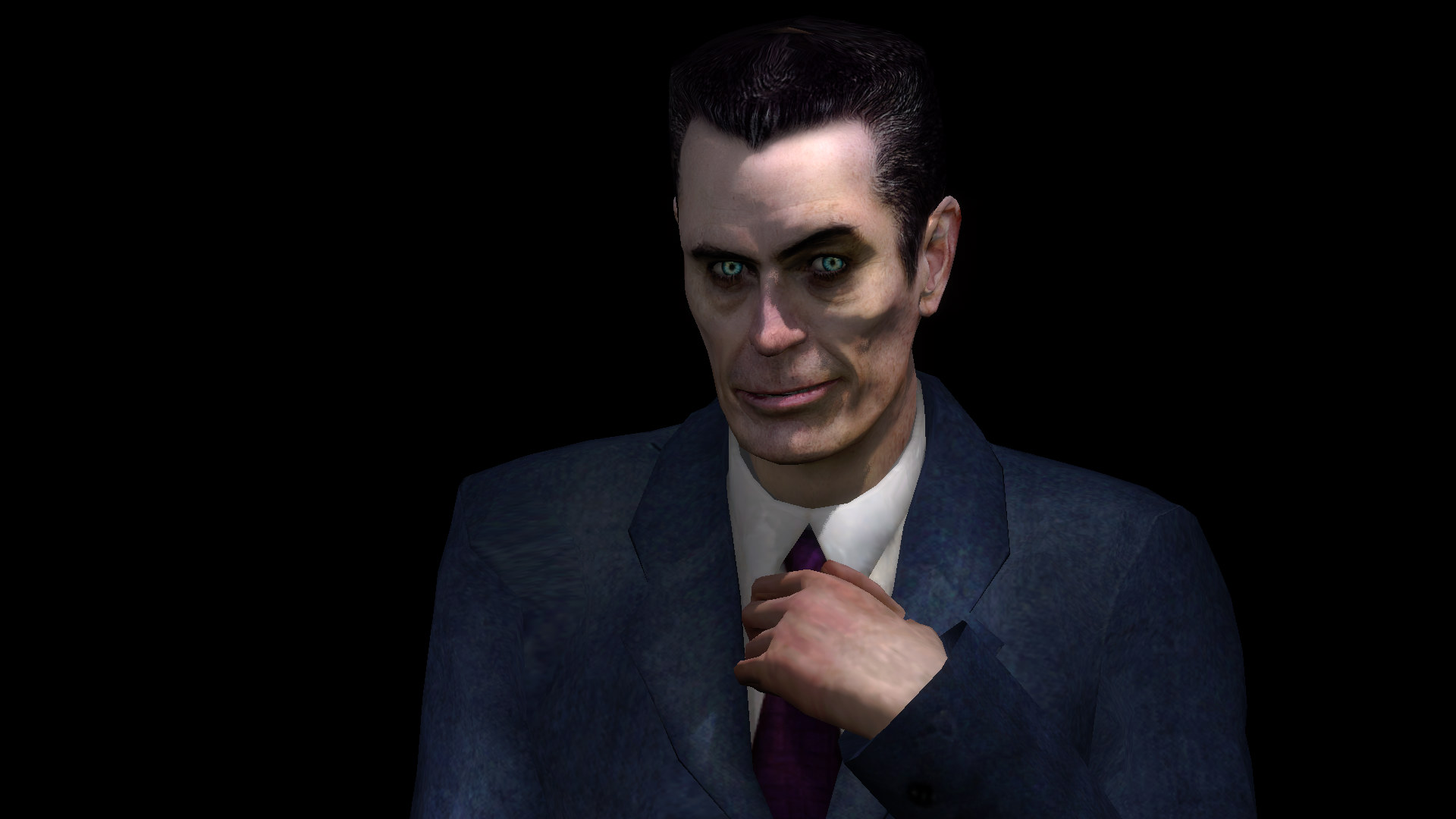
The Myth and Reality of the "Valve Way"
Perhaps the most significant aspect of Green’s retirement reflections is his debunking of the "Valve mythos." For years, the studio has been defined by its New Employee Handbook, which characterizes a flat, self-directed corporate structure where staff are free to choose their own projects based on interest and expertise.
Green’s testimony provides a more nuanced—and perhaps more realistic—perspective. While the freedom to pursue passion projects exists, it is not an absolute state of grace. "Especially if you are new, you’ll encounter a lot of pushback if what you think you should work on is too far off in the weeds," Green noted.
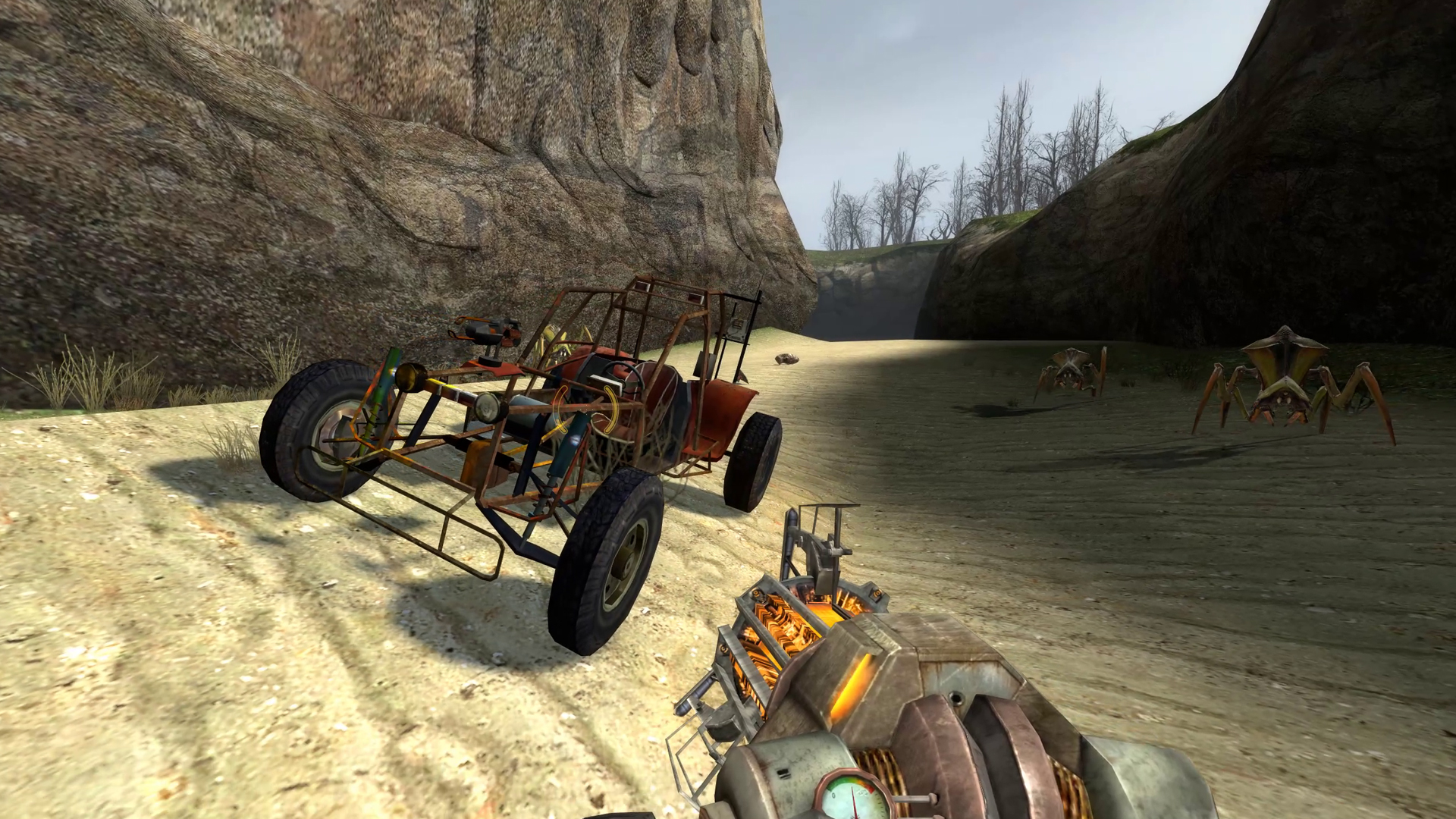
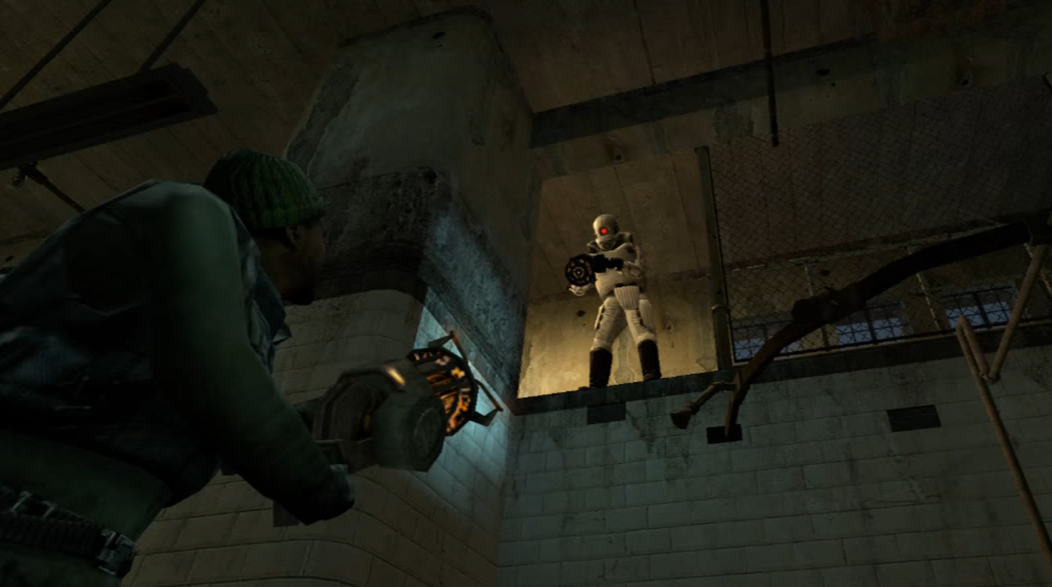
The most compelling piece of evidence regarding this "guerrilla" development style is the origin story of Half-Life 2: Deathmatch (HL2DM). Green revealed that the beloved multiplayer mode was developed semi-undercover by a single programmer who was the sole advocate for the project. This "lone wolf" approach, where an employee essentially builds a game in the shadows until it is undeniable, highlights both the strength and the dysfunction of the studio’s culture. It suggests that success at Valve often requires not just talent, but the stubbornness to push an idea through a system that lacks traditional top-down oversight.
Implications for Industry Culture
The challenges of this structure have been well-documented in recent years. In 2023, the documentary collective People Make Games released an investigative report featuring interviews with former Valve staff. The findings suggested that the lack of formal management can create an environment that struggles with workplace diversity and can lead to cliquish behavior, where projects are prioritized based on personal influence rather than institutional necessity.
Green’s departure and subsequent commentary reinforce the idea that while Valve’s unconventional structure can lead to groundbreaking innovation, it also creates a high-pressure environment where "culture fit" is often prioritized over structured professional growth. The fact that an industry veteran of 45 years feels comfortable speaking openly about the "pushback" one receives when veering too far from the status quo provides valuable context for future developers looking to navigate similar environments.
Life After the Engine
As he enters his second retirement, Green is relinquishing one of the most coveted "perks" of working at Valve: full, free access to every game on the Steam platform. However, it is clear that he is not leaving his passion for technology behind.
Green’s home office is a testament to his lifelong obsession with computing. He describes his setup as a "100GB ethernet cluster with over 512 cores, a bunch of GPUs, a large format fine-art printer, and a serious set of electronic and mechanical tools." It is a setup that would be the envy of most research labs, let alone a private home office.
While he intends to step away from the commercial pressures of the gaming industry, Green has made it clear that his work is far from over. He plans to focus on personal projects, open-source collaborations, and experiments that exist outside the constraints of corporate milestones. "I do have plenty of ideas for things I want to work on," he noted, "but they are more likely to show up on GitHub or one-off personal projects than commercial games."
Final Reflections: The Cost of a Legacy
Christopher Green’s career serves as a bridge between the humble beginnings of software development and the colossal, multi-billion-dollar industry we see today. His transition from the early days of Magic: The Gathering Online to the heights of Half-Life 2 encapsulates a lifetime of adapting to new technologies, shifting market trends, and the ever-changing nature of the workplace.
As he steps away, the industry is left with his work—from the physics puzzles of Portal to the frantic, sawblade-filled hallways of Half-Life 2: Deathmatch. For those watching from the outside, his journey serves as a reminder that even the most successful, "self-directed" companies are built on the back of individual contributors who often have to fight for their ideas in the dark.
Whether this retirement truly sticks remains to be seen, but one thing is certain: the landscape of gaming looks the way it does today in no small part because of the 45 years Christopher Green spent at the keyboard. As the industry moves forward, it does so on the foundation laid by developers like him—individuals who, whether they were allowed to or not, kept working on the things they believed in, even when the world told them to stay on track.

