

The landscape of modern horror is undergoing a radical metamorphosis. For decades, the genre was defined by the gatekeepers of major studio backlots and established auteur directors. Today, the most terrifying, innovative, and commercially viable horror stories are being crafted in bedrooms, basements, and home offices, reaching millions of viewers through the algorithmic currents of YouTube, TikTok, and Instagram.
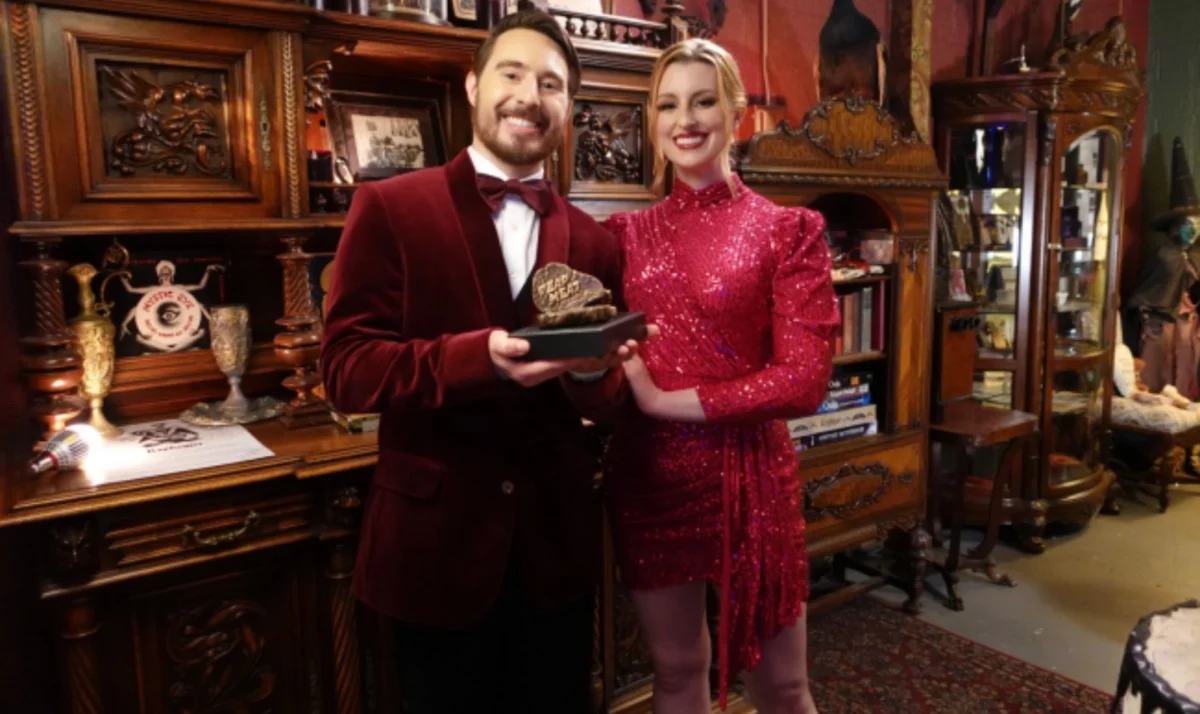
Following the seismic box-office success of creator-led projects like The Backrooms and Obsession, the industry is pivoting toward the digital frontier. Now, one of the internet’s most authoritative voices in the genre, Dead Meat, is formalizing this pipeline. Husband-and-wife duo James A. Janisse and Chelsea Rebecca—the architects behind the seven-million-subscriber powerhouse—have announced Fresh Meat, a high-stakes talent search designed to bridge the gap between viral content and feature-length cinema.
The Genesis of a New Horror Pipeline
The Fresh Meat initiative is more than a contest; it is an incubator. In partnership with Atlas Entertainment’s Atlas Literary and the burgeoning Gen Z-focused studio Hades Film, Dead Meat is scouting for the most visceral, inventive horror shorts from across the globe. The winning entries will be curated into a feature-length anthology film, slated for a theatrical release via Hades on October 12.
For Janisse and Rebecca, this project is a natural evolution of their brand. Since its inception, Dead Meat has moved beyond its origins as a YouTube analysis channel to become a cultural institution, recently cementing its status by taking the Dead Meat Horror Awards from a digital stream to a prestigious live, in-person event.
"This is our way of finding, highlighting, and amplifying people who can do these things—who already have done them—and helping develop their ideas and make them bigger," Janisse told IndieWire. By leveraging their platform, the duo aims to provide a springboard for creators who possess the raw talent for terror but lack the traditional industry infrastructure to scale their visions.
Chronology of the Creator-Horror Revolution
The path to Fresh Meat was paved by a series of breakout successes that proved "YouTuber-turned-filmmaker" was no longer a disparaging term, but a label of high-value pedigree.
- The Sleeper Hit (2023): The Australian duo RackaRacka (Danny and Michael Philippou) shattered the ceiling with Talk to Me. Initially known for high-octane YouTube comedy, their transition to A24-distributed psychological horror proved that digital-native creators could deliver prestige-level scares.
- The Distribution Deal (2024): Chris Stuckmann, a former critic who turned his passion for cinema into his own directorial debut, secured a major distribution deal with Neon for his horror film Shelby Oaks, signaling that studios were finally willing to bet on the creative voices of the digital age.
- The Gaming Crossover (2026): Markiplier, one of the platform’s biggest stars, further validated the model with his adaptation of the game Iron Lung. By maintaining creative control, he demonstrated that creator-led projects could satisfy both a massive existing fanbase and general audiences.
- The Backrooms/Obsession Boom (2026): The unprecedented success of these projects earlier this year turned "creator horror" into a gold-rush sector for Hollywood. Studios, desperate to capture the lightning-in-a-bottle engagement found on social media, have since entered into fierce bidding wars for the next viral sensation.
The Mechanics of ‘Fresh Meat’
The logistical framework of Fresh Meat is designed to prioritize accessibility while maintaining professional standards. Submissions open on July 25 and will remain open for one month. While the competition is open to filmmakers worldwide, all submissions must be in the English language.
The evaluation process is a hybrid model. Entries will be scrutinized by the team at Hades Film, alongside the seasoned editorial eyes of the Dead Meat team. Crucially, the process aims to involve the audience—the very people who have kept the "horror creator" economy alive through views, shares, and community engagement.
Once the anthology is finalized, the rewards for participants extend beyond the prestige of a theatrical release. Winners will receive financial stakes in the anthology, ensuring that the creators who provide the intellectual property are also the ones who profit from its success. Furthermore, a joint venture between Dead Meat and Hades Film provides a "first-look" opportunity for standout shorts, potentially leading to the development of full-length standalone feature films.
Supporting Data: Why Hollywood is Buying In
The move toward creator-led horror is not merely a matter of artistic trend-chasing; it is driven by cold, hard data. According to industry reports, horror remains the most consistent performer at the box office, with creator-led projects boasting a significantly lower "customer acquisition cost" due to the built-in, highly engaged audiences that follow these creators from their social channels to the cinema.
Hollywood studios, facing a decline in traditional theatrical attendance, see these creators as a hedge against failure. A creator with five million subscribers provides a "marketing floor" that a mid-budget studio film often struggles to reach through traditional billboards and television spots alone. The Wall Street Journal has noted that this "meme gold rush" is effectively minting millionaires, forcing studios to abandon the old gatekeeping model in favor of acquisition strategies that prioritize digital clout and proven narrative hooks.
Implications for the Future of Independent Horror
The launch of Fresh Meat suggests a fundamental shift in the power dynamic between Hollywood and independent creators.
1. Democratization vs. Corporatization
While the partnership with Atlas Entertainment and Hades Film brings corporate backing, the core of the project remains rooted in the "independent spirit." The challenge for Janisse and Rebecca will be to maintain the "garage-band" aesthetic that makes these shorts feel authentic, even as they are polished for a wide theatrical release.
2. The Death of the Gatekeeper
Historically, an aspiring horror filmmaker had to navigate an labyrinthine path of agents, managers, and film festivals. Fresh Meat bypasses these by creating a direct line between the creator and the studio. If this model proves successful, it is likely to be replicated across other genres—sci-fi, thriller, and action—effectively decentralizing the film industry.
3. A Sustainable Ecosystem
Perhaps the most significant implication is the focus on equity. By giving creators financial stakes and development deals, Dead Meat is attempting to solve the "one-hit wonder" problem. Rather than exploiting a creator’s viral moment, the Fresh Meat model seeks to cultivate long-term careers.
Conclusion: The Audience as the Ultimate Judge
As the clock ticks toward the October 12 release, the horror community finds itself in a state of anticipatory tension. Will these shorts lose their "raw" edge when projected onto a 40-foot screen? Can a collection of disparate visions hold together as a cohesive narrative experience?
Janisse and Rebecca are betting that the answer is a resounding "yes." They are not just looking for jump scares; they are looking for the next generation of storytellers who understand the unique rhythm of modern fear.
With dozens of projects currently bubbling up on TikTok and YouTube, the Fresh Meat initiative ensures that the best of these voices will finally get their day in the spotlight. However, as the industry clamors for the next big horror hit, one thing remains clear: in this brave new world of creator-led cinema, the audience is the most important player. Whether the films succeed or fail, the experiment itself has already changed the game, proving that the future of horror doesn’t live in a Hollywood office—it lives in the feed.

