

If you are a devotee of the mobile puzzle-adventure genre, the name Glitch Games likely resonates as a hallmark of quality. The UK-based independent studio has built a formidable reputation for atmospheric, brain-teasing experiences, with titles such as Forever Lost, A Fragile Mind, and Veritas setting the bar for high-fidelity point-and-click exploration on touchscreens. Now, the developers have returned with a fresh entry in their catalog: Mini Escapes: The Below.
This release signals a strategic pivot for the studio, moving toward "bite-sized" experiences that retain the intricate narrative depth of their previous long-form titles while distilling the gameplay into a self-contained, high-intensity mystery.
Main Facts: The Anatomy of a Lockdown
Mini Escapes: The Below serves as the inaugural entry in a new series of standalone, compact escape room adventures. At its core, the game is a first-person, point-and-click experience designed to test the player’s observational skills and logical deduction in a confined, high-stakes setting.
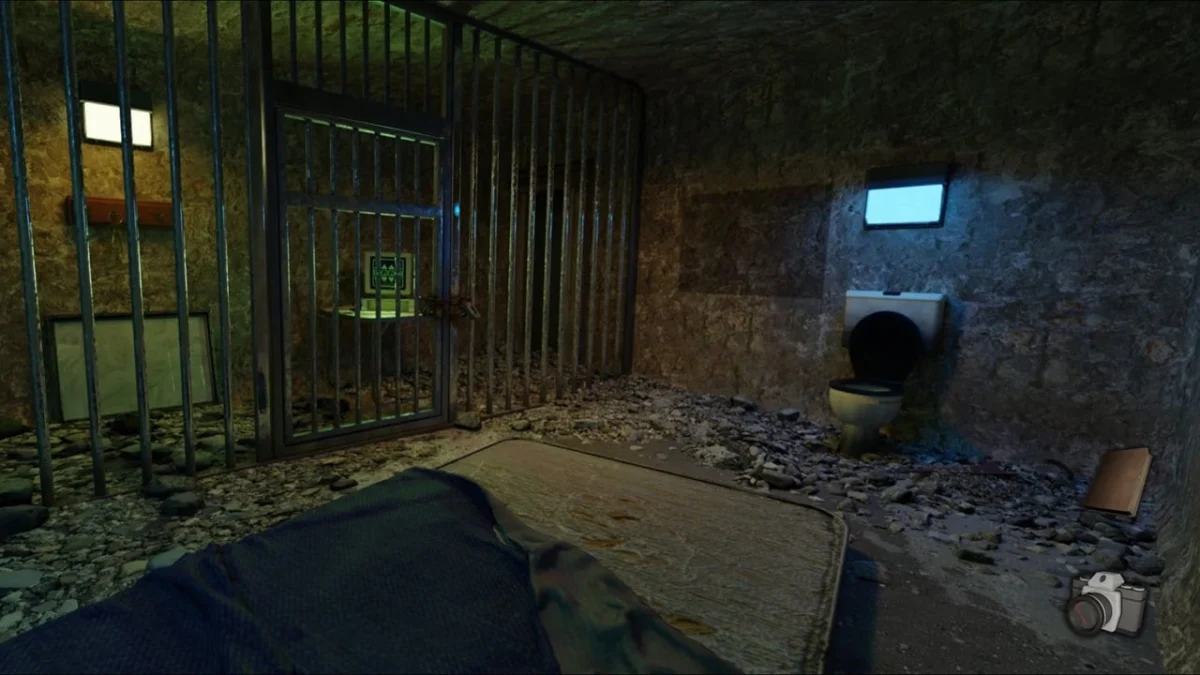
The premise is deceptively simple yet immediately gripping: you awaken in a desolate, subterranean jail cell. The circumstances of your incarceration are entirely unknown, and the exit is anything but obvious. As you navigate the environment, the narrative unfolds not through heavy-handed exposition, but through environmental storytelling—the scrawlings on walls, the placement of objects, and the subtle, lingering tension of the setting.
Priced at $2.99, the game adheres to a "no-nonsense" monetization philosophy. There are no advertisements to break the immersion, no predatory in-app purchases to hinder progress, and no hidden subscriptions. It is a premium, singular experience—a rarity in an era of free-to-play mobile titles saturated with microtransactions.
Chronology: From Rubble to Revelation
The progression within The Below is designed to mimic the feeling of a real-world escape room, where the player starts with nothing and slowly constructs a toolkit of knowledge and items.
The Opening Act: Survival in the Cell
The game wastes no time in establishing its mechanical loop. Players begin within the claustrophobic confines of a prison cell. The initial phase of gameplay focuses on tactile interaction: digging through rubble to uncover essential items, such as a rudimentary umbrella, which acts as a key to accessing unreachable areas. The progression here is deliberate, forcing the player to survey every pixel of the cell before they can unlock the door and venture into the larger facility.
The Expansion of Scope
Once the cell door is breached, the game opens up to a wider, yet still claustrophobic, environment. Players are introduced to secondary systems—a computer terminal and a cryptic notebook—that act as the narrative anchors for the mystery. At this stage, the puzzles move from simple object-retrieval to multi-layered logic tasks. These puzzles are interconnected; finding a clue in one area might be the key to unlocking a drawer in another, requiring the player to maintain a mental map of their surroundings.
The Climax of Investigation
As the game progresses, the reliance on the in-game camera system becomes paramount. Unlike traditional adventure games that might require a physical notebook, The Below provides a digital camera that allows players to snap photos of clues, codes, and environmental patterns. This mechanic is a direct nod to the frustration of physical note-taking, ensuring that the player remains focused on the "how" and "why" of the mystery rather than struggling to remember a four-digit code from three rooms ago.
Supporting Data: Why Glitch Games Succeeds
Glitch Games has carved out a niche by understanding the unique constraints and advantages of mobile hardware. Their design philosophy relies on three pillars:
1. The Power of the "Glitch" Camera
The camera feature is arguably the studio’s most influential contribution to the mobile escape genre. By digitizing the player’s notes, the game removes the "administrative burden" of puzzle solving. It respects the player’s time and ensures that the difficulty curve is tied to intellectual challenge rather than memory recall.
2. Environmental Purity
The studio avoids the common pitfall of "pixel hunting"—a frustration where players must tap every inch of the screen hoping for a reaction. Instead, The Below utilizes a clean, high-contrast visual style that draws the eye toward items of importance without sacrificing the atmospheric aesthetic.
3. The "Bite-Sized" Model
In a world of "live-service" games that demand constant attention, Mini Escapes is a counter-cultural movement. The game is designed to be completed in a single, satisfying sitting or across several short commutes. By focusing on a single, self-contained mystery, Glitch Games avoids the "bloat" that often plagues longer adventure titles, ensuring that every puzzle feels meaningful and earned.
Official Responses and Developer Insight
While the studio maintains a focused, minimalist approach to their marketing, the release of The Below reflects their broader commitment to player autonomy. In previous discussions regarding their design philosophy, the team at Glitch Games has emphasized that their goal is to make the player feel "smart" rather than "guided."
By stripping away the intrusive UI elements found in mainstream mobile games, they allow the player to inhabit the role of the protagonist completely. There is no hint system that flashes in your face every thirty seconds; instead, the game trusts in the player’s capability. This "silent" communication between developer and player is what keeps the Glitch Games community so loyal.
The studio’s decision to keep the price point accessible while avoiding modern monetization trends is a calculated move to preserve the sanctity of the game’s atmosphere. They recognize that for an escape room game, the moment the player is interrupted by a "buy coins" prompt, the tension—and the immersion—is irreparably broken.
Implications: The Future of Mobile Puzzle Design
The success and release of Mini Escapes: The Below have significant implications for the mobile gaming industry.
The Shift Toward Premium Minimalism
For years, the mobile market has been dominated by engagement-based models—games designed to keep you playing for months. The Below proves that there is a viable, sustainable market for the "one-and-done" experience. It suggests that mobile gamers are increasingly willing to pay for quality, ad-free experiences that respect their time.
The Evolution of the "Escape Room" Genre
As virtual reality and high-end mobile processors continue to advance, the escape room genre is evolving from simple static images to more immersive, tactile environments. The Below acts as a bridge, offering the classic, nostalgic feel of point-and-click adventure with the clean, modern interface that mobile gamers expect in 2024.
A Blueprint for Indie Success
For other independent developers, Glitch Games serves as a blueprint. By focusing on a specific, recognizable "brand" of puzzle design and maintaining a consistent level of quality, they have insulated themselves from the volatility of the app stores. Their strategy is simple: create a polished product, price it fairly, and treat the player as an intelligent participant.
As we look toward the future of the Mini Escapes series, it is clear that the studio has found a sustainable rhythm. By focusing on these "bite-sized" mysteries, they can iterate faster, experiment with different themes and settings, and keep their audience engaged without overwhelming them with massive, sprawling sequels.
Final Thoughts
Mini Escapes: The Below is more than just another puzzle game; it is a testament to the idea that less is often more. It is an invitation to slow down, pay attention, and enjoy the satisfaction of a puzzle solved. Whether you are a long-time fan of Forever Lost or a newcomer looking for a high-quality mystery to occupy your next train ride, this title offers a level of polish that is difficult to find elsewhere on the Google Play Store.
In a digital landscape often cluttered with noise and interruptions, Glitch Games provides a quiet, dark, and beautifully intricate place to hide. For those willing to look closely at the rubble and the shadows, The Below offers an escape that is well worth the time.
For those interested in exploring the broader landscape of indie mobile gaming, we invite you to read our upcoming coverage on the charming and unique collaboration between the team behind Pixel Starships and the viral sensation KennyGifs, highlighting how even the most complex simulation games can find joy in unexpected crossovers.

