

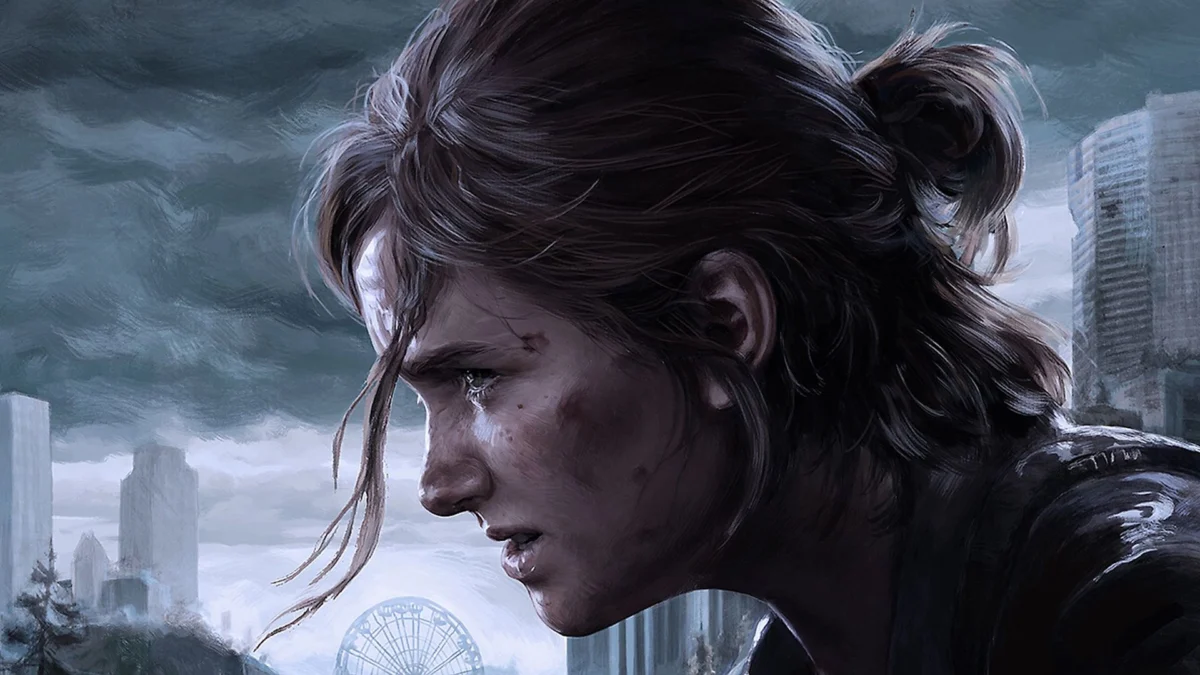
In the landscape of modern interactive entertainment, a troubling trend has taken hold. As budgets for AAA titles balloon into the hundreds of millions and the pressure to achieve mass-market appeal intensifies, the industry is increasingly gravitating toward a "middle-of-the-road" approach. Developers are prioritizing broad, digestible narratives that attempt to please everyone, often resulting in experiences that, while polished and technically impressive, feel fundamentally hollow.
As the industry strives to prove its legitimacy as an art form, it faces a paradox: by trying to capture every demographic, developers are sacrificing the very conviction and specificity that make art resonate. To move forward, gaming must pivot away from safe, homogenized storytelling and embrace the uncompromising, divisive vision found in works like The Last of Us Part 2.
The Insubstantiality of Modern Storytelling
When looking back at the last decade of game development, a glaring problem emerges: the prevalence of "insubstantial" narratives. While many games offer moments of spectacle or high-concept premises, few possess the courage to commit to a singular, challenging argument.

This is not a criticism of production values or technical craftsmanship. Modern engines can render photorealistic faces and sprawling open worlds with breathtaking detail. However, when the underlying narrative lacks a coherent soul—or a willingness to offend, confuse, or alienate a portion of its audience—it ceases to be a profound artistic statement. It becomes, instead, a product designed to mitigate risk.
The Case for Conviction: The "Last of Us 2" Model
The Last of Us Part 2 serves as a stark counterpoint to the industry’s current trend of moderation. Upon its release, the game sparked massive, heated debate. It was polarizing, emotionally exhausting, and, at times, deliberately miserable.
Naughty Dog’s approach was characterized by a near-total disregard for conventional "player-pleasing" tropes. By forcing the audience to walk the path of vengeance alongside Ellie, the developers crafted an experience that was not designed to be "fun" in the traditional sense. It was designed to be felt. The game operated on the belief that a story’s value is not determined by its popularity or the comfort it provides, but by the strength of its vision. Whether or not a player agreed with Ellie’s choices or the narrative’s conclusion was irrelevant to the success of the work; what mattered was that Naughty Dog stood behind that vision with absolute, unwavering conviction.

Chronology of a Creative Shift
To understand how we reached this point, we must look at the evolution of the "story-driven" blockbuster.
- 2010s: The Rise of the "Persona" and "Choice" Formulas: Early to mid-decade games, such as Persona 5, leaned into stylistic flair but began to codify a formulaic approach to character archetypes and moral binary. The "bad guys are bad, and you are the hero" motif became the industry standard.
- 2020: The Watershed Moment: The release of The Last of Us Part 2 fractured the player base, signaling that high-budget games could afford to be aggressively challenging.
- 2020–2023: The Open-World Saturation: Titles like Cyberpunk 2077 attempted to marry player choice with narrative depth, but often fell into the trap of allowing the "protagonist" to become a passive observer, rendering the narrative impact negligible regardless of the player’s choices.
- 2024–Present: The Counter-Movement: Recent releases like Metaphor: ReFantazio and Clair Obscur: Expedition 33 represent a shift back toward thematic focus, where the narrative is not just a backdrop, but an engine for social or philosophical commentary.
Comparative Analysis: "Cyberpunk 2077" vs. "Metaphor: ReFantazio"
The difference between a story with a vision and one that lacks one is best illustrated by comparing Cyberpunk 2077 and Metaphor: ReFantazio.
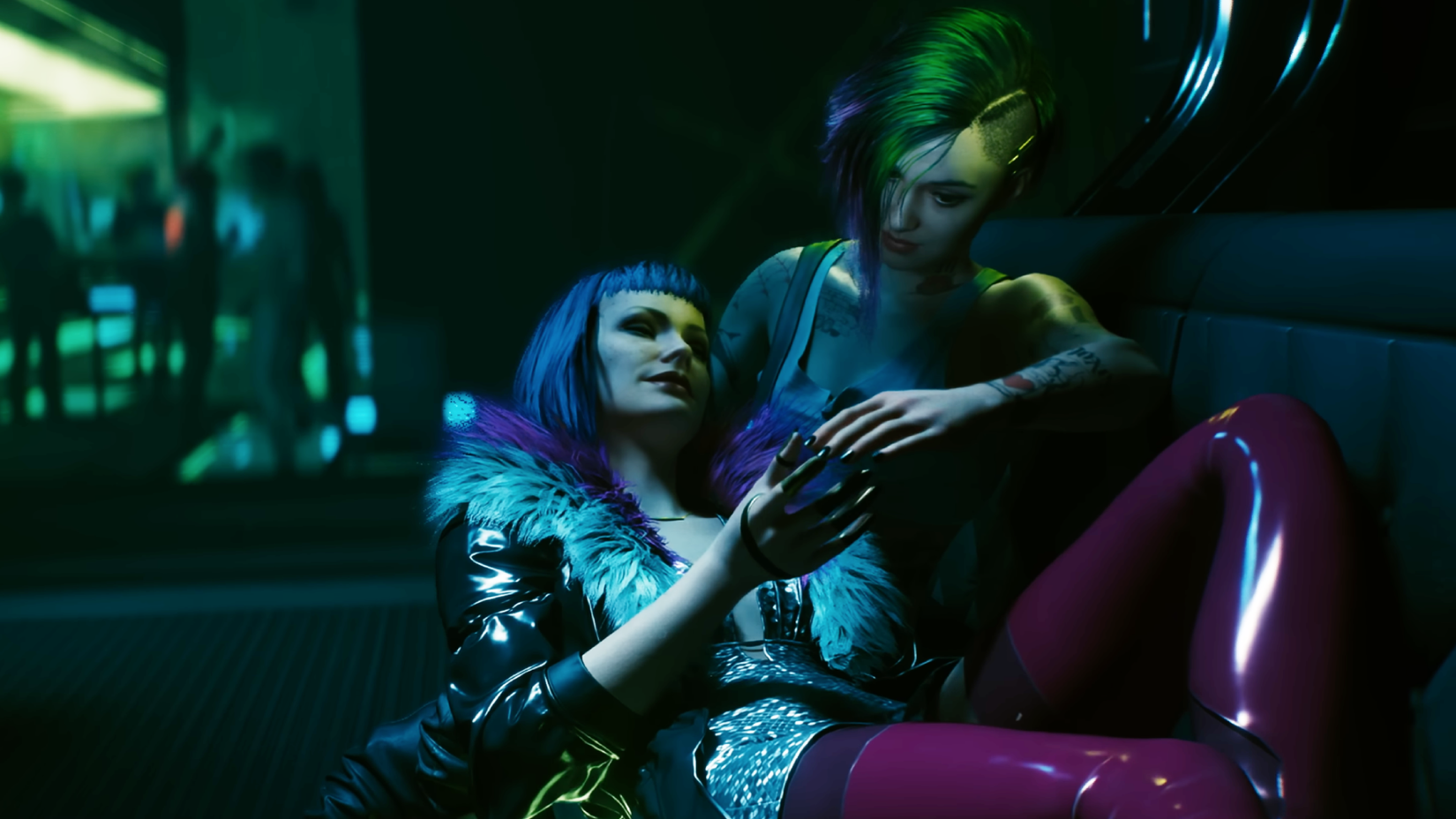
Cyberpunk 2077 is visually stunning and undeniably immersive, yet it struggles to articulate a core thesis. While it positions itself as a critique of hyper-capitalism and technological decay, it often retreats into platitudes. The protagonist, V, functions as a vessel for the player, but this choice results in a character who feels fundamentally the same regardless of the player’s decisions. The world feels "lived in," but the narrative often feels like a collection of tropes rather than a coherent argument.
In contrast, Metaphor: ReFantazio by Studio Zero demonstrates how a game can be deeply thematic without sacrificing accessibility. The game explicitly tackles issues of systemic racism, political manipulation, and disenfranchisement. Every side quest and character interaction is meticulously curated to reflect these themes. The game does not ask the player what they want to see; it asks the player to engage with a specific, uncomfortable reality. It is a work that demands the player’s attention and, more importantly, their reflection.
The Role of Philosophy and Tragedy
Not every game needs to have a "message" or a political goal. Xenoblade Chronicles 3 and Clair Obscur: Expedition 33 offer alternative models for high-quality storytelling.
Xenoblade Chronicles 3 poses existential questions about the nature of a "good life," yet it refuses to provide easy answers. It acknowledges the complexity of human existence and provides an empathic space for the player to grapple with those same questions. Similarly, Clair Obscur: Expedition 33 embraces the messy, often destructive nature of familial and interpersonal relationships. It functions as a modern tragedy, relying on the inherent humanity of its characters rather than the need for a moralizing conclusion. These games succeed because they treat the player as an intellectual participant, not a consumer to be coddled.

Implications: The Need for Artistic Autonomy
The current "for everyone" strategy is a trap. When developers design for everyone, they end up designing for no one in particular. This leads to:
- Narrative Stagnation: Games begin to recycle the same tired hero’s journeys, fearing that any deviation will result in negative user sentiment or reduced sales.
- Loss of Artistic Voice: When a project is managed by committee to ensure broad appeal, the unique, potentially brilliant, but risky ideas of individual creators are sanded down until they are unrecognizable.
- Decreased Engagement: Players are becoming increasingly savvy. They can tell when a story is holding back. The lack of conviction is palpable, and it leads to a sense of detachment from the medium.
Conclusion: A Call for Uncompromising Vision
The industry must move toward a future where developers feel empowered to say, "This is what I believe," rather than, "What do you want me to say?"
The most enduring works of art—in literature, film, and now, interactive media—are those that take a stance. They are defined by their specificity, their flaws, and their refusal to compromise their vision for the sake of mass approval. If gaming is to be taken seriously as a medium capable of profound insight, it must stop trying to be everything to everyone. It is time for developers to pour themselves into their work, accept the risk of being misunderstood, and trust the audience enough to let them decide what the story means. After all, the games that linger in the soul are rarely the ones that tried to play it safe.

