

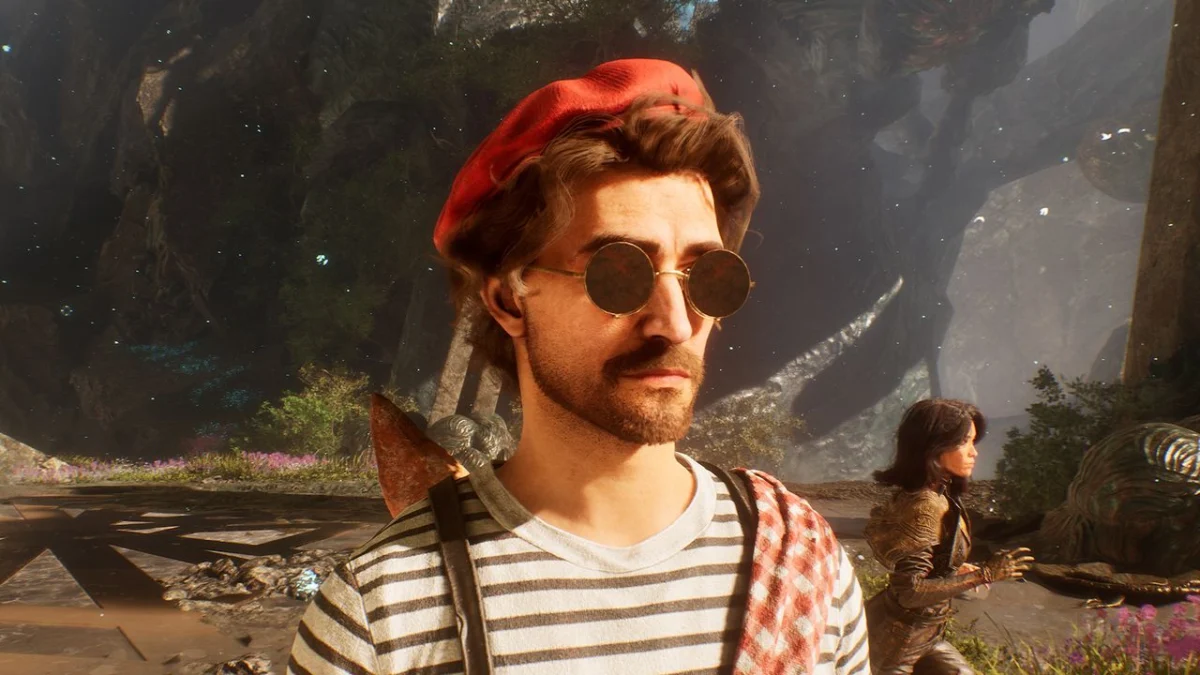
The modern landscape of triple-A video game development is often characterized by a relentless, multi-million-dollar pursuit of "perfection." From hyper-realistic facial animations to meticulously balanced combat systems and bug-free launches, the industry standard has long suggested that any visible flaw is a failure of craft. However, Guillaume Broche, the Creative Director behind the breakout RPG hit Clair Obscur: Expedition 33, is challenging this paradigm.
In a recent and revealing interview, Broche articulated a philosophy that stands in stark contrast to the sanitized polish of contemporary blockbusters. To Broche, the drive for objective perfection is not just exhausting—it is "boring." By embracing the "weird," the "lame," and the "unbearable," Broche and his team at Sandfall Interactive have crafted an experience that resonates precisely because of its rough edges.
Main Facts: The Philosophy of Creative Friction
The core of Broche’s argument, delivered during an episode of Konbini’s Video Game Club, is that games, much like people, derive their personality from their idiosyncrasies. When a development team spends too much time sanding down every jagged corner of a game’s design, they risk removing the very elements that make the experience memorable.
Clair Obscur: Expedition 33 arrived on the scene as a critical darling, following in the footsteps of Baldur’s Gate 3 by sweeping major "Game of the Year" (GOTY) accolades. Yet, despite this high-level recognition, Broche is the first to admit that the game is riddled with what many would call "imperfections." From "unbearable" minigames to a combat system that allows players to become "absurdly strong" in the final act, the game intentionally leaves room for chaos.
Broche’s influences are equally telling. He points to the original Devil May Cry as a foundational text—a game he describes as "a bit of a mess" regarding its narrative logic and "cheesy" dialogue. Yet, it is these very flaws that Broche identifies as the source of the game’s enduring charm. For Sandfall Interactive, the goal was never to create a sterile, mathematically perfect product, but to create a game with a soul.
Chronology: From Belle Époque Inspiration to GOTY Dominance
The journey of Clair Obscur: Expedition 33 began with a vision of a world inspired by France’s Belle Époque, a period of artistic flourish and scientific optimism. Sandfall Interactive, a French studio, sought to marry this aesthetic with the tactical depth of traditional turn-based RPGs, but with a modern, reactive twist.
The Reveal and Rising Expectations
When the game was first announced, it immediately caught the eye of the global gaming community. Its unique visual style—a blend of surrealism and classical European architecture—set it apart from the high-fantasy or sci-fi tropes that dominate the genre. As development progressed, the team at Sandfall remained committed to a "developer-first" approach, prioritizing features they personally found interesting or funny over those that tested well in traditional focus groups.
The Awards Sweep
Upon release, Expedition 33 did the unthinkable for a debut title from a relatively new studio. It secured wins across all five major "Game of the Year" categories, a feat previously achieved only by industry titans like Larian Studios. This success provided Broche with a platform to discuss the unconventional methods used during production.
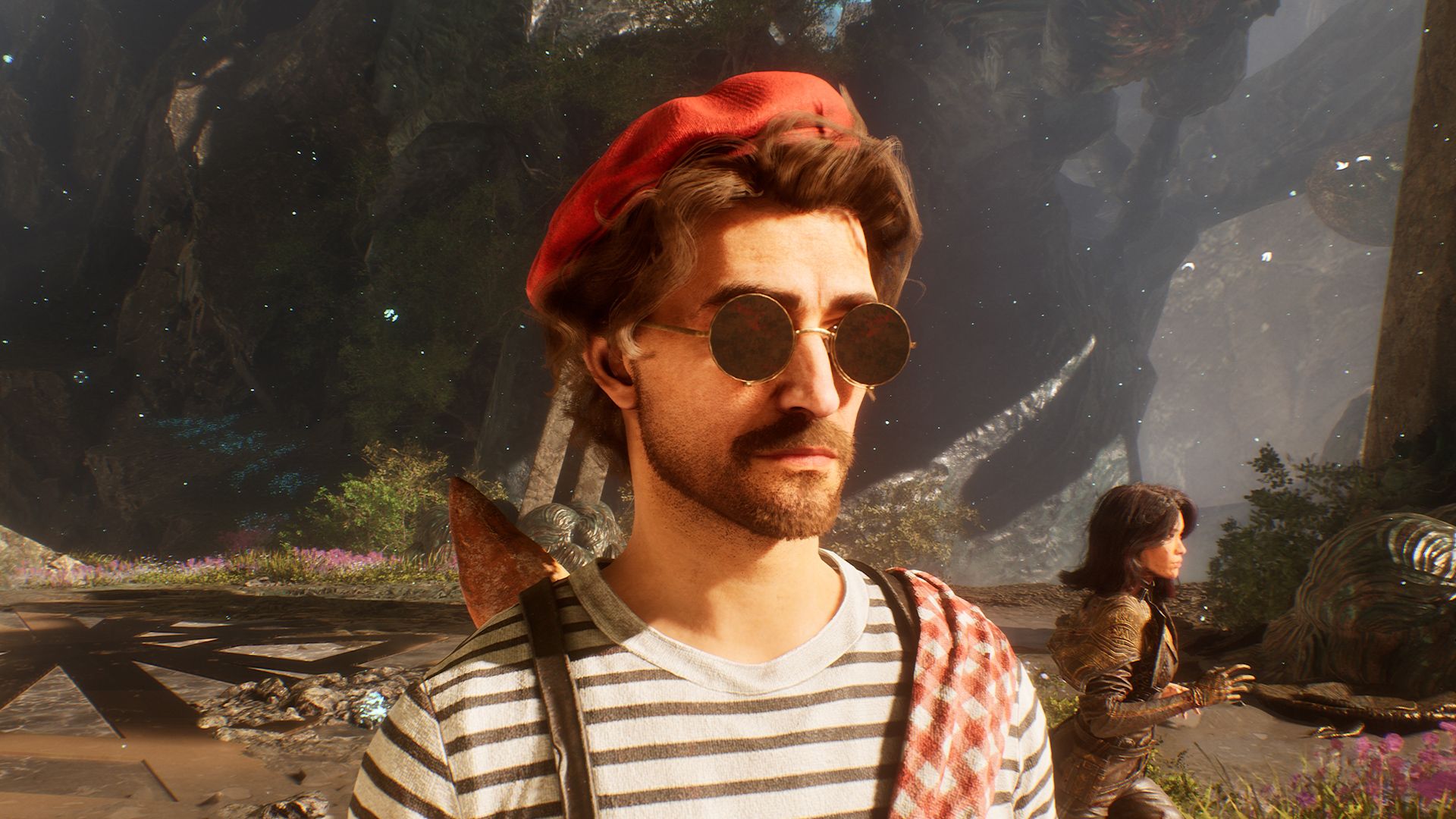
The Post-Release Reflection
Following the game’s success, Broche has moved into a reflective phase, participating in deep-dive interviews like the one with Konbini. Rather than using this time to boast about technical achievements, he has used it to defend the "lame" parts of the game, arguing that the industry’s obsession with fixing every flaw is a recipe for creative stagnation.
Supporting Data: Analyzing the "Charm" of Game Design Flaws
To understand Broche’s perspective, one must look at the specific elements of Expedition 33 that he classifies as imperfect. In the world of game design, "balance" is often treated as a sacred cow. Developers spend months ensuring that no single strategy is too powerful, fearing that a "broken" game will lose its challenge.
The Power Fantasy of Act 3
Broche notes that in Expedition 33, players can become "absurdly strong" by the third act. In a traditional "perfect" game, this would be patched out or nerfed during development. However, Sandfall Interactive viewed this as a reward for the player’s investment. Allowing the player to "break" the game’s systems provides a sense of agency and fun that a perfectly balanced, albeit restrictive, system cannot offer.
The "Unbearable" Minigames
The game features a series of high-difficulty minigames, including a climbing challenge reminiscent of "Only Up." Broche describes these as "agonizing" and "unbearable." Statistically, such high-friction content often leads to player drop-off. However, for the players who persevere—like the many who spent dozens of hours on the "Gestral Games" tower—the frustration becomes a badge of honor. It creates a "highlight" in the memory of the experience precisely because it was difficult and slightly "weird."
The Missable Content Paradox
Another "flaw" cited by Broche is that some players could "breeze through the whole thing in one go and won’t see all the content." In an era of "live service" games designed to maximize "player engagement" and "time-in-game," leaving content hidden or easily skippable is often viewed as a waste of resources. Sandfall’s counter-argument is that the existence of hidden, missable secrets makes the world feel larger and more authentic, rather than a curated theme park ride where every attraction is forced upon the visitor.
Official Responses: Broche on Personality and Future Projects
Guillaume Broche’s commentary serves as a manifesto for a new wave of "auteur" game development. During his appearance on Konbini’s Video Game Club, he elaborated on the human element of design.
"My theory is that it’s just like people," Broche explained. "People who try to be perfect are boring because they have no personality. Whereas people who embrace their slightly weird side—in the end—are the interesting ones."
This philosophy extends to the future of Sandfall Interactive. In a separate statement, Broche addressed the pressure of following up a Game of the Year winner. He maintained a remarkably stoic stance, claiming he doesn’t "care" if his next game isn’t as popular as Expedition 33.
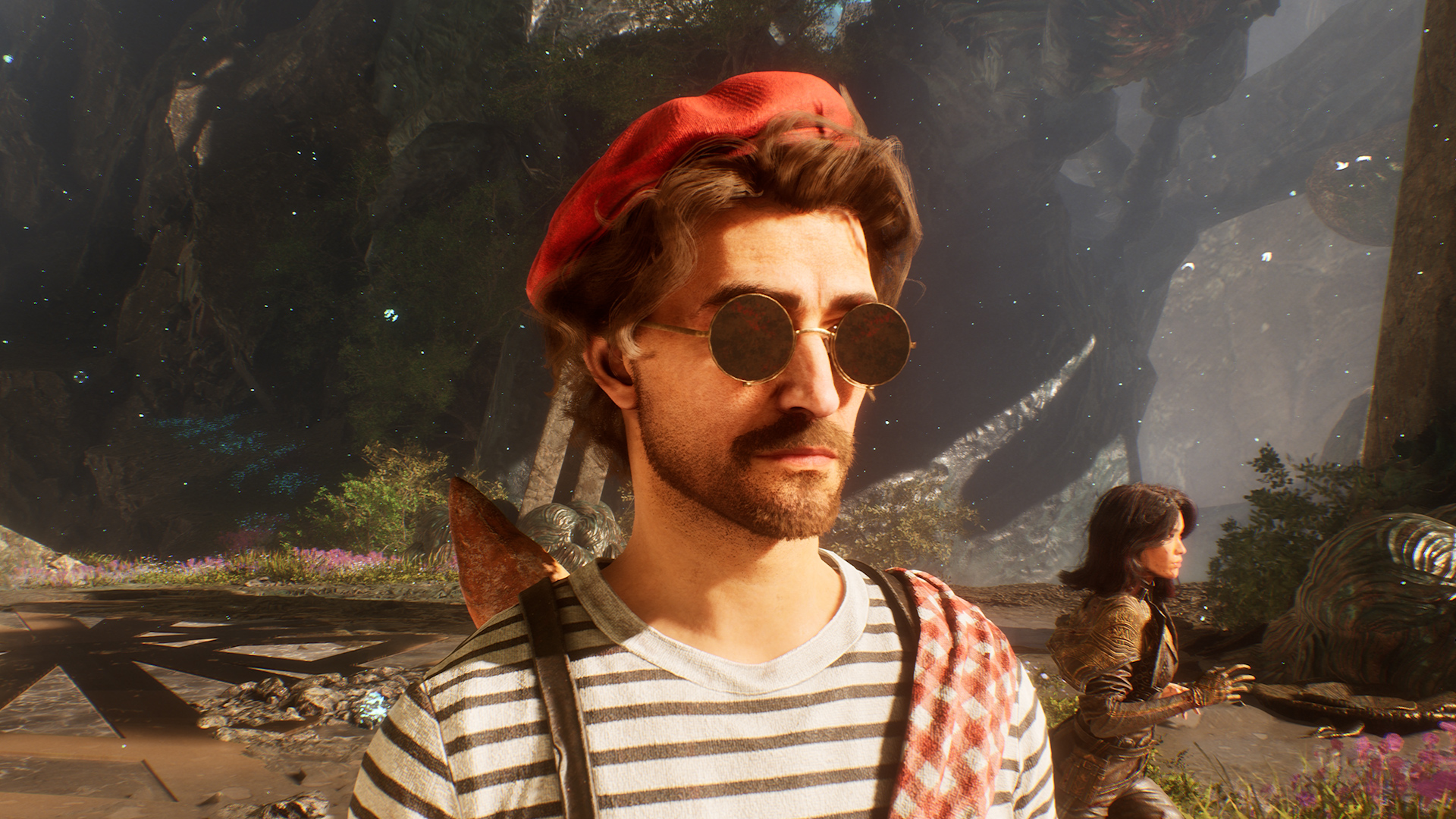
"We’re just going to do what we love again," he stated. This "passion-over-profit" mentality suggests that Sandfall is more interested in maintaining its creative identity than in chasing the diminishing returns of mass-market appeal. By acknowledging the "cheesy lines" and "messy" elements of his favorite games, Broche signals to his audience that his future projects will continue to value "soul" over "polish."
Implications: A Shift in the AA and AAA Landscape
The success of Clair Obscur: Expedition 33 and the vocal philosophy of its director have significant implications for the wider gaming industry. For years, the "AA" space (mid-budget games) has struggled to compete with the sheer graphical fidelity of "AAA" giants. Broche’s approach suggests that the path to success for smaller studios lies not in mimicking the perfection of the giants, but in leaning into the eccentricities that the giants are too risk-averse to touch.
The Death of the "Ubisoft-ification"
For the last decade, many open-world and RPG titles have followed a formulaic design often dubbed "Ubisoft-ification"—characterized by cluttered maps, hand-holding tutorials, and a fear of letting the player fail or get lost. Expedition 33 represents a pivot away from this. By including "unbearable" challenges and "broken" late-game builds, Sandfall is trusting the player to find their own fun within a flawed framework.
The Value of the "Auteur" Vision
Broche’s willingness to defend "lame" content highlights a return to the "auteur" era of the early 2000s, where games like Devil May Cry, Metal Gear Solid, and Final Fantasy were allowed to be deeply weird. These games often had clunky controls or bizarre plot twists, yet they remain more beloved than many of today’s technically superior but emotionally hollow releases.
Player Retention vs. Player Memory
The industry is currently obsessed with "retention"—keeping players logged in for as long as possible. Broche’s philosophy prioritizes "memory." A player might forget a perfectly balanced encounter a week after playing it, but they will never forget the "agonizing" climb up a ridiculous tower or the "absurd" power they felt when they finally mastered a flawed system.
In conclusion, Guillaume Broche is not arguing for laziness or poor craftsmanship. Instead, he is advocating for a type of craftsmanship that includes the human element of error and eccentricity. As Clair Obscur: Expedition 33 continues to be celebrated, it stands as a monument to the idea that in art, the most beautiful thing isn’t the perfect line, but the one that wavers just enough to show that a person drew it.

