

As the gaming industry undergoes a seismic shift toward an exclusively digital distribution model, the fragility of virtual ownership has never been more apparent. Following Sony’s recent confirmation that the PlayStation Store will be shuttered for the PS3 and PlayStation Vita, and the industry-wide revelation that physical disc production for PlayStation consoles will cease entirely by 2028, the gaming community is facing a "digital cliff."
For many, these platforms are not just relics of the past; they are home to extensive libraries of indie classics, digital-only titles, and childhood favorites that are not available on modern storefronts. While the fear of permanent content loss is palpable, the situation is not yet a total blackout. This guide explores the state of legacy digital preservation, the steps you can take to secure your purchases, and the broader implications of a world where the physical game disc is a thing of the past.
The Chronology of the Digital Shift
The transition to all-digital gaming has been a slow, calculated march over the last two decades. We have moved from the early, experimental days of the Wii Shop Channel and the Xbox Live Arcade to a modern landscape dominated by subscription services and cloud-based gaming.
- 2006–2010: The birth of the digital storefront era, where the Xbox 360 and Wii popularized the ability to download small-scale titles and retro classics directly to console hardware.
- 2011–2018: The expansion of digital libraries. The PS3 and Vita storefronts became hubs for cross-buy titles and massive indie catalogs.
- 2019–2025: The "decommissioning" phase. Nintendo famously closed the 3DS and Wii U eShops, sparking a massive outcry regarding the "right to play" and digital ownership.
- 2026–2028: The current transition point. With Sony’s announcement that PS3 and Vita stores are sunsetting, coupled with the 2028 end-of-life date for physical media, we are witnessing the final transition to a platform-locked, server-dependent ecosystem.
Supporting Data: Why Your Library Is at Risk
The primary issue facing collectors and casual players alike is "server-side authentication." When you purchase a digital game, you are rarely purchasing the file itself; you are purchasing a revocable license to access a server that permits your console to launch that software.
As of July 2026, Sony has assured users that previously purchased content remains accessible for download. However, historical data from other services—such as the shuttering of the original Wii Shop Channel—suggests that this "foreseeable future" is finite. Once the authentication servers for a specific console generation go offline, the ability to re-download software is permanently severed. For the average gamer, this means that if your hard drive fails or your console experiences a hardware error after the final "lights out" date, the games you purchased are effectively deleted from existence.
Strategic Preservation: How to Safeguard Your Library
While the window of opportunity remains open, taking proactive steps to download and verify your digital library is essential.

1. The 3DS and DS Landscape
Despite the 3DS being discontinued in 2020, its digital library remains one of the most unique in gaming history. To ensure your games are safe:
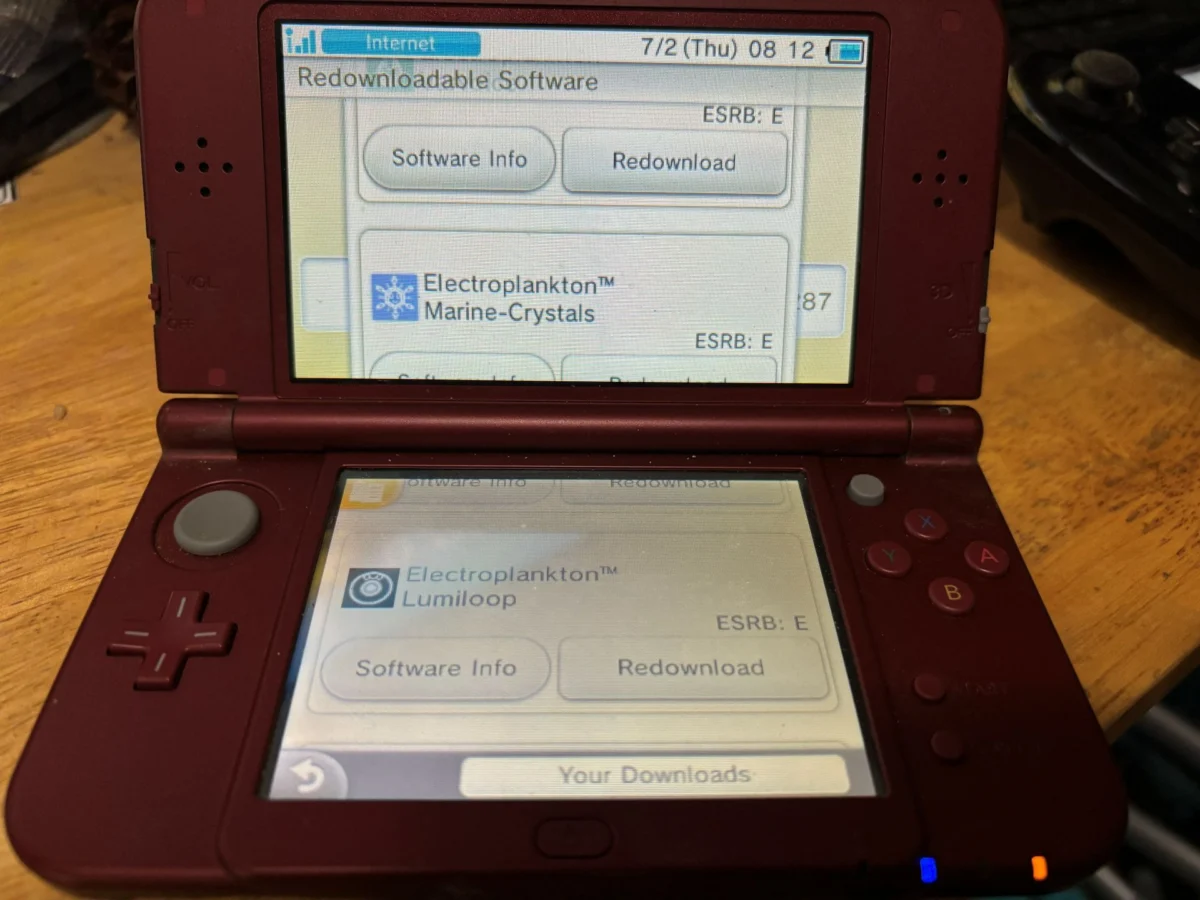
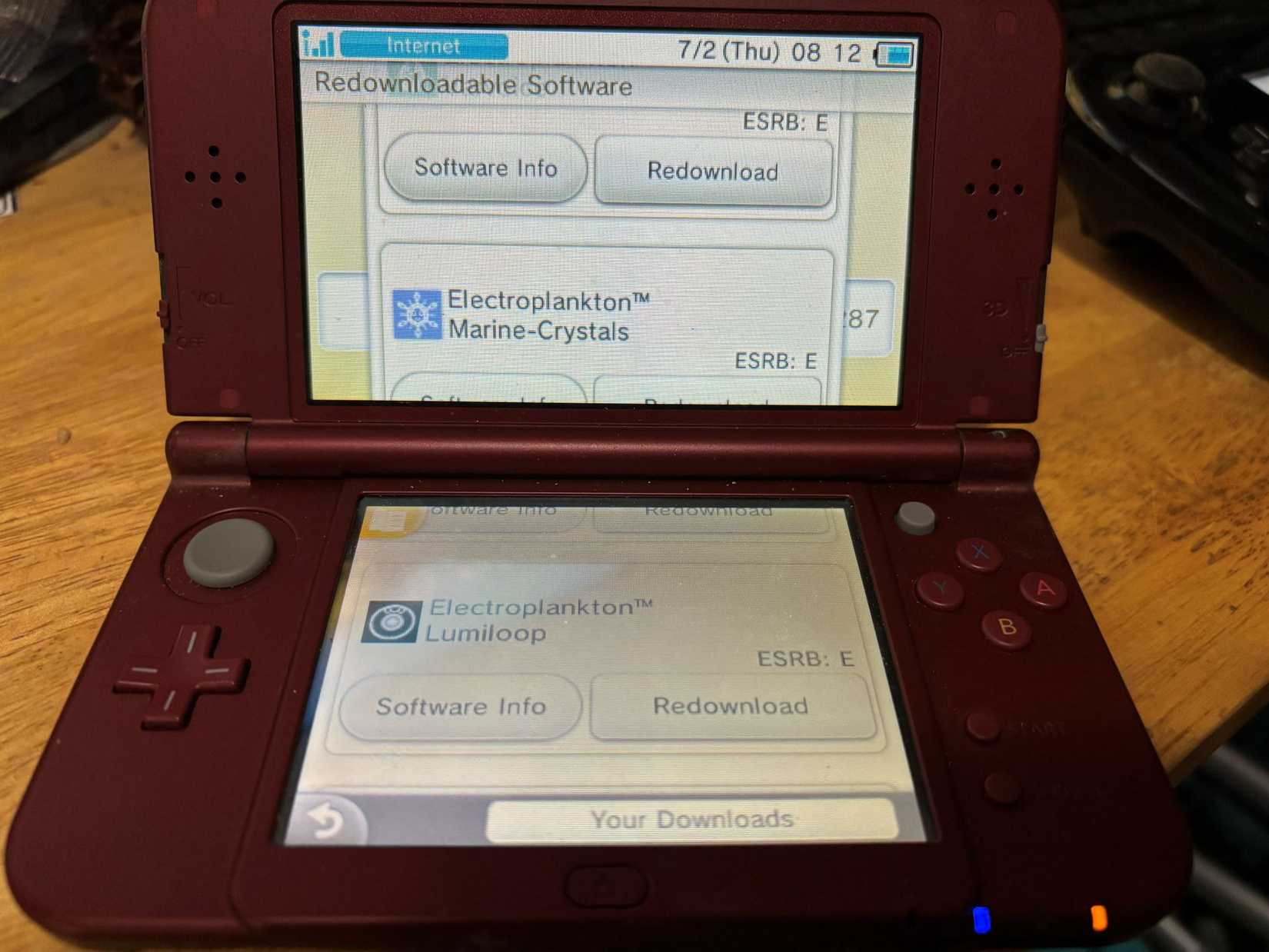
- Navigate to the eShop (if still active for redownloads) or the "Account Activity" menu.
- Access your "Redownloadable Software" list.
- The Bottleneck: The interface limits you to downloading titles one by one. If you own hundreds of titles, this is a multi-day project. Ensure your 3DS is plugged into a power source and has a stable connection, as interrupted downloads can occasionally corrupt the queue.
2. The Wii U and Wii Challenge
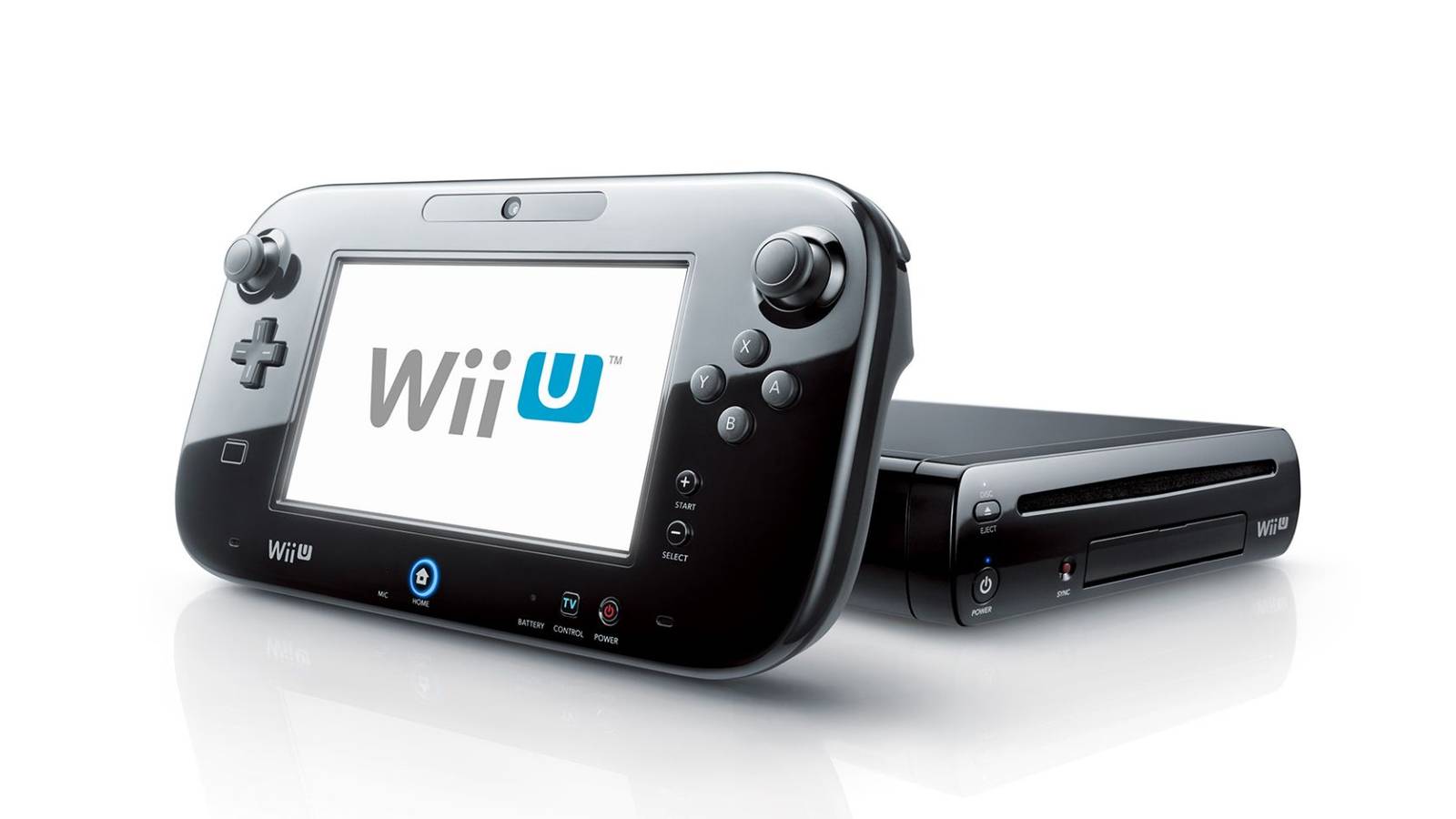
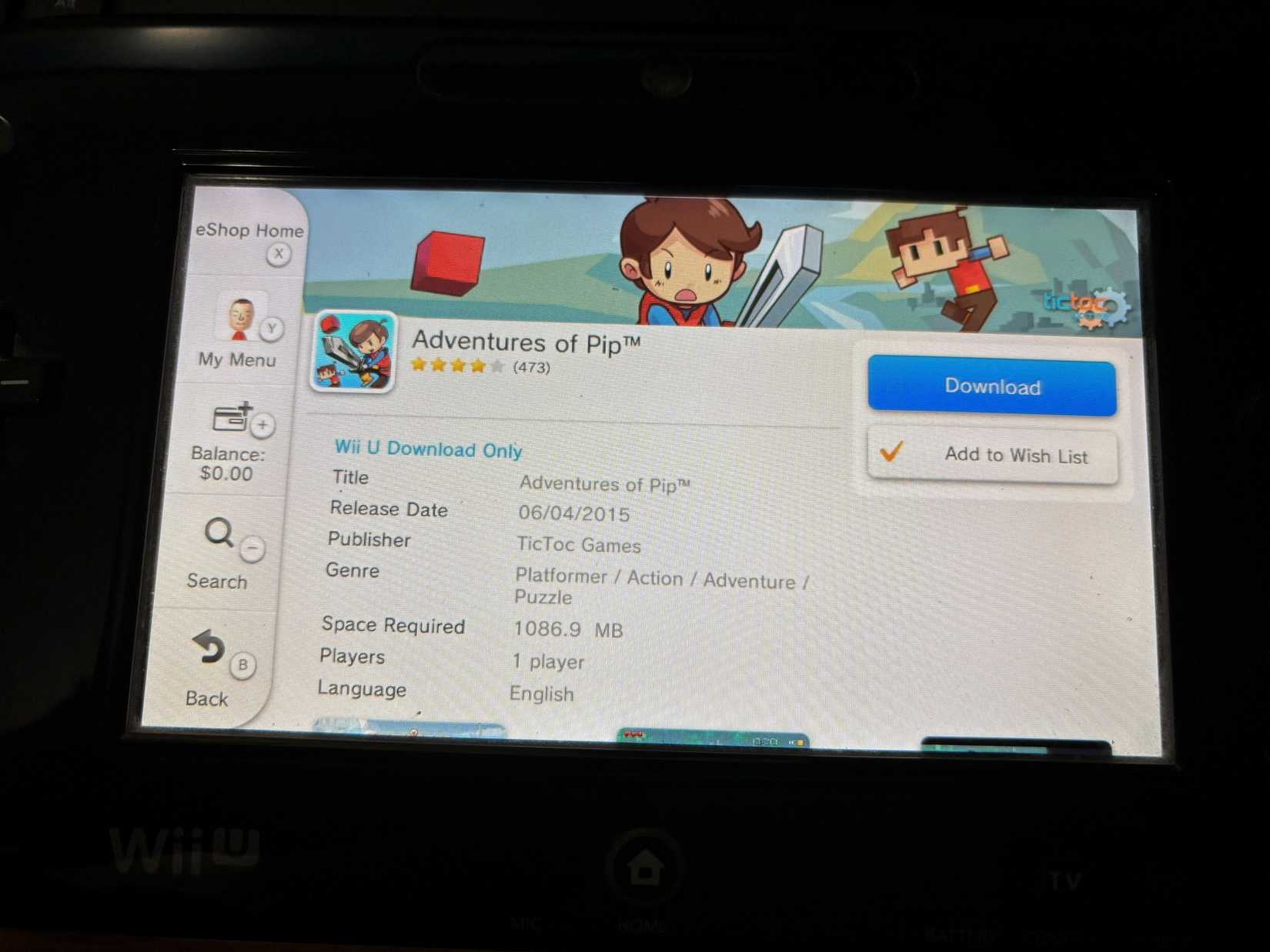
The Wii U is a peculiar case. While it supports both Wii U digital games and legacy Wii content, the system has a hard-coded limit: it cannot display more than 300 icons on the system menu.
- Organization: If you own more than 300 titles, you must utilize external hard drives. Label your drives physically so you know which library resides on which hardware.
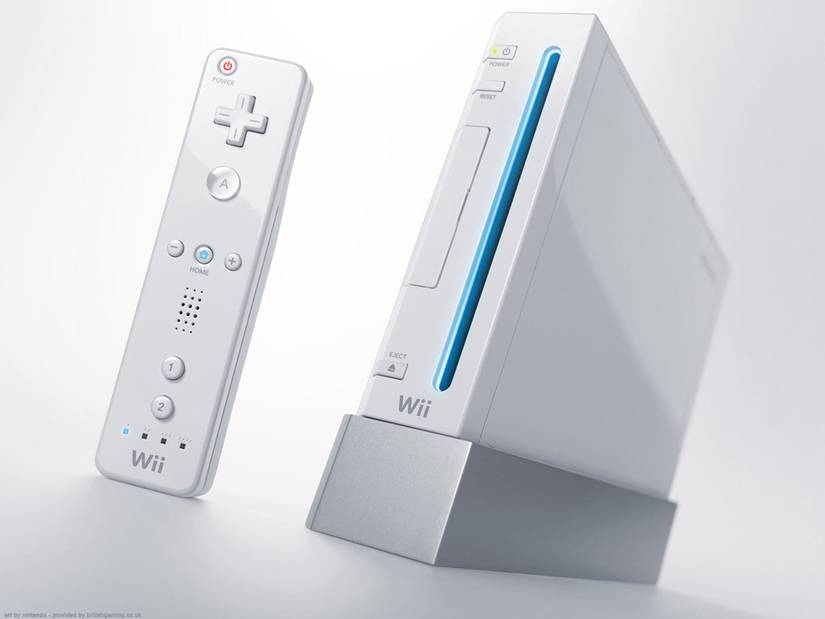
- Connectivity: The Wii’s firmware is notoriously outdated. It struggles with modern WPA3 or high-security WPA2 router configurations. If you receive an error code when attempting to connect, consider using a mobile hotspot with lower security settings (or no password) to establish a one-time connection for your downloads.
3. The Xbox 360 Ecosystem
The Xbox 360 has fared better than most due to the aggressive backward compatibility efforts on the Xbox Series X|S. However, the original hardware still requires periodic "check-ins" to verify licenses.
- The Profile Refresh: If you cannot download games, delete your local profile (do not delete items/games) and re-download it. This forces the console to perform a fresh handshake with the current Microsoft authentication servers.
- The Indie Game Exception: Xbox Live Indie Games (XBLIG) are arguably the most endangered category of software. Ensure these are prioritized in your download queue, as they are not supported by modern backward compatibility and will be lost forever if not on local storage.
Official Responses and Corporate Policy
Sony Interactive Entertainment, via spokesperson Sid Shuman, has maintained that their commitment to "legacy accessibility" remains a priority. However, legal experts point out that corporate policies are subject to change. The current consensus from Sony, Microsoft, and Nintendo is that they will host "entitlement servers" for as long as it is financially viable.
The challenge is that "viability" is defined by the cost of bandwidth and server maintenance versus the number of active users. As the user base for a console like the PS3 drops below a certain threshold, the corporate incentive to maintain those servers vanishes. This is the "digital expiration date" that the industry has yet to formally define.
The Broader Implications: What Does This Mean for the Future?
The shift away from physical discs and toward all-digital consoles in 2028 represents a fundamental change in the social contract between the developer and the consumer.
The Death of Second-Hand Markets
Physical discs allow for a circular economy. When you finish a game, you can sell it or trade it. Digital licenses are non-transferable and, in most cases, non-refundable. The 2028 mandate effectively kills the second-hand market, forcing all players to purchase games at full retail price directly from the platform holder.
The Preservation Crisis
Historians are growing increasingly concerned. In the past, if a game was released on a cartridge or disc, a copy existed in the wild. If a company went bust, the game survived in closets, at garage sales, and in libraries. Today, if a game is pulled from a storefront due to licensing issues or server decommissioning, it ceases to exist for new players. We are essentially deleting thousands of hours of artistic output every time a store closes.
The "All-Digital" Reality
For the consumer, the path forward is clear:
- Prioritize Local Storage: Invest in high-capacity, reliable SSDs or SD cards.
- Verify Your Licenses: Occasionally launch your digital games to ensure they are still authenticated and playable.
- Advocate for Ownership: The industry listens to consumer trends. As long as we continue to purchase digital-only media without complaint, the incentive to provide physical alternatives will remain at zero.
Conclusion
The convenience of the digital age is undeniable, but it comes at the cost of permanence. We are currently living in a period of digital consolidation where the past is being quietly erased to make room for the future. By taking the time now to secure your legacy libraries—downloading your games, organizing your storage, and verifying your licenses—you are acting as a curator of your own history.
As we approach the 2028 threshold, the question remains: are we comfortable with a medium that can be switched off at the whim of a corporation? For now, the best defense against this "digital sunset" is to ensure that when the lights finally go out, your library is already safely on your hard drive, ready to be played for years to come.

