

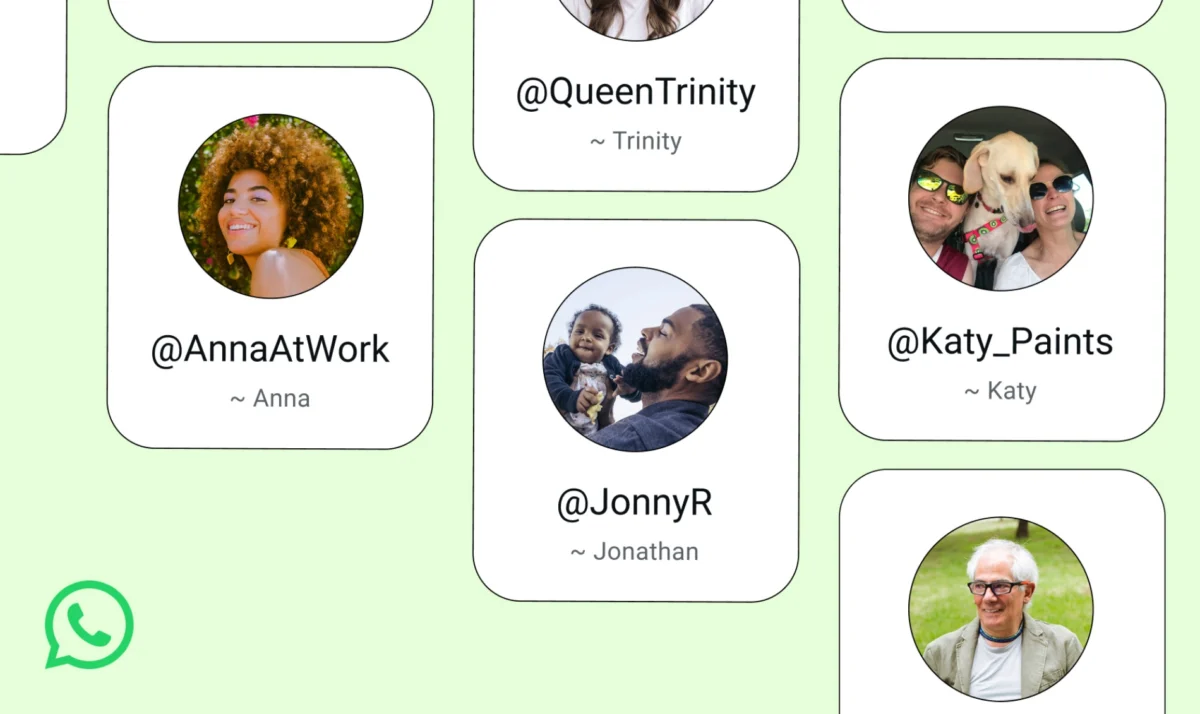
On June 29, Meta took a decisive step that could fundamentally alter the DNA of its most popular messaging platform. The company officially invited its massive global user base to “get a handle on their handles,” announcing the rollout of usernames for WhatsApp. This departure from the platform’s traditional reliance on phone numbers as the sole identifier marks a significant evolution in how three billion users will interact, connect, and potentially conduct business in the digital age.
The Mechanics of the Update
For over a decade, WhatsApp has been defined by the tether between a user’s digital profile and their physical SIM card. Your phone number was your identity, your contact method, and your unique key to the encrypted ecosystem. By introducing the @-symbol handle—a standard borrowed from the playbook of social giants like YouTube, TikTok, and X (formerly Twitter)—Meta is decoupling the account from the hardware.
Starting this week, users can reserve their unique monikers. These handles will become functional later this year, allowing users to share their digital "address" without disclosing their personal phone numbers. This transition aligns WhatsApp with the broader Meta ecosystem, standardizing the user experience across Instagram, Facebook, and the now-integrated WhatsApp interface.
A Chronology of WhatsApp’s Evolution
To understand the significance of this shift, one must look at the trajectory of the app since its acquisition by Facebook in 2014.
- February 2014: Facebook acquires WhatsApp for $19 billion, a move that stunned the tech world but secured Meta’s dominance in mobile messaging.
- 2017: Meta introduces "Status," a feature heavily inspired by Snapchat, signaling the first attempt to pivot WhatsApp from a utility app toward a social networking hub.
- 2024: WhatsApp rolls out native in-app sticker creation tools, a subtle attempt to gamify the user experience and drive engagement beyond simple text-based conversations.
- May 2026: Reports emerge regarding the introduction of paid subscription tiers across Meta’s primary apps, including WhatsApp Plus, signaling a new era of monetization for the encrypted service.
- June 29, 2026: Meta officially announces the reservation of usernames, prioritizing user privacy while laying the groundwork for a more creator-centric architecture.
Privacy as the Primary Pitch
Meta’s primary justification for this shift is, predictably, security. In an era of increasing digital surveillance and concerns over data harvesting, WhatsApp has maintained its edge largely through its end-to-end encryption protocols. By allowing users to chat without sharing their “digits,” the company is directly addressing the friction points of modern digital interaction.
"Sometimes you just want to chat without handing over your digits," Meta noted in an official blog post. "That’s why we’re introducing usernames for WhatsApp. Starting this week, you can reserve a username to use later this year when we launch this feature."
For the privacy-conscious user, this is a long-overdue upgrade. It prevents the need for “data leakage” that occurs when a user shares their phone number with a stranger or a commercial entity just to initiate a conversation. However, industry analysts suggest that while privacy is the public-facing hook, the underlying strategy is far more ambitious.
Supporting Data and Market Reach
The scale of this move cannot be overstated. With over three billion monthly active users, WhatsApp is arguably the most powerful communication tool on the planet.
In India alone, the app boasts an estimated 850 million users. This demographic is not just large; it is highly active and represents a prime target for the creator economy. Meta has observed how platforms like TikTok and Instagram have successfully leveraged handle-based identification to facilitate discovery, cross-platform tagging, and influencer-led marketing.
By implementing usernames, Meta is effectively turning WhatsApp into a “social graph.” If a creator can be found via a unique @-handle rather than a contact list, the barrier to entry for community building on WhatsApp disappears. This transforms the app from a siloed messaging tool into a potential discovery engine.
Implications for the Creator Economy
Is WhatsApp destined to become the next creator hub? The question remains complex. Historically, Meta has successfully turned Instagram into a creator hotspot, but WhatsApp has resisted such transformation. The app’s intimacy—the fact that it is where we talk to family and close friends—is both its greatest asset and its biggest hurdle.
The "Threads" Comparison
The recent launch of Threads proved that Meta could successfully leverage its user base to capture market share from other platforms. If Meta can integrate "Channels" and "Broadcast" features more deeply into the username system, WhatsApp could function as an intimate, high-signal alternative to the noise of public social media.
Imagine a world where a creator shares a link to their WhatsApp handle, allowing fans to join a private, encrypted broadcast list without the creator ever having to manage thousands of individual phone numbers. This would be a game-changer for influencer-fan relations, providing a direct, high-conversion line that is shielded from the algorithmic volatility of Instagram or Facebook.
The Monetization Factor
The recent move toward paid subscriptions (WhatsApp Plus) suggests that Meta is looking for ways to extract more value from the platform. Usernames are the infrastructure upon which these paid features will likely sit. A verified, handle-based account is much easier to monetize than a random phone number. It allows for branding, professional profiles, and, eventually, a marketplace where creators can sell products directly within the app.
The Risks: When a Messaging App is Just a Messaging App
Despite the optimism, the path forward is fraught with challenges. The collapse of BeReal serves as a stark reminder of the "messaging app trap." Users often treat messaging platforms as sacred, private spaces. If Meta pushes the "social" aspect too aggressively, it risks alienating the very user base that loves WhatsApp specifically because it is not a social network.
There is also the risk of spam. By decoupling identities from phone numbers, the platform may see a surge in bot accounts and fraudulent handle squatting. Meta will need to implement robust verification systems to ensure that the transition to usernames does not degrade the quality of the user experience.
Official Responses and Future Outlook
Meta has remained tight-lipped regarding the specific roadmap for the "social" integration of these usernames, focusing exclusively on the security benefits for now. However, internal signals suggest that this is merely phase one.
Industry experts suggest that we should expect to see:
- Direct Searchability: The ability to find accounts through an in-app search bar using usernames.
- Verified Badges: A rollout of "Blue Checks" for creators and businesses tied to these handles.
- Cross-Platform Integration: The ability to link your Instagram username directly to your WhatsApp handle, streamlining the Meta ecosystem.
Conclusion
The introduction of usernames on WhatsApp is a watershed moment for Meta. It is a strategic hedge against the potential decline of traditional social media and a play to consolidate its dominance in the creator economy. While Meta maintains that this is about "getting a handle on your handles" for the sake of privacy, the reality is that the company is quietly laying the tracks for the next decade of digital interaction.
For the user, the task is simple: log in, reserve your moniker, and stake your claim in the new, handle-based WhatsApp. Whether this evolves into a vibrant social ecosystem or remains a privacy-first messaging tool, the change is permanent. WhatsApp is no longer just a way to call home—it is becoming a digital identity, and Meta wants to make sure you have the right name for the future.

