

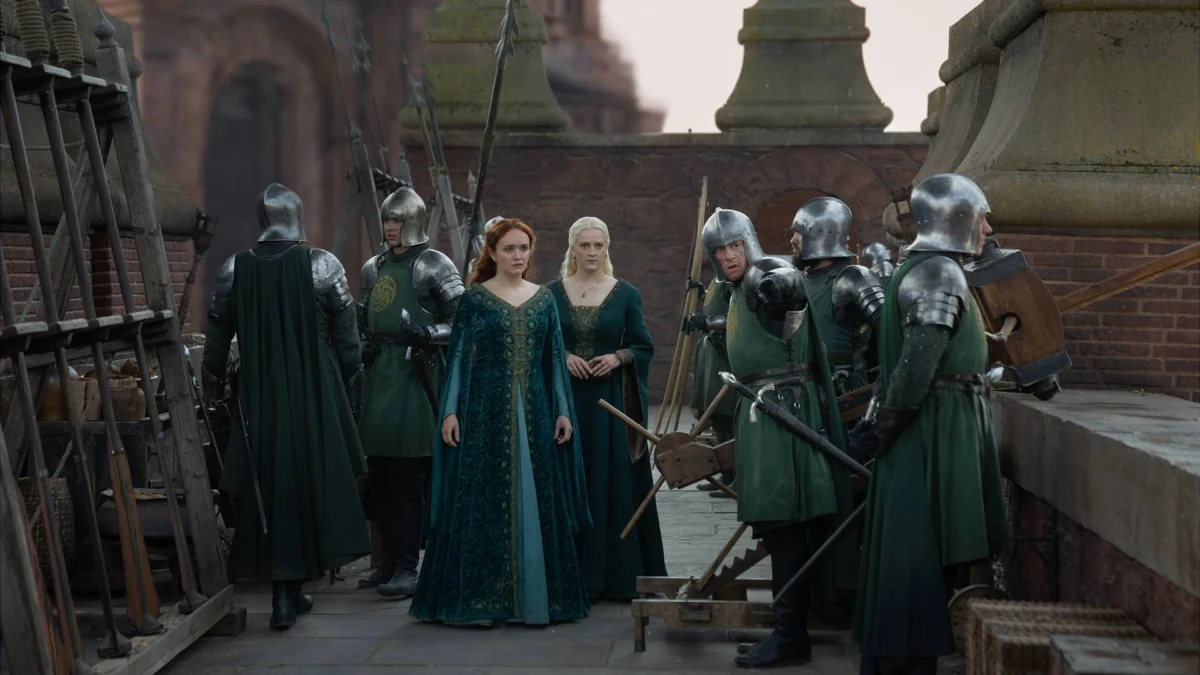
The second episode of House of the Dragon’s third season, titled "The Price of Victory," marks a definitive turning point in the Dance of the Dragons. Following the cataclysmic events of the season premiere—specifically the naval warfare of the Battle of the Gullet—this latest chapter shifts the narrative focus from the high seas to the halls of power within King’s Landing. As the lines between allies and enemies blur, the stakes have never been higher for Rhaenyra Targaryen and the splintered House of the Dragon.
Below is an exhaustive breakdown of the episode’s events, the shifting geopolitical landscape of Westeros, and the thematic undercurrents driving the characters toward their inevitable, tragic fates.
The Aftermath of the Gullet: A Kingdom in Mourning
The episode opens in the immediate wake of the Battle of the Gullet, a conflict that has left the political board radically altered. The three "dragonseeds"—Hugh Hammer, Ulf the White, and Addam of Hull—have officially entered the theater of war, proving their worth by decimating the remnants of the Triarchy’s formidable fleet. While their aerial dominance is clear, the cost of victory is staggering.
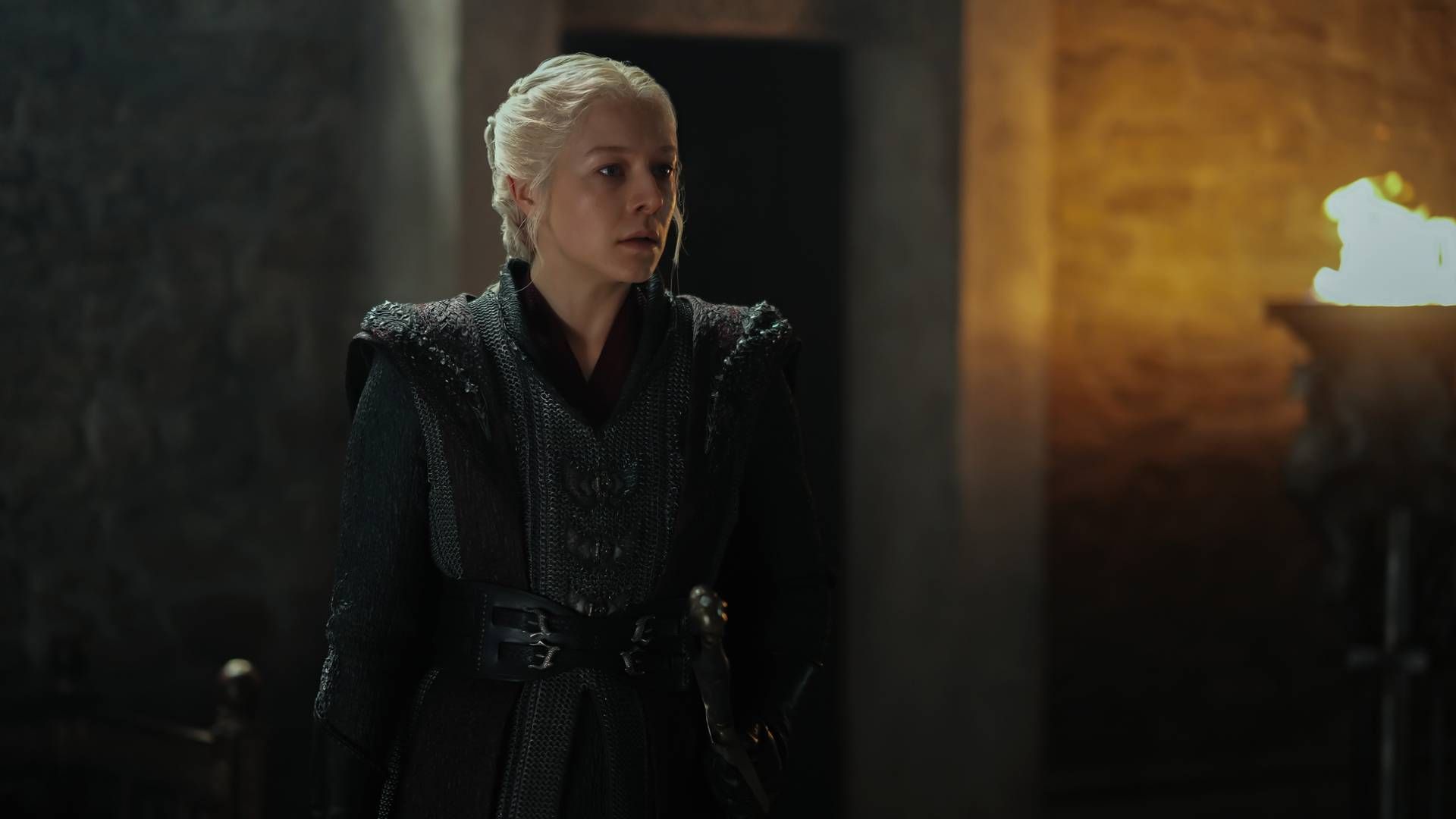
Baela Targaryen, acting as a grim harbinger, returns to Dragonstone bearing the remains of her betrothed, Jacaerys Velaryon. The loss of Jace, Rhaenyra’s eldest son and heir, serves as the emotional epicenter of the episode. Rhaenyra, finally liberated from the political confinement of her own chambers, is forced to confront the brutal reality of the conflict she has ignited. Her reaction—a transition from catatonic shock to visceral, soul-crushing grief—sets the tone for the remainder of the episode. It is a reminder that despite the dragons and the crown, this is, at its heart, a story of a family disintegrating under the weight of its own ambition.
Chronology of Escalation: From Dragonstone to the Iron Throne
The episode moves with a frantic, operatic pace, tracing the movements of key players across the continent:
- The Vale’s Gambit: Rhaena Targaryen successfully secures asylum for herself and her charges in the Vale. Through a masterful display of political maneuvering, she convinces Lady Jeyne Arryn that the presence of a dragon is not a threat, but a necessary deterrent against the chaos engulfing the rest of the realm.
- The Sea Snake’s Lament: Addam of Hull eventually locates Corlys Velaryon in the aftermath of the naval slaughter. Corlys’s haunting admission—"If this be victory, I pray I never win another"—echoes the sentiment of the source material, Fire and Blood, perfectly encapsulating the hollow nature of the Greens and Blacks’ ongoing struggle.
- Harrenhal’s Destruction: In a move of terrifying military pragmatism, Aemond Targaryen descends upon Harrenhal. Vhagar’s fire renders the castle a tomb, claiming the lives of Ser Simon Strong and others. Aemond, however, does not emerge unscathed; he sustains a significant wound, forcing him to seek aid from the enigmatic Alys Rivers, further deepening the mystical, foreboding arc of his journey.
- The March on King’s Landing: The episode culminates in a coup. Rhaenyra and Daemon, backed by the newfound air power of the dragonseeds, infiltrate the Red Keep. The City Watch, sensing the shifting winds of power, abandons the Green cause, allowing Rhaenyra to reclaim her birthright. The final image of the episode—Rhaenyra sitting upon the Iron Throne, leaving blood-stained footprints in her wake—signals that while she has secured the seat, the moral cost may already be too high to reclaim her soul.
The Prophetic Weight: Song of Ice and Fire
A pivotal moment in the episode occurs between Rhaenyra and Daemon. As Rhaenyra’s resolve fractures under the weight of Jace’s death, Daemon invokes the "Song of Ice and Fire," the secret prophecy passed down through Targaryen kings.
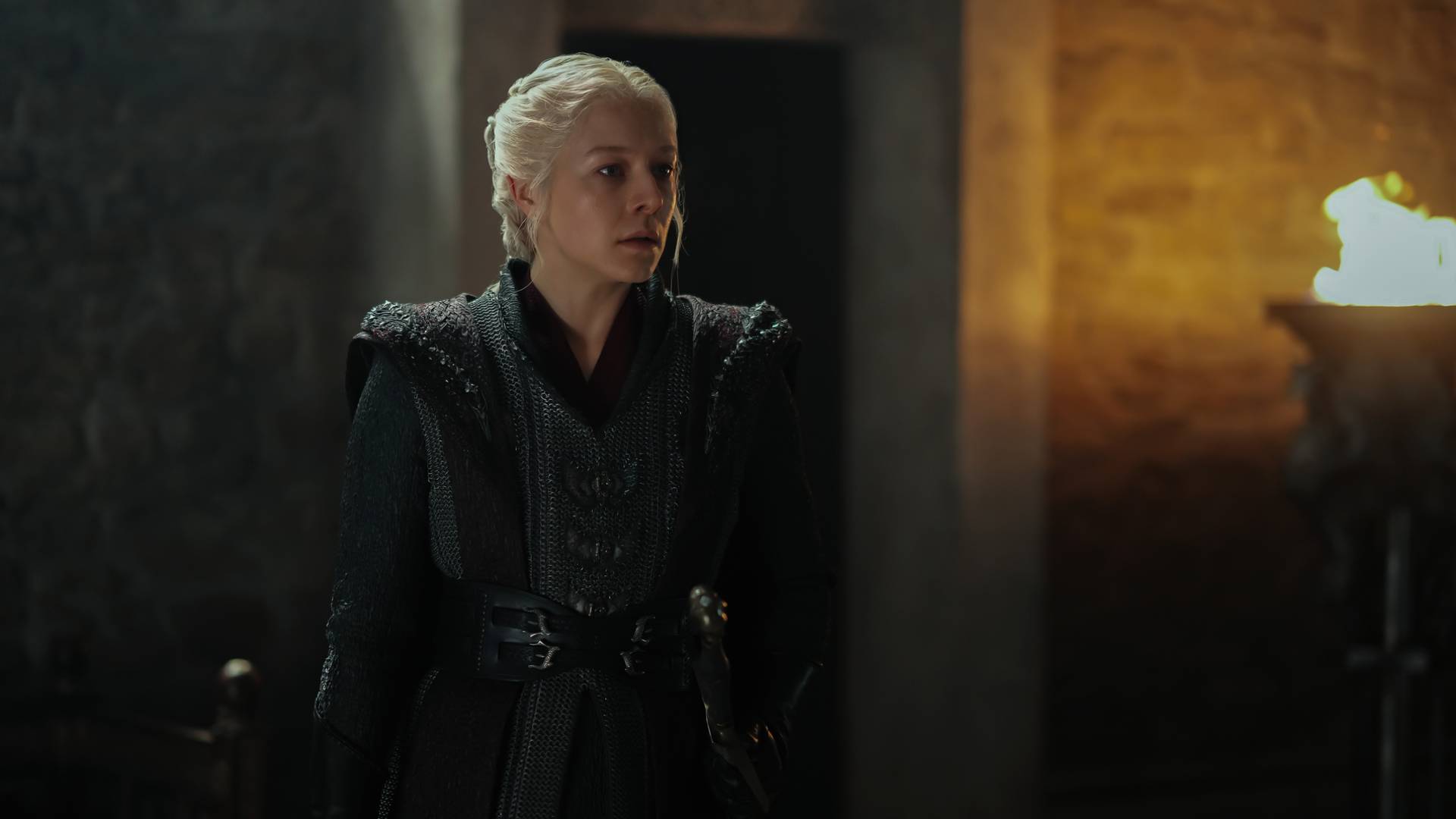
Daemon recounts his vision of a "girl with three dragons," a clear reference to the future birth of Daenerys Targaryen. By grounding the current civil war in the context of a much larger, existential threat—the White Walkers—the show continues to bridge the gap between the internal politics of the Targaryens and the broader lore established in Game of Thrones. This conversation serves not just to motivate Rhaenyra, but to remind the audience that the Targaryen dynasty is a tragedy of cosmic proportions, where the desire for power constantly distracts from the impending "long night."
Implications: The New Order of the Red Keep
The political landscape has been fundamentally altered. With Otto Hightower executed by Rhaenyra—a scene mirrored in its brutality by the messy, two-swing decapitation—and Lord Jasper, the Master of Coin, meeting a swift end at the hands of Daemon, the Green faction’s leadership has been decimated.
Alicent Hightower, now a prisoner of the woman she once called a sister, faces the ultimate reckoning. Her realization that crowning Aegon was a catastrophic error arrives too late. The sight of her father’s lifeless body serves as the final, brutal punctuation mark to her political career. For Rhaenyra, the throne is hers, but she now rules over a city that has seen her family’s blood spilled in its streets, and a realm that is increasingly weary of dragon-fire.
Easter Eggs and Narrative Callbacks
For the dedicated fans of George R.R. Martin’s world, this episode is dense with references:
- The Tapestry: The title sequence, now a staple of the series, has been updated to reflect the history of the war, including the Battle of the Gullet and the tragic demise of Jacaerys.
- Literary Echoes: Corlys Velaryon’s dialogue is a direct lift from the Fire and Blood novel, reinforcing the series’ commitment to honoring the text’s most poignant lines.
- Thematic Parallels: The execution of Otto Hightower mirrors the death of Rodrick Cassel in Game of Thrones, serving as a dark reminder that the brutality of the past is never truly buried.
Official Responses and Production Notes
While HBO has remained tight-lipped regarding the specific creative choices for the mid-season pacing, the showrunners have previously noted that Season 3 aims to "lean into the horror of the conflict." The visual direction in this episode, particularly the lighting in the throne room during Rhaenyra’s ascent, was designed to emphasize the "blood on the crown" motif. Production designers noted that the decision to keep the throne room relatively sparse was intended to make the seat of power feel cold and isolating, rather than a triumphant prize.
Looking Ahead
As the season progresses, the focus will likely shift to the consequences of Rhaenyra’s rule in a city that still harbors loyalists to the Hightower cause. Aemond’s alliance with Alys Rivers at the ruins of Harrenhal promises to introduce more supernatural elements into the political fray, while the dragonseeds must grapple with the fact that they are now the most powerful—and potentially dangerous—weapons in the world.
The war is no longer a matter of courtly intrigue; it is a war of attrition, and with each passing episode, the "Song of Ice and Fire" feels less like a prophecy of salvation and more like a warning of the destruction that the dragons will inevitably bring upon the world.
House of the Dragon season 3 airs weekly on HBO and Max, with new episodes arriving on Sunday nights in the US and Monday mornings in the UK via Sky and NOW.

