

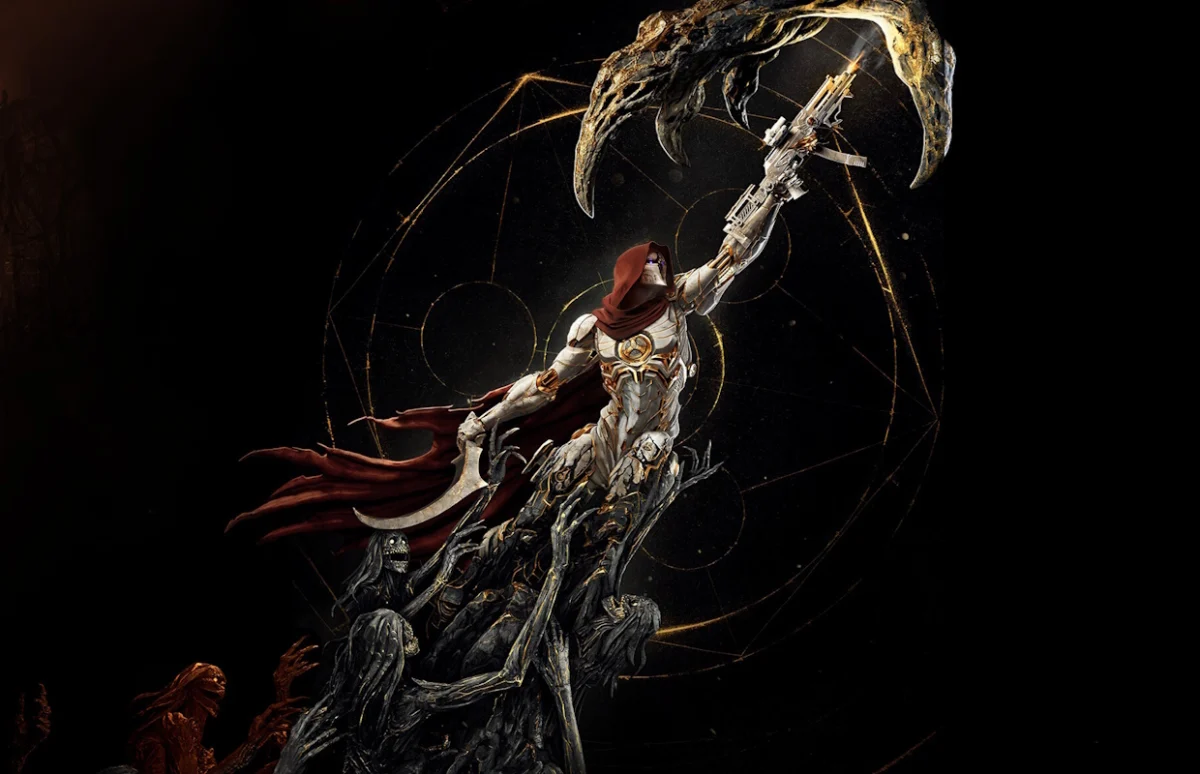
During the vibrant chaos of this year’s Summer Game Fest, the Nintendo-branded area of the Play Days campus served as a surprising hub for high-octane action. While attendees were treated to a diverse showcase of third-party titles—including Trine 6, My Time at Evenshine, and Demi and the Fractured Dream—one title stood out for its visceral, kinetic energy: Armatus. Developed by Counterplay Games, the studio perhaps best known for Godfall, and published by Fictions, Armatus is a bold foray into the roguelike third-person shooter genre, and my time with it on the upcoming Nintendo Switch 2 hardware was an experience that left me hungry for more.
The Core Concept: Demon-Slaying in a Post-Apocalyptic Metropolis
Stepping into the world of Armatus without prior knowledge felt like being dropped into a pressure cooker. The premise is starkly effective: you assume the role of a nameless, non-living warrior tasked with purging a demonic infestation that has consumed Paris. While the demo omitted the intricacies of the narrative, the environmental storytelling was palpable. The city, once a beacon of civilization, now serves as a surreal, shifting battlefield where the rules of reality have clearly been suspended.
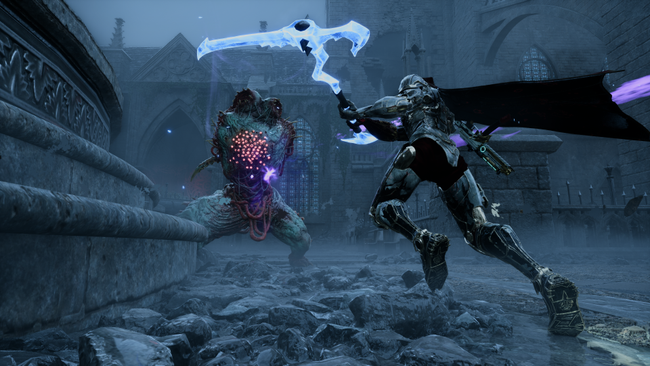
The gameplay loop is centered on high-intensity, "run-and-gun" mechanics. You are equipped with a primary firearm—in my case, a reliable submachine gun—and a mystical scythe. From the moment the action begins, it becomes clear that Armatus does not favor the tactical, cover-based playstyle of traditional military shooters. Instead, it demands constant movement, spatial awareness, and the ability to manage overwhelming odds. You are the predator and the prey simultaneously, dancing through rooms of encroaching threats while managing projectile fire and respawning enemies that fill the screen with relentless pressure.
Chronology of the Demo: A Trial by Fire
My session with Armatus began in a central hub, a sanctuary that serves as the springboard for your incursions into the demon-infested streets of Paris. The transition from the safety of the hub to the chaos of the combat zones is seamless, emphasizing the roguelike nature of the experience.
Early Moments and Combat Mechanics
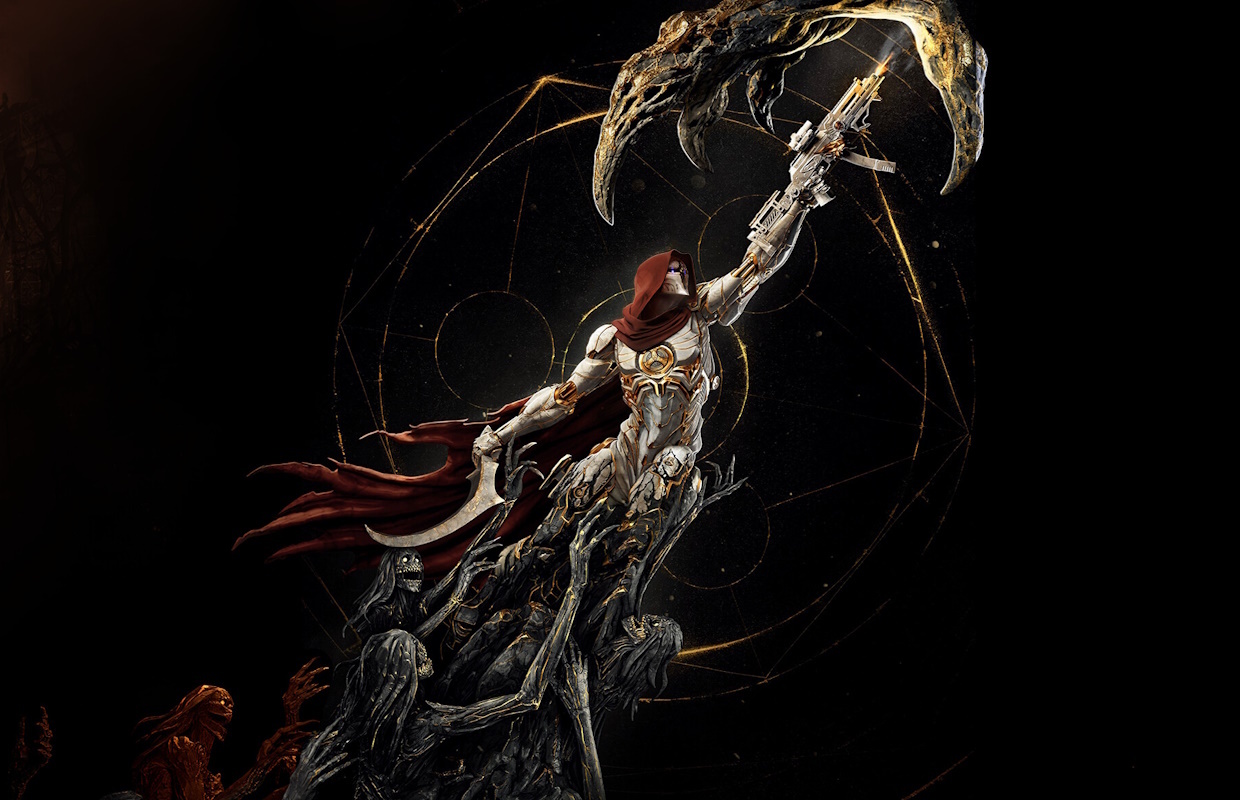
The first few minutes were spent mastering the flow of movement. Armatus rewards aggressive play; standing still is almost synonymous with death. The submachine gun provides a steady stream of suppression, but the true skill expression comes from the integration of the scythe. While the scythe acts as your melee defense, its initial iteration felt best utilized as an "emergency exit" strategy—a way to carve a path through a closing circle of enemies when your ammunition ran low or your reload window was too wide.
The Evolution of the Build
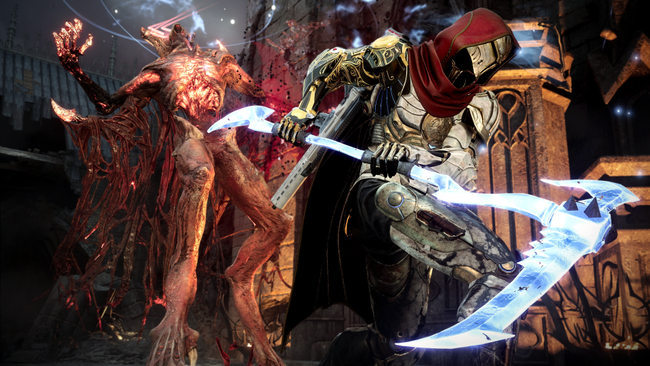
As I progressed through the semi-randomized rooms, the game’s "boon" system began to take shape. Roguelikes live or die by their build-crafting potential, and Armatus appears to understand this well. Midway through my run, I secured a boon that fundamentally altered my melee capability, transforming the basic scythe swing into a fluid three-hit combo. Suddenly, the scythe was no longer just a defensive tool; it became a viable, high-damage weapon that allowed me to hold my ground rather than just kiting away from the fray. This shift in playstyle mid-demo was a highlight, suggesting that the final game will offer a robust degree of customization for different player archetypes.
Navigating the Maze
The structure between combat encounters is reminiscent of modern roguelite standards, allowing players to make informed decisions about their next destination. I frequently had to weigh the need for resources—choosing a "restorative room" to recoup health—against the desire for combat rewards that would strengthen my build. These choices injected a layer of strategy that balanced the frenetic pace of the gunplay.
Supporting Data: Technical Performance on Switch 2
One of the most significant aspects of this preview was the platform: the Nintendo Switch 2. Despite the handheld form factor, the game maintained a level of visual fidelity and fluidity that was frankly impressive.
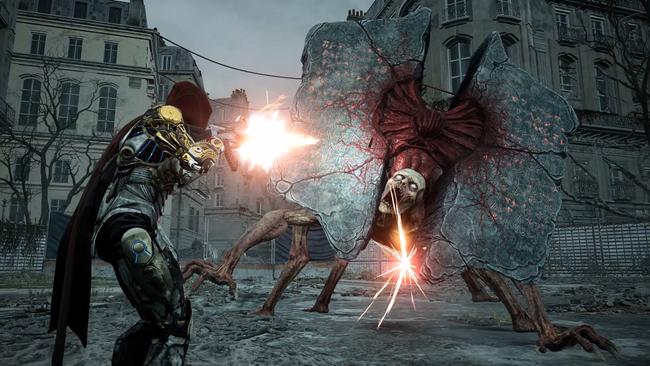
The controls were intuitive, with the Switch 2’s hardware providing the necessary precision for a fast-paced shooter. The transition from handheld play to the game’s complex combat systems felt natural, and the frame rate remained stable even during the most chaotic moments of the demo. While I did not have the opportunity to test the system’s battery life or docked performance, the handheld experience suggests that Counterplay Games is targeting a high standard of parity across platforms.
Official Responses and Developer Intent
While the demo was brief, the representative from Counterplay Games emphasized that the team’s goal is to marry the tight, satisfying combat mechanics they honed in Godfall with the replayability and depth of a roguelike structure. The studio is clearly aiming for a "easy to learn, hard to master" curve.
The developers have kept specific details regarding the narrative arc and the full breadth of the weapon roster close to their chests. However, the mention of other weapons, such as the shotgun, implies that players will eventually be able to tailor their loadouts to suit their specific playstyles. The focus for the studio right now remains on refining the "game feel"—the weight of the weapons, the responsiveness of the dodges, and the visual impact of the demon encounters.
Implications for the Genre
Armatus arrives at a time when the roguelike genre is saturated with quality titles. To succeed, it must distinguish itself not just through combat, but through its long-term progression loop.
The Challenge of the Long-Form Structure
As I noted during the demo, the true test of a roguelike lies in the "meta-game." Will the runs remain fresh after dozens of hours? How does the progression between runs influence the player’s power level, and does it provide a satisfying sense of growth? The short demo period was insufficient to judge the depth of the procedural generation or the long-term variety of the boons, which are the lifeblood of the genre.
A Competitive Market
With a 2026 release date scheduled for PlayStation 5, Xbox Series X|S, Nintendo Switch 2, and PC, Armatus is positioning itself as a cross-generational title. Its success will depend on whether the developers can deliver a "hook" that keeps players returning to the hub world even after the novelty of the initial combat wears off.
Conclusion: A Promising Prelude
My time with Armatus was undoubtedly one of the highlights of the Summer Game Fest Play Days. It captured the frantic excitement of a high-stakes shooter while proving that its core mechanics are built on a solid foundation. The game feels good to play—a phrase that is often understated but represents the highest compliment for an action title.
Whether Armatus becomes a definitive roguelike or merely a fleeting thrill will depend on the strength of its structural depth. Can the team at Counterplay Games ensure that the build theory-crafting remains compelling throughout the entire campaign? Can the procedural generation avoid the pitfall of repetition?
We will have to wait until 2026 to see the full scope of the demonic threat in Paris. However, based on what I’ve seen, the foundation is set. Armatus is a game that demands your attention—not just because of its flashy combat, but because it feels like the start of something potentially special. Keep this one on your radar; if the full release can maintain the pace and the polish of this demo, it could very well be one of the breakout hits of its launch year.

