

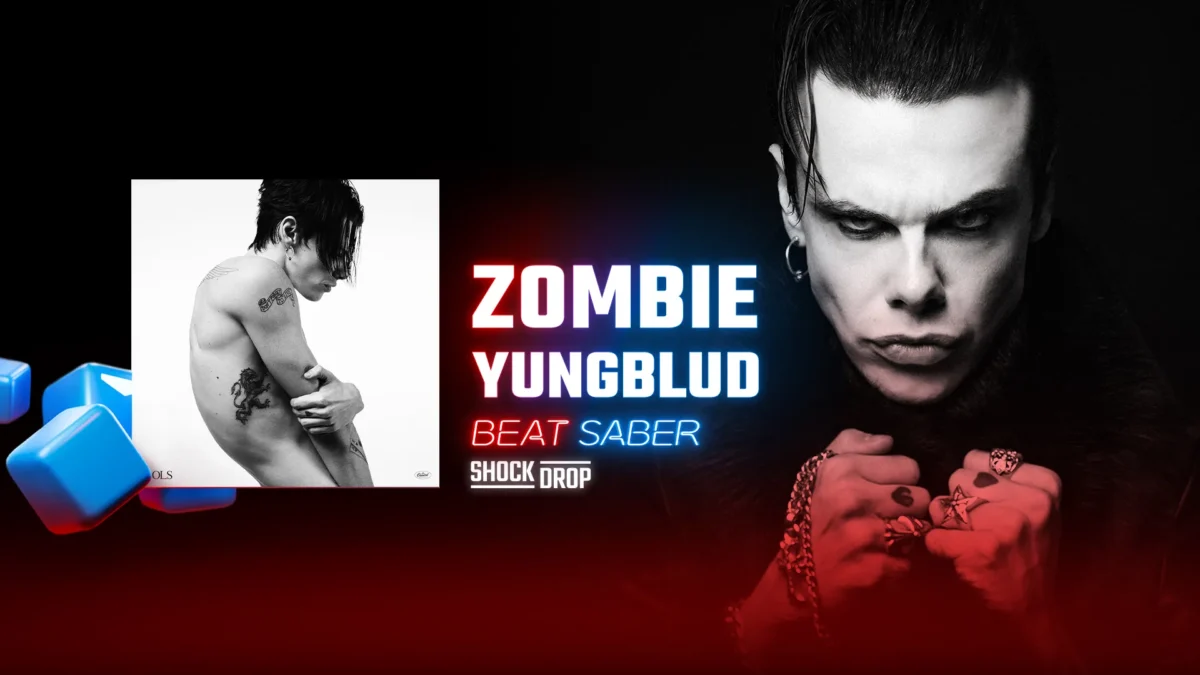
The virtual reality landscape continues to be dominated by the rhythmic pulse of Beat Saber, and today, developer Beat Games has once again disrupted the status quo. In an unannounced "shock drop," the studio has integrated Yungblud’s Grammy-nominated alternative rock hit, "Zombie," into the game’s ever-expanding library. This release marks the latest chapter in Beat Games’ strategy of delivering high-profile, individual track releases alongside their expansive music packs, further solidifying the game’s position as a cultural touchstone in the VR gaming ecosystem.
Main Facts: The Arrival of "Zombie"
The arrival of "Zombie" is more than just a song addition; it is a testament to the game’s ability to curate a diverse sonic landscape. Yungblud, an artist whose catalog has amassed a staggering four billion streams on Spotify, represents a specific, high-energy demographic that fits perfectly with the fast-paced, visceral nature of Beat Saber’s gameplay.
"Zombie," originally released in 2025, represents a stylistic pivot for the artist. While Yungblud is widely recognized for his high-octane punk rock anthems, this track leans into a more melodic, alternative soundscape that challenges players with intricate mapping patterns. By tasking their in-house developers with the meticulous task of mapping the track, Beat Games ensures that the choreography of the blocks—or "notes"—aligns perfectly with the emotional ebb and flow of the music. The track is currently available for purchase across all major platforms—Meta Quest and Steam—priced at $1.99.
Chronology: A History of Constant Momentum
To understand the significance of this release, one must look at the recent cadence of content updates provided by Beat Games. The studio has mastered the art of the "shock drop," a tactic that keeps the community in a state of perpetual anticipation.
The Recent Surge of Content
- The Eight-Year Anniversary (Late Last Month): Celebrating nearly a decade of dominance, Beat Games released three original free tracks. This served as a "thank you" to the community, reinforcing the studio’s commitment to its legacy players.
- The "Shock Drop" Precedents: Before the arrival of "Zombie," Beat Games successfully leveraged individual tracks from industry titans like Bad Bunny and Twenty One Pilots. By selecting songs with broad international appeal, the developers have successfully expanded the game’s demographic reach beyond the traditional gaming core.
- Evolution of Strategy: Historically, Beat Saber relied on bundled music packs. However, the shift toward individual "shock drops" suggests a more agile content strategy. This allows the studio to react to current music trends in real-time, effectively turning Beat Saber into a living, breathing music platform rather than a static game.
Supporting Data: Why "Zombie" Matters
The decision to include an artist like Yungblud is supported by significant market data. In the current streaming economy, the crossover between rhythm gaming and mainstream music discovery is at an all-time high.
The Streaming Powerhouse
Yungblud’s four billion Spotify streams represent a massive, engaged audience. When a song is featured in Beat Saber, it creates a "second life" for the track. Players do not merely listen to the song; they internalize the rhythm through physical motion. This deepens the psychological connection between the user and the artist, often leading to a measurable spike in streaming numbers for the featured track following its release in-game.
Platform Performance Metrics
Despite the headlines regarding the cessation of official development support for the PlayStation VR2 (PS VR2) announced by Meta last year, the game continues to defy logic. Beat Saber remains a permanent fixture in Sony’s top ten list of most downloaded PS VR2 titles every month. This data suggests that the game’s longevity is driven by the strength of its core loop rather than the frequency of hardware-specific patches. The game is currently available on:
- Meta Quest: The primary ecosystem for the title.
- Steam: Catering to the high-end PC VR enthusiast.
- PlayStation VR2: Maintaining a robust, albeit legacy-supported, player base.
- Horizon+: The inclusion in the Horizon+ games catalog earlier this year has further democratized access, introducing the game to a wider subscriber base.
Official Responses and Strategic Implications
The transition of Beat Saber into a "live service" model is a calculated move by Meta and Beat Games. By consistently adding content, they ensure that the "churn rate"—the speed at which players stop playing a game—is kept to a minimum.
The "End of Support" Paradox
One of the most interesting aspects of the current news cycle is the juxtaposition of the "End of Support" for PS VR2 and the game’s continued commercial success on that very platform. When Meta announced they would no longer be providing dedicated updates for the Sony hardware, many industry analysts predicted a decline in engagement. However, the numbers tell a different story.
This implies that the community value of Beat Saber has become self-sustaining. The developers have created a toolset and a library that is "feature complete." The ongoing releases of tracks like "Zombie" act as a content bridge, keeping existing players engaged without requiring deep structural changes to the game engine.
The Impact on the VR Ecosystem
The broader implication is that Beat Saber is no longer just a "game" in the traditional sense; it is a digital venue. By bringing in international stars and alternative rock icons, Meta is positioning the Quest ecosystem as a lifestyle brand. The integration into the Horizon+ games catalog is perhaps the most significant indicator of this shift. By treating Beat Saber as a service-based asset, Meta ensures that the Quest headset remains a "must-have" device for music lovers, not just gamers.
The Path Forward: What’s Next for Beat Saber?
As we look at the remainder of the year, the trajectory of Beat Saber seems clear. The studio will likely continue to balance major, high-budget music packs with these smaller, tactical shock drops.
Mapping and Creative Direction
The success of the "Zombie" drop hinges on the quality of the mapping. As the game matures, the community’s expectations for map quality have increased. Players no longer want just a series of blocks to hit; they want an experience that mimics the nuance of the music. The fact that Beat Games handles this internally, rather than outsourcing, is a strategic choice that preserves the "gold standard" of the Beat Saber feel.
The Cultural Impact
The collaboration with artists like Yungblud also bridges the gap between the virtual and physical worlds. In an era where digital presence is as important as physical performance, having one’s music "mapped" for Beat Saber is becoming a legitimate form of digital certification for artists. It implies that the song is "rhythmically sound" and possesses the energy required to sustain a player’s attention for three to four minutes of intense physical activity.
Conclusion
The release of Yungblud’s "Zombie" is a masterclass in modern game content management. It is a low-friction, high-impact update that caters to a massive audience while reinforcing the game’s core value proposition: the seamless synthesis of music and movement.
While the hardware wars and platform support cycles continue to churn, Beat Saber remains the immovable object of the VR world. Whether through the inclusion of global superstars, the strategic use of subscription services like Horizon+, or the simple, addictive thrill of a perfectly mapped track, the game continues to find ways to stay relevant. As players strap on their headsets and step into the arena to take on "Zombie," they are participating in a larger cultural shift—one where music is not just something you hear, but something you inhabit.
For those who have yet to jump into the rhythm, the current state of Beat Saber is perhaps its most inviting. With a decade of history behind it, a constant stream of new, high-quality music, and a player base that spans every major VR platform, the game is not merely surviving; it is setting the standard for what a digital rhythm experience can be in the 21st century. As the beat drops on "Zombie," it is clear that the rhythm of Beat Saber is far from fading away—it is only just getting louder.

