

In the ever-evolving landscape of narrative-driven simulation games, success often leaves a blueprint. When Dispatch launched in 2025, it didn’t just top the charts; it created a cultural phenomenon. With over three million copies sold, the title captured the imagination of gamers who found themselves obsessed with managing, equipping, and—more controversially—romancing their way through a superhero squad. However, as the fervor surrounding Dispatch began to settle, a new contender emerged from the shadows of the medieval era: Sovereign Tower.
While Sovereign Tower trades spandex and skyscrapers for chainmail and castle walls, its DNA is undeniably linked to the management revolution sparked by its predecessor. For developers and players alike, the emergence of Sovereign Tower represents more than just a genre clone; it is a case study in how modern game design iterates on proven success, refining the "management sim" formula into a more focused, medieval experience.
The Core Concept: Managing the Realm
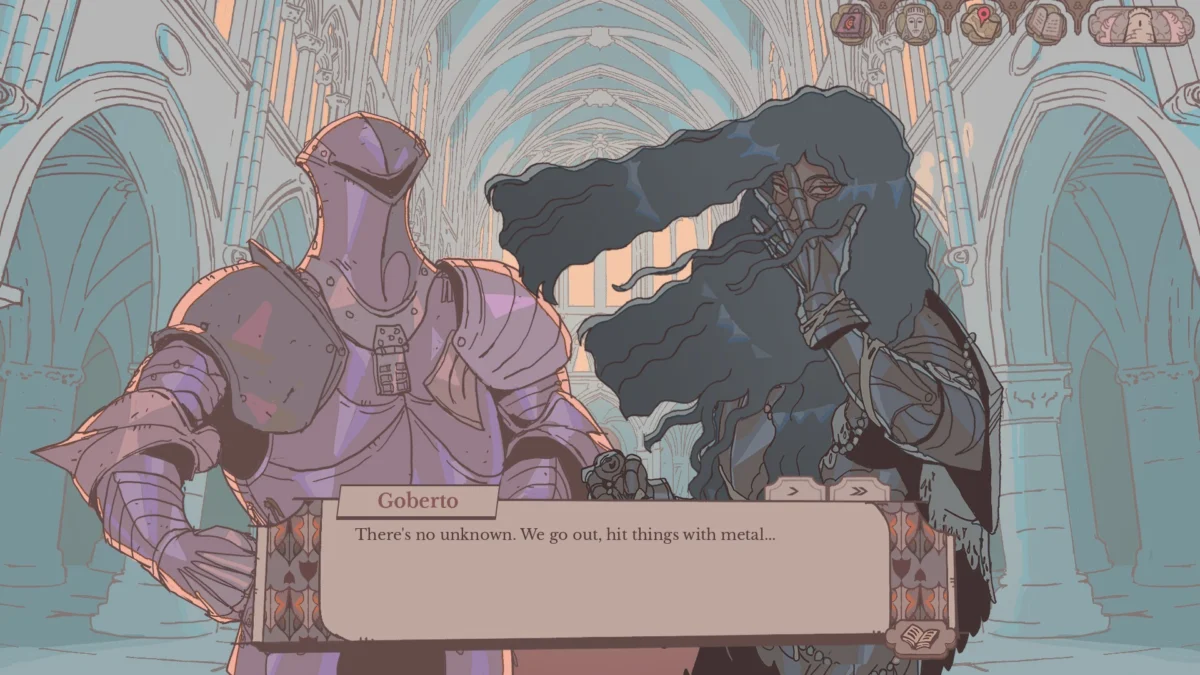
At its heart, Sovereign Tower functions as a narrative management RPG. Players step into the boots of a newly appointed sovereign, tasked with overseeing the prosperity of a kingdom. Unlike typical strategy games that focus on large-scale military conquest, Sovereign Tower narrows the scope to the personal: you manage a roster of loyal knights, overseeing their equipment, their mental state, and their developmental progression.
The gameplay loop is deceptively simple yet profoundly addictive. Players send their knights on quests, manage their gear—ranging from enchanted weaponry to bizarre items like pungent cheeses—and navigate the social dynamics of the court. As these knights complete missions, they gain experience, allowing them to specialize in various tasks. This progression system creates a tangible sense of growth, transforming a green recruit into a legendary defender of the realm.

A Chronology of Inspiration
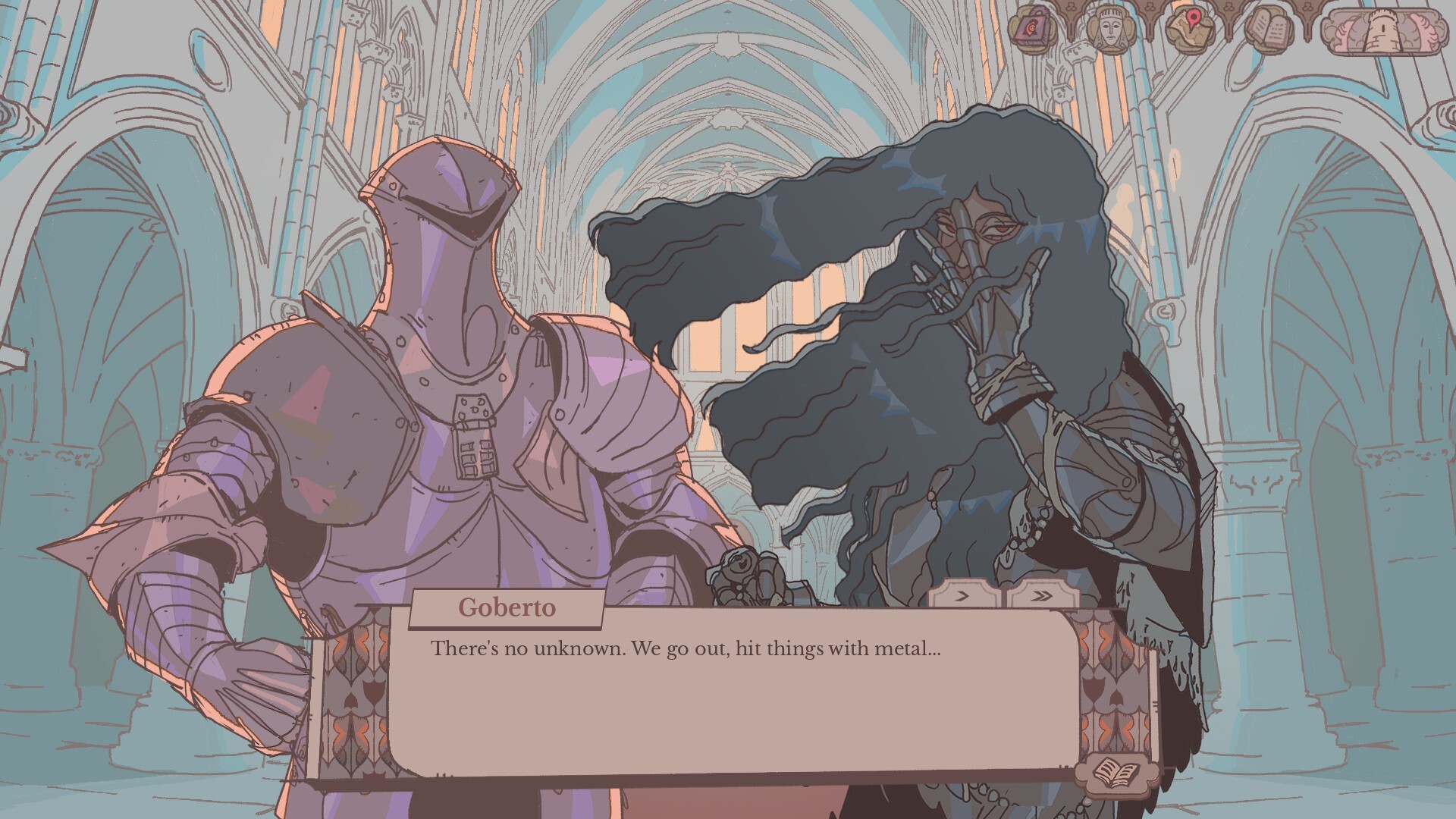
The relationship between Dispatch and Sovereign Tower is one of serendipity and strategic evolution. When Antoine Tabouret-Loudeac (also known as "Gobert"), the creative and art director of Sovereign Tower, first conceptualized the game, he felt he was entering a void. At the time, there were no direct comparables on the market.
"Before Dispatch, when I made the concept for the game, there was nothing like it at all," Tabouret-Loudeac recalls. The development of Sovereign Tower was already underway when the first trailer for Dispatch hit the internet. The initial internal reaction at Wild Wits Games was skepticism. Tabouret-Loudeac shared the trailer with co-founder and director Courto Laly, suggesting they look at it for inspiration. Laly, initially dismissive, argued that the games were fundamentally different.
As time passed and Dispatch became a global success, the truth became clear: the two games shared a fundamental "skeleton." The success of Dispatch provided the team at Sovereign Tower with a unique opportunity to observe, analyze, and pivot.
Supporting Data: Why the "Dispatch" Model Works
The market data surrounding Dispatch was staggering. Reports indicated that only five percent of players managed to complete the game without engaging in the romantic subplots, highlighting the deep emotional investment players felt toward their squads. This data point became a north star for developers looking to understand what kept players engaged for dozens of hours.

For Sovereign Tower, this presented a validation of the genre. If players were willing to invest in the interpersonal relationships of superheroes, they would likely be willing to do the same for medieval knights. However, the developers also used this data to identify pitfalls.
One of the most significant changes influenced by the Dispatch experience was the complexity of character traits. Early builds of Sovereign Tower featured exhaustive, sprawling lists of traits for each knight. By observing how players interacted with Dispatch’s systems, the team realized that "more" was not always "better." They whittled down the trait lists, making them more impactful and easier for the player to memorize. This streamlined design choice ensured that the user interface didn’t become a barrier to the narrative experience.
Official Perspectives: The Value of "Mechanical Mirroring"
The development process for Sovereign Tower was heavily influenced by "mechanical mirroring"—the act of observing a successful system and deciding whether to emulate or differentiate.
"There were a few mechanics that we wish we had, and obviously we couldn’t add any more," Tabouret-Loudeac explains. "Then there were some of the mechanics that we were hesitating on that we had planned, and when we saw it done on Dispatch, we were like, ‘we need to have it, we cannot cut this mechanic because it’s working too well.’"
This collaborative spirit, albeit indirect, allowed the developers to avoid "reinventing the wheel." By looking at where Dispatch succeeded, the Sovereign Tower team was able to confidently double down on their own core systems, such as the level-up mechanics and quest management, knowing they had been market-tested by millions of players.
The Implications for the Management Genre
The emergence of Sovereign Tower signals a maturing market for narrative-driven management sims. In the past, this genre was often confined to either high-intensity strategy or low-stakes tycoon games. The success of these two titles suggests a third path: the "Human Resource RPG."
1. Market Accessibility
One of the greatest benefits of the Dispatch phenomenon is the "marketing shorthand" it provides. For developers, it is now significantly easier to explain a complex management game to a general audience. If you can describe your game as "a medieval fantasy Dispatch," you have already communicated the game’s tone, pacing, and core loop to the player.
2. The Benefit of Time
The timing of Sovereign Tower’s release is fortuitous. Had it arrived on the heels of Dispatch, it might have been dismissed as a "me-too" product. However, with a healthy gap between the two, Sovereign Tower is positioned as a natural successor—a game that takes the lessons learned from a giant and applies them to a new, atmospheric setting.
3. A Sustainable Ecosystem
Perhaps the most optimistic implication is the idea that developers are actively rooting for each other. Tabouret-Loudeac’s closing sentiment—that he is happy Dispatch exists and hopes its creators play his game—speaks to a healthy, creative ecosystem. When one game proves a genre is viable, it creates a rising tide that lifts all boats.
Conclusion: The Future of the Sovereign
As Sovereign Tower moves toward its full release, it stands as a testament to the power of iteration. It is a game built not just on code and art assets, but on the accumulated wisdom of the genre’s pioneers. While Dispatch will likely remain the high-water mark for the superhero management sub-genre, Sovereign Tower is poised to become the definitive experience for those who prefer their strategic challenges with a side of medieval intrigue.
The "bossiness and flirting" that made Dispatch a household name have been successfully translated into a new, darker, and more regal context. For fans of the genre, the future is bright—and it seems the era of the narrative management sim is only just beginning. Whether you are managing capes or capes of mail, the thrill of the command remains the same.

