

The creator economy is no longer a peripheral industry; it is the engine room of modern entertainment, venture capital, and brand strategy. As we navigate the midpoint of 2026, the lines between traditional Hollywood prestige, high-stakes finance, and grassroots digital content continue to blur. This week’s dispatch captures a landscape in transition: horror fans are taking their fandom to the physical stage, high-profile venture funds are scaling to unprecedented heights, and the very definition of "career education" is being challenged by the internet’s most prominent streaming personalities.
The Main Event: Horror Goes Live and the Future of Niche Fandom
Dead Meat Takes the Stage
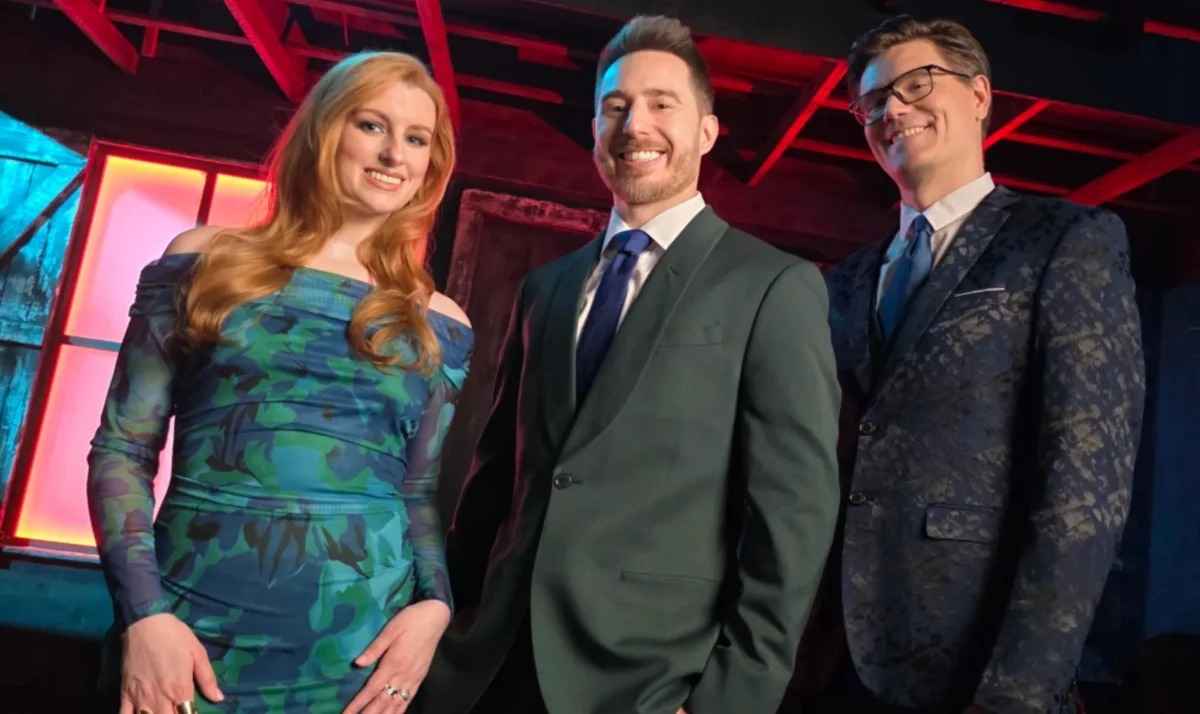
For years, the Dead Meat channel, spearheaded by James A. Janisse and Chelsea Rebecca, has served as a critical touchstone for the horror community. By institutionalizing the analysis and appreciation of indie horror, they have cultivated a loyal, highly engaged audience. In a significant shift for the brand, the annual Dead Meat Horror Awards are transitioning from a digital-first production to a premium, ticketed, IRL (in-real-life) experience.
Scheduled for July 18, 2026, at the Pacific Electric venue in Los Angeles, this pivot represents more than just a change in location; it signifies the maturation of creator-led award shows. With the current box-office dominance of creators-turned-filmmakers like Kane Parsons and Curry Barker, the timing is impeccable. By moving to a live format, Dead Meat is capitalizing on the "eventization" of niche content, proving that creator brands can command physical spaces just as effectively as traditional media conglomerates.
Chronology of Key Industry Moves
The past week has seen a rapid fire of announcements that suggest a deepening integration between digital creators and institutional power:
- June 18: The Anti Fund, co-managed by Jake Paul and Geoffrey Woo, announced the closing of its $100 million Growth I fund, pushing the firm’s total assets under management (AUM) past $180 million.
- June 18: Media reports highlight the emergence of the "TikTok Farlands," a surrealist, experimental content subculture that is challenging traditional algorithmic feeds.
- June 25: Justin Bieber releases his controversial, audience-confrontational Coachella set on YouTube, bridging the gap between stadium pop music and meta-creator performance art.
- Late June: Syndicate, a veteran gaming creator, reveals a staggering 3,000 copyright claims against his back catalog following a rights dispute over a legacy outro song.
- Early July: Moonbug officially publishes its "Learning Principles," setting a new standard for transparency in children’s educational media.
Supporting Data: Capitalizing on the Creator Class
The Anti Fund’s $100 Million Milestone
The success of Jake Paul’s Anti Fund is perhaps the most striking indicator of how creators are shifting from mere "brand partners" to institutional investors. By securing an oversubscribed $100 million round, the fund has signaled to the venture capital world that creators possess a unique "signal" for identifying untapped market potential. With portfolio companies ranging from AI powerhouse OpenAI to space exploration giant SpaceX, the Anti Fund is clearly positioning itself as an agile, founder-friendly alternative to traditional Sand Hill Road firms. As Paul stated, the firm’s mission is to bypass the "just another fund" status by leveraging the agility and deep market intuition that only active creators possess.
Copyright Complexity for Digital OGs
The plight of Syndicate serves as a cautionary tale for the creator class. With 3,000 videos flagged due to a rights sale regarding an outro track, the incident highlights the fragility of digital legacy. In an era where intellectual property (IP) is the primary currency of the creator economy, the lack of ironclad rights management can threaten years of hard-won progress. It serves as a reminder that for the "OGs" of the YouTube era, technical infrastructure and legal due diligence are just as important as the content itself.
Official Responses and Strategic Shifts
Agency Consolidations: CAA’s Expansion
Creative Artists Agency (CAA) has made a definitive move into the creator space, signing both the social comedy brand Betches and gaming icon Valkyrae (Rachell Hofstetter). These signings are not merely about representation; they are about professionalization.
For Betches, the goal is to leverage their massive social-first footprint to expand into linear television, film, and live events. For Valkyrae, the transition represents a deliberate move from streamer to multifaceted entrepreneur. Her partnership with CAA is designed to scale her reach into branded entertainment, podcasting, and executive production. These moves suggest that the top tier of the creator economy is now prioritizing long-term IP development over short-term sponsorship cycles.
Education and Transparency in Kids’ Content
Moonbug, the force behind global hits like CoComelon, is taking a proactive stance on the ethics of children’s programming. By partnering with UCLA and publishing their specific "Learning Principles," they are attempting to address the growing parental concern regarding screen time and content quality. This is a strategic move to insulate the brand from the "brain rot" criticism that often plagues algorithmic children’s content, opting instead to provide a framework that parents can use to validate their children’s viewing habits.
Implications: The Intersection of AI and Audience Strategy
The AI Ad Frontier
The collaboration between Netflix and Omnicom to bring AI-generated advertising to the platform’s ad-supported tier is a bellwether for the future of digital marketing. While some viewers may view "AI slop" with skepticism, the potential for personalized, high-frequency, and relevant advertising is immense. If AI can successfully break the cycle of repetitive, low-engagement legacy ads (like the ubiquitous insurance commercials), the industry may find that subscribers are more amenable to AI-assisted content than initially feared.
UTA and the Data Revolution
United Talent Agency (UTA) is likewise doubling down on the "intelligence" side of the business. Its pact with Coactive AI promises to deliver granular audience insights to its client roster. In a world where creator success is dictated by performance metrics, having access to advanced AI-powered analytics will allow creators to pivot their strategies in real-time. This shift toward data-driven creativity means that the "gut feeling" approach to content creation is being augmented—or replaced—by hard, actionable intelligence.
The Internet is a Strange Place: Cultural Anomalies
Beyond the boardroom, the internet continues to produce anomalies that defy traditional classification:
- The TikTok Farlands: As the platform’s algorithmic curation becomes more sophisticated, a "wilderness" has emerged beyond the FYP (For You Page). These "Farlands" represent a return to the chaotic, unpolished energy of the early YouTube Poop era, suggesting that users are increasingly craving content that feels "un-optimized" and human-made.
- The "Name 100 Women" Challenge: What began as a Billy Eichner bit has evolved into a competitive speedrun. This phenomenon highlights how social media gamifies pop culture, turning a simple comedic interaction into a measurable, leaderboard-based sport. It underscores a fundamental truth about the creator economy: if it can be measured, the community will find a way to compete at it.
- The "Streamer University" Debate: The assertion by streamer Snowcone that Kai Cenat’s "Streamer University" holds more career value than an Ivy League education is, predictably, hyperbolic. However, it reflects a seismic shift in youth perception. For the digital-native generation, the "curriculum" of community building, live-streaming, and brand management is increasingly viewed as a more direct path to prosperity than the traditional academic route.
Conclusion: A Maturing Ecosystem
As we move through 2026, the creator industry is shedding its "Wild West" reputation in favor of a more structured, institutionalized model. From $100 million investment funds to sophisticated AI-driven audience analytics and the formalization of horror-genre awards, the creators are no longer just participating in the media landscape—they are defining it. Whether through the professionalization of agency representation or the transparency of children’s media, the industry is proving that it has the capacity for growth, self-regulation, and sustained cultural impact. The next phase of the creator economy will not be defined by who can get the most views, but by who can build the most durable, scalable, and meaningful institutions.

