

The gaming industry is currently gripped by the "Steam Machine" phenomenon—a high-stakes retail experiment by Valve that has turned the simple act of purchasing hardware into a digital game of chance. As the first wave of reservation notifications floods inboxes globally, the tech community finds itself divided between those celebrating their "golden ticket" and those left staring at empty dashboards.
Valve’s decision to move away from traditional, first-come, first-served e-commerce models is a calculated response to the persistent, parasitic problem of hardware scalping. By implementing a randomized lottery, the company is attempting to democratize access to its latest hardware, though as the early results show, the system is far from immune to the market’s darker impulses.
The Mechanics of the Lottery: How Valve Hopes to Level the Field
For decades, the release of high-demand gaming hardware—from the original PlayStation 5 launch to the latest iterations of portable gaming PCs—has been defined by "bot wars." When a product goes live, automated scripts snap up inventory in milliseconds, leaving legitimate consumers in the cold and driving secondary market prices to astronomical heights.
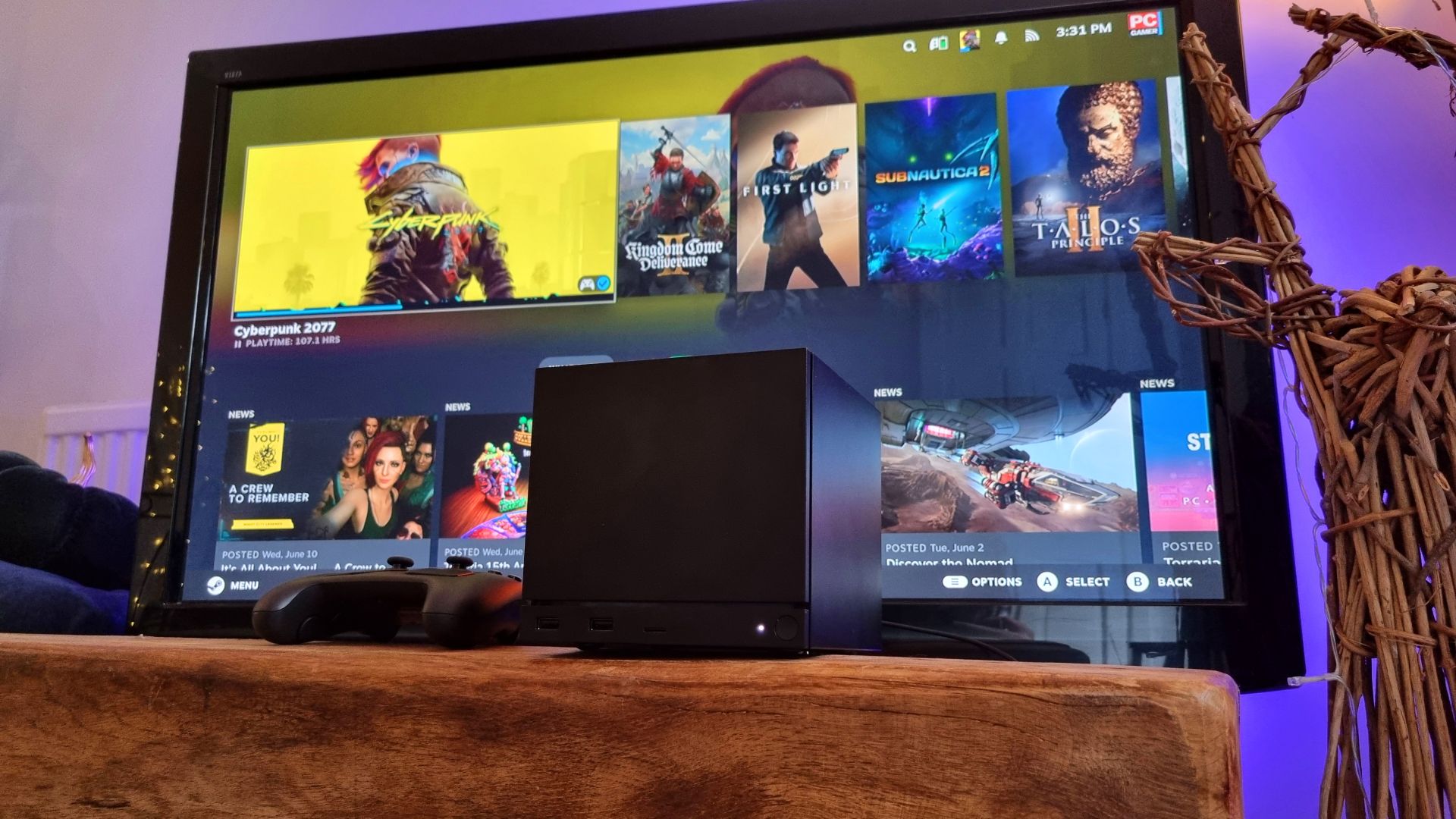
Valve, having observed these systemic failures, opted for a closed-loop, randomized queue system for the Steam Machine. Instead of a high-stress "refresh" marathon, users were invited to join a reservation list. From this pool, Valve’s servers perform a randomized selection process, notifying potential buyers as stock becomes available.
The "Three-Day" Window
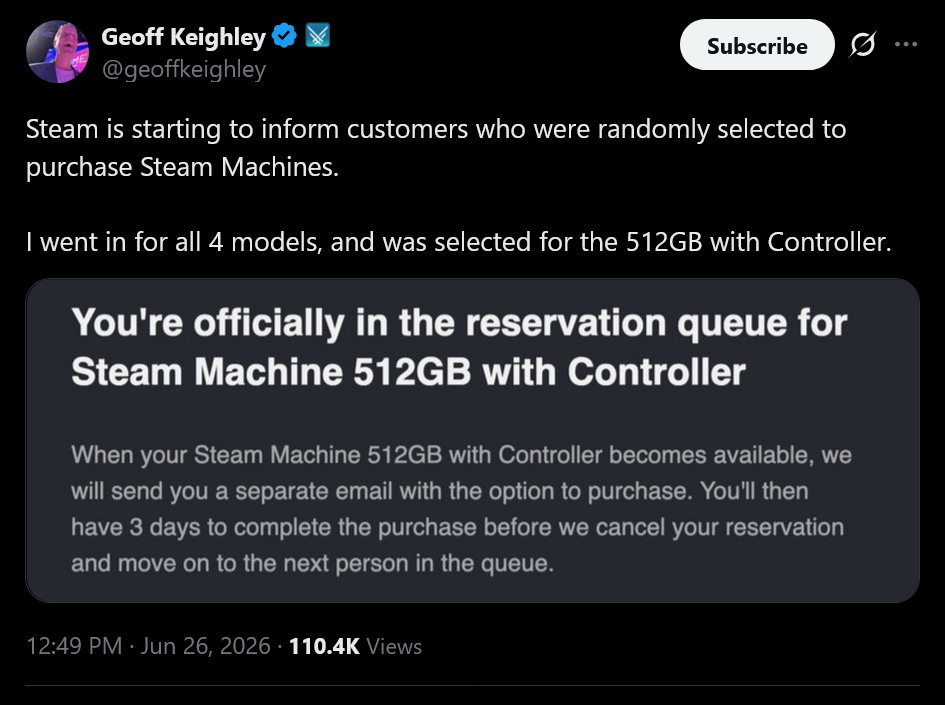
The selection process is not a permanent reservation but a time-sensitive opportunity. Once a user is selected, they have a strict 72-hour window to complete their purchase. If the transaction is not finalized, the reservation expires, and the unit is released back into the pool for the next person in line. This "use it or lose it" approach is designed to prevent "camping" and ensure that units actually reach the hands of gamers who intend to use them, rather than resellers looking to hoard stock.
A Chronology of the Rollout
The rollout has been characterized by a mix of anticipation and digital anxiety. The timeline of this release offers a fascinating look at how modern hardware distribution is evolving:
- The Announcement Phase: Valve confirmed that the Steam Machine would not be sold via standard retail channels initially, citing the need to manage supply chain logistics and prevent bot interference.
- The Reservation Window: Prospective buyers signed up, with many—like industry figures such as Geoff Keighley—opting to enter the lottery for multiple models simultaneously to increase their odds.
- The Notification Wave: As of late June 2026, the first wave of emails was dispatched. The social media reaction was immediate, with users sharing their "Success" or "Still Pending" statuses across platforms like X (formerly Twitter) and Bluesky.
- The Secondary Market Emergence: Within hours of the first notifications, the inevitable occurred: scalpers began listing "preorder rights" and confirmed reservations on platforms like eBay, asking for prices that far exceed the manufacturer’s suggested retail price (MSRP).
Supporting Data: Costs, Cards, and Connectivity
The appeal of the Steam Machine goes beyond the hardware itself; it’s an ecosystem play. Beyond the physical unit, Valve has sweetened the deal with integrated perks that have energized the community.
The Summer Sale Incentive
One of the most discussed aspects of the launch is the inclusion of "Steam Summer Sale Trading Cards." Prominent deals aggregator Wario64 noted that purchasing a Steam Machine grants the owner at least 105 Summer Sale 2026 Trading Cards. For the uninitiated, these cards hold real-world market value on the Steam Community Market, essentially providing a rebate that offsets a portion of the machine’s cost. This move effectively gamifies the purchase, making the machine a "value-add" proposition rather than just another piece of hardware.
The Pricing Spectrum
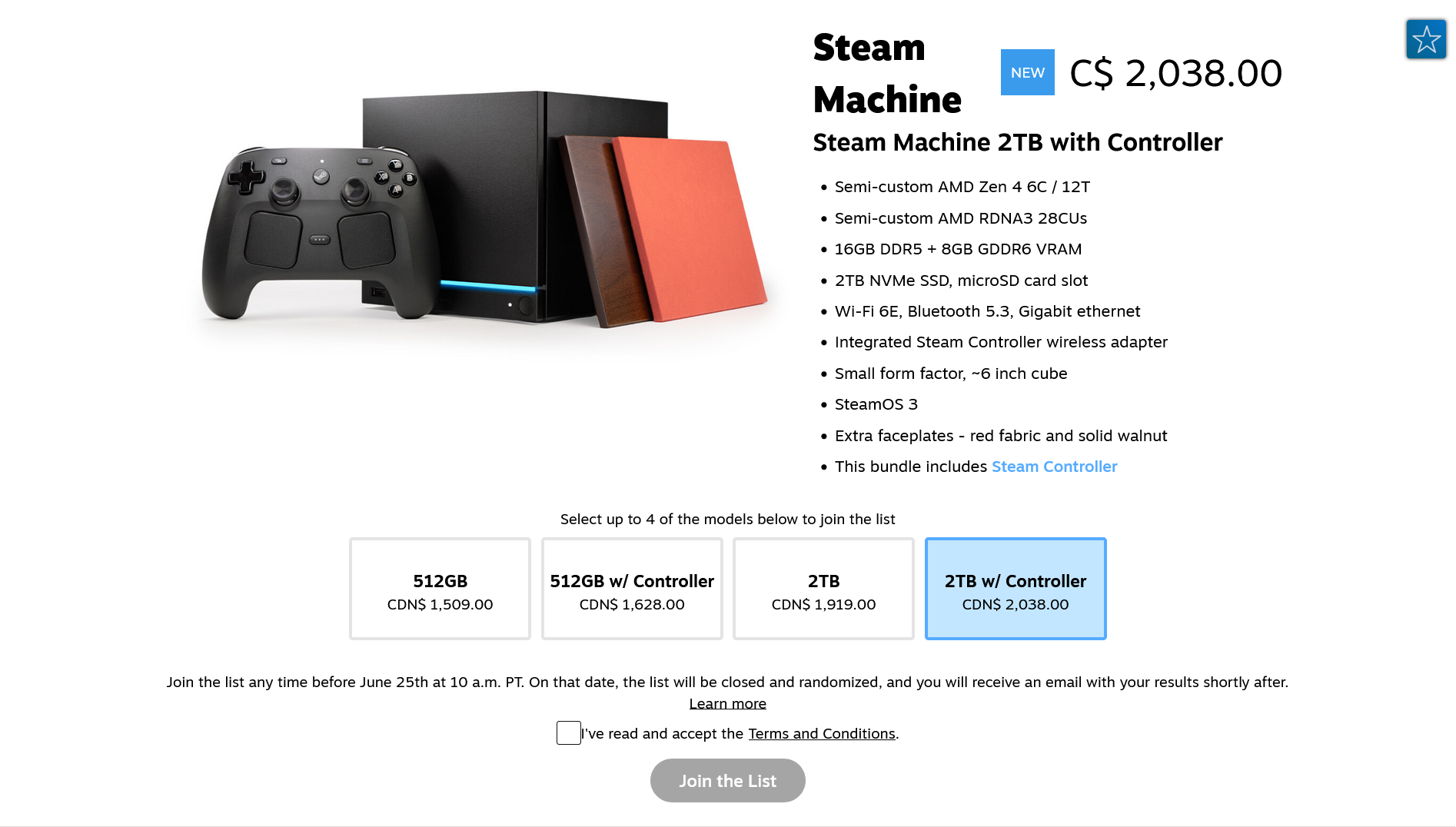
The pricing structure has been designed to cater to various market segments, ranging from entry-level configurations to high-performance units. However, the scarcity—coupled with the lottery system—has created a psychological premium. The 512GB model, in particular, has emerged as the "sweet spot" for many, as it offers a balance of storage capacity and performance that justifies the price point for modern AAA titles.
Official Responses and the "Waitlist" Reality
Valve has remained relatively tight-lipped regarding the total volume of units available, but their official communication to those who were not selected provides a glimmer of hope. In the rejection emails, Valve explicitly states:
"As we work our way through the reservation queue, some customers may cancel their reservations. If that happens, you may be moved into the reservation queue, and you’ll be notified by email that you have a reservation after all."
This indicates that the queue is dynamic. Unlike a standard "sold out" notice, the Steam Machine lottery is a living document. It reflects a shift in hardware retail toward "dynamic inventory management," where the manufacturer maintains a direct relationship with the end-user throughout the entire lifecycle of the product’s release window.
Implications for the Future of Hardware Retail
The Steam Machine launch serves as a bellwether for the future of tech retail. Can a centralized, lottery-based system actually kill the scalper economy?
The Resilience of Scalping
Despite Valve’s best efforts, the secondary market has not been eliminated. Listings on eBay for "guaranteed reservation access" demonstrate that as long as there is high demand and limited supply, the human element of greed remains a constant. While Valve has made it significantly harder for bots to scrape their site, they are currently battling a secondary wave of manual resellers who are leveraging their own, legitimate reservation spots for profit.
The Psychological Impact on the Consumer
The lottery system changes the relationship between the consumer and the brand. It replaces the "I deserve this because I clicked faster" mentality with a "luck of the draw" dynamic. While this reduces the physical stress of the launch day, it introduces a new kind of frustration: the loss of agency. Consumers no longer feel in control of their ability to purchase a product; they are entirely dependent on Valve’s algorithm.
The "Steam Machine" as a Brand Standard
If this rollout is successful—meaning the hardware arrives in the hands of gamers and the software ecosystem remains stable—Valve will likely set a new industry standard. We could see other companies, such as ASUS, MSI, or even console manufacturers, adopting similar lottery-based reservation systems to maintain brand loyalty and prevent the negative PR that accompanies scalper-dominated launches.
Final Thoughts: The Art of Waiting
In an era of instant gratification, the Steam Machine launch reminds us that some of the most desired tech still requires patience. Whether you were one of the lucky ones selected in the first wave or are still refreshing your inbox in the hope of a cancellation-driven opening, the consensus is clear: the hardware is worth the wait.
For those tempted by the inflated prices on the secondary market, the advice from veterans of the industry remains consistent: "You do you, but I’d rather wait." In the world of PC gaming, the software will always be there, and the hardware will eventually saturate the market. Valve has created a system that prioritizes fairness, and while it is not perfect, it is a significant step forward from the chaotic, bot-infested releases of the past. For now, the best strategy is to stay informed, keep an eye on your email, and perhaps, take a break from the monitor—the Steam Machine will come when it’s ready.

