

For years, the intersection of high-performance PC hardware and aesthetic-driven design has been a point of contention among enthusiasts. Historically, gamers seeking top-tier specs often had to settle for aggressive, monochromatic, or industrial-looking peripherals. However, the landscape of PC aesthetics is shifting. Leading the charge in this vibrant, personality-driven design movement is the Asus TUF Gaming x Hatsune Miku collection—a collaboration that has finally brought the world’s most famous Vocaloid to the forefront of the desktop experience.
While these accessories have previously been praised more for their visual charm than their technical specifications, a massive wave of Prime Day discounts has transformed them from "niche collectibles" into essential, budget-friendly upgrades for any anime fan’s workstation.
The Main Facts: A Symphony of Style and Utility
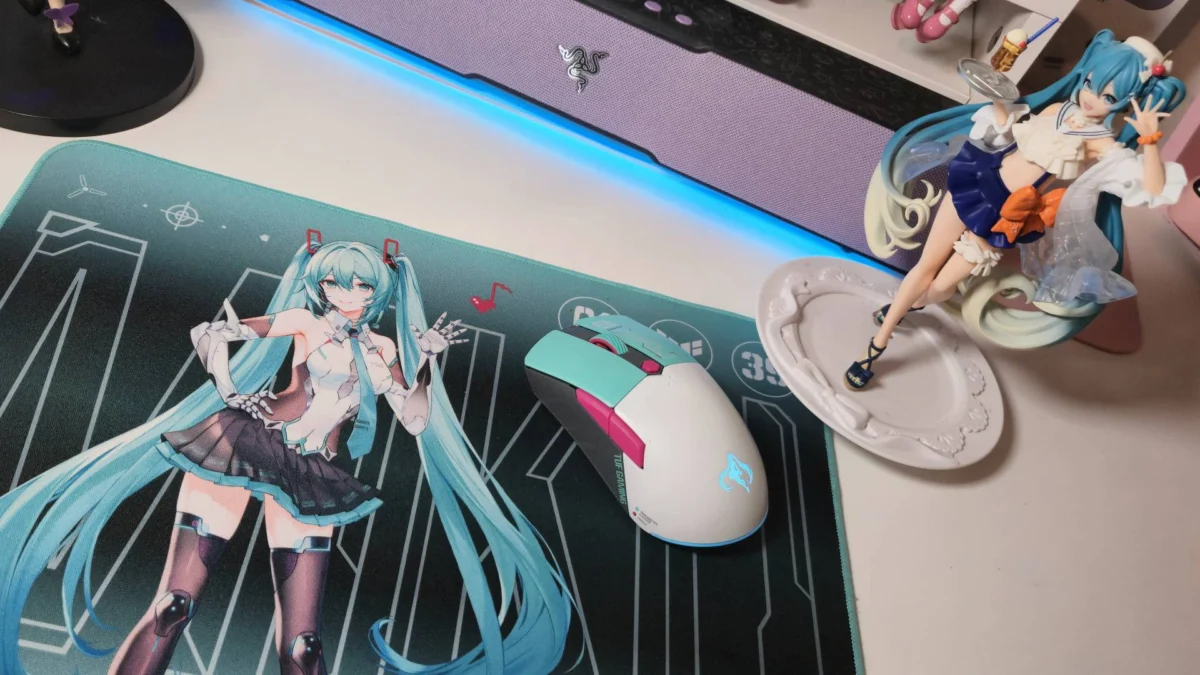
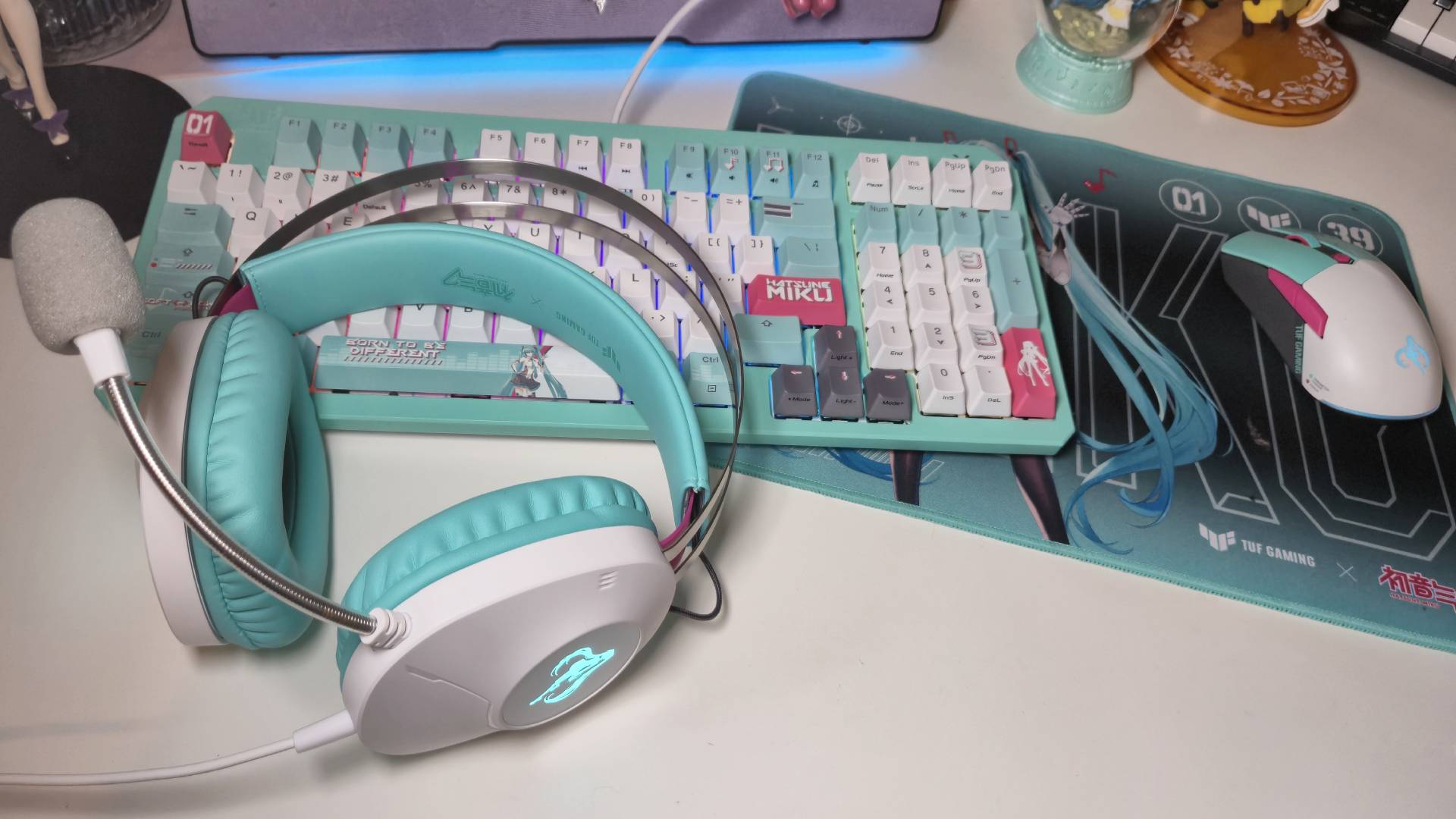
The Asus TUF Gaming x Hatsune Miku collection is a comprehensive suite of hardware designed to turn a standard workstation into a shrine for the teal-haired digital diva. The collection features a distinct turquoise and pink color palette, accented by iconic Miku imagery that permeates every element of the hardware.
The current lineup includes:
- The Wireless Gaming Mouse: A compact, ergonomic peripheral featuring tri-mode connectivity.
- The Mechanical Keyboard: A high-tactile board sporting custom Miku-themed keycaps and chassis art.
- The Wired Gaming Headset: Designed for immersive audio with thematic aesthetic touches.
- The Gaming Mousepad: A large-format surface featuring exclusive, vibrant original artwork.
Previously criticized by some critics for a price-to-performance ratio that favored branding over high-end sensor technology, the current Prime Day pricing—starting at just $24.99—has effectively neutralized those concerns. For enthusiasts, this price point makes the collection a "must-buy" for the aesthetic appeal alone.
Chronology: From Digital Diva to Hardware Staple
The journey of the Hatsune Miku brand from a Yamaha vocal synthesis software to a global cultural phenomenon has been nothing short of meteoric. However, the collaboration with Asus’s "The Ultimate Force" (TUF) line marked a significant turning point in the manufacturer’s strategy.
- Initial Announcement: Asus unveiled the collection to bridge the gap between their durable, entry-to-mid-level gaming hardware and the massive, passionate Vocaloid fan base.
- Market Reception: Upon release, the line was met with immediate enthusiasm from the anime community, though hardware purists noted that the specifications were squarely aimed at casual-to-mid-range gamers rather than eSports professionals.
- The Price Correction: Following a period of static pricing, the Prime Day sales event has served as a clearing mechanism. By slashing prices, retailers have made the collection accessible to a wider demographic of students and younger fans who were previously priced out of the niche.
- The Current State: Today, the collection stands as a testament to the power of licensing. It remains the most prominent example of "kawaii" (cute) aesthetics successfully infiltrating the typically stoic world of gaming peripherals.
Supporting Data: Performance Beyond the Surface
While the visual appeal is the primary draw, users often overlook the functional utility of the hardware. As someone who uses this exact setup daily for both professional writing and high-intensity gaming, the performance metrics are worth noting.
The Mouse: Battery Life and Connectivity
The standout of the collection is undoubtedly the wireless mouse. Despite its compact footprint, which may feel slightly undersized for individuals with larger hands, it boasts a highly efficient power management system.
- Battery Performance: With a 134-hour battery life, the mouse is a reliable workhorse. In real-world testing, even with daily neglect regarding the power switch, the device comfortably lasts for weeks between charges.
- Tri-Mode Connectivity: The mouse offers Bluetooth, 2.4GHz wireless, and wired modes. This flexibility is a critical feature for users who switch between a laptop, a desktop rig, and even tablets.
- Visual Feedback: The integrated Miku icon functions as a low-battery indicator, flashing to signal a need for power, which removes the guesswork often associated with wireless peripherals.
Durability and Maintenance
The mousepad, often a neglected piece of hardware, serves as a high-quality surface that balances speed and control. Crucially, its surface is remarkably resilient. In high-traffic office environments where coffee spills and debris are common, the material remains easy to wipe down. Unlike standard fabric pads that fray or lose their color saturation, the Miku collection’s art remains vibrant even after extensive use.
Official Responses and Industry Context
Asus has remained relatively quiet regarding future iterations of the Miku line, but the success of the collection suggests that consumer interest in "custom-aesthetic" hardware is at an all-time high. Industry analysts point to this collaboration as a blueprint for future brand partnerships.
By taking an established brand—TUF Gaming—and applying a "skin" that feels authentic rather than corporate, Asus successfully captured a market segment that values identity as much as frame rates. The consensus among the tech community is that this collection proves that hardware doesn’t have to be "gamer black" to be functional.
Implications: Why This Matters for the Future of PC Gaming
The success of this collaboration has broader implications for the gaming hardware industry.
1. The Death of the "One-Size-Fits-All" Aesthetic
For years, manufacturers assumed that every gamer wanted the same aggressive, angular, RGB-heavy design. The Hatsune Miku collection proves that there is a massive appetite for hardware that reflects personal identity, comfort, and "cozy" vibes. This "Cozy Gaming" movement is likely to influence upcoming product lines from major manufacturers.
2. The Normalization of Fan-Driven Design
The attention to detail—such as custom keycaps and specialized artwork—signals a shift toward fan-first development. When fans feel that a product was designed by people who actually understand the source material (in this case, the legacy of Vocaloid), they are more inclined to invest.
3. Price-Accessibility as a Gateway
By bringing these products to a lower price point, Asus is effectively onboarding new users into their ecosystem. A student who buys a $25 mouse today is significantly more likely to consider a more expensive Asus ROG or TUF laptop or motherboard in the future.
Final Verdict: Is It Worth the Hype?
If you are a fan of Vocaloid, or simply someone looking to brighten up a dreary home office, the Asus TUF Gaming x Hatsune Miku collection is an absolute steal at current Prime Day prices.
While it may not satisfy the "specs-at-all-costs" crowd, it succeeds in providing a high-quality, durable, and deeply charming user experience. The mouse is reliable, the mousepad is durable, and the entire set creates a cohesive, joyful atmosphere that can make even the most tedious spreadsheet work feel a little more magical.
Recommendations for potential buyers:
- Act fast: Prime Day deals are notoriously transient, and stock on licensed collaborations often vanishes the moment the sale ends.
- Check compatibility: Ensure your desk space allows for the footprint of the full collection to maximize the aesthetic impact.
- Pairing: If you are using this for gaming, consider pairing it with Hatsune Miku: Project DIVA Mega Mix+ to fully embrace the thematic consistency of your new setup.
In conclusion, the Asus TUF Gaming x Hatsune Miku collection is more than just a peripheral set; it is a statement that your desk space should be a reflection of your passions. At these reduced prices, there has never been a better time to let Miku take the wheel.

