

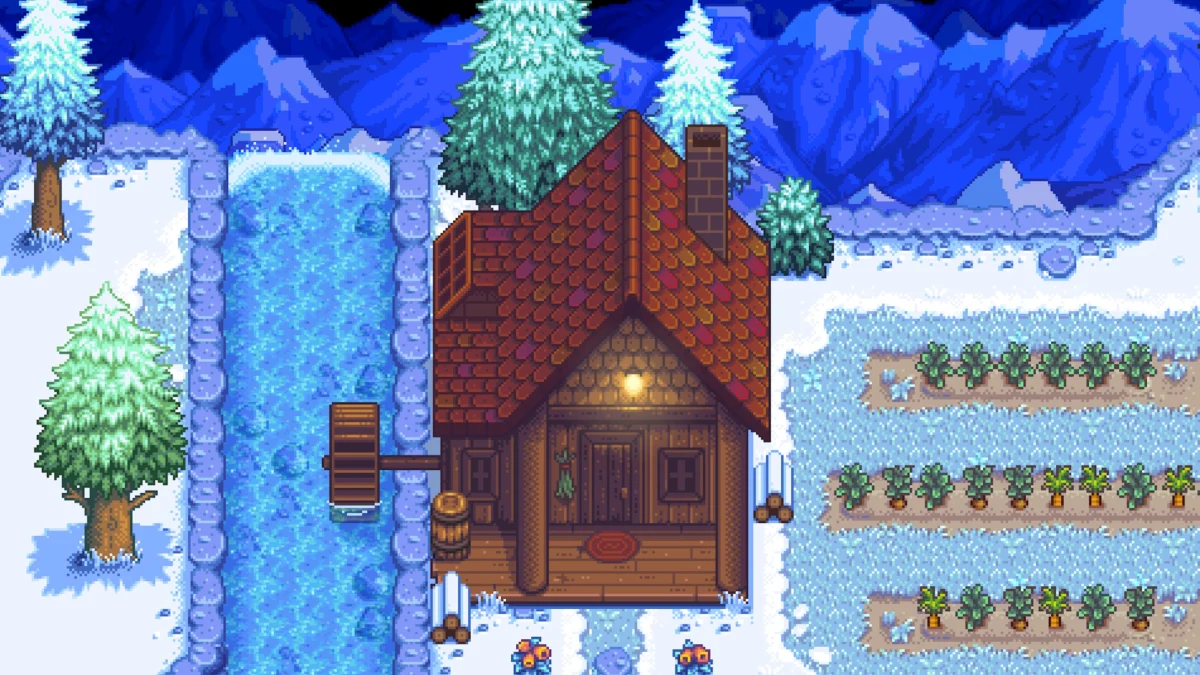
Five years have passed since Eric "ConcernedApe" Barone first teased the world with the concept of Haunted Chocolatier. In the half-decade since that initial announcement, the gaming landscape has shifted, yet the anticipation for Barone’s sophomore project has remained at a fever pitch. While the creator has spent much of his recent professional life polishing Stardew Valley into a cultural phenomenon—a title currently seeing a surge in player count thanks to its prominent feature in the Steam Summer Sale—the question of when we will finally step into the shoes of a ghostly confectioner remains the industry’s most persistent mystery.
In a recent, deeply personal blog post, Barone broke his silence, offering a candid look into the philosophy of development that defines his work. He admits that the process is slow, but he is quick to clarify that "slow" is not a synonym for "idle." Rather, it is a deliberate, agonizing, and meticulous pursuit of perfection. For Barone, the development of Haunted Chocolatier is not just about finishing a product; it is about crafting an experience that meets the impossibly high standards he set for himself with Stardew Valley.
A Chronology of Anticipation: From Announcement to Present
The journey of Haunted Chocolatier began in October 2021, when Barone first revealed the project to a stunned gaming public. Following the unprecedented success of Stardew Valley—a game that redefined the life-sim genre—the expectations for his next move were astronomical.
For the first few years, updates were infrequent. Barone remained largely tethered to his original masterpiece, providing massive content updates like the 1.6 patch, which injected new life into the farming simulator. During this period, the developer balanced the demands of a massive, established player base with the desire to build something entirely new.
By mid-2024, as the 1.6 update stabilized, the focus shifted. The recent June 2025 update from Barone serves as a milestone, confirming that while the game is far from finished, the core systems—the mechanics that will define the loop of running a magical chocolate shop—are undergoing their final, rigorous iterations. This chronology reflects a developer who refuses to outsource his vision, choosing instead to carry the weight of creation entirely on his own shoulders.
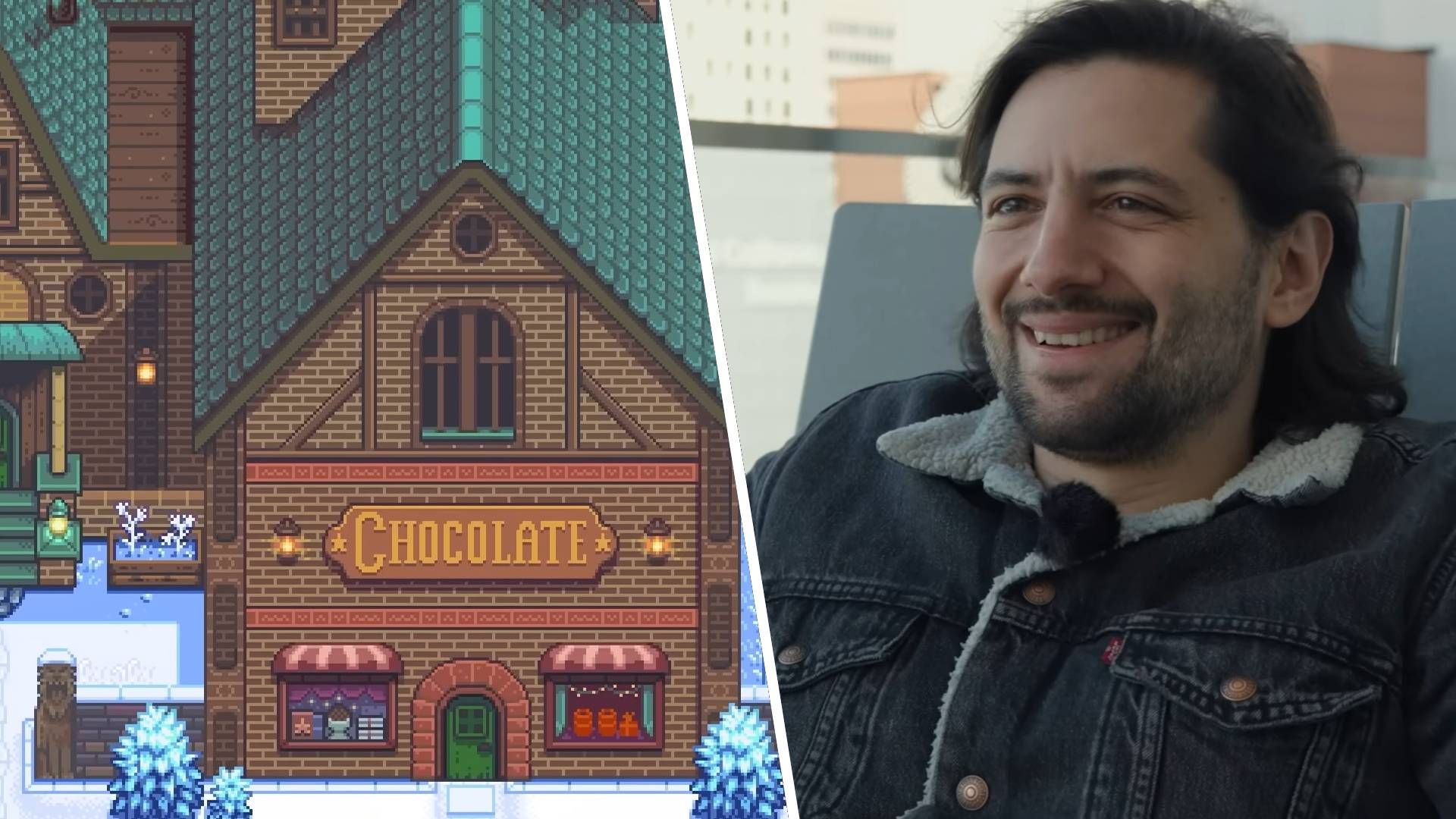
The Burden of the "Perfect" UI
One of the most revealing aspects of Barone’s recent update is his fixation on User Interface (UI) design. It is easy for players to take a functional menu for granted, but as any game developer knows, the UI is the invisible handshake between the player and the game’s logic.
"I’ve been revisiting the recipe book for making chocolates," Barone writes. "As with many things in the game, I’ve iterated on this many times, each time bringing it closer to its final form. To me, it’s not a simple task, as I torture myself over every last detail."
This "torture" is not hyperbole. Barone is attempting to solve a classic design conundrum: how to present complex information without overwhelming the player. In a game about managing a shop, crafting items, and interacting with spectral entities, the volume of data can quickly become "disgusting to look at" if poorly managed.
Barone is obsessed with:
- The "Minimal Click" Philosophy: Ensuring that player intent—making a specific chocolate, for instance—is achieved with the fewest possible inputs.
- Information Hierarchy: Grouping data so that it feels intuitive. If a player has to hunt for information, the immersion breaks.
- Aesthetic Harmony: Ensuring the interface looks "appealing and intriguing" rather than purely utilitarian.
Stardew Valley as a Template for Excellence
It is impossible to discuss Haunted Chocolatier without acknowledging the massive shadow cast by Stardew Valley. Stardew is widely considered the gold standard of indie gaming, largely because of its "invisible" design. Players rarely have to consult a manual or a wiki to understand how to plant a crop or talk to a villager; the systems are inherently understood.
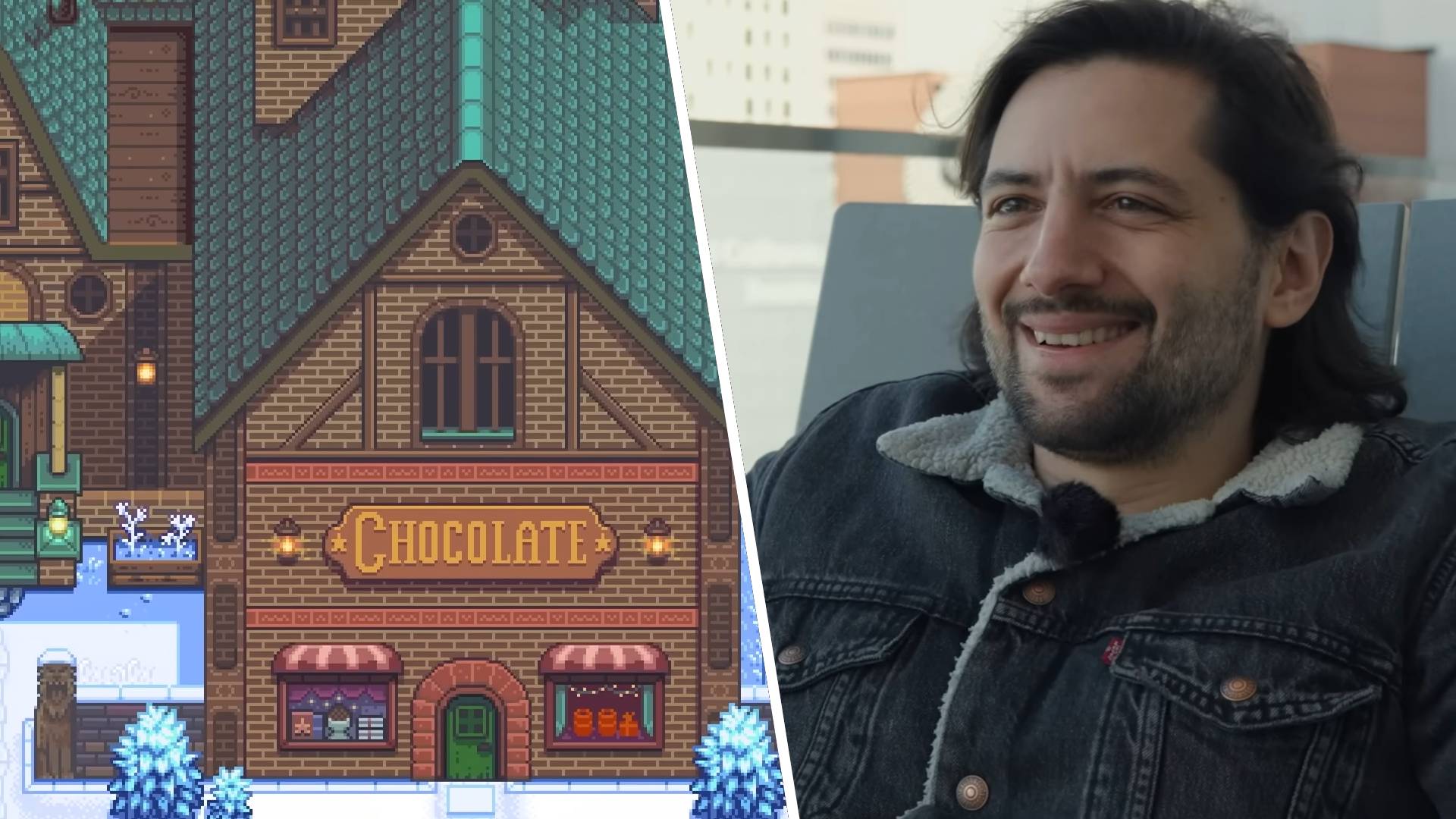
As I reflect on the years I have spent playing Stardew Valley, I realize that my appreciation for its UI was always subconscious. I have often found myself explaining the game to newcomers by simply saying, "you just know." That intuitive flow is exactly what Barone is aiming to replicate—and expand upon—in his new project.
However, Haunted Chocolatier is not meant to be a reskinned Stardew Valley. Barone has confirmed that the game will be significantly larger in scope. Whether this entails a more expansive map, a deeper roster of characters, or more complex combat and crafting systems, the sheer volume of content is, by his own admission, "a big game." This presents a unique challenge: scaling up complexity without losing the "frictionless" quality that made his debut title a success.
Official Responses and the Creator’s Philosophy
The recurring theme in Barone’s communication is the necessity of "delight." He isn’t interested in simply releasing a game that functions; he wants to release a game that surprises and satisfies the player at every turn.
"I know it’s taking a long time," Barone admits in his blog. "A big part of that is that I am being very thoughtful about every aspect of the game. The things in the game which the player will be interacting with or using very often need to be ‘perfect’. They need to be seamless, clear, intuitive, satisfying, aesthetic."
This commitment to quality over velocity is a refreshing stance in an industry often marred by "crunch" culture and rushed releases. By taking his time, Barone is essentially protecting the integrity of his creative process. He has acknowledged that he "tortures" himself over the details, a sign of a true auteur who would rather delay a launch by a year than release a feature that he finds lackluster.
Implications for the Future of Indie Development
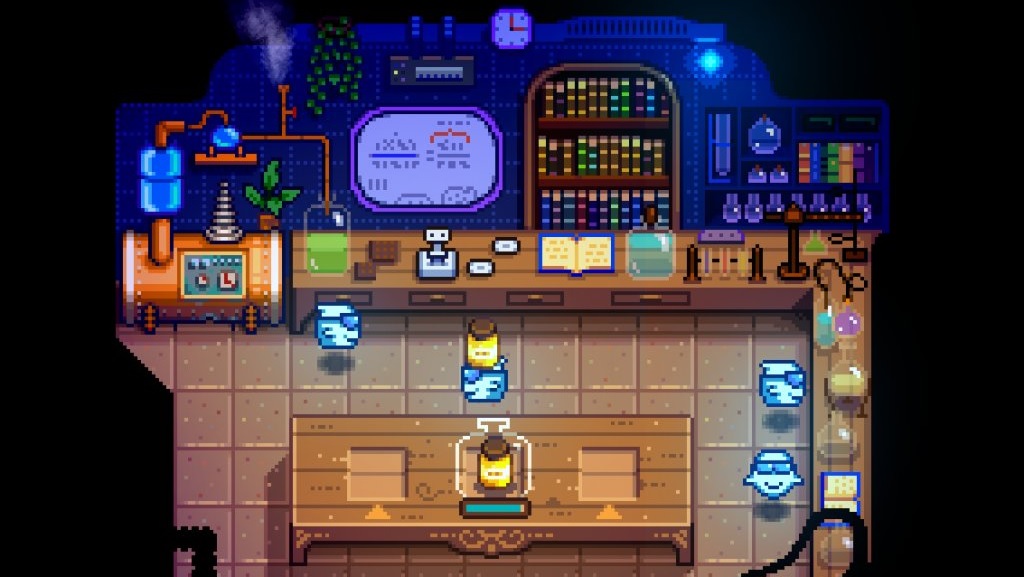
The development cycle of Haunted Chocolatier is a masterclass in indie sustainability. Barone has proven that one person can create a world-class experience, but the implications of his current approach are twofold:
- The "Auteur" Standard: Barone is setting a standard for solo developers. By refusing to compromise on design, he is demonstrating that the "indie" label does not have to imply a lack of polish.
- Community Patience: The response from the player base has been largely supportive. The fact that fans are willing to wait five, six, or even seven years for a game is a testament to the trust Barone has built. It signals that players value quality over the rapid, iterative release schedules common in AAA studios.
Conclusion: Why the Wait is Worth It
As a critic who has covered the industry for years, I have seen many developers succumb to the pressure of investors or the noise of social media. Eric Barone stands apart because he has remained remarkably consistent in his isolation and his focus.
We should not be worried about the long development time. We should be encouraged by it. The fact that he is still agonizing over the layout of a recipe book shows that the game is in the hands of someone who cares deeply about the final player experience. Haunted Chocolatier may be a mystery for now, but if the history of Stardew Valley is any indication, the final product will be more than worth the wait. When it finally arrives, it won’t just be a game—it will be a meticulously crafted world, built by one man’s refusal to settle for anything less than perfection.

