

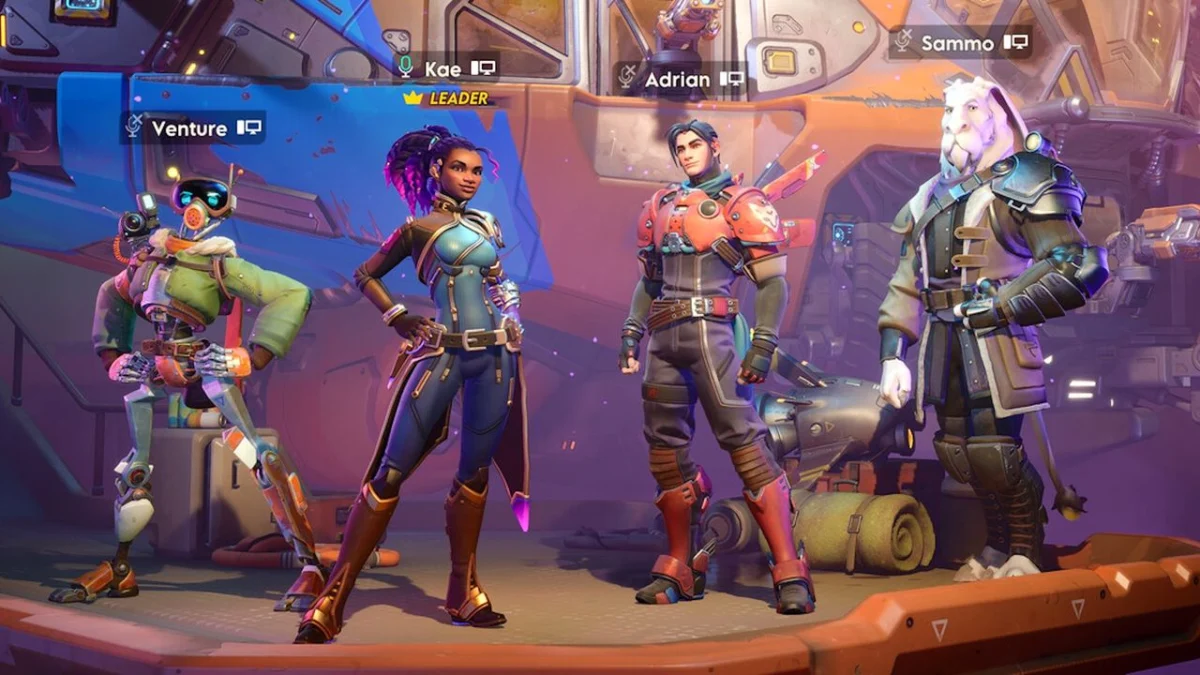
The landscape of the modern multiplayer shooter is notoriously unforgiving, a digital arena where "creative potential" is often eclipsed by the cold reality of player retention. This week, that reality caught up with Wildgate, the PvPvE title developed by Moonshot Games. Following a challenging year defined by a struggle to cultivate and maintain a sustainable player base, the studio has officially announced that it is ceasing major development on the project.
The announcement, delivered via a candid Steam update from Game Director Dustin Browder, marks the end of an era for the ambitious title. While Wildgate will not be pulled from storefronts or taken offline entirely, it effectively enters a state of "maintenance mode," signaling a pivot for the studio toward undisclosed future endeavors.
The Core Announcement: A Pivot, Not a Shutdown
In his address to the community, Browder was blunt but appreciative. "Wildgate hasn’t found a large enough audience to sustain ongoing development," he wrote. The decision to halt major content updates is the culmination of a year-long effort by Moonshot Games to pivot the title toward various player-requested features, including PvE-focused modes and free-to-play trial tiers. Despite these interventions, the numbers simply did not align with the requirements for continued live-service support.
Crucially, the game is not being decommissioned. The servers will remain operational, and new players will still be able to purchase the game across Steam, the Epic Games Store, Xbox, and PlayStation platforms. The studio has committed to participating in future digital sales, ensuring the title remains accessible to those who wish to experience its unique brand of space-faring combat.
A Chronology of Wildgate: From High Hopes to Maintenance Mode
The trajectory of Wildgate serves as a poignant case study in the current "live service" era of gaming.
- Pre-Launch Hype: Wildgate entered the market with significant buzz. Early previews highlighted its ambitious fusion of PvP combat and PvE exploration, with many critics pointing to its "ragtag scavenger" aesthetic as a refreshing departure from the gritty, hyper-realistic military shooters dominating the charts.
- The Launch Window: Upon release, the game garnered a "Mostly Positive" rating on Steam. Players praised the emergent storytelling and the high-stakes thrill of ship-based combat. However, cracks in the foundation appeared almost immediately.
- The Struggle for Retention: Within months of launch, the concurrent player count began a steady, unyielding decline. The "funnel" of the game—the experience of new players attempting to learn the complex systems while being outmatched by veteran crews—proved to be a significant barrier to entry.
- The Iterative Phase: Throughout the following year, Moonshot Games attempted to course-correct. They introduced new PvE modes to cater to players who found the PvP environment too hostile, and they launched free trials to lower the barrier to entry. Unfortunately, these attempts failed to trigger the necessary "hockey-stick" growth in the user base.
- The Final Act: With the upcoming July patch, the studio has confirmed it will be the last "big" content drop for the foreseeable future. The focus will shift from expansion to stability.
Supporting Data and Critical Reception
The failure of Wildgate to capture a mass audience was not necessarily due to a lack of quality, but rather a misalignment of its core mechanics with market demand. In a 60% review for PC Gamer, Tyler Colp noted the dichotomy of the game: "It’s one of the most creative shooters I’ve played in a while, but at times I think the entire concept is better on paper than it is as a game."
The review pointed to the "30-minute slogs" where teams often felt directionless, only to be dismantled by more coordinated squads. This feedback loop—where the depth of the game became its primary obstacle for casual players—seems to have been a recurring theme in user reviews as well. While the "hardcore" audience found joy in the depth, the casual audience, which is essential for the survival of any multiplayer-only title, struggled to find a foothold.
Official Responses and Studio Stability
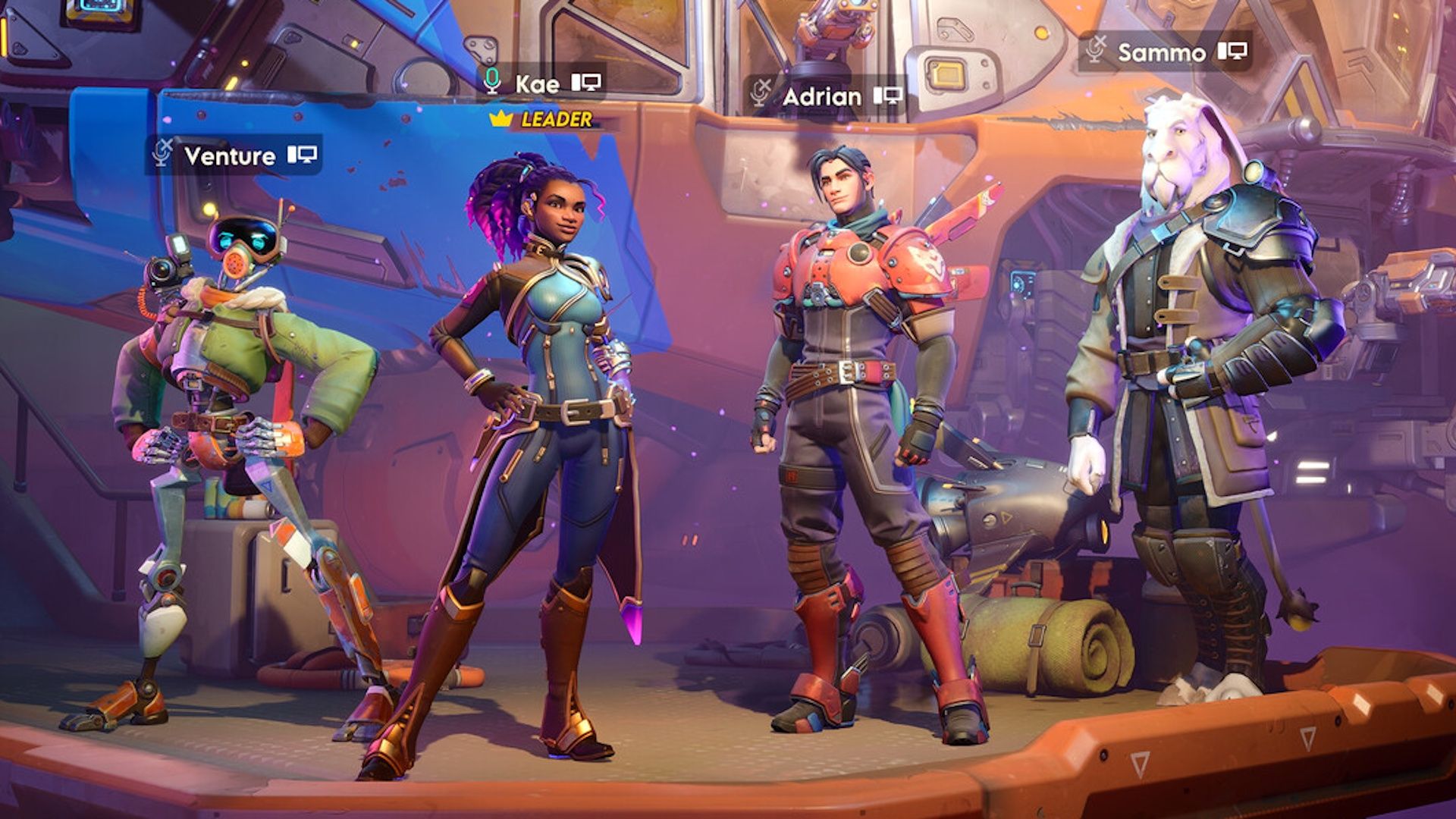
One of the most pressing concerns whenever a game enters maintenance mode is the welfare of the development team. In the current economic climate of the gaming industry, where layoffs have become an all-too-common occurrence, the fate of Moonshot Games’ staff was a subject of immediate speculation.
A spokesperson for the studio was quick to address these fears, confirming that no layoffs are planned. "All of us at Moonshot put a lot of love into Wildgate as well as the community that has formed around it," the representative stated. "Members of the Moonshot team are transitioning from Wildgate to work on new projects. We’re not ready to talk about them yet, but we’re excited to share with players when the time is right."
This transition period will see a "small core team" remain dedicated to Wildgate to monitor servers, push essential bug fixes, and manage minor balance adjustments. However, the studio is offloading the burden of community management to the players themselves, announcing that the official Wildgate Discord will be transitioned into a community-led model. This is a common strategy for smaller studios, effectively handing the keys to the most dedicated fans who remain committed to keeping the game’s culture alive.
Implications: The "Overcrowded Genre" Syndrome
The Wildgate story is a microcosm of a larger, systemic issue within the industry. We are currently living in a period of intense competition for "time-share." Players only have so many hours in the day, and they are increasingly spending them within established "mega-hits" like Fortnite, Apex Legends, or Valorant.
When a new title enters this space, it must offer something so drastically different that it justifies the time investment required to learn its systems. Wildgate offered creativity, but it could not overcome the "coordination gap." In games that rely heavily on team-based success, the experience for a solo player—or a player in a disorganized team—often becomes the deciding factor in whether they hit the "uninstall" button.
Lessons Learned
- The "On-Paper" Trap: Developers must prioritize the accessibility of the core gameplay loop. A complex system is only as good as the player’s ability to engage with it in the first ten minutes.
- Community-Led Longevity: By handing over the Discord to the community, Moonshot is acknowledging that the game’s value is now entirely defined by its remaining player base. This is a pragmatic, if somber, approach to sunsetting a title.
- Stability Over Layoffs: Moonshot’s commitment to retaining staff despite the end of Wildgate’s development cycle sets a positive industry standard. By moving talent to new projects rather than cutting costs, the studio preserves its institutional knowledge and creative potential.
As the July patch approaches, the Wildgate community is preparing for a new, quieter chapter. The game will remain, its servers humming, but the frenetic pace of updates will cease. For Moonshot Games, the focus now turns toward the future. While the Wildgate experiment may have concluded, the lessons learned in the trenches of this PvPvE space shooter will undoubtedly inform the studio’s next venture.
For the players, the game remains a testament to what happens when a small, passionate team tries to punch above its weight in an industry that demands perfection. Wildgate may not have conquered the market, but for those who spent their time in its orbit, it was a unique, often exhilarating, journey.

