

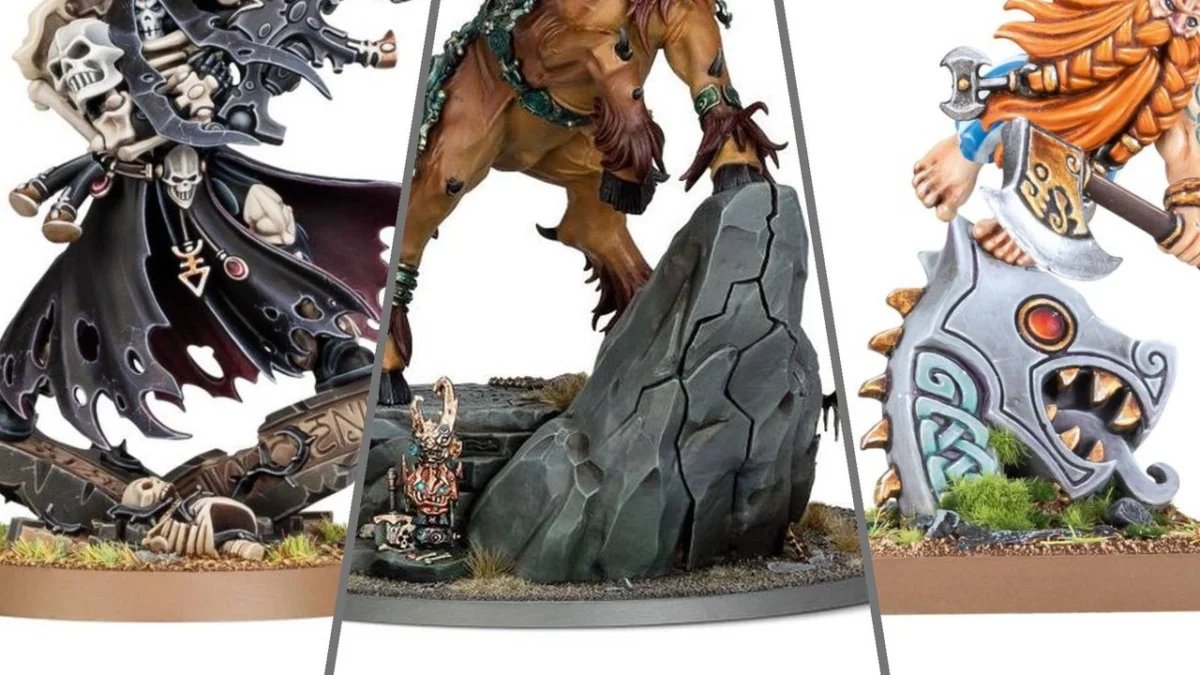
In the realm of tabletop wargaming, few design tropes have sparked as much quiet frustration among hobbyists as the phenomenon of the “tactical rock.” What began as a subtle, practical solution to a design challenge—giving a miniature a sense of verticality or dynamism—has spiraled into a ubiquitous, often absurd standard that defines the modern era of miniature sculpting.
From the iconic battlefields of Warhammer 40,000 to the skirmish-scale precision of Infinity, the tactical rock has evolved from a subtle aesthetic choice into an architectural necessity for character models. But as the rubble piles grow higher and the poses become increasingly gravity-defying, a growing segment of the gaming community is asking: at what point does the sculpture overshadow the soldier?
A Brief Chronology: From Stability to Stilt-Walking
The history of the tactical rock is, in many ways, a history of Games Workshop’s evolving design philosophy. In the early days of the hobby, miniature basing was largely functional. A goblin stood on a base; a space marine stood on a base. If a designer wanted to denote a character of high rank or significant status, they might be placed on a small mound of earth or a simple piece of battlefield debris.
In the late 1990s and early 2000s, this was used sparingly. A classic example remains the early Orcs or standard infantry, where one foot might rest on a severed helmet or a jagged stone to break up the monotony of a flat pose. This was grounded, sensible, and readable from across a gaming table.
However, the 2010s marked a pivot toward “heroic” scaling and dynamic action. As sculpting technology moved from traditional putty and metal casting to high-fidelity 3D digital design, the constraints of the medium vanished. Designers were no longer limited by what could be cast in a mold; they were limited only by their imagination.
By 2015, the “tactical rock” had become a signature of the "Hero" model. Whether it was Orikan the Diviner or various Chaos Terminator Lords, these figures were consistently elevated by stone protrusions. By the 2020s, the trend had reached a saturation point. We saw the rise of the “surf-boarder” aesthetic—where models appear to be casually riding debris as if it were a wave—and the use of increasingly complex environmental storytelling, such as models standing on the corpses of enemies or precarious piles of industrial piping.
Supporting Data: The Anatomy of a Trend
The prevalence of these features is not merely anecdotal. A survey of recent releases from Games Workshop reveals that a staggering percentage of "HQ" or "Command" units utilize some form of environmental elevation.
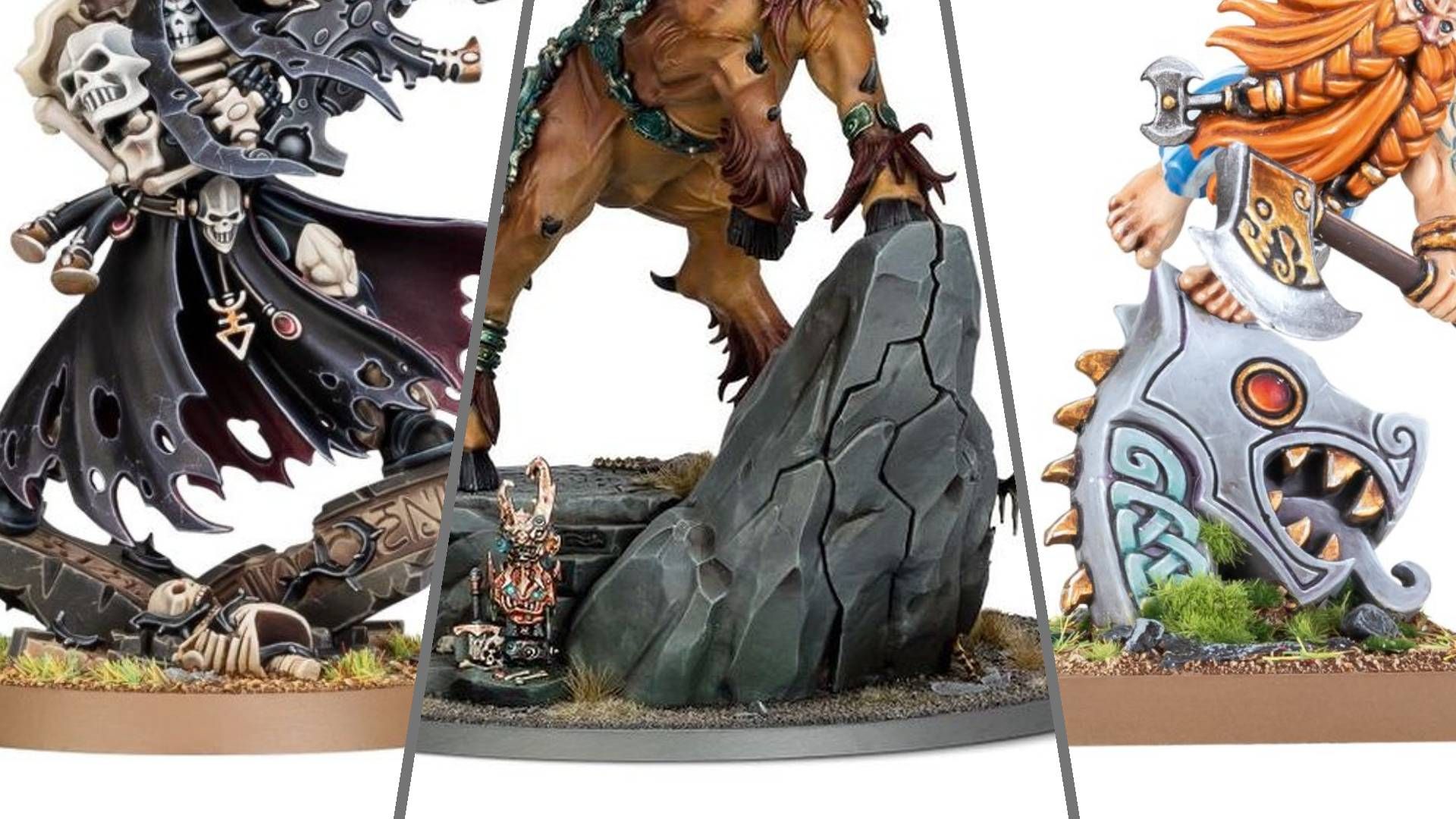
Industry competitors have noticed the trend as well. Corvus Belli, the manufacturer behind the Infinity tabletop game, has leaned into the absurdity of the trope with a sense of humor. Their product line includes specific sets of "tactical rocks" available for purchase, complete with tongue-in-cheek names like "Mick-J" and "Dwayne-J." This signals a shift where the tactical rock is no longer just a byproduct of a pose, but a recognized commodity—a design element that players actively seek out to "hero-ify" their forces.
The design logic, according to hobby experts, is rooted in the "readability" of the miniature. On a crowded tabletop, a commander needs to stand out. Height is the most efficient way to achieve this. By placing a character on a rock, a pile of skulls, or a broken statue, the miniature gains a psychological weight that denotes authority.
Official Perspectives and the April Fool’s Pivot
The industry’s awareness of this trope reached a zenith with Games Workshop’s own April Fool’s Day stunt. The company released a mock announcement for a "Life-Sized Tactical Rock," poking fun at the fact that their models are now so heavily associated with the feature that they could be considered a "tactical rock manufacturer" that happens to include little soldiers.
While the post was clearly satirical, it underscored a massive shift in corporate self-awareness. The design team is fully cognizant that the community is divided. For many, these bases provide the "diorama-in-a-box" experience that justifies the premium price of modern plastic kits. For others, it represents a loss of modularity. If a model is sculpted standing on a specific piece of terrain, the hobbyist’s ability to customize that model to fit into a specific army’s aesthetic is severely diminished.
The Implications: Fragility, Storage, and Aesthetics
The shift toward hyper-elevated poses carries significant real-world implications for the average hobbyist.
1. Storage and Transportation
The most immediate issue is physical storage. Miniature transport cases, once designed for relatively uniform infantry and vehicles, now struggle to accommodate the awkward, sprawling silhouettes of modern models. A character straddling two tactical rocks at once, or a jump-pack infantryman balanced precariously on a plume of "smoke" emerging from a helmet, is an invitation for breakage.
2. The "Short King" Paradox
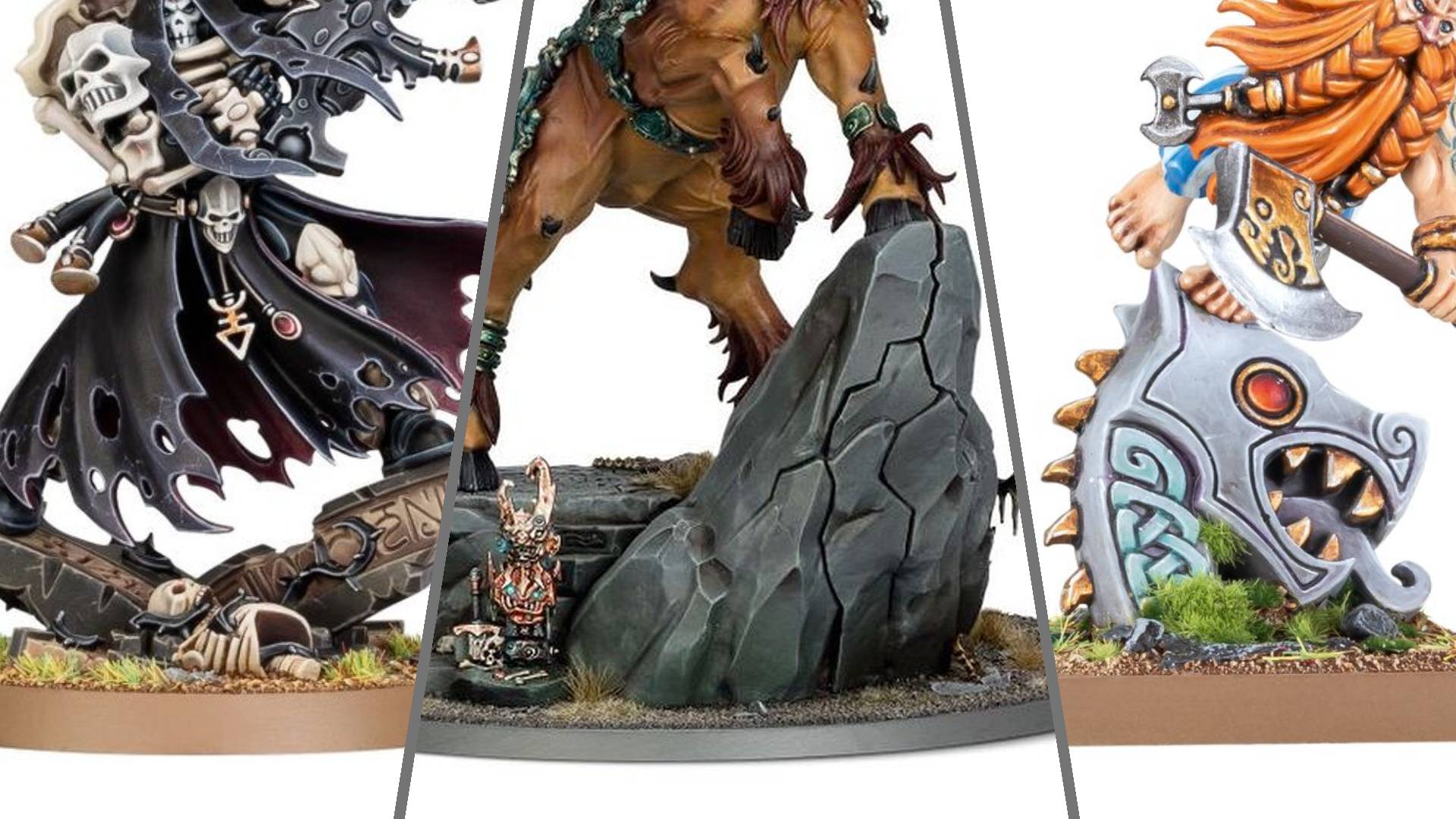
There is an irony in the way developers handle shorter species, such as Dwarves (or the Duardin in Age of Sigmar). The design team frequently uses massive rubble piles to compensate for the species’ natural stature. When a character defined by their "short king" status is forced to stand on a five-inch statue head just to be seen, it dilutes the character’s identity.
3. Suspension of Disbelief
Perhaps the most vocal criticism comes from the perspective of "realism." While these are fantasy and sci-fi games, the physics of some poses are increasingly distracting. When a model’s stability is tied to a fragile, spindly connection—like a cape fused to a piece of rock—the illusion of a living, breathing warrior is replaced by the reality of a fragile plastic sculpture.
Moving Forward: A Plea for Balance
The tactical rock is not inherently evil. In moderation, it is a powerful tool for visual storytelling. It tells the viewer that a battle is taking place, that the terrain is uneven, and that the commander is actively surveying the field.
However, the industry has reached a crossroads. The current trajectory suggests that in another decade, we may see models that are more "rock" than "soldier." The pushback from the community suggests that hobbyists are craving a return to simpler times—or at least a return to options.
Many players are calling for a "base-neutral" approach, where the tactical debris is an optional component rather than a permanently molded piece of the character’s legs. This would allow the player to decide whether they want a hero on a pedestal or a soldier on the front lines.
As it stands, the tactical rock remains the dominant architectural force in miniature design. It is a symbol of the industry’s shift toward high-concept, display-focused hobbying. Whether this represents the peak of artistic expression or a drift into unintentional self-parody remains a matter of intense debate. One thing is certain: until the designers decide to come down from their pedestals, our little plastic soldiers will continue to spend their lives standing on the most inconvenient, gravity-defying rocks in the galaxy.

