

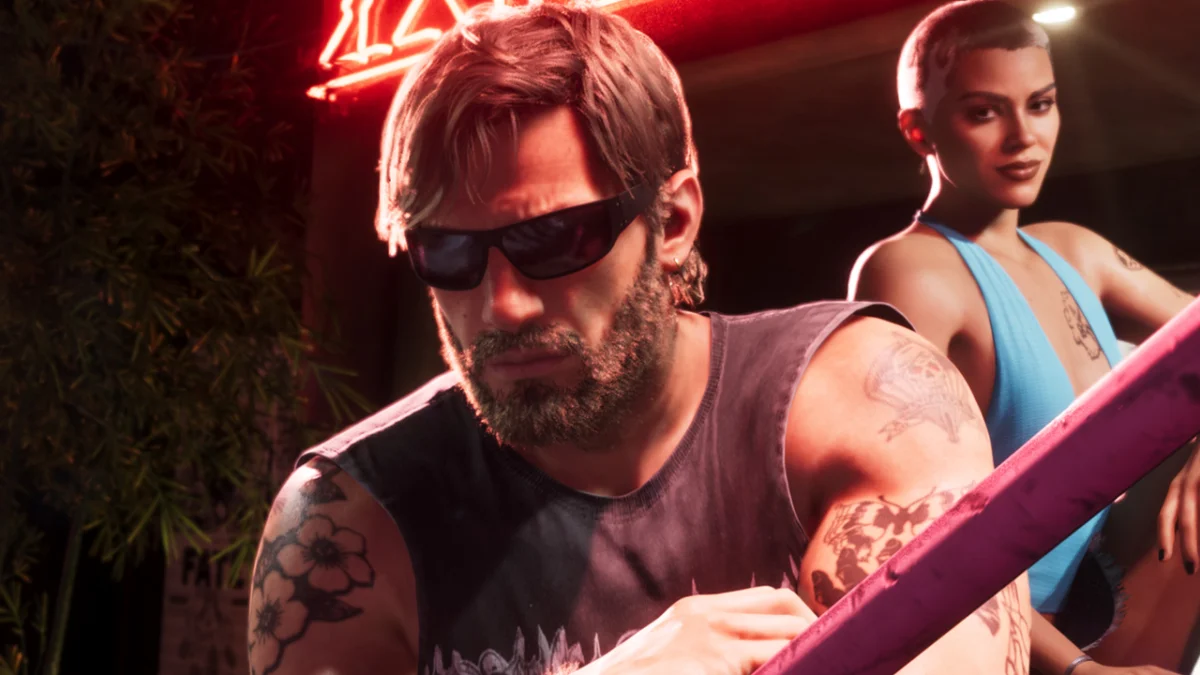
The announcement of Grand Theft Auto 6 represents perhaps the most significant cultural event in the history of the medium. As Rockstar Games prepares to launch its next monolithic entry into the criminal underworld of Leonida, anticipation has reached a fever pitch. Trailers have been scrutinized frame-by-frame, and the gaming community has entered a state of collective hyper-fixation. However, as pre-orders for the console versions officially go live, a significant portion of the player base is being met with a familiar, cold silence. Once again, PC users find themselves excluded from the initial launch of the decade’s most anticipated title.
The Chronology of the Console-First Strategy
To understand why PC players are being left in the dark, one must look at Rockstar’s long-standing operational philosophy. Historically, Rockstar Games has adhered to a "console-first" development cycle. This pattern is not new; it is a carefully curated tradition that dates back to the early days of the Grand Theft Auto franchise.
When Grand Theft Auto 5 arrived on the scene in 2013, it launched exclusively on the PlayStation 3 and Xbox 360. PC players were forced to wait over a year—until April 2015—to experience the game on their preferred hardware. Similarly, Red Dead Redemption 2 followed a staggered release schedule, appearing on consoles in October 2018 before finally hitting the PC platform in November 2019.
This isn’t an oversight or a lack of technical capability; it is a calculated business decision. By staggering the releases, Rockstar effectively secures the console market first, then generates a second wave of hype—and revenue—when the "definitive" PC version eventually arrives. For the impatient, this strategy often leads to the phenomenon of "double-dipping," where fans purchase the game twice to ensure they don’t miss the cultural conversation.
The "Core Audience" Argument
The justification for this delay often centers on the company’s definition of its "core audience." Strauss Zelnick, the CEO of Take-Two Interactive, has been remarkably candid about this stance. In various interviews, including a notable discussion with Bloomberg, Zelnick remarked that "Rockstar always starts on console because I think with regard to a release like that you’re judged by serving the core."
The implication is clear: in the eyes of Take-Two and Rockstar, the "core" gamer is one who sits on a couch with a controller, not one behind a keyboard and mouse. This framing has alienated millions of PC enthusiasts who view their high-end rigs as the premium way to experience gaming. To the average PC gamer, the argument that they are secondary is not just a disagreement on strategy; it is a dismissal of a market segment that, according to industry data, represents nearly half of the gaming industry’s global revenue.
Supporting Data: The Power of the PC Market
The assertion that PC gamers are somehow "secondary" flies in the face of modern market trends. According to recent industry reports, the global games market has surged past the $200 billion mark, with the PC sector leading growth in several key regions.
Zelnick himself has acknowledged this reality, noting that for major titles, the PC platform can account for 45% to 50% of total sales. This creates a cognitive dissonance within the company’s own strategy: they admit the PC market is massive and vital to their bottom line, yet they deliberately withhold the product from that audience at launch.
Data from community polls, including those conducted by the PC Gamer team, suggest that the frustration is palpable. A significant majority of enthusiasts are not interested in buying a console solely to play GTA 6. Instead, they are left to wait, watching from the sidelines as console players explore the game’s world. The "double-dip" strategy relies on the hope that these players will eventually cave, but for many, it simply fosters resentment toward the publisher.
Implications: The Price of Waiting
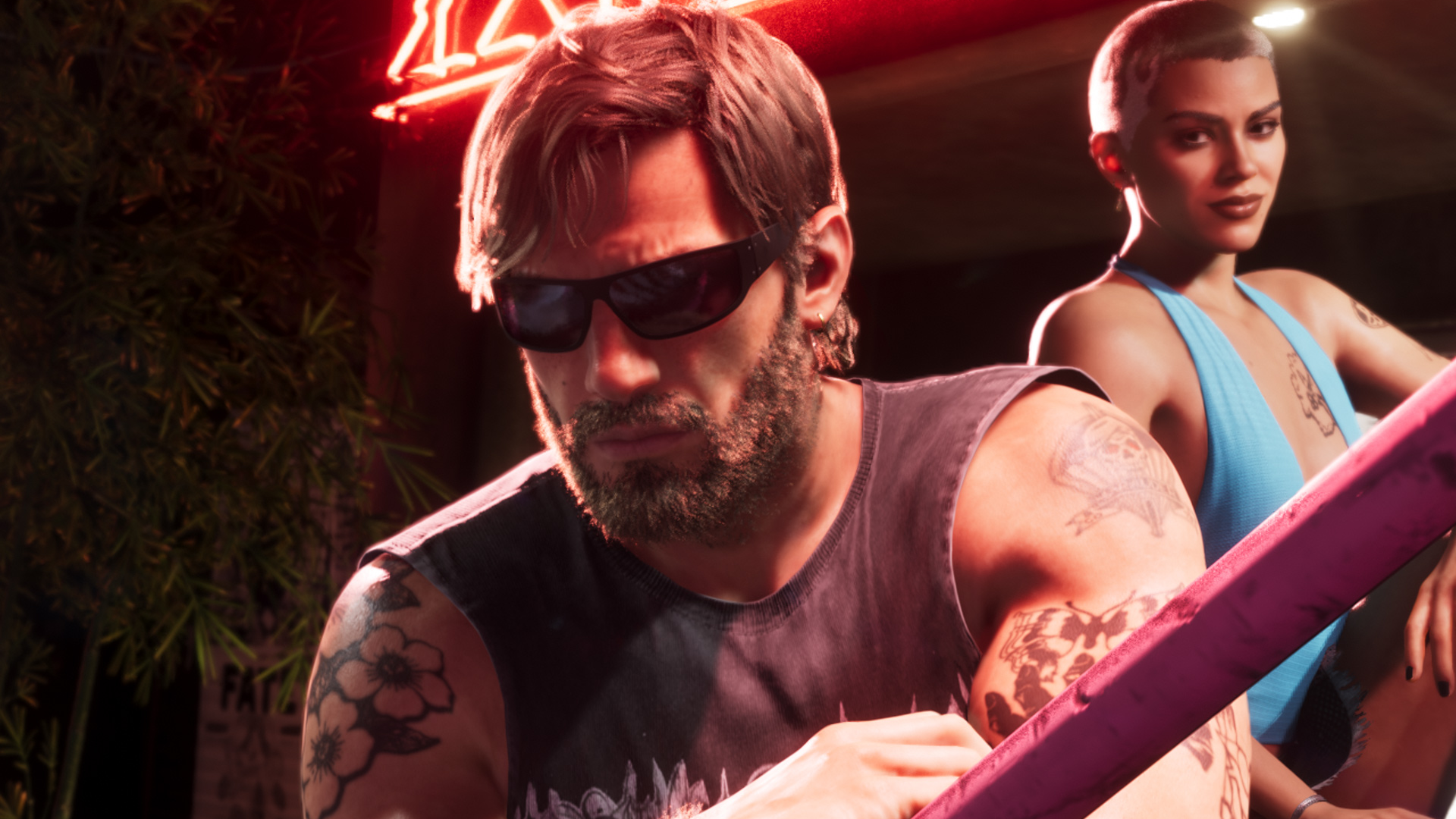
The implications of this delay extend far beyond mere impatience. There is the issue of hardware disparity. As titles grow in visual fidelity, the gap between console hardware and enthusiast-grade PC hardware (such as the NVIDIA RTX 4090) continues to widen. Playing a game on a locked console ecosystem, with fixed frame rates and limited resolution, feels like a regression to many in the PC community.
Furthermore, there is the growing concern over monetization. Recent leaks and announcements regarding GTA 6 indicate that the "Ultimate Edition" will carry a hefty $100 price tag, with specific gameplay features and content locked behind this paywall. The PC community, with its history of modding, has long been a force that extends the life of Rockstar titles. By delaying the PC release, Rockstar may be attempting to curb the influence of modders who could potentially bypass these artificial paywalls or enhance the game in ways that contradict the company’s monetization goals.
The clamping down on unofficial mod platforms suggests that Rockstar is increasingly focused on a "walled garden" approach. By controlling the ecosystem on consoles first, they can ensure that every player is funneled through their preferred storefronts and microtransaction systems without the "interference" of the PC modding scene.
The Cultural Divide
The divide between console and PC is no longer just about hardware—it is about philosophy. For the PC gamer, the platform represents freedom, longevity, and the ability to curate an experience. For Rockstar, the console platform represents a controlled environment where the user experience, monetization, and social interaction can be strictly regulated.
The irony is that Grand Theft Auto 5 remains a massive success on PC, thanks in large part to the vibrant modding community and the longevity provided by roleplay servers. By ignoring the PC at launch, Rockstar is arguably missing out on the very community that keeps their games relevant for a decade or more.
Final Thoughts: A Question of Respect
As we look toward the release of Grand Theft Auto 6, the question remains: is the "console-first" strategy sustainable in an era where the lines between platforms are blurring? While Rockstar continues to insist that they are serving their "core," they are simultaneously neglecting a massive segment of their most dedicated fans.
For the PC gamer, the message from Take-Two is blunt: you are not the priority. You are a secondary market, a second wave of sales, and an afterthought in the grand design of their launch. Whether this strategy will pay off in the long run remains to be seen. But for now, the PC community is left to look through the glass, waiting for the day when they, too, can finally step into the streets of Leonida—likely with better graphics, more mods, and a much deeper sense of frustration.
Ultimately, GTA 6 will undoubtedly be a technical marvel. But for the PC audience, its release will be marked not by celebration, but by the realization that in the world of high-stakes corporate gaming, your loyalty as a customer is often outweighed by the desire to control the narrative of the launch. Until then, the PC remains a "peasant" platform in the eyes of the publisher, despite carrying nearly half of the industry on its shoulders.

