

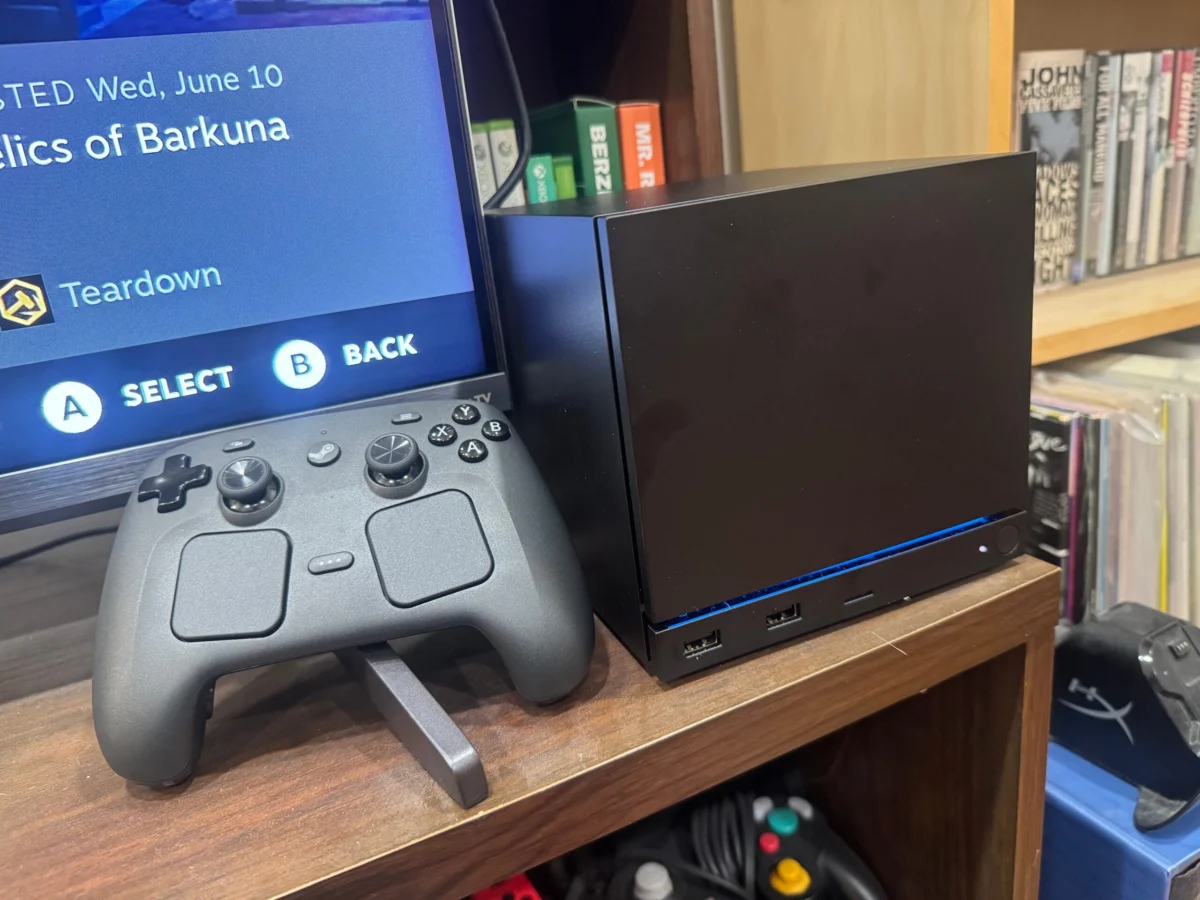
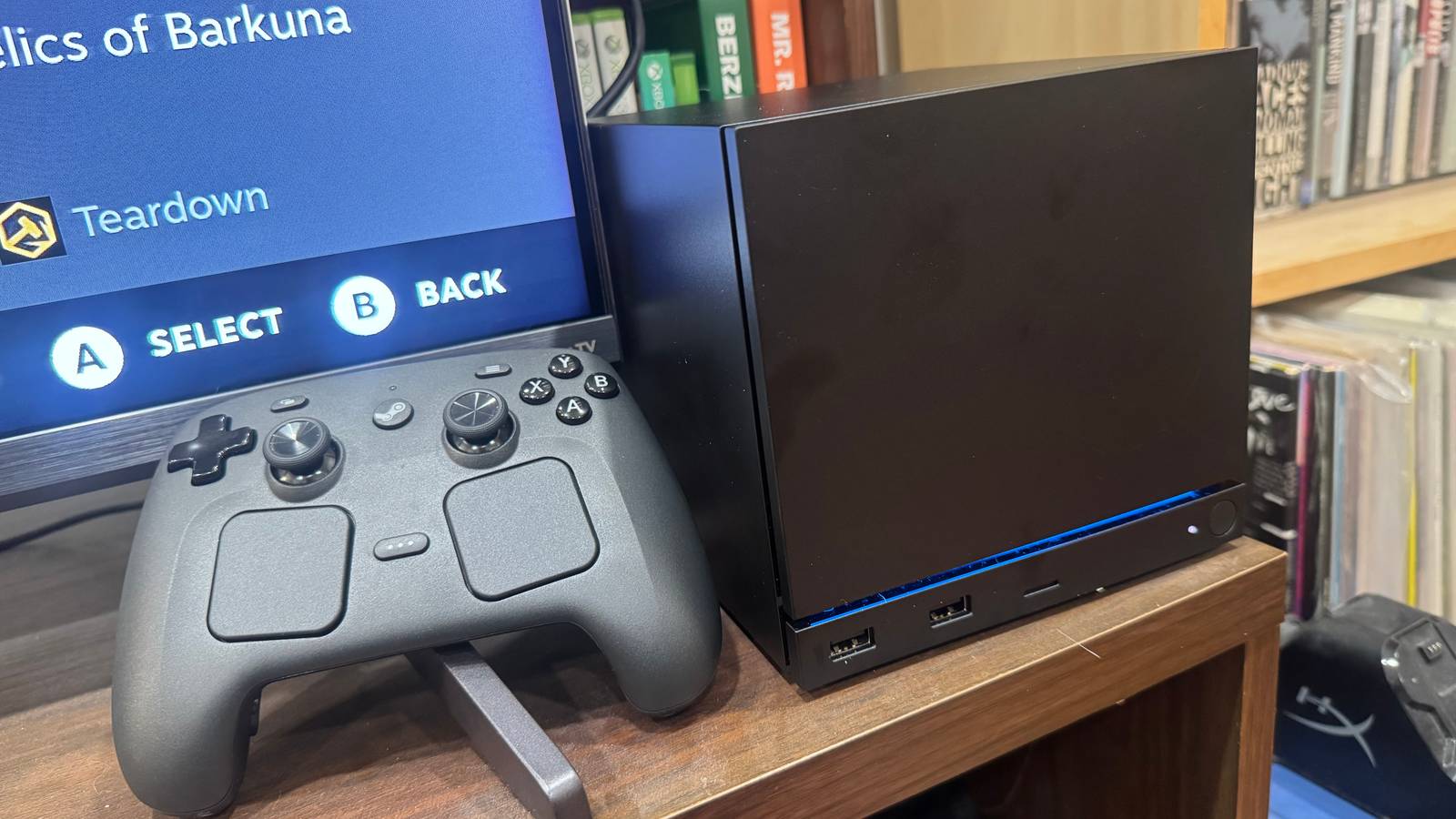
Valve, the titan of PC gaming distribution, has officially entered the hardware arena once again with the launch of the Steam Machine. Positioned as a "mini PC" that aims to bridge the gap between the simplicity of a console and the raw, unrestricted power of a computer, the device is turning heads for its sleek design—and its eye-watering price point. Starting at $1,049, the Steam Machine enters a market currently dominated by the PlayStation 5 and Xbox Series X, devices that offer reliable, high-fidelity gaming at a fraction of the cost.
For the average consumer, the question is simple: Why pay hundreds of dollars more for a machine that, on paper, doesn’t necessarily outperform a standard console? The answer, as it turns out, lies in the philosophy of the device. It isn’t just a gaming box; it is an open-ended, Linux-based ecosystem that invites users to tinker, modify, and expand.
A Chronology of Valve’s Hardware Ambitions
Valve’s path to the Steam Machine has been a long and winding road. For over a decade, company founder Gabe Newell expressed a desire to bring the Steam storefront into the living room, effectively freeing PC gaming from the confines of the desk.
- 2013–2015: The initial "Steam Machines" initiative saw Valve partnering with third-party manufacturers. These devices struggled with a fragmented ecosystem, limited Linux game support, and an interface that felt incomplete. The project was eventually sidelined, though it laid the groundwork for SteamOS.
- 2022–2024: The runaway success of the Steam Deck, a handheld PC that proved Linux could reliably run thousands of games via the "Proton" compatibility layer, revitalized Valve’s hardware strategy.
- 2026 (Present): With the refinement of SteamOS and a massive library of verified titles, Valve launched its own branded Steam Machine. This marks the company’s first direct attempt to provide a premium, pre-built, living-room-ready PC experience that mirrors the plug-and-play convenience of a console while retaining the "freedom" of Linux.
The Utility Gap: Why Choose a Steam Machine Over a PS5?
At a glance, the Steam Machine and the PlayStation 5 offer similar experiences: you plug them in, connect to an HDMI port, and play games on your TV. However, beneath the hood, the two devices operate in different universes.
1. The Desktop Experience: A PC in Your Living Room
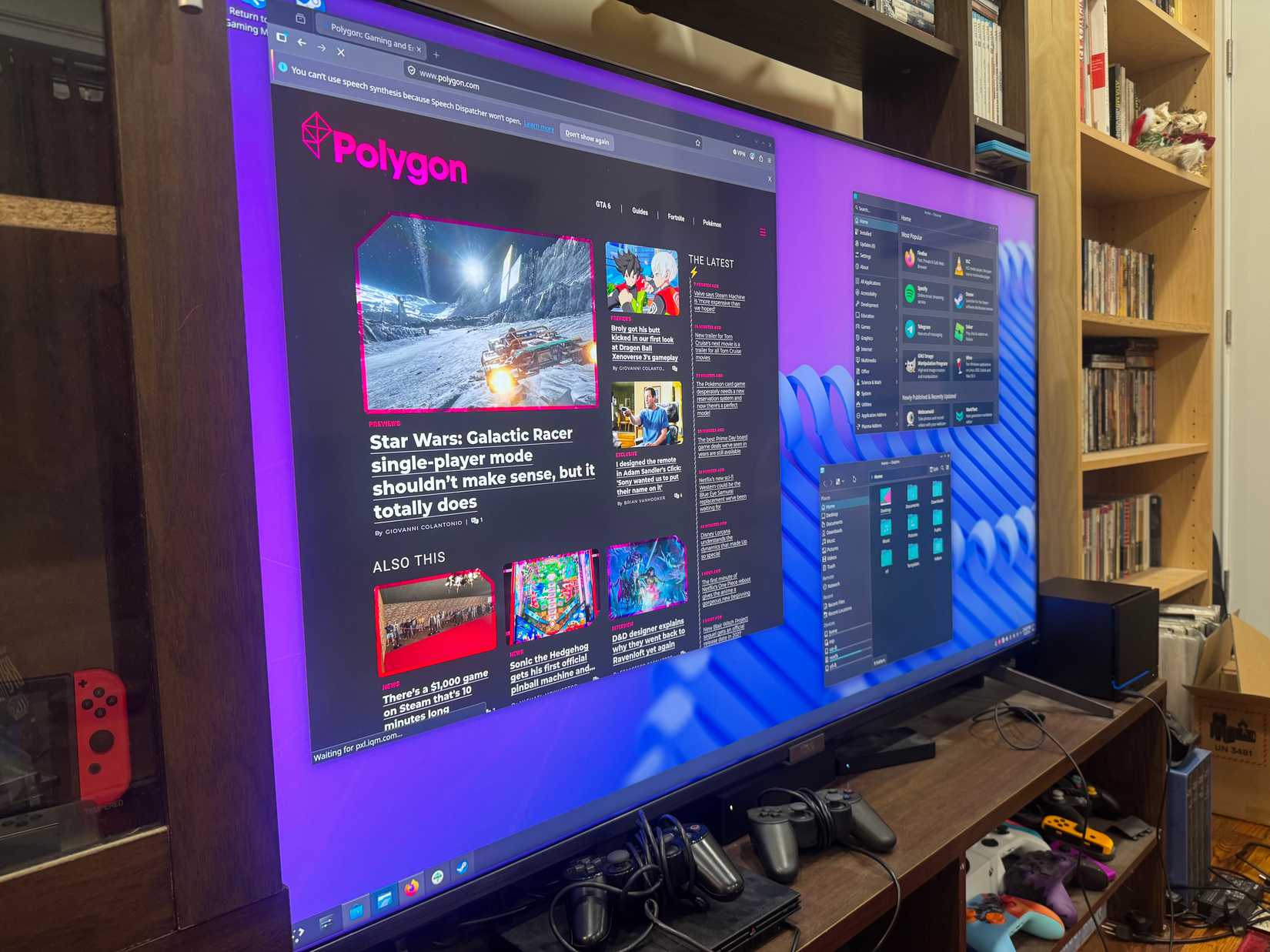
The most significant differentiator is that the Steam Machine is a full-fledged computer. By accessing the desktop mode within SteamOS, users can navigate a Linux-based operating system. This allows for web browsing, document editing, and the installation of third-party apps—tasks that are fundamentally impossible on a closed-system console like the PS5. Whether you are checking your email on the big screen or managing your game library, the Steam Machine functions as a secondary workstation.
2. The Modding Frontier
For many, the appeal of PC gaming is the community-driven modifications (mods). On a console, modding is strictly controlled or entirely absent. On the Steam Machine, the Linux environment allows users to access hubs like NexusMods. While the process requires more technical patience than a Windows desktop, the availability of extensive documentation from the Steam Deck community means that users can, with some effort, mod titles like The Elder Scrolls or Skyrim. It is a feature that caters specifically to the "power user" who wants to curate their gaming experience.
3. Emulation and Digital Archiving
Retro gaming enthusiasts have long gravitated toward PC platforms for their superior emulation capabilities. The Steam Machine acts as an "emulation dream machine," allowing users to centralize their digital collections of classic games. While setting up emulators like RetroArch or EmuDeck requires a learning curve, the ability to use a keyboard and mouse makes the process infinitely more manageable than on a console.
4. Early Access and Exclusivity
Steam’s massive library is its greatest asset. Unlike the console marketplace, which requires games to go through rigorous certification and porting processes, the Steam Machine has access to the full breadth of the PC storefront. This includes "Early Access" titles—games that are playable while still in development. Hits like Hades 2 or Slay the Spire 2 often hit PC months, or even years, before they reach consoles. By using a Steam Machine, you are essentially skipping the wait, gaining access to a library that is historically larger and more diverse than any console-exclusive ecosystem.

Technical Realities and Limitations
While the Steam Machine offers unparalleled freedom, it is not without its caveats. It is essential to note that the device is not a high-end workstation designed for video rendering or heavy musical production. Its hardware is optimized for gaming, not for replacing your primary home computer.
Furthermore, the "Linux hurdle" remains. While the Steam Deck has made massive strides in compatibility, some software still requires "fiddling." As noted by early adopters, simple tasks like getting a streaming service like Netflix to run perfectly in a browser may require a level of technical troubleshooting that the average console user is not accustomed to.
The Cost-Benefit Analysis
At $1,049, the price tag is a barrier. If your goal is simply to play the latest AAA blockbuster at 4K resolution, a $500 console is objectively the better financial investment. The Steam Machine is a luxury item for those who value the process of gaming—the ability to tinker with settings, swap out hardware, and avoid the walled-garden restrictions of Sony or Microsoft.
Official Responses and Developer Integration
Valve has remained relatively quiet regarding sales figures, but the company’s internal rhetoric emphasizes "Platform Agnostic Gaming." In a recent briefing, Valve representatives highlighted that the Steam Machine is "the logical evolution of the Steam Deck." They argue that by standardizing the hardware, they can ensure a more stable experience than the third-party machines of 2015, while still providing the open-source benefits that have defined the Steam community for decades.
Game developers, meanwhile, have largely welcomed the initiative. Many indie developers, who often prioritize PC releases due to lower barriers to entry, view the Steam Machine as a way to reach living-room gamers without having to spend the significant resources required to port games to proprietary console hardware.
Implications for the Future of Console Gaming
The existence of the Steam Machine signals a potential shift in the gaming industry. If Valve can prove that there is a sustainable market for a high-end, "open" console, we may see a decline in the dominance of the traditional closed-system hardware model.
The implications are threefold:
- Consumer Choice: Users are no longer forced to choose between the convenience of a console and the library of a PC.
- Market Competition: The pressure is on companies like Sony and Microsoft to justify their proprietary online subscription fees, which the Steam Machine avoids entirely.
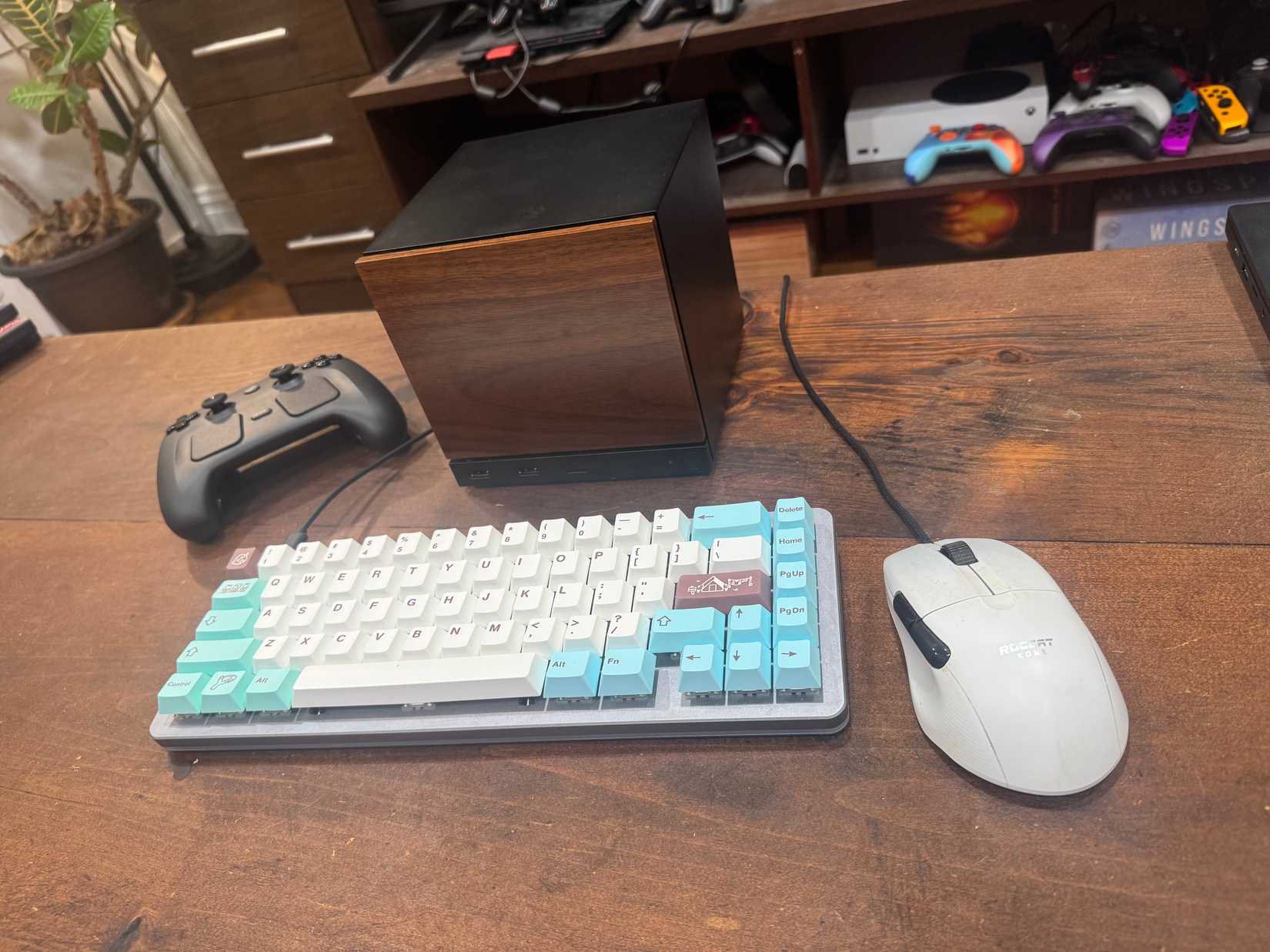
- Hardware Customization: With features like swappable faceplates, customizable LED lighting, and user-defined boot animations, Valve is tapping into the "enthusiast" aesthetic that defines modern PC gaming.
Conclusion: Is it for You?
The Steam Machine is a device defined by its potential. It is a sleek, powerful, and highly customizable piece of hardware that offers a level of agency rarely seen in the console market. However, that agency comes at a premium price and requires a willingness to engage with a Linux-based environment that can be complex.
If you are a casual gamer looking for a stress-free, "it just works" experience, the Steam Machine may feel like a needlessly expensive complication. But for the enthusiast—the player who lives for mods, values early access, and wants a machine that can evolve alongside their interests—it offers an experience that no other console can match. Before you pull the trigger on a purchase, ask yourself: Do you want a machine that tells you how to play, or do you want a machine that lets you decide?

