

Introduction: A Legacy Reborn
In a move that promises to bridge the gap between the golden age of 3D fighting games and the high-fidelity landscape of modern consoles, developer Hamster Corporation has officially announced that the original 1994 arcade classic Tekken will be joining the prestigious Arcade Archives 2 collection. This revival, slated for a worldwide release on June 25, 2026, will bring the inaugural entry of Namco’s flagship fighting franchise to the PlayStation 5, Xbox Series X|S, and the Nintendo Switch 2. Priced at $16.99, the release represents more than just a digital port; it is a preservationist effort to keep the history of the "King of Iron Fist" tournament accessible to a new generation of players.
Chronology: From Coin-Ops to Contemporary Consoles
To understand the significance of this release, one must look back at the trajectory of the Tekken franchise. When Tekken first hit arcades in December 1994, it was more than just a game; it was a technological earthquake. At the time, the fighting game market was dominated by 2D titans like Street Fighter II and Mortal Kombat. Namco, looking to challenge Sega’s Virtua Fighter, tasked designer Seiichi Ishii—a veteran who had previously worked on the very title he was now competing against—to craft a 3D fighter that felt punchy, cinematic, and visceral.
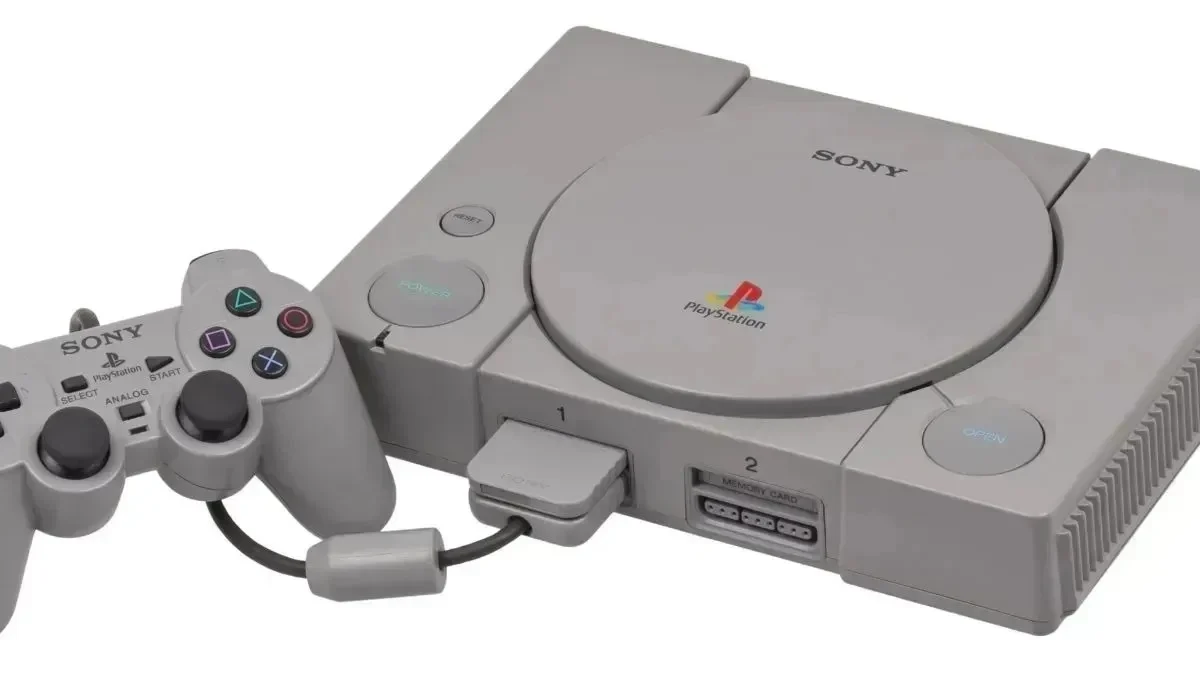
The original Tekken was a landmark for the PlayStation 1, serving as a primary driver for Sony’s entry into the home console market in 1995. It was the first game on the console to sell over a million copies, proving that home consoles could faithfully reproduce arcade-quality 3D visuals. Over the subsequent three decades, the series evolved from its blocky, low-polygon roots into the hyper-realistic, motion-captured juggernaut that is Tekken 8. By bringing the 1994 original into the Arcade Archives 2 ecosystem, Hamster is providing a direct lineage for fans to trace the DNA of the series from its humble arcade cabinet origins to its current status as an eSports powerhouse.
Supporting Data and Technical Specifications
Hamster’s Arcade Archives series is renowned for its commitment to "perfect" emulation. Unlike many emulators that focus on speed or graphical enhancements, Hamster prides itself on replicating the exact hardware behavior of original arcade PCBs (Printed Circuit Boards).
The Arcade Archives 2 Experience
For the Arcade Archives 2 release of Tekken, players can expect a bifurcated experience designed to satisfy both purists and modern competitive players:
- Original Mode: This is the authentic arcade experience. The game runs on the original System 11 architecture code, ensuring that the frame data, input timing, and hit detection are identical to the machines found in arcades thirty years ago.
- Modern Quality-of-Life Features: To accommodate modern hardware, the developers have included a robust suite of customization options. Players can now remap buttons to suit modern fight-sticks or controllers, adjust difficulty sliders to practice against challenging AI, and toggle various display settings—including scanline filters that mimic the glow of a CRT monitor.
- Time Attack Mode: Recognizing the speed-running community’s love for classic titles, this mode offers a streamlined interface to track completion times, providing a leaderboard-centric way to compete against players worldwide.
The technical marriage of 1994 software with 2026 hardware is handled by Hamster’s proprietary engine, which has previously powered successful ports of Galaga, Pac-Man, and Contra. By pricing the title at $16.99, the publisher is positioning this as a premium digital experience rather than a "budget" port, reflecting the historical importance of the title within the pantheon of gaming.
Official Responses and Industry Context
The announcement has sent waves of excitement through both the fighting game community (FGC) and the retro-gaming preservationist circles. While Namco (now Bandai Namco) has remained relatively quiet regarding the specifics of the emulation process, the developer Hamster issued a brief statement alongside the announcement:
"Our mission with the Arcade Archives 2 project is to ensure that the foundational pillars of arcade gaming are not lost to time. Tekken is not just a game; it is a monument to the birth of 3D fighting. We have worked closely with the original hardware documentation to ensure that every strike, every sidestep, and every frame of animation in this version is a true-to-life reproduction of the 1994 experience."
Industry analysts suggest that this release is a strategic move for Bandai Namco to maintain brand awareness as they prepare for potential future franchise anniversaries. By leveraging Hamster’s infrastructure, the publisher avoids the overhead of building their own emulation environment while ensuring the game is distributed across all major current-gen platforms.
Implications for the Fighting Game Community
The release of Tekken on modern hardware carries several profound implications for the gaming industry:
1. The Preservation Imperative
As physical arcade cabinets become rarer and the original hardware faces inevitable decay, digital preservation becomes the only viable path for the survival of these titles. Arcade Archives 2 is effectively serving as a virtual museum. By bringing Tekken to the PS5 and Switch 2, the game is secured against the "digital dark age" that often claims older software.
2. Competitive Analysis and History
For high-level competitive players, the ability to play the original Tekken on modern input-latency-optimized hardware allows for a new era of research. Scholars of the FGC can now deconstruct the "Tekken engine" in its infancy, providing a deeper understanding of how the series’ famous "movement" and "juggling" mechanics were first conceived. It serves as an educational tool for aspiring game designers and a training ground for those who wish to master the roots of the genre.
3. The Future of the Arcade Archives 2 Series
The success of this release will likely dictate the roadmap for future additions to the Arcade Archives 2 library. Should Tekken perform well—which is almost a certainty given the size of its dedicated fanbase—it could pave the way for other 3D arcade classics from the mid-90s, such as Soul Edge or Ridge Racer, to receive similar treatment. This creates a sustainable model for publishers to monetize their back catalogs without the need for expensive remakes or remasters.
4. Accessibility and Modern Hardware
The inclusion of modern button remapping and display settings is a crucial acknowledgment that 1994 control schemes and visual expectations do not always translate well to 2026 displays. By allowing players to adjust the game to their preference, Hamster is removing the barriers of entry that often frustrate new players attempting to play "clunky" retro titles. This makes Tekken accessible to the casual player who wants to experience a piece of history without the frustration of an unforgiving, unoptimized interface.
Conclusion: A Timeless Duel
When the Arcade Archives 2 version of Tekken launches on June 25, 2026, it will represent the culmination of a long journey. For those who grew up in the smoke-filled arcades of the 90s, it is a nostalgia trip back to the moment the industry pivoted toward the third dimension. For the younger audience, it is an essential history lesson.
The game’s design, characterized by the legendary Seiichi Ishii, remains fundamentally sound even by modern standards. The thrill of landing a perfect combo or narrowly escaping a ring-out remains as potent today as it was thirty years ago. As the Tekken franchise continues to dominate the modern fighting game scene with its latest installments, this return to the source serves as a potent reminder of where it all began. It is a celebration of the "King of Iron Fist," and for fans of the genre, the wait until June 2026 will surely be the toughest battle yet.

