

The unprecedented surge in Artificial Intelligence (AI) development is reshaping industries, economies, and our daily lives. This transformative wave, however, comes with a colossal demand for infrastructure, pushing the limits of global supply chains and resource availability. While the initial focus has been on hardware like GPUs, advanced memory, and high-speed networking, and subsequently on foundational resources such as electrical power and water, a new and arguably more insidious bottleneck is emerging: the severe shortage of skilled labor required to construct the very data centers housing these AI powerhouses.
This critical challenge was recently brought to light by Benoit Bazin, CEO of Saint-Gobain, a global leader in construction materials. During a candid appearance on Bloomberg Television, Bazin noted that despite robust demand for data center construction, the availability of specialized personnel is becoming a significant limiting factor. His remarks underscore a growing concern within the industry, signaling a shift in the primary obstacles facing the relentless expansion of AI infrastructure.
The AI Imperative and Emerging Bottlenecks
From Chips to Concrete: A Shifting Landscape
The advent of sophisticated AI models, particularly large language models (LLMs) and generative AI, has triggered an exponential demand for computational power. This demand has cascaded through various layers of the technology ecosystem. Initially, the industry grappled with shortages of high-performance GPUs from manufacturers like Nvidia, followed by constraints in specialized computer memory (HBM), and high-capacity storage solutions, both spinning and solid-state. As the scale of AI operations grew, the focus shifted to fundamental utilities, revealing critical deficits in electrical power, cooling water, and robust networking equipment capable of handling petabytes of data traffic.
Now, the spotlight is turning to the physical construction of the digital fortresses themselves. Building a state-of-the-art data center is not merely a conventional construction project; it is an undertaking of immense complexity, requiring highly specialized engineering and installation expertise. The global race to deploy AI capabilities has outpaced the growth of the specialized workforce needed to lay the very foundations of this digital future.
A Critical Warning from the Industry’s Forefront
Saint-Gobain’s CEO Highlights a Growing Crisis
Benoit Bazin’s observations, though briefly stated, carry significant weight. As the head of Saint-Gobain, a company that supplies a vast array of construction materials and building products to hundreds of data center projects worldwide, Bazin possesses an intimate understanding of the industry’s operational realities. When queried about potential slowdowns in data center construction, he unequivocally affirmed that activity remains exceptionally strong. However, he swiftly pivoted to identify labor as a "key bottleneck," specifically noting its impact on projects across North America and its nascent emergence in Europe.

Bazin’s insights are not isolated; they echo a sentiment that has been quietly building within the data center sector over the past year. The immense capital commitments made by tech giants, known as hyperscalers, underline the scale of this construction boom. Companies like Amazon, Microsoft, Google, Meta, and Oracle are collectively pouring hundreds of billions of dollars into new facilities globally. Yet, as Bazin’s comments suggest, financial muscle alone cannot overcome the physical and human constraints inherent in such ambitious undertakings.
Hyperscaler Ambitions and Infrastructure Demands
The sheer scale of investment from hyperscalers highlights the urgency and strategic importance of AI infrastructure. These companies are not just building server farms; they are erecting hyper-dense, hyper-efficient, and hyper-connected computing complexes designed for the specific, demanding workloads of AI. This translates into facilities with unparalleled power densities, requiring advanced cooling systems, intricate fiber-optic networks, and robust, resilient electrical infrastructure. Each new data center represents a monumental engineering feat, far removed from the general commercial construction projects of the past. The stakes are incredibly high, as the pace of AI innovation is directly tied to the availability of this underlying infrastructure. Any delay, whether due to material shortages, power grid limitations, or, increasingly, a lack of skilled hands, translates into lost opportunities and a deceleration of technological progress.
The Intricate Web of Data Center Construction
Beyond Bricks and Mortar: The Specialized Workforce
Unlike standard commercial buildings, a modern AI data center is a highly complex, purpose-built machine. Its construction demands a diverse array of specialized tradespeople, whose skills are honed over years of dedicated training and experience. These are not merely general construction crews; they are elite specialists operating at the cutting edge of industrial infrastructure.
Key roles include:
- High-Voltage Electricians and Power Engineers: Responsible for designing, installing, and commissioning the intricate electrical distribution systems, from utility connections and substations to transformers, switchgear, and uninterruptible power supplies (UPS). The sheer power requirements of AI servers necessitate highly robust and redundant electrical systems.
- Fiber-Optic Installers and Network Technicians: Tasked with deploying the vast, high-bandwidth fiber-optic cabling that forms the nervous system of a data center, ensuring seamless, low-latency connectivity between thousands of servers and to the broader internet.
- HVAC Specialists and Cooling Engineers: Critical for managing the immense heat generated by AI processors. These professionals design and install sophisticated cooling systems, ranging from traditional air conditioning to advanced liquid cooling solutions, ensuring optimal operating temperatures and energy efficiency.
- Controls Engineers and Building Management System (BMS) Experts: Responsible for integrating and automating the myriad systems within the data center, from power and cooling to security and fire suppression, ensuring they operate efficiently and reliably.
- Commissioning Teams: A highly specialized group that rigorously tests and validates every system within the data center before it goes live, ensuring it meets stringent performance and reliability standards.
- Civil and Structural Engineers: Design and oversee the physical integrity of these massive structures, often accounting for seismic activity, extreme weather, and the immense weight of equipment.
- Security Specialists: Implement physical and cyber security measures from the ground up, crucial for protecting valuable data and hardware.
The training and certification for these roles often span years, involving apprenticeships, advanced technical degrees, and continuous professional development. This extended pipeline makes it incredibly difficult for the labor pool to expand at the breakneck speed required by the current AI investment boom. The scarcity of these highly specialized individuals means projects can face delays, cost overruns, and even design compromises if the right talent isn’t available at the right time.

The Looming Power Crisis and Interconnected Challenges
While labor is the emerging bottleneck, it’s crucial to remember that power availability remains a primary, often intertwined, constraint. The insatiable energy appetite of AI data centers is straining existing electrical grids globally. Building new electrical substations, manufacturing and installing high-capacity transformers, upgrading transmission infrastructure, securing utility connections, and even generating new power capacity are all multi-year endeavors.
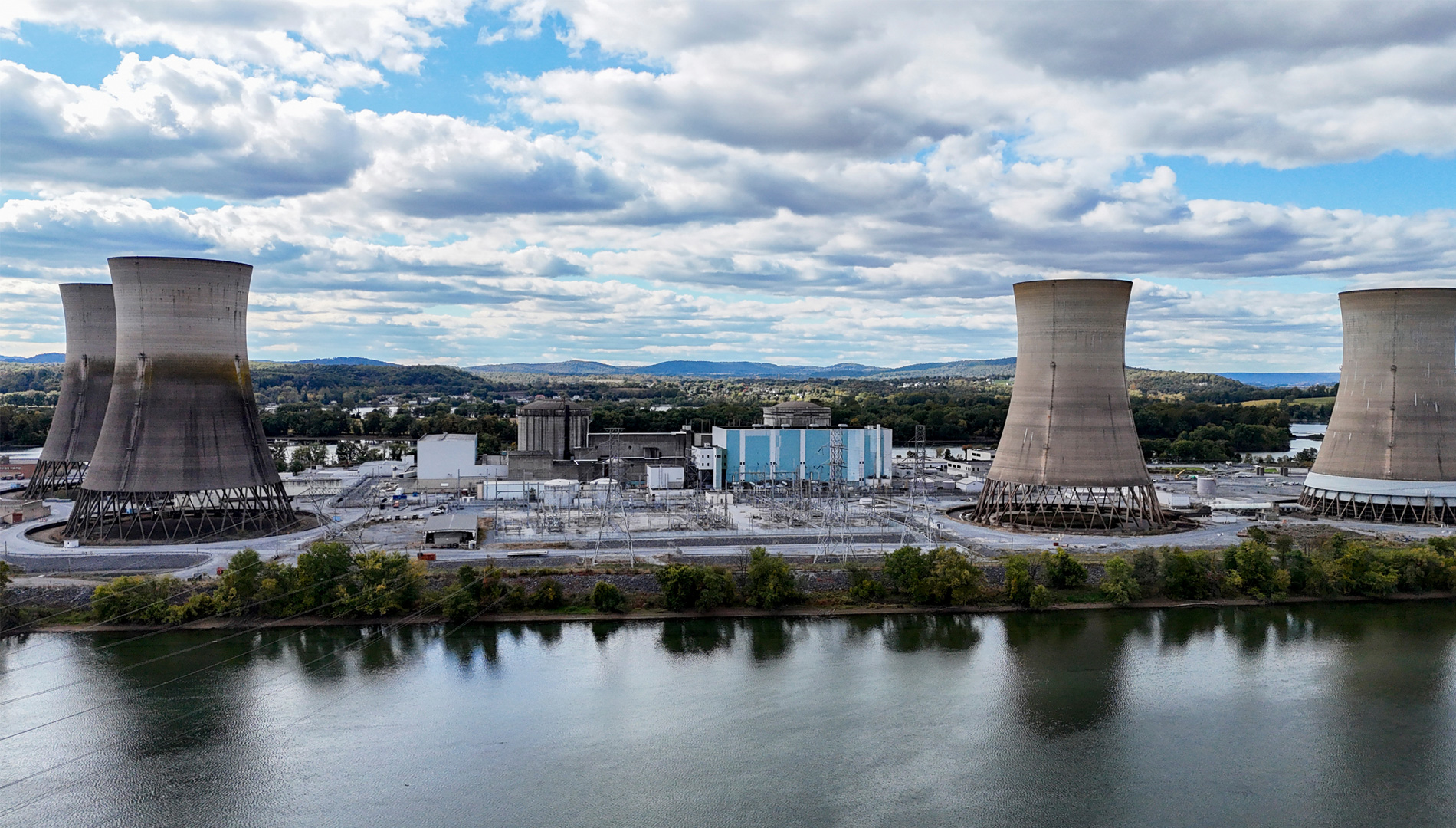
The sheer demand is so profound that previously decommissioned power assets are being reconsidered. A striking example is the Three Mile Island nuclear plant, decommissioned in 2019, which is now slated to reopen to exclusively serve Microsoft’s data center needs. This illustrates the extraordinary measures being taken to secure adequate power. However, even when power is theoretically available or new generation capacity is planned, the physical act of connecting that power to a data center—installing the lines, building the substations, wiring the facilities—still requires the very skilled electricians and engineers who are now in short supply. A bottleneck in one area inevitably exacerbates pressures in others, creating a complex web of interconnected challenges.
Industry Responses and Ripple Effects
Proactive Measures: Workforce Development Initiatives
Recognizing the impending crisis, some technology companies are taking proactive steps to cultivate the next generation of data center talent. Meta, for instance, has partnered with CBRE, a global leader in commercial real estate services, on a significant training initiative called the "LevelUp Fiber Technician Pathway." This program is specifically designed to expand the pipeline of workers qualified for both the construction and ongoing operations of data centers.
These initiatives typically involve structured apprenticeship programs, specialized certifications, and on-the-job training, aiming to accelerate the development of critical skills. The goal is not just to fill immediate vacancies but to build a sustainable talent pool for the future. Such efforts are a clear acknowledgment from industry leaders that organic growth in the skilled trades is insufficient to meet the explosive demand. However, even with aggressive training programs, the time required to develop truly experienced and highly skilled professionals remains a significant hurdle. Other hyperscalers and major data center developers are likely to follow suit, establishing their own training programs or collaborating with educational institutions and vocational schools to address this systemic issue.
The Broader Economic Impact: Competition for Talent
The ripple effects of this specialized labor shortage extend far beyond the data center industry itself, creating significant competition for skilled tradespeople across the economy. A prime example can be seen in Texas, a state that has become a hotbed for data center development. The immense demand from large-scale data center projects has dramatically increased competition for electricians, among other trades.
This competition has tangible consequences for other sectors. Residential housing developments in Texas, for instance, have experienced delays, with some contractors struggling to complete homes on schedule. The reason is simple: data center projects, backed by the immense budgets of hyperscalers, can offer highly competitive wages and benefits, drawing electricians away from smaller, less lucrative residential jobs. Homes that once took weeks to wire are now taking months, contributing to rising construction costs and slower housing supply growth. This scenario is a stark illustration of how the AI infrastructure build-out is not occurring in a vacuum; it is actively competing for the same finite pool of skilled tradespeople needed for everything from schools and hospitals to public infrastructure and private homes. This competition inevitably leads to wage inflation for these specialized roles, driving up costs across the board for any project requiring such expertise.
Public Opposition and Non-Technical Hurdles
Community Concerns: Environment, Noise, and Resources
Beyond the technical and labor-related challenges, data center developers are increasingly confronting significant public opposition in communities targeted for new facilities. What was once considered a relatively benign industrial development is now facing intense scrutiny, primarily due to concerns about its environmental and social impact.
Residents and local advocacy groups are raising alarm bells over several key issues:
- Electricity Consumption: AI data centers are colossal energy hogs. Communities worry about the strain on local power grids, the potential for increased electricity rates, and the environmental footprint associated with higher energy generation, particularly from fossil fuels.
- Water Usage: Many modern data centers, especially those relying on evaporative cooling, consume vast quantities of water. This is a critical concern in drought-prone regions and communities already facing water scarcity, leading to questions about responsible resource management.
- Noise Pollution: The constant hum of thousands of servers and the powerful cooling systems can generate significant noise, impacting the quality of life for nearby residents.
- Visual Impact: Large, windowless data center buildings can be seen as industrial eyesores, altering the aesthetic of communities.
- Increased Traffic and Strain on Local Services: Construction and ongoing operations can lead to increased heavy vehicle traffic and place additional demands on local infrastructure and services.
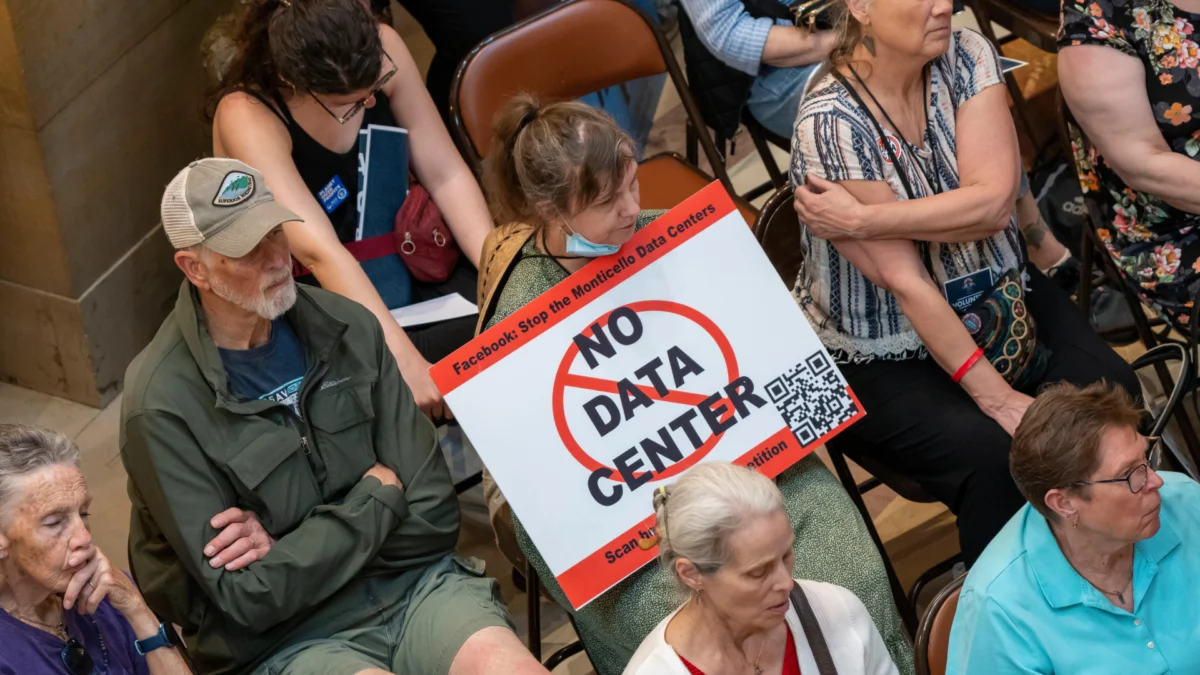
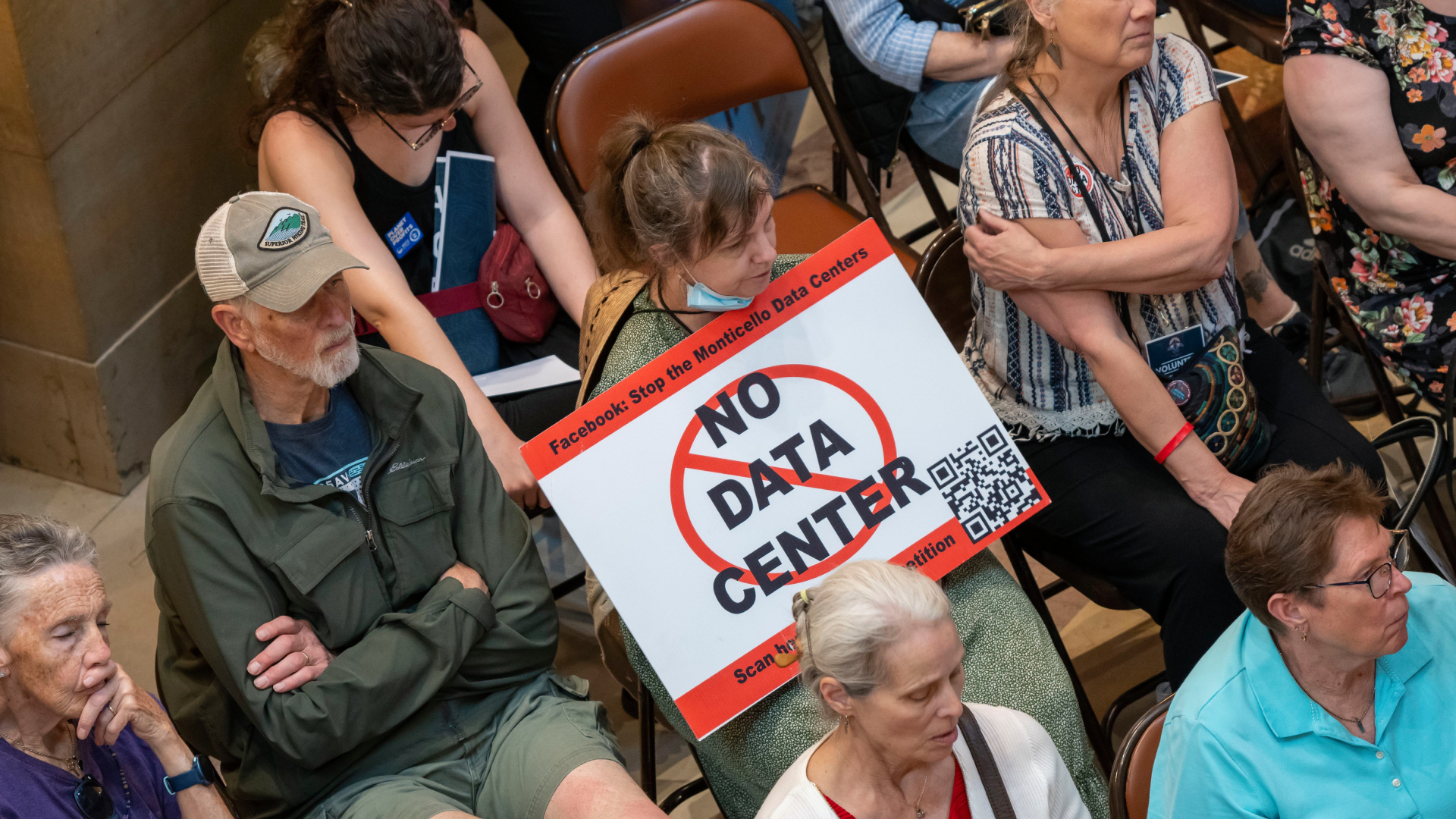
This growing opposition is not anecdotal. Reports indicate that more than 75 data center build-outs, collectively valued at an estimated $130 billion, have been successfully blocked or significantly delayed in the first few months of a recent year. This demonstrates a potent, often bipartisan, local resistance that developers can no longer ignore. In places like St. Paul, Minnesota, citizens have rallied under banners like "Data Center Moratorium Now," reflecting a widespread sentiment that the costs of these developments outweigh the perceived benefits.
Permitting and Land Acquisition: Further Friction Points
Compounding these challenges are the complexities of permitting and land acquisition. Securing the necessary permits for a large-scale industrial facility like a data center can be a protracted process, often involving multiple layers of local, state, and even federal review. Environmental impact assessments, zoning changes, and community consultations can introduce significant delays, adding months or even years to project timelines.
Land acquisition itself can also be a hurdle. While hyperscalers have deep pockets, they can encounter resistance from landowners unwilling to sell, even for substantial sums. A notable example involved a Kentucky farm family reportedly rejecting a $26 million offer for 600 acres from an unnamed AI data center suitor, choosing instead to preserve their agricultural heritage. Such instances highlight that land, like labor, is not simply a commodity that can be bought at any price; it often carries intrinsic value to its owners and communities. Delays in either permitting or land acquisition can have a cascading effect, idling skilled construction teams and further exacerbating the labor shortage when projects finally do get approved and commence.
The Path Forward: Addressing a Multi-Faceted Challenge
Long-Term Strategies for Workforce Growth
The skilled labor shortage for data center construction is a systemic issue that demands comprehensive, long-term solutions. While industry-led initiatives like Meta’s partnership with CBRE are vital, they represent only a partial remedy. A broader, coordinated effort is required, potentially involving:
- Government Investment in Vocational Training: National and regional governments could invest heavily in vocational schools, technical colleges, and apprenticeship programs specifically tailored to the trades required for advanced infrastructure, including data centers, renewable energy projects, and smart city initiatives.
- Industry-Wide Collaboration: Data center developers, contractors, and technology companies could collaborate to standardize training curricula and certifications, ensuring a consistent quality of talent across the industry.
- Promoting STEM and Skilled Trades: Renewed emphasis on promoting STEM education and highlighting the lucrative and fulfilling career paths in skilled trades can attract a new generation of workers.
- Immigration Policies: Exploring targeted immigration policies for highly skilled tradespeople could provide a short-to-medium-term relief valve, though this often comes with its own political complexities.
- Technological Innovation: While not a complete solution, greater adoption of modular data center designs and advanced construction techniques, including robotics and automation in some aspects, could potentially reduce the overall labor demand for certain tasks.
The Interplay of Constraints and the Future of AI
The emerging labor shortage underscores a fundamental truth about the AI boom: its future is inextricably linked to a complex interplay of physical, environmental, and human constraints. While attracting capital and ordering cutting-edge GPUs are relatively straightforward for well-funded tech giants, the challenges of securing adequate power, managing water resources, navigating community opposition, and, most critically, building a skilled workforce, are far more stubborn.
The industry has largely mastered the art of attracting investment. It can readily procure the latest hardware, acquire vast tracts of land (though not without resistance), and sign multi-billion-dollar power contracts. However, the development of thousands of highly experienced electricians, fiber-optic technicians, and controls engineers is a process that takes years, if not decades. This slow pace of human capital development presents perhaps the most enduring and difficult bottleneck.
As the global data center boom continues, this multifaceted challenge will necessitate a paradigm shift in planning and execution. It calls for holistic strategies that integrate workforce development, sustainable resource management, proactive community engagement, and innovative construction methods. The promise of AI is immense, but its realization will depend not just on technological breakthroughs, but equally on the industry’s ability to address these fundamental, non-technical hurdles, with the skilled hands of its workforce now at the forefront of its most critical limitations.

