

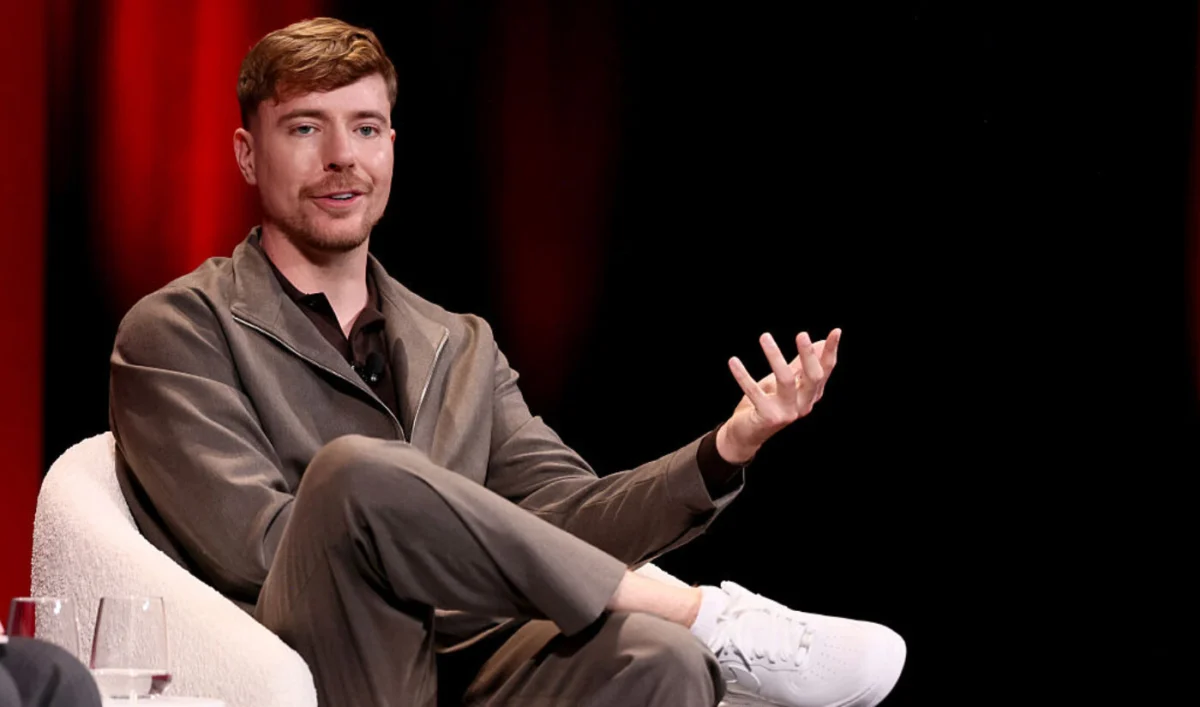
The digital content landscape has officially crossed a Rubicon. According to the latest annual ranking from Forbes, the world’s 50 most powerful digital content creators have, for the first time in history, generated a collective income exceeding $1 billion in a single year. Specifically, this elite cohort pulled in a staggering $1.02 billion, marking a watershed moment for an industry that, until recently, was often dismissed as a fringe hobby or a fleeting internet trend.
At the summit of this financial mountain stands Jimmy Donaldson, better known as MrBeast, who continues to dominate the ecosystem with an eye-watering $300 million in annual earnings. While the top-tier dominance of figures like Donaldson remains consistent, the broader data suggests a seismic shift in how creators operate, monetize, and exert influence over global culture.
The Evolution of Influence: A Five-Year Trajectory
To understand the magnitude of this $1.02 billion figure, one must look at the trajectory of the Forbes Top Creators list since its inception in 2022. In its inaugural year, the top 50 creators collectively earned $570 million. By 2025, that number had climbed to $853 million. The leap to $1.02 billion in 2026 represents an 80% increase in just four years, and a 20% year-over-year jump from 2025.
This growth is not merely a result of more creators entering the space; it is a fundamental maturation of the creator economy. As Forbes aptly summarized in their report, the industry is no longer attempting to "break into" show business—it has effectively become show business itself. The barrier between "traditional" celebrity and "digital" creator has all but dissolved, with the latter now holding the keys to the most coveted demographic: Gen Z and Gen Alpha.
Chronology of a Digital Takeover
The path to the billion-dollar milestone was paved by several strategic shifts in how content is produced and consumed:
- 2022: The Era of Awareness. When the first list was published, the focus was largely on ad revenue and brand sponsorships. Creators were beginning to prove they could move the needle for corporate partners, but the business models were relatively linear.
- 2023: The Pivot to Products. Creators began realizing that relying solely on platform algorithms was risky. This year saw a massive influx of creator-led CPG (Consumer Packaged Goods) brands, ranging from energy drinks and chocolate bars to high-end apparel.
- 2024: The Studio Model. Influencers stopped acting like solo acts and began functioning like boutique production studios. The professionalization of editing, set design, and distribution pipelines allowed for higher-quality, film-grade content.
- 2025: Intellectual Property (IP) Expansion. This period marked the transition of creator content onto streaming platforms like Netflix and Amazon Prime. The success of creator-led films served as the final validation for legacy media executives who were previously hesitant to bet on digital talent.
- 2026: The Billion-Dollar Milestone. The current year has seen the full integration of FAST (Free Ad-supported Streaming TV) channels, long-term multi-platform production deals, and the establishment of independent, creator-owned media conglomerates.
Supporting Data: Behind the Numbers
Forbes calculates these figures based on a proprietary methodology that balances account earnings, entrepreneurial ventures, and "clout"—a metric defined by follower counts and engagement ratios.
The $1.02 billion is not just "influencer money." It is the result of diversified revenue streams that have moved far beyond the basic YouTube Partner Program. Key contributors to this year’s total include:
- Direct-to-Consumer (DTC) Brands: The most successful creators are now entrepreneurs first. By leveraging their massive built-in audiences, they eliminate the need for traditional advertising spend, allowing them to capture margins that legacy brands can only dream of.
- Streaming & Theatrical Distribution: Films like Backrooms and Obsession, alongside the continued success of The Amazing Digital Circus, have proven that creator IP has a shelf life and a reach that rivals traditional Hollywood studio output.
- Long-Term Partnership Ecosystems: Brands are moving away from one-off sponsored posts in favor of multi-year, strategic partnerships where creators act as creative directors, not just billboards.
- Platform Diversification: The shift toward longer-form content on platforms like YouTube and the strategic use of FAST channels has allowed creators to capture high-value TV ad spend, which typically pays significantly higher rates than mobile-only social video.
Official Perspectives and Industry Reactions
The professionalization of the creator space has elicited responses from both the creator community and traditional business analysts. Industry insiders note that the "clout" metric is no longer a vanity statistic but a measure of community loyalty.
"The creators who are making the most money right now are the ones who have successfully transitioned from being ‘personalities’ to ‘platforms,’" says one industry analyst. "They are building ecosystems. When a fan buys a product from a creator, they aren’t just buying a drink or a piece of clothing; they are buying into a shared narrative they’ve been following for years."
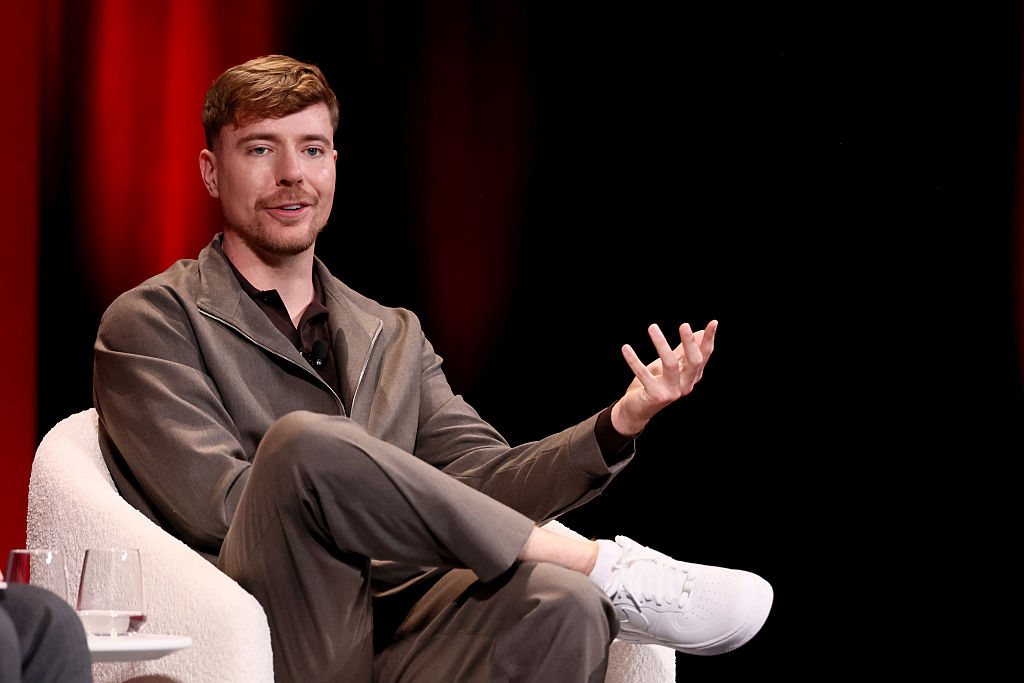
Furthermore, the surge in earnings has led to a professionalization of the support staff surrounding these creators. The top 50 are no longer lone wolves; they operate with legal teams, talent agencies, specialized production crews, and supply chain managers. This infrastructure has turned them into bona fide small businesses with high-level corporate responsibilities.
The Implications: What This Means for the Future
The implications of a billion-dollar creator economy are profound for both traditional media and the future of commerce:
1. The Decline of Legacy Gatekeeping
Hollywood can no longer dictate what is "valuable" entertainment. With creators generating blockbuster-level revenue, the power dynamic has shifted. Legacy studios are now in the position of needing to court creators to maintain relevance, rather than the other way around.
2. A New Standard for Talent
The next generation of creators will likely be even more business-literate. We are entering an era where a creator’s ability to manage a balance sheet is just as important as their ability to edit a video. Future rankings will likely show even higher concentration of wealth as successful creators begin to acquire other smaller creators, effectively becoming media holding companies.
3. The Commodification of Community
As the industry scales, the challenge will be maintaining the authenticity that built these audiences in the first place. The risk of "selling out" is a constant tension, but the market data suggests that fans are currently rewarding creators who offer them high-quality, professionalized products.
4. Regulatory Scrutiny
With $1.02 billion in earnings and massive influence over younger demographics, increased regulatory scrutiny is inevitable. From FTC guidelines on endorsements to concerns regarding the impact of parasocial relationships on younger fans, the "Wild West" days are coming to a close. The industry is moving toward a period of higher accountability and formal governance.
Conclusion: The New Reality
The fact that 50 individuals have collectively generated over a billion dollars in annual income is a testament to the fact that the internet is no longer a secondary platform for distribution—it is the primary destination for the world’s attention.
As we look toward 2027 and beyond, the creator economy is unlikely to slow down. The barrier to entry remains low, but the barrier to success has never been higher. To reach the top 50, a creator must now be a filmmaker, a marketer, a CEO, and a community manager all at once. For those who can master this hybrid role, the financial rewards are not just growing—they are setting a new standard for what it means to be a modern-day mogul.
The billion-dollar benchmark is not the end of the story; it is the opening chapter of a new era in the global entertainment economy. As creators continue to refine their business models and tighten their grip on the attention economy, one thing remains clear: the traditional gatekeepers are looking on, and they are quickly realizing that the future of content has already arrived.

