

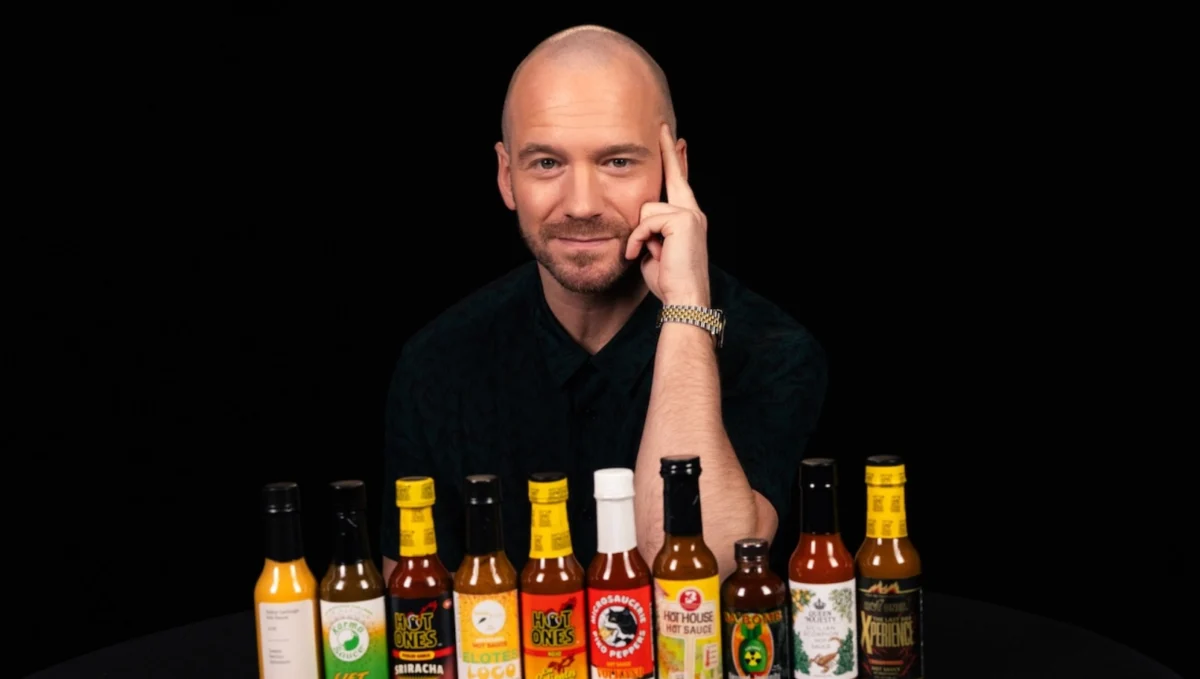
In a move that signals a seismic shift in the digital media landscape, Netflix has officially announced a strategic partnership with First We Feast to bring its viral juggernaut, Hot Ones, to the streaming giant. While the original YouTube sensation will continue its legendary run, Netflix is launching a spinoff series titled Hot Ones: Extra Heat. This new iteration is designed specifically to serve as a cornerstone for Netflix’s aggressive push into the live-event space, effectively bridging the gap between legacy digital creator culture and premium global streaming.
The Main Facts: A New Chapter for a Digital Titan
Hot Ones: Extra Heat will retain the DNA that has made the original series a pop-culture phenomenon for over a decade. Host Sean Evans will return to the hot seat, leading celebrity guests through a gauntlet of increasingly spicy wings while conducting the signature deep-dive interviews that have earned the show multiple Emmy nominations and a reputation as the gold standard for celebrity talk shows.
The core distinction of Extra Heat lies in its environment. Unlike the intimate, studio-based setup of the original YouTube series, Extra Heat is designed for "scale and spectacle." It will be produced to complement Netflix’s growing portfolio of live programming, which already includes international sports, real-time podcasting, and interactive fan activations. The show will debut on July 13, strategically positioned to follow Netflix’s inaugural broadcast of the MLB Home Run Derby—a major milestone for the platform as it establishes itself as a home for live sporting events.
The inaugural episode will feature an A-list ensemble cast including Will Ferrell, Fortune Feimster, and Jimmy Tatro, all of whom are currently promoting their upcoming Netflix golf comedy series, The Hawk. This integration underscores Netflix’s broader strategy: using established internet IPs to drive viewership for its own original narrative content.
Chronology: From YouTube Garage to Global Streaming
To understand the magnitude of this partnership, one must look at the meteoric rise of Hot Ones. Launched in 2015 by First We Feast, the show quickly defied the conventional wisdom of the late-night talk show format. By stripping away the polish of traditional network television and replacing it with the brutal honesty induced by capsaicin, Evans created a format that felt authentic, raw, and endlessly shareable.
- 2015–2017: The "Discovery Phase." Hot Ones builds a cult following on YouTube, proving that digital-native audiences crave long-form, high-quality interviews that deviate from the standard Hollywood press junket.
- 2018–2022: The "Mainstream Integration." The show racks up over 400 episodes. It evolves from a niche web series into an industry staple, hosting everyone from A-list actors and musicians to world leaders. The series earns multiple Emmy nominations, solidifying its place in the television pantheon.
- 2023–2025: Netflix’s Pivot. Netflix begins to recognize that while its library content is vast, it lacks the "water cooler" cultural impact that live, event-driven television provides. It begins experimenting with live stand-up specials, reunions, and, eventually, sports.
- July 2026: The Launch of Extra Heat. Netflix moves beyond merely licensing content by actively developing a bespoke spin-off of a YouTube IP. This represents the first time a creator-led digital show of this magnitude has been "plucked" from the YouTube ecosystem to serve as a pillar of a major streaming platform’s live strategy.
Supporting Data: The Battle for Watch Time
Netflix’s decision to bring Hot Ones into its ecosystem is not merely a creative choice; it is a defensive and offensive data-driven maneuver. YouTube currently remains the undisputed king of global watch time, with a creator economy that commands the attention of younger demographics more effectively than any legacy media outlet.
By poaching talent and formats that have thrived on YouTube—such as Salish Matter, Ms. Rachel, and Mark Rober—Netflix is attempting to import that high-engagement "creator energy" directly into its own app. The data suggests that audiences are increasingly platform-agnostic, willing to follow their favorite creators wherever they go. However, the conversion rate from YouTube to a subscription-based model is notoriously difficult.
Hot Ones is a unique case study because of its immense brand equity. With a decade of consistent production and a library of 400+ episodes, it has one of the highest "re-watch" values in the digital space. Netflix is betting that by placing this content alongside its live sports and marquee comedy series, it can shorten the distance between the "casual viewer" and the "loyal subscriber."
Official Responses: Scaling the Spectacle
The creative team behind the project views this move as a natural evolution of the talk show format. Sean Evans, who has become the face of the brand, expressed his excitement regarding the potential for expansion.
"As a student of the late-night genre, I’m obsessed with the art of the interview and believe that these conversations warrant a level of scale and spectacle that sometimes can’t be contained by a studio," Evans noted in a recent statement. "It’s exciting to partner with Netflix to continue to break new ground with the format, while keeping the core of what fans love about Hot Ones firmly intact."
Chris Schonberger, co-creator of Hot Ones and CEO of First We Feast, highlighted the synergy between the two companies. "First We Feast has a decade-plus track record of delivering fresh interview formats and break-through moments with celebrities," Schonberger stated. "It’s a thrill to continue to push the envelope with Netflix and bring the power of Hot Ones to some of the biggest, most culturally impactful moments on the service."
These statements reflect a shared vision: moving the interview format out of the constraints of a small set and into the world of live, massive-scale entertainment.
Implications: A New Era for Creator-Led Media
The implications of Hot Ones: Extra Heat are far-reaching. If successful, this partnership could set a precedent for a new business model in the entertainment industry: the "Creator-Streamer Hybrid."
The "Halo Effect" on Original Content
Netflix is using Extra Heat to provide a direct promotional vehicle for its own original series. By pairing the cast of The Hawk with a viral talk show format, Netflix is effectively gamifying its own marketing. This could eventually lead to a shift where every major Netflix release includes a "Live Talk Show" component, essentially creating a Netflix-owned late-night ecosystem.
The Challenge to YouTube’s Hegemony
While YouTube remains the home base for creators, Netflix is proving that it can compete for the same high-end production talent. For the creator economy, this creates a dilemma: do you stay on the platform that offers community and direct monetization, or do you take the "Netflix deal" to reach a broader, more premium global audience?
The Future of Live Events
The July 13th debut, following the MLB Home Run Derby, is the most telling aspect of this strategy. Netflix is attempting to create a "Live Night" block of programming. If viewers stay on the platform to watch the Home Run Derby, Netflix wants to ensure they have high-quality, relevant content to keep them engaged immediately after the event ends. By curbing "churn" (the rate at which subscribers leave the app), Extra Heat becomes a vital utility for the platform’s bottom line.
Looking Ahead
The industry will be watching the viewer metrics of Extra Heat with extreme interest. While we may never see the granular internal data that Netflix holds, the long-term commitment to the format—specifically whether it is greenlit for a second or third season—will serve as a bellwether for the future of streaming.
If Hot Ones succeeds on Netflix, expect a flood of other top-tier YouTube creators to pursue similar crossover deals. The line between "YouTuber" and "Television Host" is already blurring; with this move, Netflix has effectively erased it. Whether this represents a triumph for the creator economy or a corporate assimilation of digital culture remains to be seen, but one thing is certain: the stakes have never been hotter.

