

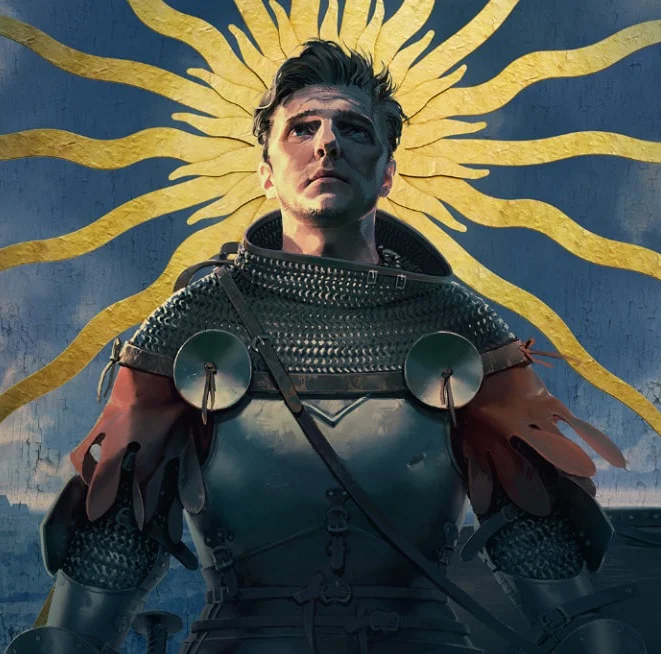
In an ecosystem often dominated by repetitive "obby" obstacle courses, low-effort simulators, and aggressive microtransaction-heavy "brainrot" experiences, a quiet revolution is taking place on the Roblox platform. The center of this shift is TTK, a gritty, tactical first-person shooter (FPS) that has managed to capture the attention of over 7 million players in a matter of weeks. By stripping away the bloat and focusing on high-lethality realism, developers PoptartNoahh and CanyonJack—operating under the moniker Sable Digital—have proven that there is a massive, underserved appetite for polished, hardcore gameplay on the platform.
The Genesis of a Viral Hit: Main Facts
At its core, TTK is a multiplayer FPS that rejects the standard tropes of the Roblox platform. There are no colorful, blocky avatars, no endless grinding, and, most notably, no predatory monetization schemes. It is a lean, mean, tactical experience that prioritizes player agency, sound design, and mechanical depth.
The game’s rapid ascent is a testament to the power of social media and visual fidelity in the modern gaming era. After launching in its current state in April, TTK spent months in relative obscurity. However, a sudden surge of viral clips showcasing the game’s realistic deathmatches—characterized by "slow" movement, floaty yet precise aiming, and high-stakes combat—catapulted it into the mainstream consciousness of the Roblox community. For many players, it served as a jarring reminder that Roblox’s engine, often dismissed as primitive, is capable of delivering experiences that rival mid-tier indie titles found on Steam.
A Chronological Breakdown: From Prototype to Phenomenon
The history of TTK is one of humble beginnings and unexpected acceleration.
- April 2024: Sable Digital officially publishes the first playable version of TTK. Initially designed as a testing ground for mechanics, it remains a quiet project.
- Summer 2024: The developers iterate on the game’s core loop, focusing on "tactical feel"—incorporating features like magazine checking, directional audio, and high-lethality weapon handling.
- Late Summer 2024: The game begins to gain traction on platforms like TikTok and X (formerly Twitter). Clips of TTK’s intense, realistic gunplay go viral, highlighting the stark contrast between this title and the "idle clickers" that typically dominate the front page.
- September 2024: The game hits the 7-million-visit milestone. The developers admit to being overwhelmed, noting that the Roblox algorithm identified and promoted the game before they were fully prepared for a massive influx of concurrent users.
The Technical Foundations: Supporting Data and Mechanics
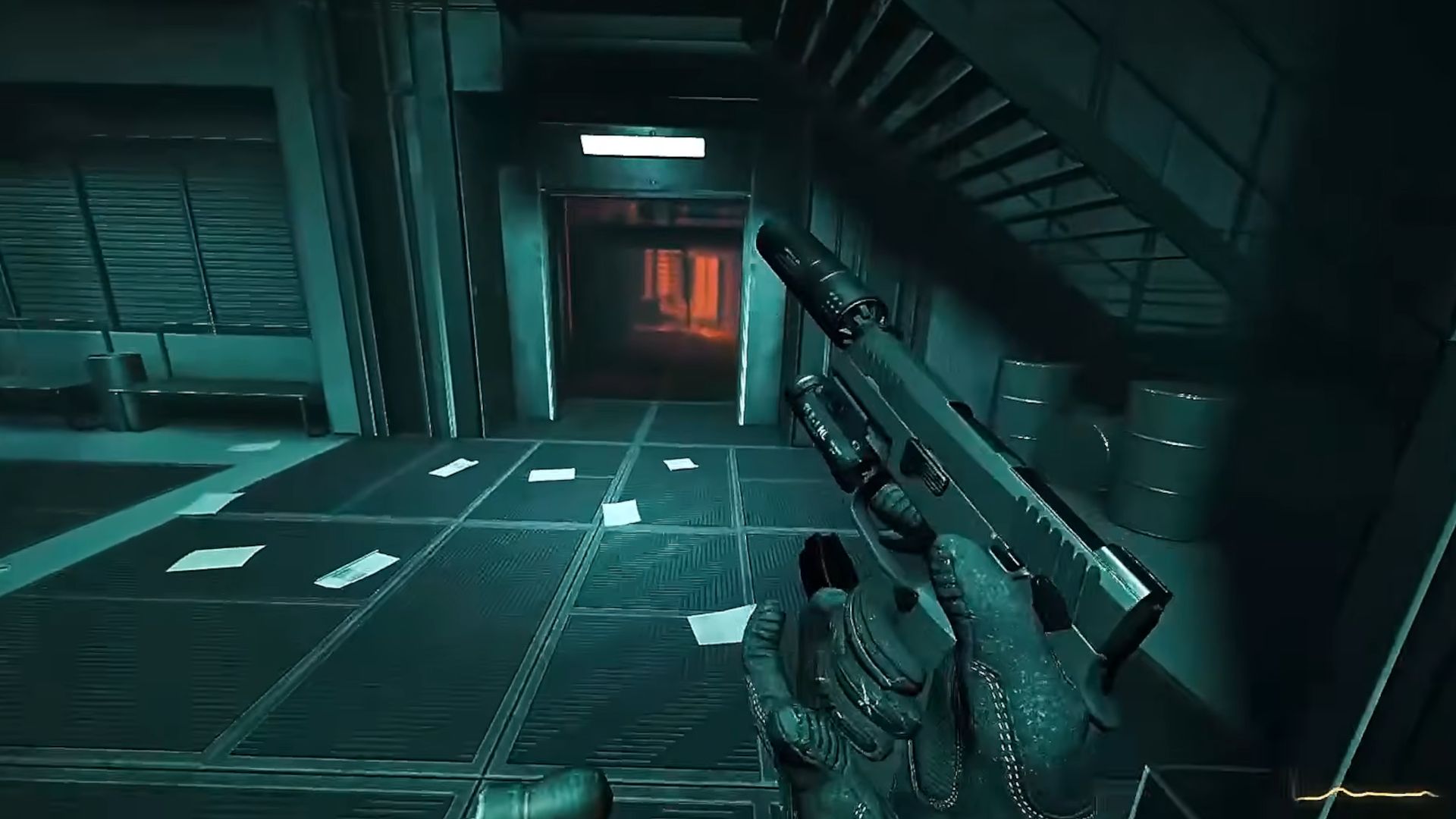
What separates TTK from its predecessors on the platform is its commitment to immersion. Sable Digital has been transparent about their inspirations, citing bodycam shooters and SWAT-style tactical games like Ready Or Not as their primary influences.
Mechanical Depth
The "TTK" in the title is an industry acronym for "Time to Kill," a metric that is intentionally kept extremely low in the game. This design choice forces players to prioritize positioning, communication, and tactical awareness over "run-and-gun" reflexes. Key features include:
- Magazine Checking: A mechanic rarely seen in the Roblox ecosystem, allowing players to physically verify their remaining ammunition.
- Directional Audio: The sound design is sophisticated enough that footsteps and gunfire are accurate indicators of enemy movement, adding a layer of tension to corner-clearing.
- Loadout Variety: While currently in a "vertical slice" phase, the existing weapon systems emulate the feel of professional tactical shooters, offering a weightiness that feels fundamentally different from the "floaty" nature of standard Roblox movement.
Platform Performance
One of the most impressive technical feats of TTK is its accessibility. Despite its high-fidelity look, the game remains optimized for mobile devices, which constitute a significant portion of the Roblox player base. By managing to look "next-gen" while remaining performant on hardware as varied as a high-end PC and a budget smartphone, Sable Digital has unlocked a massive potential market that many larger developers struggle to reach.
Official Perspectives and Dev Insights
The developers, PoptartNoahh and CanyonJack, have maintained a grounded perspective despite the sudden fame. In interviews and developer logs, the duo has expressed a sense of shock regarding the game’s growth. They maintain that the current build is merely a "vertical slice"—a functional prototype intended to test the engine’s capability for more complex systems.
According to the developers, the roadmap for TTK is ambitious. They plan to transition away from simple deathmatches toward "co-op PVE squad AI mechanics." This shift aims to introduce story-based "doorkicker" missions, which would see players working in squads to clear rooms, rescue hostages, and engage with AI that mimics real-world tactical threats.
The pair has also been vocal about the "Roblox algorithm," which they claim "found them too early." This suggests a common frustration among independent developers: the platform’s discovery mechanisms can sometimes force a project into the spotlight before the developers have had the chance to implement their full feature set or squash all the bugs.
The Ethical Implications: A Departure from Monetization
Perhaps the most significant aspect of TTK is its economic model. In a landscape where "pay-to-win" mechanics and intrusive advertisements are the norm, TTK stands out as a refreshing anomaly.
Currently, the game features a single, optional 400 Robux "supporter pack" that grants cosmetic profile effects. There are no pressure pads, no pop-up windows begging for purchases, and no artificial barriers to entry. This approach has generated significant goodwill among the community. It poses an interesting question: can a game survive on the Roblox platform without aggressively extracting money from its young demographic?
For now, the answer appears to be yes, though observers remain skeptical. Will the developers eventually be pressured by the platform’s economic incentives to introduce more aggressive monetization, or will they hold the line? The current lack of monetization may be a byproduct of the game’s "testing" phase, but it has certainly set a standard that players are now beginning to demand from other developers.
The Bigger Picture: Roblox as a Serious Gaming Engine
TTK serves as a microcosm for the evolution of Roblox. For years, the platform was synonymous with simple mini-games and children’s playthings. However, the success of TTK—and its peers in the tactical shooter genre—signals a demographic shift. An older, more demanding audience is migrating to the platform, looking for experiences that mimic the depth of Steam-based tactical shooters.
While TTK is, by the developers’ own admission, "just fine" when compared to the vast library of shooters on platforms like Steam or Epic Games, it is a revelation within the context of Roblox. It proves that the engine can support high-tension, high-skill-ceiling gameplay.
Future Outlook
As Sable Digital continues to develop TTK, the industry will be watching to see if they can maintain their momentum. The transition from a simple deathmatch mode to a complex, story-driven PVE experience is fraught with difficulty. If they succeed, they could set a new blueprint for how tactical shooters are built on the platform.
Ultimately, TTK is more than just a game; it is a signal. It tells the Roblox corporation that there is a hunger for professional, respectful, and mechanical-heavy design. Whether this trend forces a platform-wide shift or remains a localized phenomenon depends on whether developers like PoptartNoahh and CanyonJack can scale their vision without losing the minimalist, player-first ethos that made them famous in the first place. For now, the "door-kickers" of Roblox have found their new home, and the competition has officially been put on notice.

