

Welcome to this week’s deep dive into the most-watched branded content on YouTube. As the creator economy continues to evolve, the intersection of high-production influencer entertainment and corporate sponsorship is shifting in real-time. This report, powered by data from Gospel Stats, offers a granular look at which brands are successfully infiltrating the creator ecosystem and how they are navigating the increasingly crowded landscape of AI-driven marketing.
The data is clear: companies flush with capital from the recent AI boom are no longer content with passive banner ads or standard pre-roll spots. They are aggressively leveraging the parasocial influence of top-tier YouTubers to normalize and demonstrate their generative tools to massive audiences.
Main Facts: AI Dominates the Sponsored Landscape
This week’s top-performing sponsored videos highlight a singular, overarching trend: the integration of Artificial Intelligence into everyday entertainment. From culinary challenges to DIY fishing hacks, AI is being positioned as a "must-have" assistant for the modern creator.
The top-ranked video, featuring Nick DiGiovanni and Higgsfield AI, generated over 17.8 million views, proving that when high-quality production value meets a novel AI hook, audiences are more than willing to engage. While legacy brands continue to spend, the rapid ascent of AI startups like Higgsfield, Fish AI, and Google’s own Gemini suite suggests that the "AI Gold Rush" is the primary driver of current YouTube sponsorship budgets.
Chronology of Top Sponsored Hits
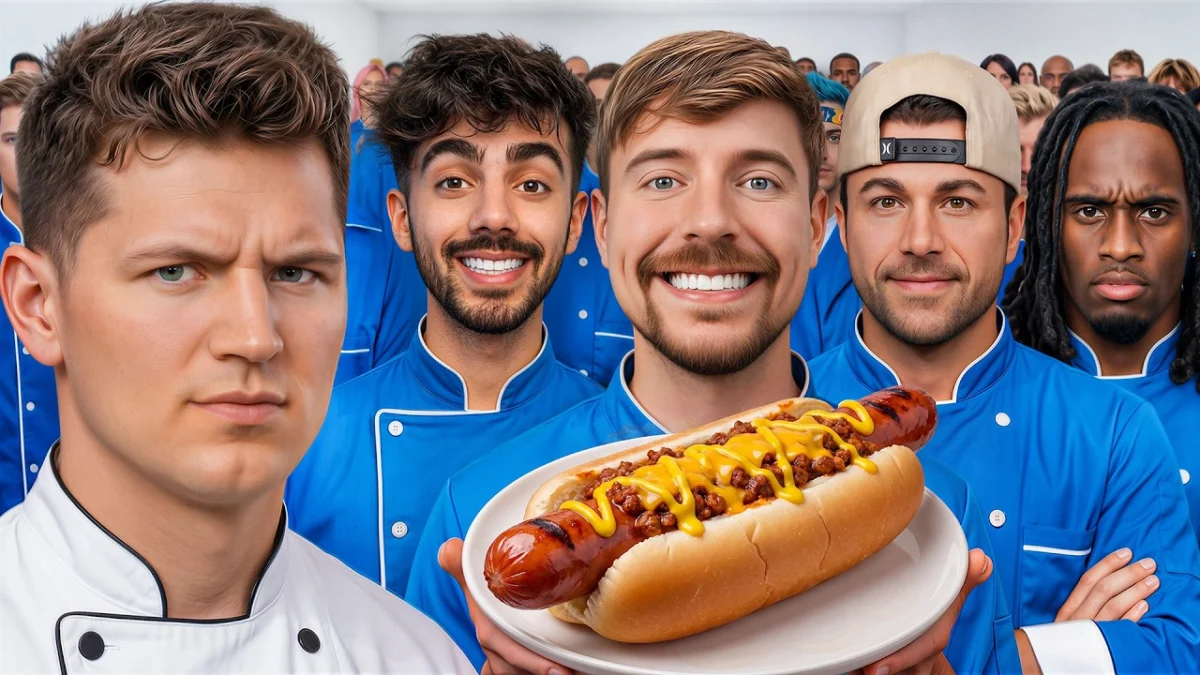
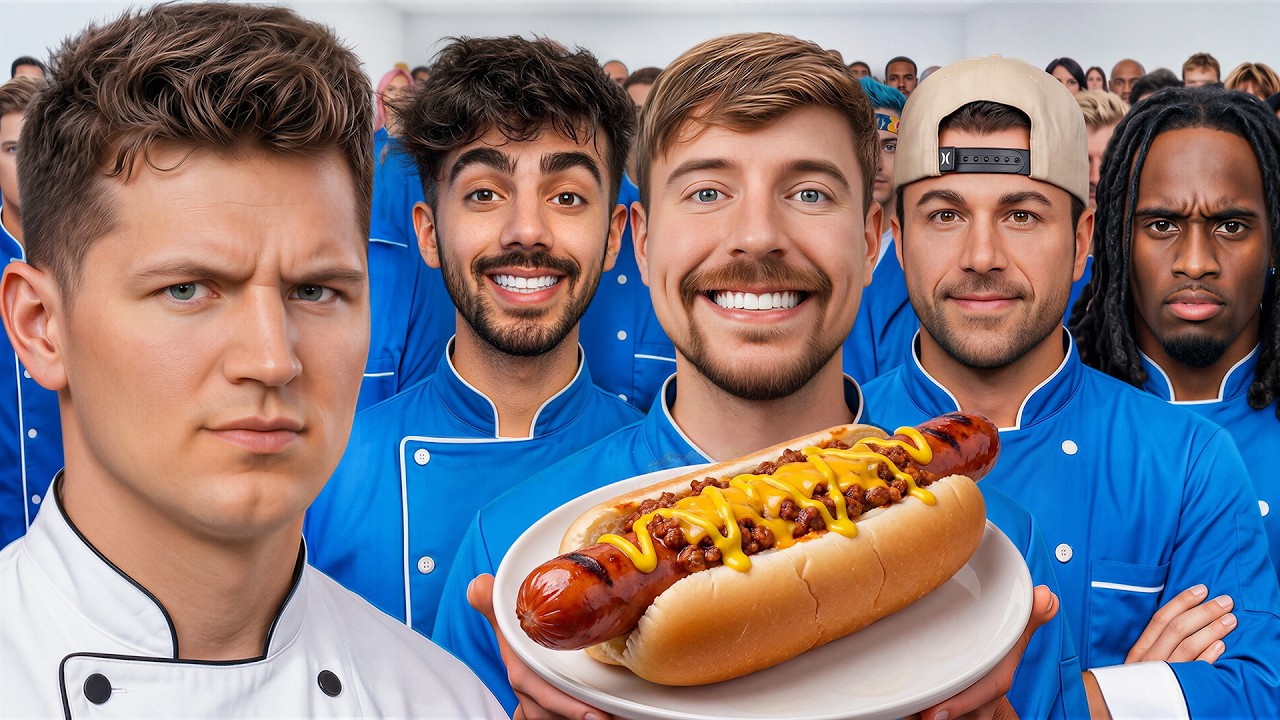
1. The Culinary Deepfake: Nick DiGiovanni x Higgsfield AI (17.8M Views)
In a 50-minute marathon of culinary chaos, celebrity chef Nick DiGiovanni traveled across the country to "prank" his fellow creator elite—including MrBeast, Ryan Trahan, and Airrack—by tasking them with preparing their favorite dishes.
The brilliance of the sponsorship lies in its utility. When the non-chef creators inevitably struggle, DiGiovanni introduces Higgsfield AI. He demonstrates the tool by transforming a mundane photo of his own dish into a high-definition video of himself enjoying the meal in an upscale setting. By solving a visual storytelling "pain point," DiGiovanni makes the AI tool feel like a professional necessity rather than a forced ad read.
2. The "Karen" Factor: Three Amigos Fishing x Fish AI (13.8M Views)
Fishing content on YouTube has developed a unique sub-genre: the "Fishing Drama" short. These videos often feature confrontations with local authorities or irate bystanders. In this viral clip, the Three Amigos Fishing crew utilizes a standard high-stakes conflict format—being accused of trespassing—to showcase Fish AI.
By weaving the app’s ability to find "hot spots" into the narrative of their successful outing, they provide social proof that the app works. Despite mixed user reviews on the Play Store, the video’s high view count suggests that the promise of a "secret edge" is a powerful motivator for hobbyist consumers.
3. The Stylistic Gamble: LADbible & Google UK x Gemini (14.6M Views)
Google UK’s partnership with LADbible brought a more lighthearted approach to AI. Using Gemini, TV presenters Sam Thompson and Pete Wicks explored radical new hairstyles, allowing the LLM to visualize their transformations. This campaign serves as a crucial case study in how Big Tech is softening its image. By focusing on the playful, creative potential of generative AI rather than its technical complexity, Google is successfully lowering the barrier to entry for the average consumer.
4. The Classic Conversion: MrBeast 2 x Feastables (10.2M Views)
MrBeast remains the undisputed king of brand integration, even when he isn’t the primary focus of the sponsorship. In a classic "money-for-tasks" format, he offered $10,000 to the first student to bring him a Feastables bar. While this ad is "AI-free," it represents the gold standard of native advertising: the product is the premise. The high conversion rate of viewers to customers is largely due to the seamless nature of the integration; the brand is woven into the DNA of the video’s competitive spirit.
Supporting Data and The "Long Tail"
While the giants pull in eight-figure view counts, the "long tail" of the creator economy shows that niche creators are also benefiting from the AI surge. For example, Journey with the Hintons partnered with Genspark AI to discuss "getting paid just to exist" using an all-in-one AI workspace.
While the view count (46,149) pales in comparison to MrBeast, the intent of the sponsorship is different. These smaller, more intimate channels act as trust brokers for complex B2B or productivity tools. According to the YouTube 2025 Sponsorship Landscape Report, brands are increasingly shifting a portion of their budget toward these "mid-tier" influencers who boast higher audience trust and conversion rates compared to global superstars.
Official Perspectives: The Rise of the AI-Sponsor
The shift toward AI-heavy sponsorship is not accidental. Industry analysts at Gospel Stats point to a coordinated effort by AI companies to colonize the creator space.
"We are seeing a trend where companies are not just buying space; they are buying the creator’s endorsement of their workflow," says a lead analyst at Gospel Stats. "When a creator like Nick DiGiovanni or a brand like LADbible uses an AI tool to solve a real-time problem, it functions as a live tutorial. It is the most effective form of ‘Top of Funnel’ marketing currently available."
Furthermore, Google’s increased frequency in sponsoring content on its own platform signals a strategic pivot: the company is actively normalizing the use of generative tools among the very creators who will eventually build the next generation of YouTube content.
Implications: Where Does the Industry Go From Here?
As we look toward the remainder of 2025, three primary implications emerge:
- The Death of the "Stiff" Ad Read: Audiences are becoming increasingly sophisticated at identifying, and skipping, traditional ad reads. The success of this week’s top videos indicates that brands must now provide value within the sponsorship—whether that is humor, a unique visual demonstration, or a direct utility that improves the creator’s output.
- AI as a Content Partner: AI is no longer just a subject to talk about; it is becoming a production tool. We expect to see more sponsorships where the AI tool is used to edit, color-grade, or enhance the video in real-time, effectively blurring the lines between a "sponsored segment" and the "content itself."
- The Trust Economy: As AI deepfakes and generative content become more prevalent, the value of human-centric creators—those who can build genuine trust—will skyrocket. Brands will pay a premium for creators who can vouch for the ethical and practical utility of the AI tools they promote.
Final Thoughts
The "Gospel Stats Weekly Brand Report" makes one thing abundantly clear: the creator economy is currently the primary battleground for the AI industry. As these companies pour their funding into the hands of YouTubers, the boundary between advertisement and entertainment will continue to dissolve.
For brands looking to enter this space, the lesson is simple: stop selling, start demonstrating. For creators, the lesson is even simpler: integrate, or get left behind.
For those interested in the full breakdown of sponsorship trends, market valuations, and the shifting demographics of the creator economy, you can download the YouTube 2025 Sponsorship Landscape Report via the Gospel Stats portal. Stay tuned to our weekly coverage as we continue to track the brands defining the future of digital entertainment.

