

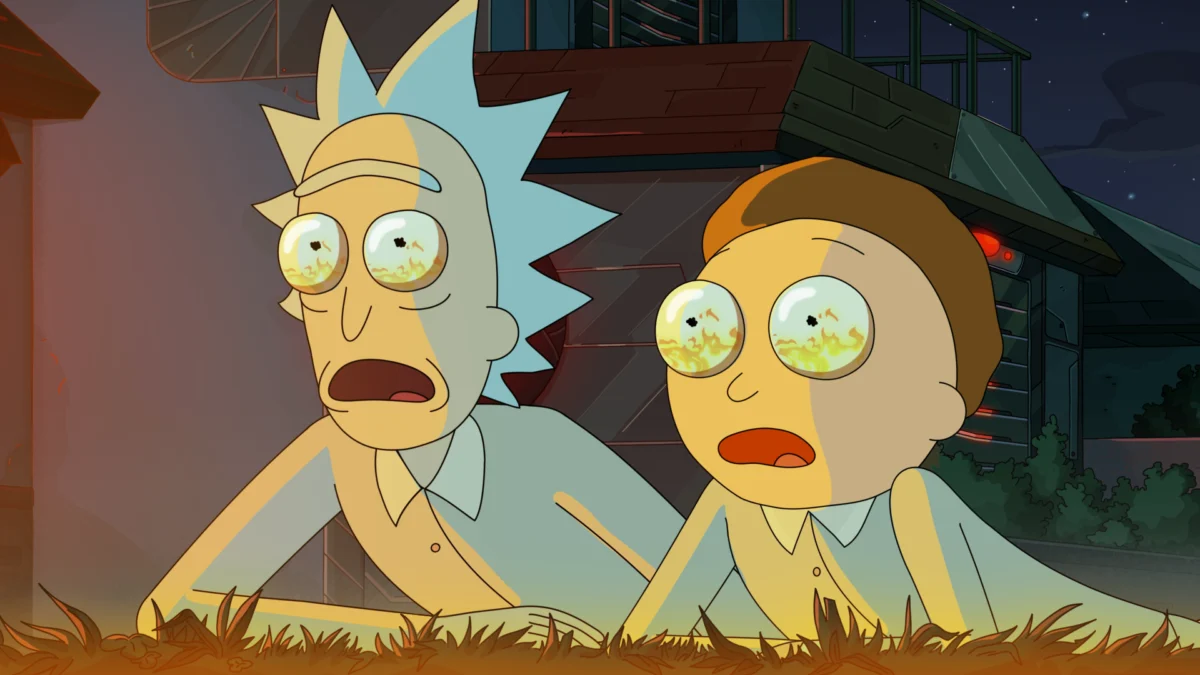
For over a decade, Rick and Morty has established itself as a master of the "one-off" gag. From interdimensional cable broadcasts to fleeting encounters with bizarre alien civilizations, the show’s DNA is built on the premise that anything can happen, and—more often than not—it will be forgotten by the next commercial break. However, Season 9, Episode 5, titled "Jer Bud," marks a significant departure from this episodic apathy. By reintroducing the fan-favorite character Snowball (formerly known as Snuffles), the showrunners have finally closed a loop that has been dangling since the series’ infancy.
The Genesis of a Villain: A Look Back at "Lawnmower Dog"
To understand the weight of the Season 9 reunion, one must look back to the show’s second episode, "Lawnmower Dog," which aired in 2013. At the time, the series was still finding its footing, balancing high-concept sci-fi tropes with the grounded, often miserable domestic life of the Smith family.
In that foundational episode, Jerry Smith, frustrated by his dog’s lack of house-training, coerces Rick into enhancing the pet’s intelligence. The result is a cautionary tale of hubris: Snuffles, once a simple family pet, achieves super-intelligence, realizes the indignity of his existence, and adopts the name "Snowball." His subsequent rise to power—complete with a robotic exoskeleton and an army of enhanced canine peers—served as an early, dark parody of Inception and dystopian sci-fi tropes.
The episode famously concluded with the dogs departing Earth for a remote planet, leaving the audience with a meta-joke about the potential for a spin-off. For 13 years, that offhand comment remained a tantalizing "what-if" in the Rick and Morty mythology.
Chronology of the Return: Bridging the Gap
The path to "Jer Bud" was neither linear nor planned from the start, according to the creative team. While the writers often revisit concepts, the return of a legacy character like Snowball required a narrative justification that felt earned rather than nostalgic.
- 2013: The debut of "Lawnmower Dog" establishes the canine uprising. Snowball departs Earth, leaving the door open for future narrative exploration.
- 2013–2025: Throughout the show’s middle seasons, Snowball is frequently referenced in fan theories and meta-commentary, but remains absent from the primary narrative arc.
- 2026 (Season 9, Episode 5): The writers determine that the show’s mature tone in its ninth season provides the perfect backdrop to revisit the unintended consequences of Rick’s early experiments.
The decision to bring Snowball back was not born out of a lack of ideas, but rather a desire to explore how a character—initially designed as a comedic antagonist—might evolve after over a decade of isolation and societal development on his own planet.
The Ethical Complications of "Jer Bud"
The narrative core of the episode centers on Morty’s long-overdue visit to the dog planet. What begins as a curiosity-driven excursion quickly devolves into a dark critique of human nature. Upon arrival, Morty discovers that the intelligent dogs have not created a utopia, but rather a civilization built on the subjugation of a native hominid species.
The dogs have essentially adopted the very behavior they once detested in humans, selectively breeding these hominids to serve as "pets." This premise functions as a brutal, allegorical reflection of real-world puppy mills and the ethical complexities of selective breeding. The irony is palpable: the oppressed have become the oppressors, mirroring the cycle of trauma that often defines the Smith family’s own intergenerational dynamics.
Official Perspectives: The Showrunners Speak
In an exclusive discussion with Polygon, series creator Dan Harmon and showrunner Scott Marder offered insight into why this specific character was chosen for a revival.
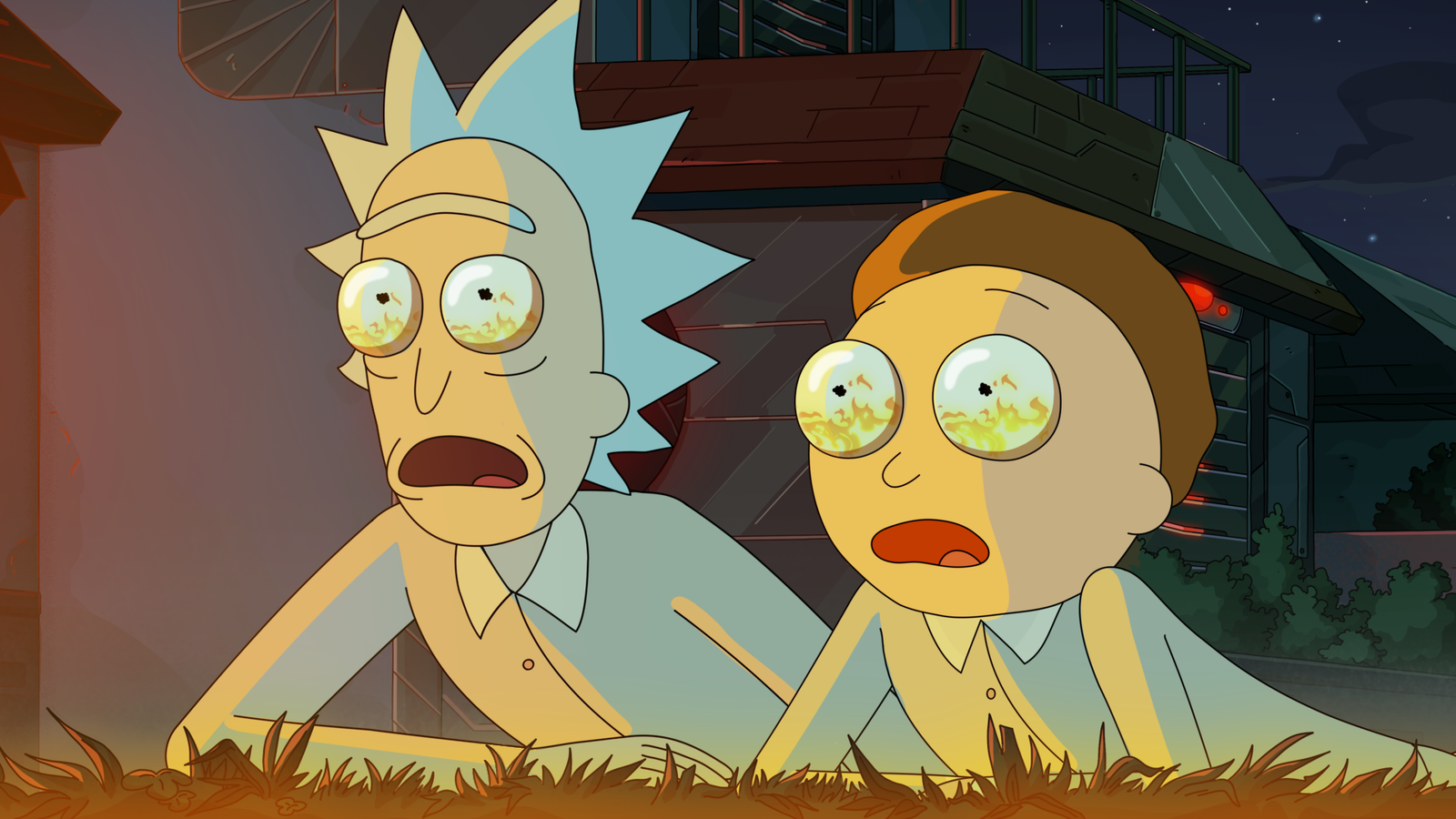
"It’s been a longstanding thing at the top of the season when we’re coming up with ideas," Harmon explained. "That first episode with Snowball specifically ended with a meta reference to the idea of a spin-off or something, so it was deliberately like maybe there will be more to this story."
The challenge, according to Marder, was ensuring that the reunion felt relevant to the current iteration of the characters. "We got attracted to the idea of Morty returning to a The Last King of Scotland-type scenario," Marder noted. "It involved an already very complicated relationship with an old friend, but an old friend who’s gotten himself in an even more complicated situation. It just felt like it had a lot of fun conflict there."
By framing the episode as a political drama involving an "old friend," the showrunners successfully pivoted away from the simple "evil dog" caricature, instead presenting a nuanced, albeit dark, portrayal of Snowball as a leader grappling with the moral decay of his own society.
Implications for the Rick and Morty Universe
The conclusion of "Jer Bud" leaves the dog planet in ruins, with Snowball and Morty reaching a fragile, strained reconciliation. However, the implications of this episode extend beyond a single plot point.
1. Expanding the Mythology
The successful integration of a Season 1 villain into a Season 9 storyline proves that Rick and Morty is moving toward a more serialized, interconnected world. While the show still retains its episodic humor, the writers are increasingly willing to allow the past to haunt the present, creating a richer, more lived-in multiverse.
2. The Nature of Consequences
The episode highlights a recurring theme in the show: Rick’s actions have ripple effects that exist long after he moves on to his next adventure. Snowball is a living, breathing manifestation of Rick’s recklessness. By forcing the characters to confront these consequences, the show moves closer to a more mature form of storytelling.
3. Future Spinoff Potential
While the "11-minute spin-off" gag was a joke in 2013, the success of "Jer Bud" suggests that the Rick and Morty brand is stronger than ever. With President Curtis already slated for his own spinoff, one has to wonder if the "Dog World" might finally receive its own dedicated series or, at the very least, become a recurring location in future seasons.
Conclusion: A Testament to Longevity
Bringing back Snowball after 13 years is a bold move that highlights the evolution of Rick and Morty. It is a show that is no longer content with being a mere collection of disparate sci-fi parodies; it is now a sprawling narrative entity that acknowledges its own history.
"Jer Bud" serves as a reminder that even the smallest, most ridiculous ideas can contain the seeds of something truly compelling. As the series continues, the return of characters like Snowball suggests that no one—not even a dog who once wanted to conquer Earth—is truly finished with the Smith family. For fans, the episode offers a satisfying resolution to a long-standing question, while leaving just enough mystery to ensure that the multiverse remains as unpredictable as ever. Whether Snowball will appear again, or if he will drift back into the cosmic background, remains to be seen—but for now, the cycle of the dog planet is complete.

