

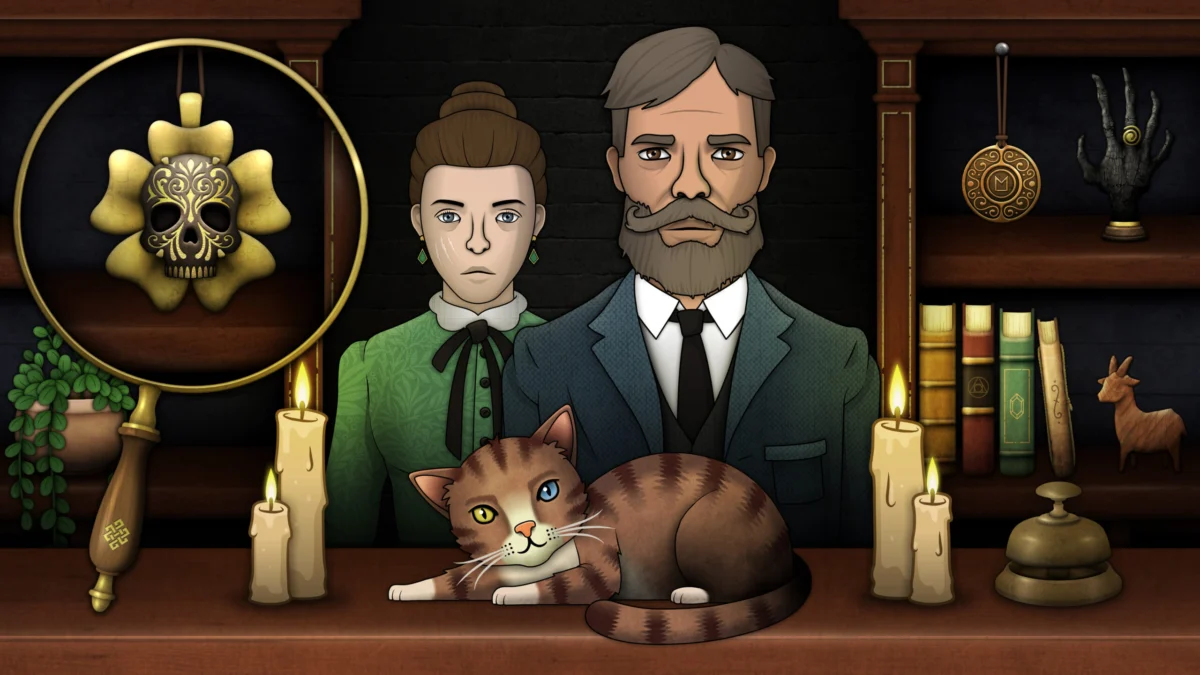
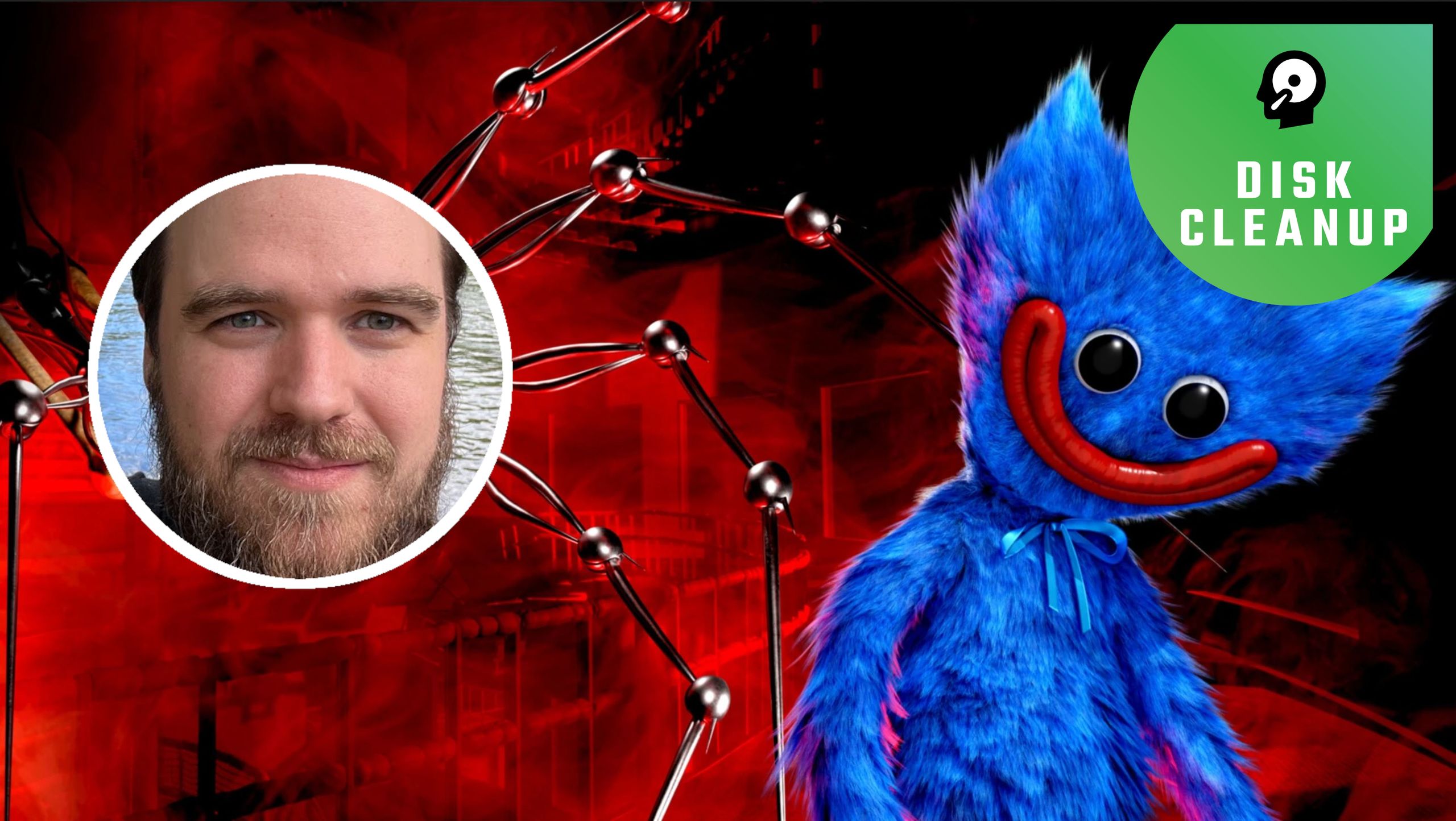
In the high-stakes world of modern game development, where narrative density and technical performance are constantly at war, few figures have navigated the transition as deftly as Bryce Clark. As the Game Director behind the terrifyingly popular Poppy Playtime: Chapter 5, Clark’s work has defined the "mascot horror" genre for a generation of players. Yet, beyond the jump scares and the eerie aesthetics of the Playtime Co. factory lies a developer whose relationship with his own PC is as complex and methodical as the game engines he masters.
This week, as part of our ongoing Disk Cleanup series—a deep dive into the digital lives of the industry’s most influential creators—we sat down with Clark to unpack the hardware, software, and habits that fuel his creativity.
A Legacy of Troubleshooting: From DOS to Director
For Bryce Clark, the journey into game development began in the trenches of early PC computing. Unlike many who entered the industry through modern, high-level engines, Clark’s foundational experiences were rooted in the temperamental world of 1990s DOS gaming.
His formative years were defined by Dominus, the 1994 fantasy real-time strategy title. While the game itself was a marvel of its time, its technical requirements were a nightmare for the uninitiated. "It was nearly impossible to get working," Clark recalls. "My poor dad ended up spending so many hours on the hard line trying to call tech support. ‘Why is this video game not working for my son?’ It was a lot about troubleshooting way back."
This early baptism by fire—spending more time configuring autoexec.bat files than actually playing the game—instilled in Clark a profound respect for technical stability. After two decades in the industry, spanning tenures at titans like 343 Industries and Blizzard, he joined Mob Entertainment in 2023. As the Lead Technical Artist and, eventually, Game Director, he brought that same troubleshooting mindset to Poppy Playtime: Chapter 5.
"Our goals were to find ways to improve the gameplay flow," Clark explains. "What are the ways we can try and make chases more compelling? What can we do to make the puzzles harder in places where you do not have to complete them and easier in places where you do—and just generally trying to find ways to better integrate the narrative into the gameplay experience."
The Current Queue: A Balancing Act of Genres
When asked what currently occupies his hard drive, Clark describes a workflow that mirrors his development philosophy: a constant, obsessive pursuit of market awareness and mechanical variety. "I’m a bit of an oddball in that I’m always playing somewhere between three and six games at a time," he admits.
His current rotation is eclectic, ranging from indie gems to complex, long-form simulations:
- Aethus: Clark describes this as an "inspiringly well-executed" solo project. He draws a direct parallel between its subterranean base-building and the narrative tension of Subnautica, noting how the game manages its oxygen mechanics to build mystery.
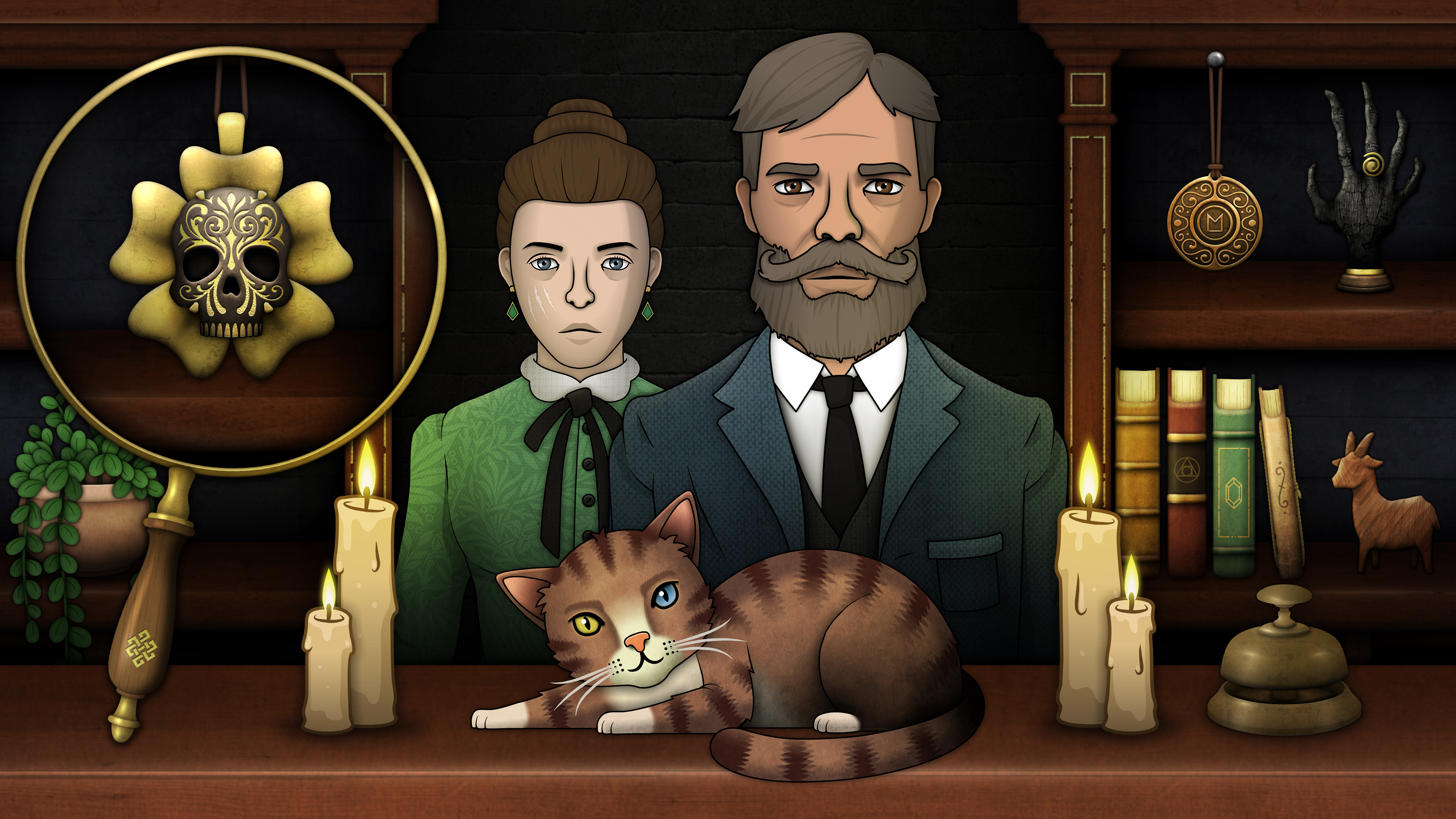
- Strange Antiquities: Following his interest in narrative-driven mystery, he has been exploring the sequel to Strange Horticulture. For a developer focused on player interaction, this title serves as a masterclass in blending discovery and puzzle-solving.
- Prosperous Universe: Perhaps the most "niche" entry in his library, this real-time economic MMO is, in Clark’s words, an "incremental game" that fits into the gaps of his life. By treating it as a persistent, background system where production orders take hours to complete, he maintains a connection to its complex political and economic systems without compromising his professional schedule.
The Art of the "Soulful" Experience
When shifting the conversation to the most recent additions to his collection, Clark highlights a distinct preference for games that evoke specific emotional responses or mechanical perfection.

"The most compelling game as an art piece was Cairn," he notes, praising its climbing mechanics as some of the most accurate representations of the sport in the medium’s history. Conversely, his interest in "soothing" experiences led him to Librarian: Tidy Up the Arcane Library!. While it might seem a far cry from the high-tension environment of Poppy Playtime, Clark finds a strange fascination in its premise. "It captures that PowerWash Simulator energy," he says. "There’s a soothing element to this rote process, but there’s something fascinating about representing a gigantic problem and having to develop your own process for tackling it."
Historical Persistence: Why Some Games Stay
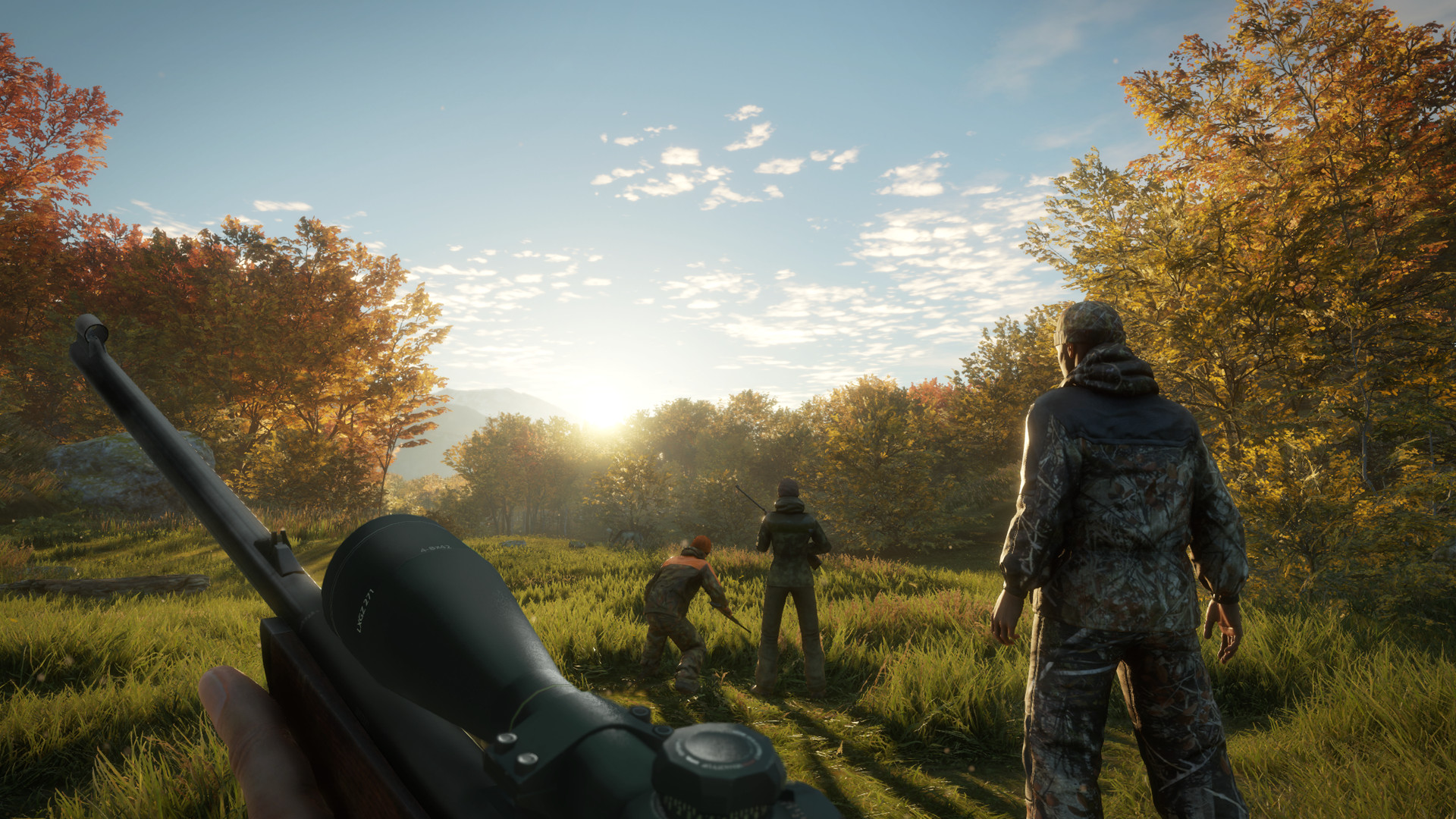
Despite the revolving door of new releases, Clark’s PC acts as a repository for games he simply cannot bring himself to delete. The oldest titles currently occupying space on his drive are No Man’s Sky (2016) and The Hunter: Call of the Wild (2017).
"I find that a lot of what draws me into games is the learning and discovery," Clark explains. "At a certain point, once I feel like I’ve fully understood what the game has to offer, I’m not always very compelled to actually finish it. I’m like, ‘Okay, I’m done here,’ which is a bad habit. I’ve been trying to get better at it."
This philosophy of "learning as a game" is perhaps best reflected in his statistics. With over 23,000 hours logged on Steam across 18 years, Clark is no stranger to the grind. His top-played titles—Rocket League (745 hours), Ark: Survival Evolved (651 hours), and 7 Days to Die (538 hours)—all share a common thread: an incredibly high skill ceiling.
Regarding Rocket League, he offers a piece of wisdom that could just as easily apply to his work at Mob Entertainment: "The first 500 hours are learning how to hit the ball, and the next 500 hours are learning when not to hit the ball. There’s just so much that goes into it."
The "Comfort" Constants
When pressed to identify the games he would never, ever uninstall, Clark points to two titles: The Hunter: Call of the Wild and Subnautica.

For The Hunter, he acknowledges the irony of his choice, given his stance on modern sport hunting. "It seems like an odd one to some folks," he admits. "For me, it’s a gorgeous walking simulator. You get to just hike, and I let myself be immersed in the environment and listen to the sounds."
Subnautica serves a similar function. The combination of intense, survival-based pressure and moments of absolute, tranquil isolation provides a therapeutic outlet. "When everything else is challenging in life, one of these games will bring me some peace and joy."
The Professional Toolkit
Beyond the gaming library, Clark’s PC is a high-performance machine optimized for technical efficiency. Two non-gaming utilities stand out as indispensable:
- Snagit: While many view it as a simple screenshot tool, for Clark, it is a vital part of his daily communication workflow. The ability to quickly capture, annotate, and mark up visuals allows him to bridge the gap between technical requirements and artistic vision.
- WinDirStat: As a developer working with heavy assets and massive project files, disk space is a premium resource. WinDirStat’s ability to visualize folder structures and identify memory-hogging bloat is essential for keeping his system running at peak capacity.
Implications for Future Development
Bryce Clark’s approach to his digital workspace—minimalist, utilitarian, and deeply inquisitive—is a microcosm of his professional ethos. He values tools that remove friction, games that teach him something about systems design, and experiences that provide a sense of place.
As he looks toward the future of Poppy Playtime and his career at Mob Entertainment, the lessons he’s learned from his own PC usage are clear: whether it’s a 3,000-book library in an arcane game or a complex production line in an interstellar MMO, the secret to success lies in the ability to organize the chaos. By keeping his own digital environment clean and his mind open to diverse genres, Clark ensures that he remains at the forefront of the horror genre, not just as a developer, but as a student of the medium itself.

