

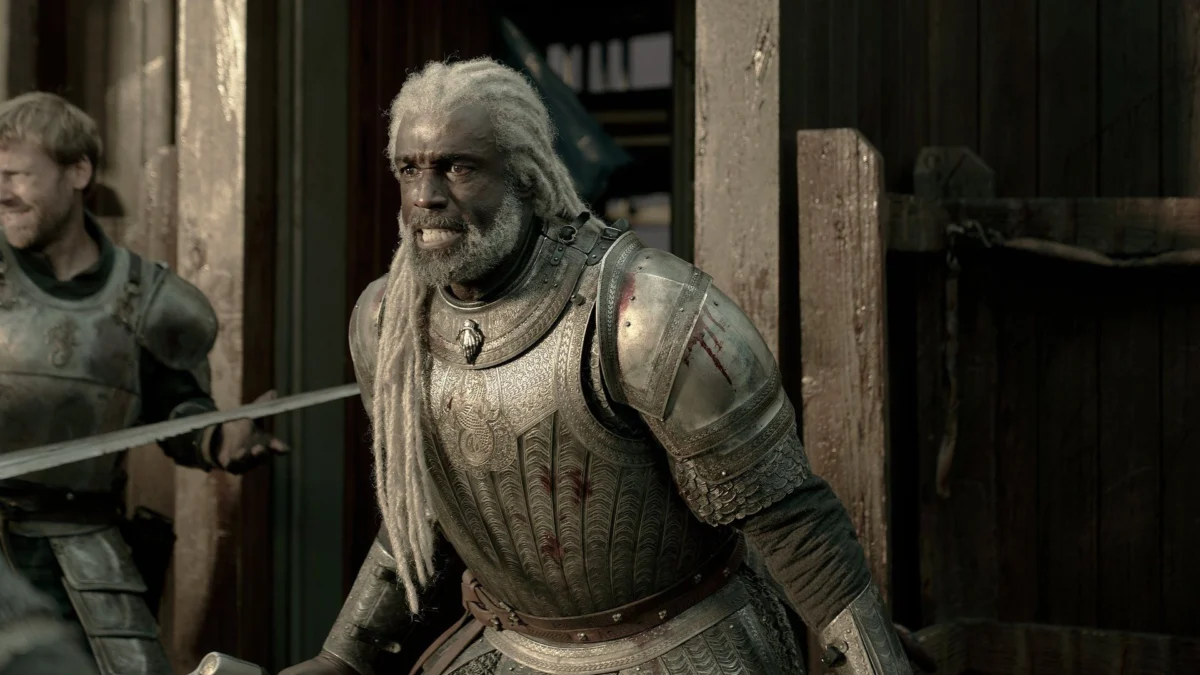
The third season of HBO’s House of the Dragon has officially arrived, and with it comes a spectacle that promises to redefine the scale of televised fantasy warfare. The season premiere centers on the "Battle of the Gullet," an event pulled directly from the pages of George R.R. Martin’s Fire & Blood that serves as the deadliest naval engagement in the history of Westeros.
While the sequence is a triumph of visual effects and choreography, the reality behind the lens was far grittier. For the cast of the House of the Dragon, the battle was not merely a performance—it was an endurance test involving frigid waters, intense physical training, and a surprisingly hazardous on-set environment that left the actors fearing for their health.
The Magnitude of the Gullet: A Technical Marvel
In Martin’s lore, the Battle of the Gullet represents the ultimate naval clash between the Velaryon fleet—defending Rhaenyra Targaryen’s blockade of King’s Landing—and the formidable forces of the Triarchy. Translating this to the screen required an unprecedented level of commitment from HBO’s production team.
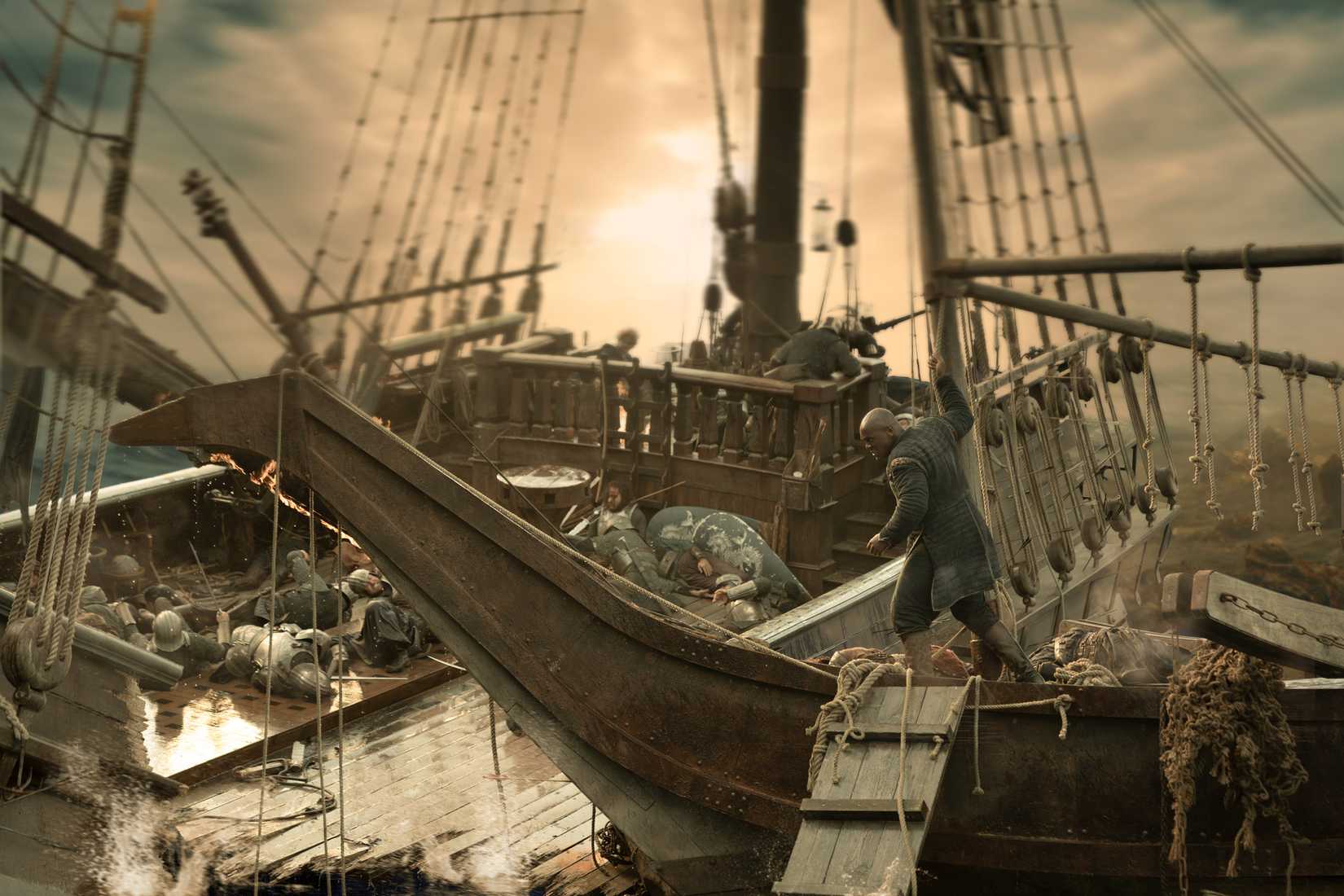
To capture the visceral nature of the fight, the production utilized a sprawling setup that included four full-scale boat replicas, a dry tank, a wet tank, and a specialized underwater tank. In total, the sequence required three million liters of water to simulate the turbulent seas of the Gullet. This infrastructure allowed the cast to perform complex fight choreography on moving platforms, often while being drenched by high-pressure water cannons and wave machines.
A Grueling Production Chronology
The filming process for the Gullet was a massive undertaking that spanned several months of pre-production and active shooting. The preparation began shortly after the conclusion of season 2, as actors were tasked with rigorous physical conditioning.
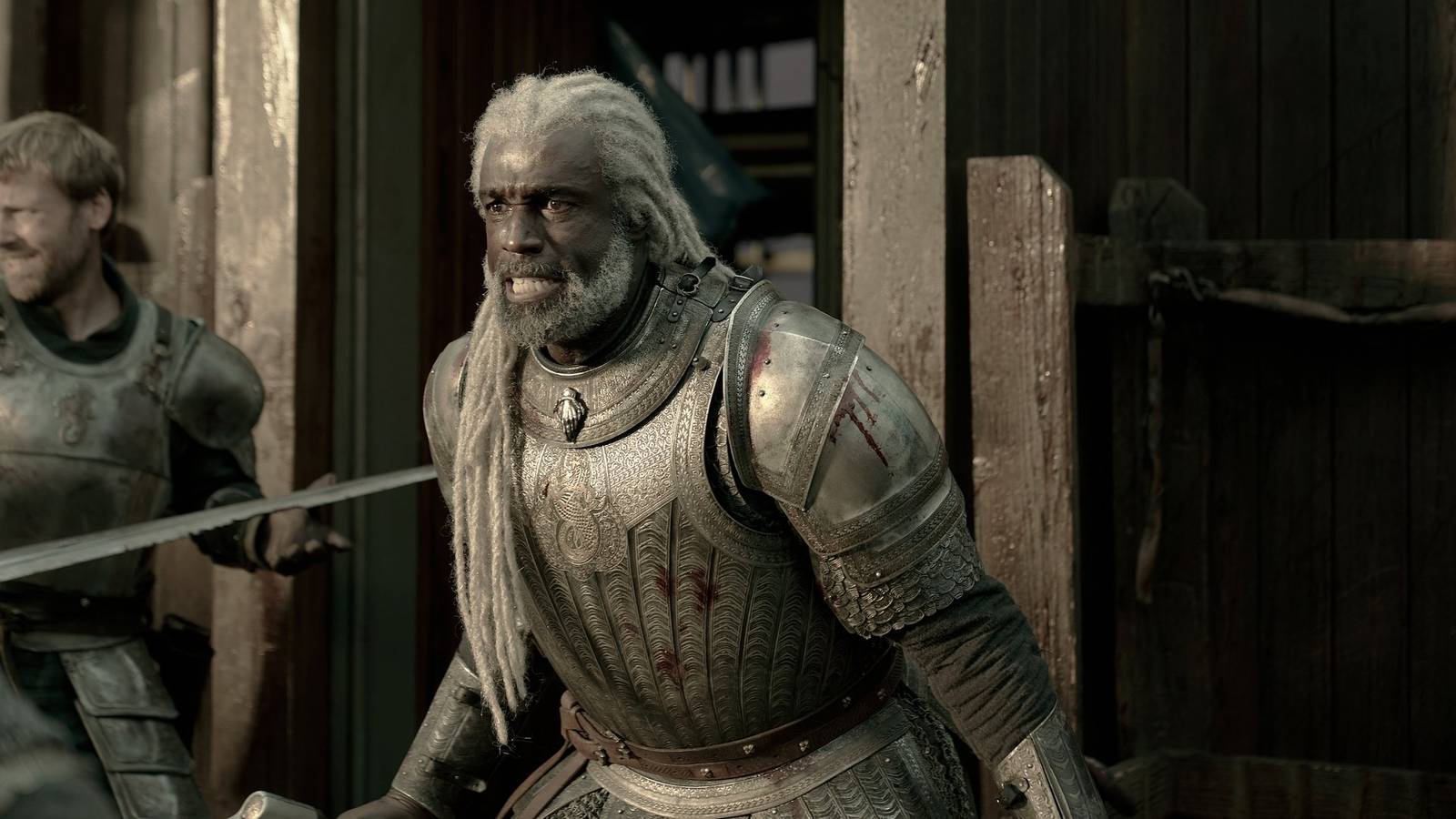
Steve Toussaint, who portrays the veteran sea-commander Lord Corlys Velaryon, noted that the preparation was as much about stamina as it was about character. "I started training almost immediately because I didn’t want to be the fat bloke swinging a sword at this incredibly fit person," Toussaint remarked, referring to his co-star Abigail Thorn, who joins the cast as the ruthless Triarchy admiral Sharako Lohar.
While the ship-bound sequences were filmed largely in chronological order to help the actors track the progression of the battle’s carnage, the dragon-riding sequences were an entirely different beast. Harry Collett (Prince Jacaerys Velaryon) and Bethany Antonia (Baela Targaryen) found themselves filming their high-flying combat scenes in isolation. Because the ground-level naval battle had not yet been filmed, the actors had to rely on abstract direction to imagine the chaos unfolding beneath their dragons, adding a layer of psychological complexity to their performances.
Supporting Data: The "Gross" Reality of the Wet Tank
Behind the glitz of high-budget CGI and expert stunt work lies a more visceral reality. During the filming of the sequences set on The Queen That Never Was, the actors encountered environmental hazards that were far less glamorous than the finished product suggests.
The primary concern among the cast was the quality and maintenance of the water within the wet tank. Because the sequence required constant, high-intensity action, the support divers and SCUBA safety team—tasked with keeping the actors safe in the deep water—were essentially stationed in the tank for the duration of the filming day.
"Those guys stayed in that water for the whole day," Toussaint revealed. "They didn’t get out for bodily functions, if you know what I mean."
The implication—that the actors were effectively performing in a massive, recirculating pool of unsanitary water—led to a unique on-set culture of "precautionary measures." Abubakar Salim, who plays Alyn of Hull, shared that a stunt coordinator suggested a bizarre, albeit common, remedy to prevent illness. "I remember a stunt guy coming up to me and asking if I’d swallowed any water," Salim recalled. "He told me, ‘Drink Coke. Coke will kill everything. It’s going to be good.’"
Official Responses and Actor Safety
The physical toll on the cast extended beyond the sanitary concerns of the tank. Harry Collett, who spends much of the sequence in the air, dealt with the severe physiological effects of working in the elements.

During one particularly intense day of filming, the specialized dragon-riding gloves provided for Jacaerys’ costume reacted with the water, staining the actor’s hands a vibrant, alarming blue. The result was a momentary panic on set, as medical staff rushed to Collett, fearing the discoloration was a symptom of hypothermia.
"It was very hard trying to keep my eyes open and not ingest too much water and cough," Collett said. "It was very challenging, but I’d never done anything like that before, so it was very cool."
For Bethany Antonia, the challenge was less about physical harm and more about the disconnect of the production environment. "We would have chats with the directors, but trying to actually get our heads around what was happening underneath us without getting to see that [was difficult]," she noted. "It hadn’t even been shot when we shot the above stuff."
Implications for the Targaryen Succession
The Battle of the Gullet is more than just a centerpiece for action; it is a turning point for the political landscape of the series. As the blockade of King’s Landing hangs in the balance, the death and destruction occurring in the Gullet will have ripple effects across the entire continent of Westeros.
The production team’s insistence on using real water, physical boats, and practical stunts rather than relying entirely on digital environments has clearly paid off. Critics and early viewers have already begun to compare the scale of the Gullet favorably against the most iconic battles from Game of Thrones, such as the "Battle of the Bastards" or "The Watchers on the Wall."
By forcing the actors into a state of authentic discomfort—whether through the biting cold of the water or the genuine physical exhaustion of the combat choreography—the production has managed to capture a sense of urgency and danger that is rarely achieved in modern television.
Looking Ahead: The Season 3 Trajectory
As House of the Dragon moves forward, the Battle of the Gullet serves as a grim reminder of the cost of the Targaryen civil war. With the premiere now behind us, the series is set to continue its run through August 9, with each episode promising to build upon the momentum generated by this opening spectacle.
The dedication of the cast—from Toussaint’s intense physical preparation to the resilience of the younger actors facing the hazards of the wet tank—highlights a shift in how prestige television is being produced. In an era dominated by green screens and digital augmentation, the actors of House of the Dragon have demonstrated that there is no substitute for the raw, sometimes messy reality of a physical set.
For those tuning in to witness the culmination of the war for the Iron Throne, the Battle of the Gullet stands as a testament to the fact that while the dragons are CGI, the stakes for the people behind them are all too real. As the dust—and the water—settles, the focus now turns to the political fallout, and how the survivors of the Gullet will navigate the treacherous waters of the remainder of the season.

