

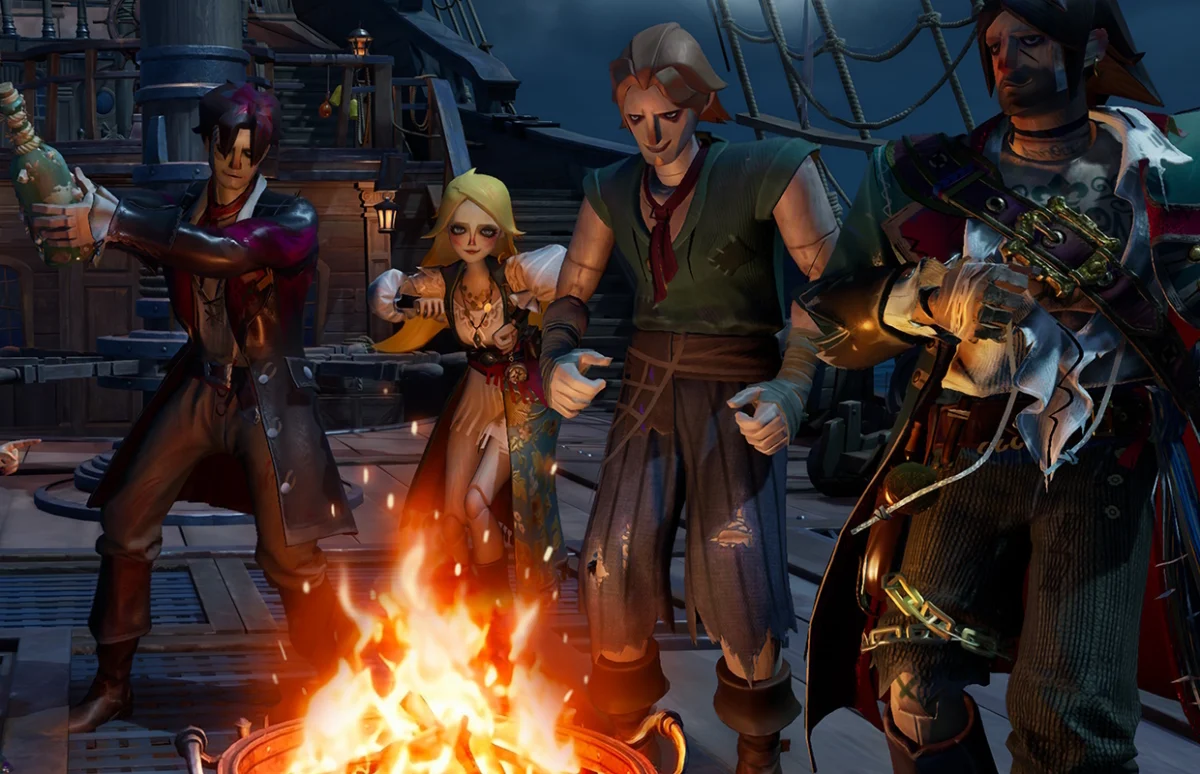
The gaming industry is no stranger to ambitious open-world titles that promise to redefine genre boundaries, but few have managed to spark as much polarized curiosity as NetEase’s Sea of Remnants. Since its initial unveiling in 2025, the title has been synonymous with high-octane, rhythm-heavy trailers—most notably the "Make it Loud" showcase during Summer Game Fest—that favored aesthetic flair over concrete gameplay explanation.
As the project inches toward its global launch, the veil has finally been lifted, albeit in a chaotic and unconventional fashion. Following a 90-minute hands-on session at this year’s Summer Game Fest Play Days, it has become clear that Sea of Remnants is a title of immense, almost overwhelming, complexity. While the game boasts a distinct visual identity and a sprawling feature set, the path to understanding its core remains as turbulent as the high seas it depicts.
The Core Concept: Ocean-Fantasy and the ‘Loop’
At its heart, NetEase describes Sea of Remnants as an "ocean-fantasy open-world RPG." According to the developer’s official press materials, the game is built upon a cyclical gameplay loop: Set Sail—Explore—Extract—Return.
This structure is designed to leverage rogue-lite mechanics, creating a dynamic, ever-changing world. The intended experience involves players embarking on perilous expeditions, securing resources, returning to a home base to upgrade their fleet and character stats, and then braving the ocean once more. However, beyond this loop, the narrative pitch—which promises a journey through "themes of oblivion and reconstruction" and a "compelling pursuit of the world’s underlying truth"—remains frustratingly opaque. While the premise suggests a high-concept RPG, the execution in the current demo left more questions than answers regarding the game’s ultimate purpose.
Chronology of a Disorienting Demo
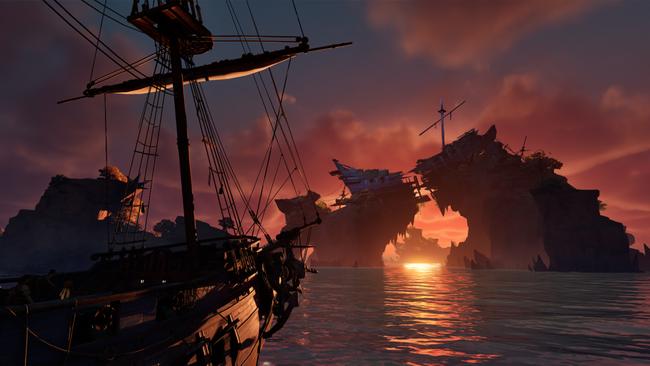
The demo experience was a jarring exercise in tonal whiplash. It opened with a somber, slow-paced sequence where the player navigates a small rowboat toward a distant light, a moment that felt almost meditative. Without warning, the game shifted into a high-stakes, thunder-drenched naval battle against a gargantuan kraken.
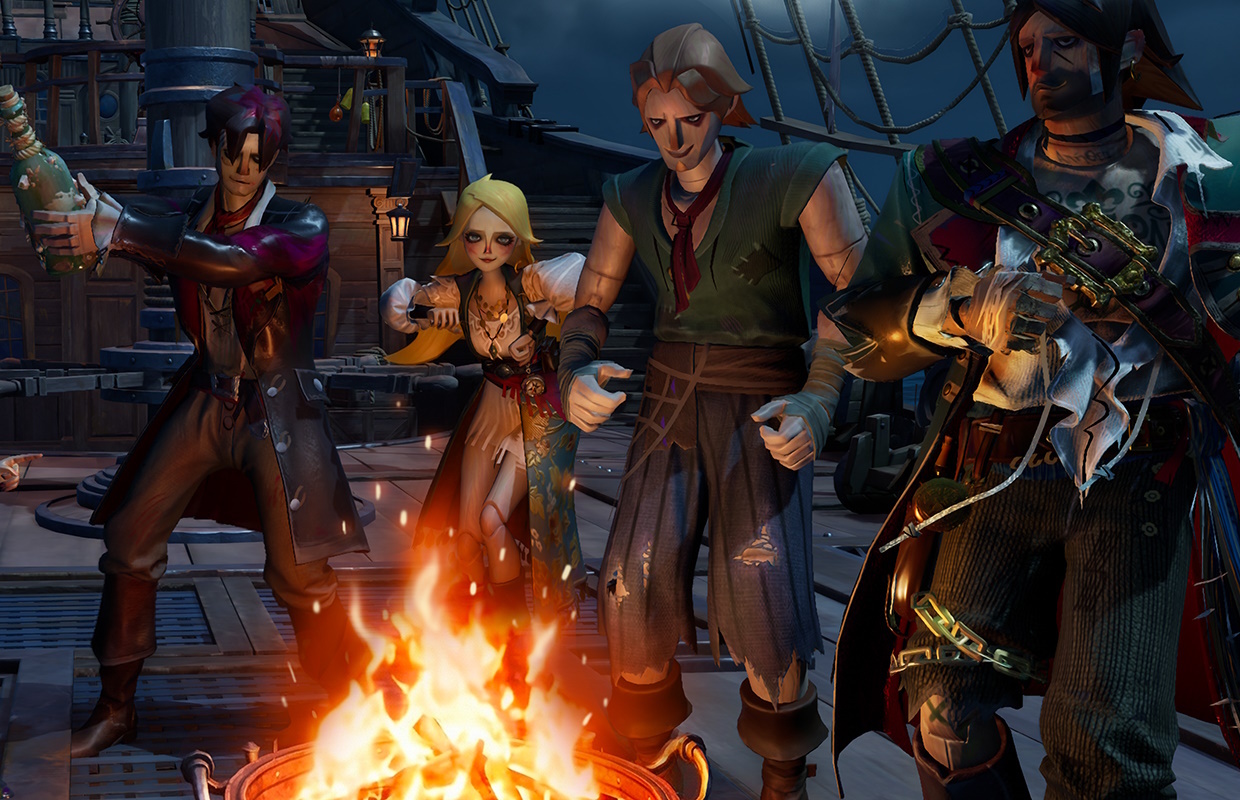
The contrast between these two states was severe. During the naval encounter, while the player is ostensibly in command of a large galleon, the agency felt largely illusory; it was unclear whether player inputs were driving the action or if the sequence was a pre-scripted cinematic set-piece.
Following this, the protagonist—a nameless cipher—wakes in a laboratory, leading to an immediate jump to the bustling port town of Orbtopia. In this hub, the demo’s lack of guidance became apparent. With no clear objectives, the experience devolved into aimless wandering, culminating in a bizarre chase sequence involving local livestock and a visit to a tavern. This whirlwind introduction, while showcasing the game’s visual fidelity, failed to provide a stable foundation for the player to anchor themselves.
Technical Hurdles and Polish Concerns
A significant point of friction during the demo was the technical state of the build. It is standard for pre-release demos to contain bugs or placeholders, but Sea of Remnants suffered from issues that hindered the core experience.
The most prominent issue was the disconnect between the English voice-over and the on-screen subtitles. Often, the lines were not merely paraphrased; the topics themselves would shift, creating a disjointed narrative flow. Furthermore, the UI menus were plagued by unkempt formatting and what appeared to be semi-translated text. These elements, while likely to be addressed before the final release, made navigating the game’s deep systems a laborious task. For a game that relies on player progression and resource management, the current state of the UI is a significant hurdle that NetEase will need to clear to ensure the game is accessible to an international audience.
The ‘R.S.’ Factor: Finding the Style
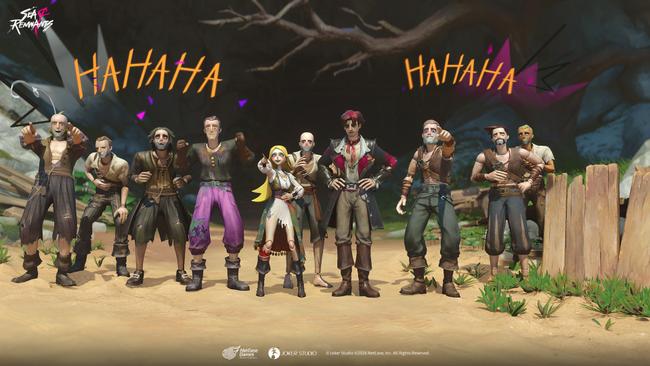
Despite the technical and pacing issues, the demo found its footing during the introduction of R.S., an energetic, treasure-obsessed pirate who serves as the game’s primary personality. Unlike the silent, customizable protagonist, R.S. is a vibrant, chaotic presence who grounds the game’s narrative.
It is through R.S. that the game’s artistic direction finally shines. Sea of Remnants utilizes a unique aesthetic—wooden-puppet character models paired with slapstick humor and stylized, comic-book-inspired flourishes. When R.S. enters the scene, the game suddenly makes sense; the onomatopoeic text—"Bang," "Woosh," and so on—popping onto the screen during combat and social encounters elevates the game from a generic RPG to a title with a distinct, deliberate "personality."
Combat and Mechanical Depth
The demo provided a brief, tantalizing look at the turn-based combat system. Drawing inspiration from genre titans like Octopath Traveler, the game features a resource-spending mechanic akin to a "Boost" system, allowing players to amplify their actions during a single turn.
Perhaps more intriguingly, the game incorporates a dice-roll element. By hitting specific numerical targets during actions, players can trigger "lucky" rewards, such as additional bonus attacks. Combined with the high-energy, comic-book-style animations, the combat appears to be the most polished and engaging aspect of the game.
However, the depth does not stop at combat. The list of features crammed into the demo was staggering:
- Ship Management: Customizing and building vessels.
- Crew Dynamics: A "crew favor" system that likely influences ship performance.
- Homesteading: A base-building component.
- Minigames: A massive array of distractions, including mahjong, drinking games, roulette, racing, fishing, and cooking.
- Collectionism: An expansive cataloging system for "Encounters, Insights, Oddities, and Maintenance."
Implications: A Game of Many Parts
The primary takeaway from the 90-minute demo is that Sea of Remnants is attempting to do everything at once. Whether this is a strength or a fatal flaw remains to be seen.
By layering gacha-style character recruitment, complex sailing mechanics, and a plethora of minigames on top of a turn-based RPG core, NetEase risks creating a "jack-of-all-trades, master of none" scenario. The demo never gave the player a moment to breathe, constantly introducing new systems before the previous ones had been mastered.
However, if these systems can be properly integrated and balanced, Sea of Remnants has the potential to be a deep, endlessly replayable experience. The "rogue-lite" nature of the ocean-fantasy world suggests a game designed for long-term engagement rather than a linear narrative sprint.
Looking Ahead
As we look toward the launch on PlayStation 5, Xbox Series X|S, and PC via Steam, the industry will be watching closely to see if NetEase can consolidate its disparate parts into a cohesive whole. The "Make it Loud" marketing campaign may have captured the game’s frantic energy, but the final product will need to provide the substance to match.
For now, Sea of Remnants remains an enigma. It is a game defined by its bold artistic choices, its overwhelming ambition, and a desperate need for refinement. If the developers can address the translation issues, streamline the user experience, and provide a more coherent introduction to the world of Orbtopia, they may have a hit on their hands. If they fail to find that elusive "footing," the game may find itself lost in the very sea it seeks to conquer.
Ultimately, the potential is there, buried under layers of unfinished code and chaotic design. The question is not whether the game is big enough—it is arguably too big—but whether it can be made to feel like a singular, unified adventure when it finally sets sail later this year.

