

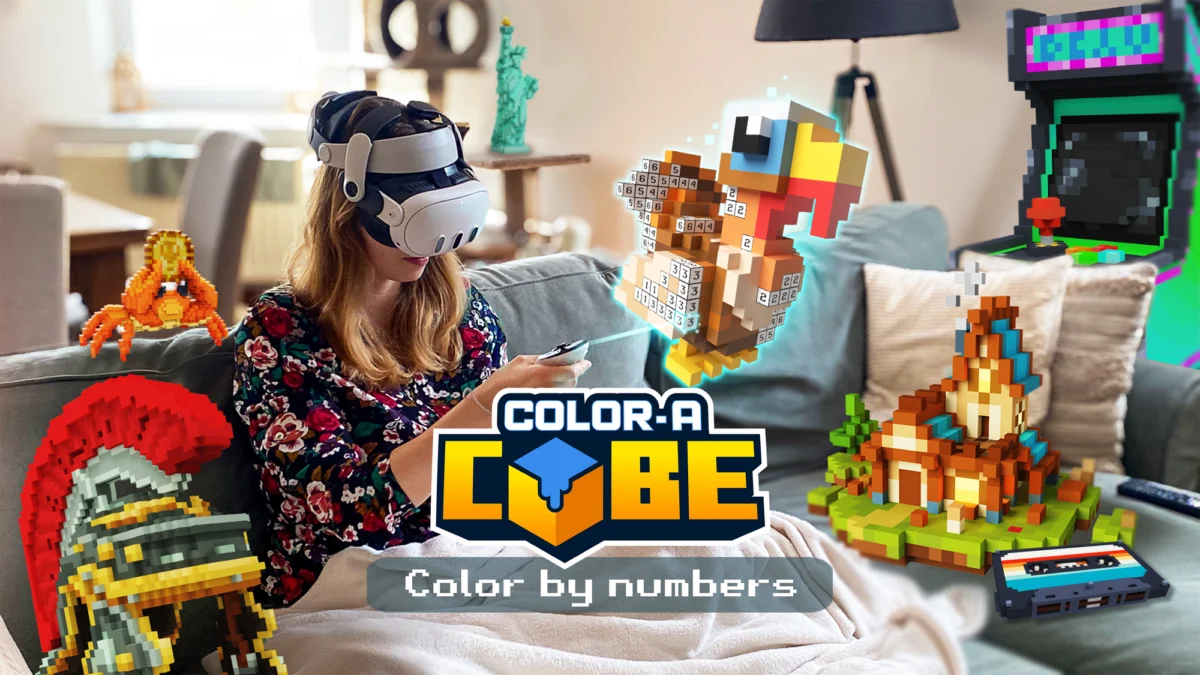
The landscape of virtual reality gaming is often dominated by high-octane shooters, complex simulators, and sprawling RPGs. However, a significant corner of the VR market is carving out a niche for "digital mindfulness"—experiences designed to lower the heart rate rather than accelerate it. Leading this charge is Color-A-Cube, the charming voxel-based coloring game that is officially graduating from Early Access to its full 1.0 release on June 18.
Announced during the most recent UploadVR Showcase, the full launch marks a pivotal moment for developer AlterEyes. Known previously for their adrenaline-fueled mech combat title Big Shots, the studio has successfully pivoted to the "cozy gaming" genre, proving that the same technical prowess used to build high-intensity action can be applied to create serene, meditative digital sanctuaries.
Main Facts: What to Expect in Version 1.0
The full release of Color-A-Cube is not merely a bug-fix update; it is a significant content expansion designed to cement the game as a staple of the VR relaxation library. At its core, the game remains a sophisticated take on the "paint-by-numbers" concept, translated into a 3D voxel space. Players are presented with blank, monochromatic models that come to life through satisfying, tactile interactions.
Key features arriving with the version 1.0 launch include:
- Expanded Library: The game will launch with over 100 distinct voxel models, ranging from simple architectural shapes to intricate, multi-layered dioramas.
- Narrative Integration: For the first time, players will be able to engage with story-driven coloring experiences, providing a sense of progression and context to the act of filling in the cubes.
- Live Service Commitment: AlterEyes has committed to a long-term content roadmap, promising free weekly model drops and monthly DLC releases to keep the creative well from running dry.
- Crossover Potential: The developers have hinted at collaborative content with other popular VR titles, suggesting that the game will serve as a hub for broader virtual creativity.
A Chronological Journey: From Concept to Completion
The journey of Color-A-Cube reflects the standard evolution of successful independent VR projects. It began as a prototype focused on the tactile satisfaction of voxel placement.
Early Access Origins
When Color-A-Cube first hit the Meta Quest and PICO stores in early access, it was praised for its "crisp interactions." In the world of VR, the "feel" of a game—how a block snaps into place or how a color brush behaves—is paramount. AlterEyes focused heavily on haptic feedback and the visual "pop" of completion, creating a dopamine-loop that made the act of coloring feel rewarding.
The Development Pivot
Moving from the development of Big Shots—a game characterized by heavy machinery and aggressive sound design—to Color-A-Cube required a total shift in philosophy. The studio’s goal was to strip away the stress of VR gaming. By mid-2026, the game had already begun to amass a dedicated following, with players using the app as a "digital meditation" tool after work or study sessions.
The 1.0 Milestone
The decision to move to a 1.0 status signifies that the foundational technology is stable and the content library is robust enough to offer hundreds of hours of gameplay. The showcase announcement on June 1st acted as the final public invitation for the community to witness the polish that the team has applied over the last several months of Early Access testing.
Supporting Data: Why Voxel Art Succeeds in VR
The success of Color-A-Cube is not accidental; it is rooted in the unique strengths of the VR medium.
The Psychology of "Cozy" Gaming
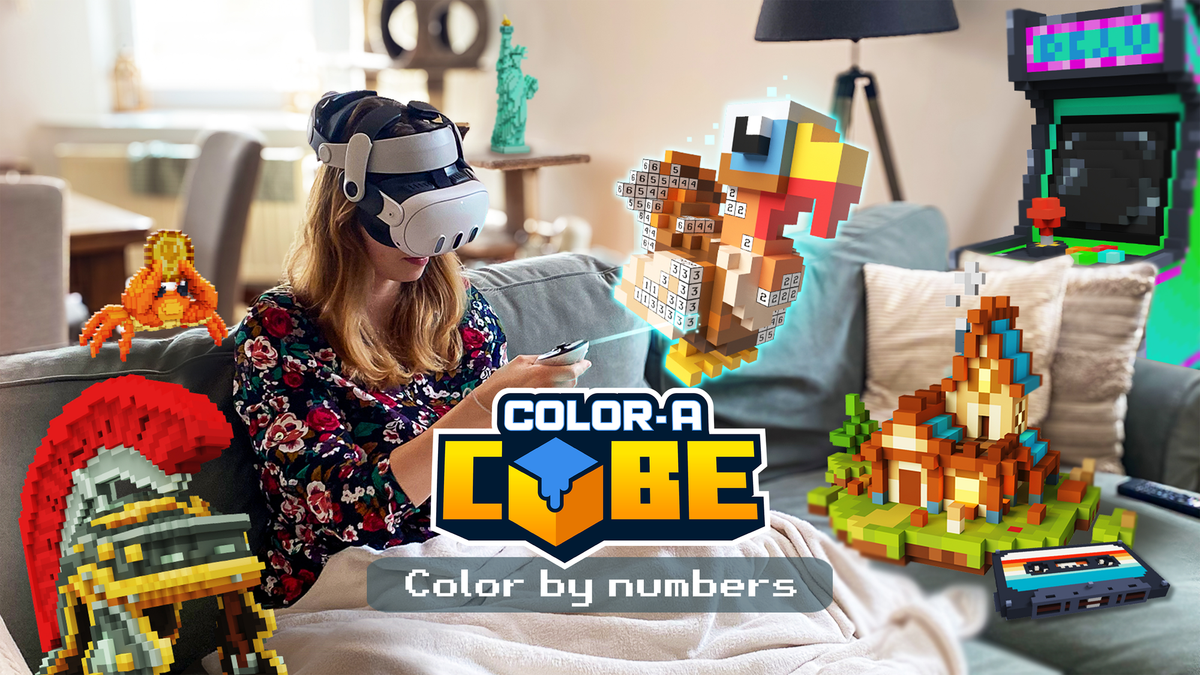
Psychological research into gaming habits has shown that "low-stakes" environments—games where there is no timer, no enemy AI, and no fail-state—are increasingly popular among VR users. Color-A-Cube fits perfectly into this paradigm. The ability to manipulate objects in 3D space with one’s own hands provides a sensory-rich experience that traditional 2D screens cannot replicate.
Technical Performance and Accessibility
By utilizing a voxel-based art style, AlterEyes has ensured that the game remains performant across a wide variety of standalone headsets. The "cube-based" aesthetic allows for high-fidelity, high-frame-rate rendering, which is essential for avoiding motion sickness in VR. Furthermore, by keeping the application free-to-download, the developers have lowered the barrier to entry, allowing the app to serve as a "gateway experience" for new VR users who might be overwhelmed by more complex titles.
Official Responses and Developer Philosophy
In discussions surrounding the launch, the team at AlterEyes has emphasized that Color-A-Cube is a living project. In a statement released alongside the trailer, the developers noted, "We wanted to create a canvas that doesn’t just sit there. We wanted the cubes to feel like they have weight, like they are part of a world that breathes."
The decision to implement weekly model drops is a strategic move to address a common critique of VR games: longevity. By turning the game into a service, AlterEyes ensures that users have a reason to return to their headset every week, effectively building a "weekly ritual" of coloring.
Furthermore, the studio has expressed interest in community feedback. During the Early Access period, they held multiple polls on their social channels to determine which themes (e.g., fantasy, sci-fi, nature) should be prioritized for development, a tradition they intend to continue post-launch.
Implications for the VR Industry
The launch of Color-A-Cube has broader implications for the VR industry at large:
- The Rise of Non-Gaming VR: We are seeing a distinct trend toward "productive" or "therapeutic" VR. As hardware becomes more comfortable, users are spending more time in these environments. Color-A-Cube demonstrates that there is a sustainable business model in providing tools for relaxation.
- Cross-Platform Parity: By launching simultaneously on Meta Quest and PICO, the developers are signaling the importance of platform-agnostic development. This approach maximizes the potential user base and ensures that the "cozy" community remains unified, regardless of hardware preference.
- The "Big Shots" Legacy: It is worth noting that a studio with the pedigree of AlterEyes is focusing on smaller, more intimate projects. This suggests that the VR market is maturing, moving away from the need for every title to be a "blockbuster" and instead allowing for high-quality, focused experiences to thrive.
Conclusion: A New Standard for Relaxation
As the industry prepares for the June 18 launch, anticipation is high for how the community will interact with the new story-driven modes. For those who have been following the project during its Early Access phase, the 1.0 release is the realization of a vision that prioritized atmosphere and ease of use over technical complexity.
Whether you are a seasoned VR enthusiast looking for a way to unwind after a long day of "virtual work," or a newcomer to the technology looking for an accessible and stress-free entry point, Color-A-Cube appears to be a definitive title for the year.
We will continue to track the game’s progress, and we invite readers to return on June 18 for our full hands-on impression, where we will dive deep into the new 1.0 build, evaluate the new content, and test the responsiveness of the updated voxel-coloring mechanics. Until then, the cubical world awaits.

