

If the recent landscape of the platforming genre feels dominated by soul-crushing difficulty spikes and punishing, precision-based mechanics, a new title is looking to offer a refreshing change of pace. Dodo Duckie, developed by BornMonkie, has emerged as a delightful, perspective-shifting adventure that trades in the anxiety of "get-good" gameplay for a whimsical, brain-teasing experience. By allowing players to seamlessly transition between 2D and 3D dimensions, Dodo Duckie is proving that platforming can be as much about intellectual curiosity as it is about twitch reflexes.
The Core Concept: A Tale of Ducks, Aliens, and Propeller Hats
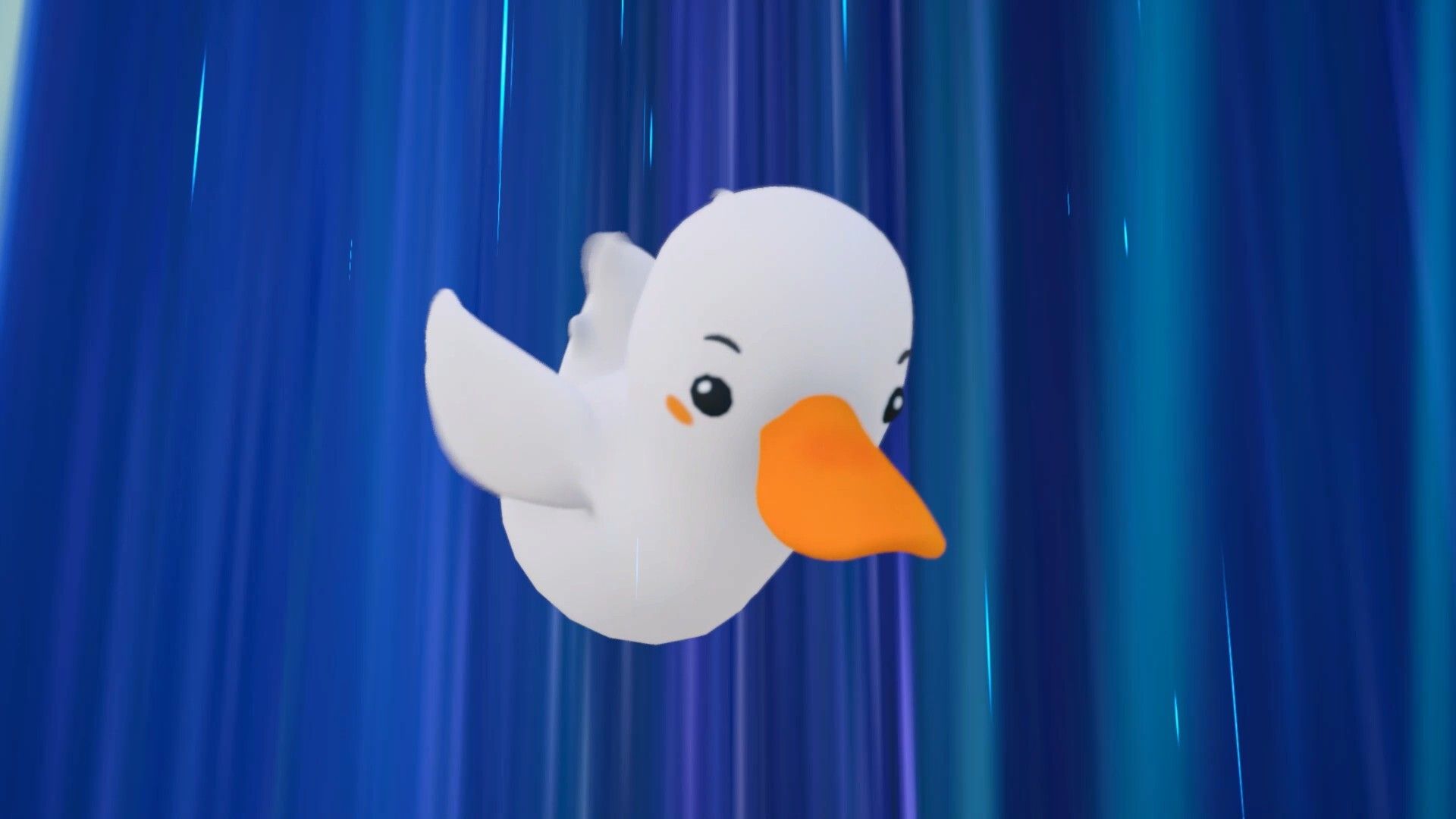
At its heart, Dodo Duckie is a charming rescue mission. Players step into the webbed feet of Dodo, a courageous duck on a singular mission: to liberate his kidnapped chicken companions from the clutches of greedy, intergalactic invaders. While the premise is classic, the execution is anything but conventional.
The central mechanic of the game revolves around the manipulation of space. Thanks to a stylish magical propeller hat—a gift from a rather dapper capybara NPC named Capie—Dodo can shift his physical reality between two-dimensional side-scrolling and three-dimensional exploration. This is not merely a stylistic choice; it is the fundamental tool for navigation and problem-solving.
In 2D mode, the game functions as a classic side-scroller, optimized for traversing long distances and navigating platforming challenges that require precise jumping. When the player shifts to 3D, the camera pulls back, offering a broader view of the environment. This perspective is crucial for uncovering hidden secrets, spotting collectables, and aligning trajectories for difficult jumps that might be impossible to gauge in a flat plane.
The Evolution of the "Perspective-Shift" Genre
To understand why Dodo Duckie feels so distinct, one must look at the lineage of perspective-shifting games. Titles like Super Paper Mario and Fez paved the way for this design philosophy, proving that altering a player’s view of the world is a potent way to keep gameplay fresh.
However, where Dodo Duckie distinguishes itself is in its accessibility. Many titles that utilize dimension-hopping rely on high-octane action to keep the player engaged. BornMonkie has opted for a more meditative approach. The transition between dimensions is instantaneous and fluid, encouraging players to experiment with their surroundings rather than fear them.
The Chronology of Development
BornMonkie, an independent studio known for their focus on vibrant, approachable aesthetics, began work on Dodo Duckie with a specific goal: to lower the barrier to entry for puzzle-platformers. Following a period of prototype testing, the studio released a public demo that allowed players to experience the early chapters of Dodo’s journey.
The feedback from the gaming community was immediate and overwhelmingly positive. Players praised the game for its "low-stress" atmosphere, noting that it provided a necessary palate cleanser after the intense focus required by more punishing titles. By prioritizing player agency and curiosity, the developers have successfully created an experience that rewards exploration over pixel-perfect execution.
The Mechanics of Dimension Juggling
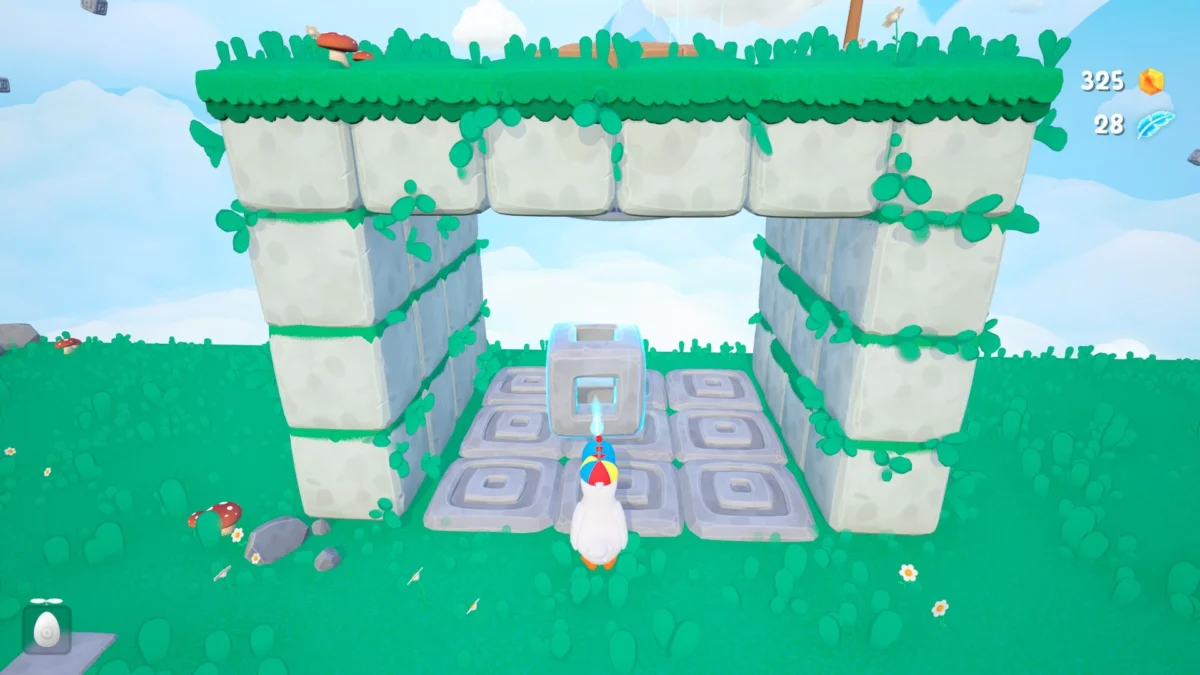
The brilliance of Dodo Duckie lies in its puzzle design, which forces players to constantly re-evaluate the utility of each dimension. A prime example is the game’s "cube-and-slab" mechanic. In the game, players often encounter weighted pressure plates that must be activated to unlock progress.
The catch? The heavy stone cubes required to weigh down these plates can only be picked up and manipulated while the player is in 3D mode. However, the path to the pressure plate might require a jump that is only accessible or navigable in 2D mode. This forces the player to engage in a delicate "dimensional dance":
- Locate the object in 3D: Survey the environment to find the necessary tool.
- Manipulate the state: Use 3D space to position the cube correctly.
- Transition to 2D: Shift the dimension to utilize the platforming agility required to reach the destination.
- Execute the solution: Successfully deposit the object and clear the path.
This creates a satisfying loop of logic and platforming that feels rewarding without being frustrating. The game provides just enough of a challenge to keep the player’s brain engaged, but it never punishes them with the "game over" screens that have become the hallmark of the modern platformer.
Developer Philosophy: A "Cozy" Alternative
In an industry currently obsessed with "Souls-like" difficulty—where titles like Hollow Knight: Silksong (though highly anticipated) have conditioned players to expect extreme challenge—Dodo Duckie represents a counter-movement. It is a member of the growing "cozy game" sub-genre, which prioritizes player comfort, aesthetic satisfaction, and emotional well-being.
The inclusion of non-essential activities, such as taking photographs of the various capybaras scattered throughout the world, underscores this philosophy. The developers understand that the journey is just as important as the destination. By allowing players to pause their heroics to engage with the world’s inhabitants, BornMonkie has crafted an experience that feels lived-in and inviting.
Implications for the Indie Market
The success of Dodo Duckie signals a broader trend in independent game development. As budgets for AAA titles balloon and the games themselves become increasingly complex, there is a clear demand for "bite-sized" experiences that offer high-quality gameplay without the time commitment or stress of massive open-world titles.
The Role of Accessibility
Accessibility in gaming is often discussed in terms of control schemes or visual aids, but Dodo Duckie highlights the importance of "cognitive accessibility." By keeping the dimension-switching mechanics intuitive, the game invites a wider demographic of players—from casual fans who want to relax after work to hardcore platforming veterans looking for a break from the grind.
Market Positioning
From a market standpoint, Dodo Duckie is strategically positioned to capture the interest of the Steam "cozy" demographic. With its bright, clean art style and low-pressure gameplay, it is the kind of title that benefits significantly from organic social media sharing and streamer interest. Because the gameplay is visually distinct when switching between 2D and 3D, it is inherently "watchable," making it a strong candidate for content creators looking for titles that offer clear, engaging visuals.
Looking Ahead: The Future of Dodo
While the demo has provided a strong foundation, the full release of Dodo Duckie is expected to expand on these mechanics significantly. Fans are curious to see if the studio will introduce new dimensions or perhaps hybrid environmental hazards that require even more complex manipulation of the 2D/3D toggle.
The developers have remained relatively quiet regarding a firm release date, opting instead to polish the mechanics based on player feedback from the initial demo. This measured approach suggests a commitment to quality over speed—a luxury often afforded to smaller indie teams who prioritize their creative vision over meeting rigid corporate deadlines.
Conclusion: A Breath of Fresh Air
Dodo Duckie is more than just a cute game about a duck in a hat. It is a masterclass in how to take a well-worn genre—the platformer—and breathe new life into it through a simple, elegant hook. By removing the fear of failure and replacing it with the joy of discovery, BornMonkie has created a title that deserves a spot in the library of any gamer who appreciates clever design.
Whether you are a seasoned veteran of the platforming genre looking for a break from the stress of boss fights, or a casual player seeking a charming world to lose yourself in for a few hours, Dodo Duckie offers something genuinely special. It reminds us that games don’t always need to be a trial by fire to be meaningful; sometimes, they just need to be a well-crafted, dimensional adventure that lets you stop, look around, and maybe take a picture of a capybara along the way.

