

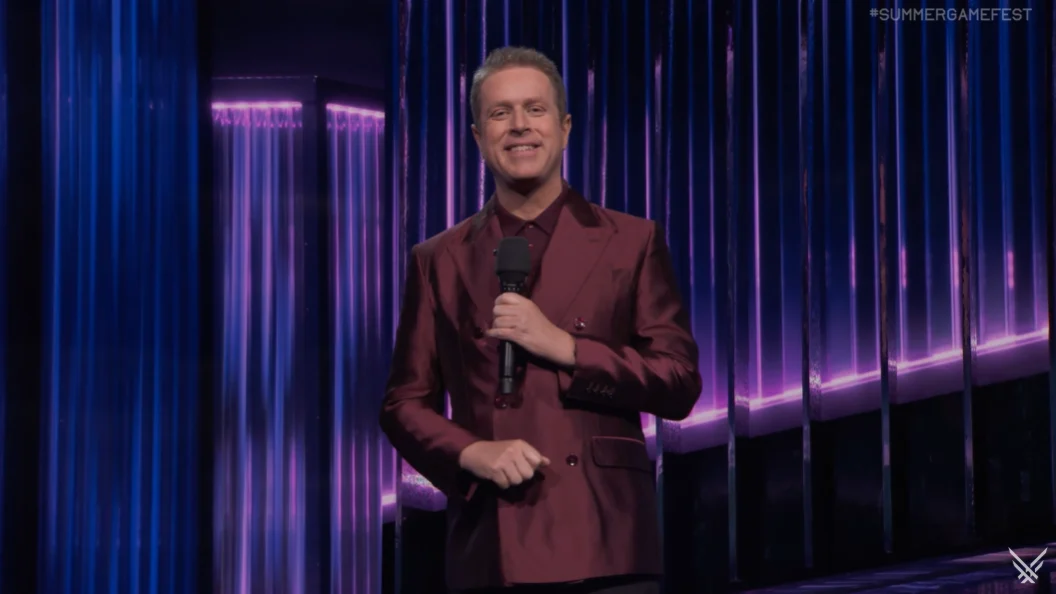
The landscape of video game marketing has undergone a seismic shift. In an era defined by the digital spectacle of events like Summer Game Fest (SGF), the industry has become increasingly obsessed with the "big reveal." Millions of dollars and thousands of man-hours are poured into cinematic trailers designed to dominate social media trends for a fleeting 48-hour window. Yet, beneath the veneer of high-octane announcement events, a troubling trend has emerged: a profound lack of infrastructure to support the very interest that these trailers generate.
For many developers and publishers, the announcement has become the "end game." The result is a missed opportunity of staggering proportions. As we look at the state of modern game marketing, it is clear that the industry is treating the starting gun as if it were the finish line.
The Illusion of the Announcement
Having spent three decades navigating the corridors of video game media, I have witnessed the evolution from print magazines to the current decentralized digital ecosystem. While the avenues for communication have multiplied, the fundamental discipline required to sustain interest has withered.
The thrill of a polished, high-budget trailer is undeniable. It provides a dopamine hit to the studio and a rallying cry for the fans. However, the "grind"—the persistent, unglamorous work of community building, data capture, and consistent asset delivery—is frequently sidelined. When a studio pours all its resources into the reveal without a secondary plan, they are essentially lighting a flare in the dark and then walking away, hoping the audience finds their way home.
Chronology of a Failed Launch
To validate the growing concern that studios are neglecting their foundational marketing duties, I conducted a systematic audit of 148 games revealed during the most recent major summer showcases. The results were sobering.
The lifecycle of these announcements typically follows a predictable, if flawed, pattern:
- The Pre-Show Hype: Months of teaser imagery and social media countdowns.
- The Reveal: A high-impact trailer drops at a major event like SGF.
- The Void: A lack of follow-up assets, dead-end social links, or a complete absence of a centralized hub for information.
- The Fade: The game’s social sentiment drops off a cliff within a week, as players find no "home" to continue the conversation.
My audit revealed that approximately one-third of these 148 games failed to execute even the most basic foundational steps of post-announcement marketing. This is not merely a matter of aesthetic preference; it is a direct failure to capitalize on the expensive acquisition of public attention.
Supporting Data: The Foundational Gap
The numbers speak for themselves. In a competitive market where attention is the most valuable currency, these gaps are inexcusable:
- The Web Destination: Only 100 out of 148 titles possessed a dedicated, standalone landing page for their game or franchise.
- Discord Integration: Similarly, only 100 out of 148 games had a functional, accessible Discord server ready to receive the influx of potential fans at the moment of reveal.
- Asset Follow-through: Only 111 out of 148 games provided substantive follow-up content—such as gameplay demos or deeper character insights—shortly after the announcement.
When a third of games are missing these pillars, it suggests a systemic issue: a lack of strategic alignment between the creative team and the growth/marketing team.
The Three Pillars of Sustainable Marketing
For developers and publishers looking to bridge this gap, the solution does not require reinventing the wheel. It requires a return to foundational principles that prioritize the player’s journey after the trailer ends.
1. The Necessity of the Web Landing Page
In a world of third-party platforms like Steam, PlayStation Store, and Xbox, a studio might assume they don’t need a dedicated website. This is a mistake. Steam pages are excellent for transactions, but they are poor for communication. They are "clusters of links" at the bottom of a page, not a destination.
A dedicated website allows for:
- Data Capture: Collecting email addresses is the only way to own your audience rather than renting it from a platform holder.
- Media Accessibility: Providing a central repository for high-resolution assets, press kits, and developer contact information.
- Search Engine Optimization: Ensuring that official information, rather than speculation from third-party blogs, is the first thing a potential player sees when searching for the title.
2. Social-First Content and Gameplay Authenticity
Most trailers today suffer from "genre-inflation"—they show you the aesthetic of the game without revealing the "soul." A cinematic trailer proves you have a budget; a gameplay demo proves you have a game.
Social-first content needs to be agile. It shouldn’t be a 27-minute deep dive; it should be a short, sharable clip that explains why the tank in your game is different from the tank in every other game. Players are looking for reasons to trust a developer. By showing actual, moment-to-moment gameplay, you build that confidence, which in turn leads to higher wishlist conversions and, eventually, more positive user reviews.
3. Discord as a Community Crucible
Discord is no longer optional; it is the town square of the gaming world. When a studio neglects to launch a Discord server alongside their announcement, they leave a vacuum. That vacuum is often filled by unofficial, fan-run servers. While fan passion is welcome, a studio loses the ability to moderate the conversation, collect feedback, or cultivate a loyal core of "super-fans" who can act as brand ambassadors.
A properly managed Discord, as evidenced by the successful launches of titles like Elden Ring (via Bandai Namco) or the work done by agencies like Project N, can grow to hundreds of thousands of members. This provides a direct, daily pipeline to your most engaged audience.

Implications for the Industry
The implications of ignoring these foundations are dire. When studios rely solely on the initial spike of an announcement, they leave themselves vulnerable to market volatility. If the "hype train" stalls because there is no platform to sustain the community, the project loses momentum that is almost impossible to regain.
We are seeing a bifurcated industry. On one side, there are the "foundationalists"—studios, regardless of size, who understand that an announcement is a service, not an event. Honorary mentions must go to NC’s Aion 2 for their comprehensive approach, and to solo developer BBear, whose handling of Eggstremely Hard Game proves that even the smallest teams can punch above their weight if they have their "geese in a row."
On the other side are the "spectacle-seekers," who confuse a successful YouTube view count with a successful launch strategy.
Conclusion: The Starting Gun
The takeaway is simple: the best time to build your foundations was before you announced your game. The second-best time is today.
If you are a developer or a publisher, look at your current strategy. If your marketing plan ends at the "Reveal Trailer," you have already failed your players. A video game is a service, a community, and a product. If you treat it only as a cinematic event, you will find that while you may capture the world’s attention for a moment, you will lack the structure to keep it for the long haul.
Summer Game Fest is not the finish line. It is the starting gun. It is time the industry started running the race with the seriousness that the medium deserves.

