

The lines between digital entertainment and traditional power structures are no longer just blurring; they are effectively dissolving. For years, the $250+ billion creator economy operated in a silo, fueled by algorithms, sponsorships, and niche subcultures. However, recent trends—ranging from the cinematic expansion of indie horror hits like Iron Lung into legacy film territories to the massive influence of platforms like The Amazing Digital Circus—have signaled a paradigm shift. Now, the most significant migration of influence is occurring in the halls of government.
Politics has officially entered the creator space. As digital content becomes the primary source of information, community, and entertainment for millions, public leaders are realizing that traditional campaigning and legacy media outreach are no longer sufficient. This evolution has birthed a new era of "digital-first" policy, marked by historic collaborations and the professionalization of creator advocacy.
The Professionalization of Creator Advocacy
The pivot toward political engagement is best exemplified by the career trajectory of Matthew “MatPat” Patrick. After a celebrated 13-year tenure as the face of the Theorist channels, Patrick didn’t retire to a quiet life of luxury. Instead, he transitioned into a new role: lobbyist.
In 2025, Patrick and his wife, Stephanie Patrick, officially joined the Congressional Creators Caucus. This bipartisan legislative effort was created with a singular, vital goal: to educate lawmakers on the intricacies of the digital creator ecosystem. For decades, tech-illiterate legislative bodies have struggled to draft effective policy regarding internet regulation, copyright, and tax laws as they pertain to independent contractors and digital influencers. By serving as a bridge between the digital studio and the legislative floor, the Patricks are helping to ensure that the $250 billion industry is no longer treated as an afterthought in Washington.
Chronology of a Digital Shift: From Podcasts to Policy
The integration of political figures into the creator ecosystem has been a gradual, strategic progression rather than a sudden event.
- 2023: VidCon Baltimore hosted Christian Tom, then-Director of the White House Office of Digital Strategy, marking an early attempt by the executive branch to engage directly with the convention circuit.
- 2024: The Biden administration held a landmark creator economy conference at the White House, formalizing the acknowledgment that creators are essential conduits for public information. Simultaneously, Secretary of Transportation Pete Buttigieg began aggressively leveraging creator platforms, appearing on podcasts like Flagrant and Pardon My Take.
- 2025: Representative Ro Khanna participated in a fireside chat at VidCon Anaheim alongside activist Tiffany Cianci, signaling that bipartisan interest in the creator space was intensifying.
- 2026: VidCon announces the headlining fireside chat between Pete Buttigieg and wellness mogul Adriene Mishler, marking the most high-profile collaboration between a high-ranking political official and a creator to date.
Pete Buttigieg and the "Digital-First" Strategy
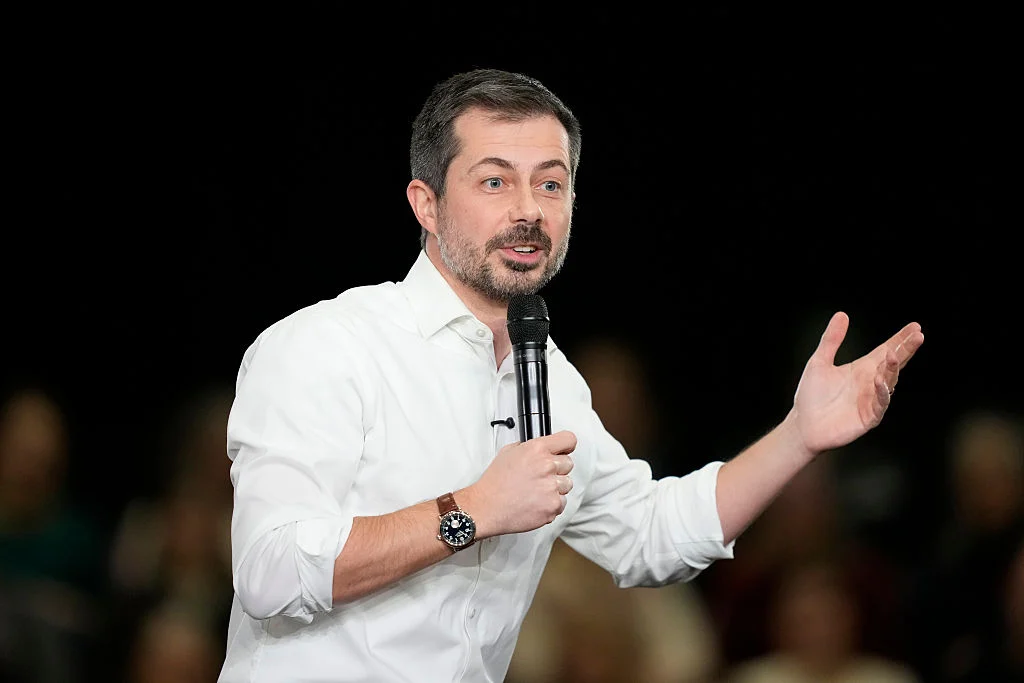
The announcement that Pete Buttigieg will headline VidCon 2026 is not merely a PR stunt; it is a calculated political move. Buttigieg, widely recognized for his "no-B.S." communication style and adeptness at navigating hostile or complex media environments, has consistently shown a preference for direct-to-constituent messaging over legacy media filters.
His recent long-form interview with YouTube’s "mythbusting" physician, Doctor Mike, served as a masterclass in how politicians can use the creator economy to break down complex policy issues. In that 90-minute sit-down, the two bypassed the sound-bite culture of cable news to discuss the intricacies of healthcare reform.
According to VidCon organizers, the decision to bring Buttigieg to the Anaheim stage was driven by his "rare combination of policy depth and digital fluency." By placing him in conversation with Adriene Mishler—the founder of Yoga with Adriene, who boasts nearly 14 million subscribers—VidCon is attempting to bridge the gap between policy and personal well-being.
Bridging the Divide: The Mishler-Buttigieg Dynamic
On the surface, the pairing of a transportation secretary and a yoga instructor seems incongruous. However, the logic behind the selection is deeply rooted in the current state of digital culture. Mishler has spent her career cultivating one of the most inclusive and high-trust communities on the internet.
In an era defined by digital burnout, polarization, and a crisis of trust in institutions, Mishler’s expertise lies in human connection. The fireside chat aims to explore:
- Platform Accountability: How to manage the responsibility that comes with massive reach.
- AI Regulation: The impact of emerging technology on the creative workforce.
- Small Business Policy: Treating creators as legitimate small business owners under the tax code.
- Bridging Divides: Using online communities to inspire real-world civic action.
Official Responses and Strategic Vision
In an exclusive comment provided to Tubefilter, Secretary Buttigieg explained his rationale for engaging with the creator space:
"My approach to politics has always been guided by the belief that you can’t blame someone for not agreeing with you if you haven’t gone to the trouble of reaching them in the first place. That means being ready to step into spaces that are off the standard political circuit."
Buttigieg framed his attendance at VidCon within the context of historical media shifts, comparing it to the first televised presidential debates or appearances on The Arsenio Hall Show. "Reaching people where they actually are—where they go to get their information, their entertainment, and increasingly their sense of community and belonging—matters more now than ever," he noted.
Adriene Mishler echoed this sentiment, emphasizing the human element of the partnership. "Secretary Buttigieg brings a unique perspective on leadership, service, and communication," Mishler stated. "I’m looking forward to a thoughtful conversation about what helps us stay connected to ourselves and each other—and how those connections can help bridge divides as we aim to move forward together."
Implications for the Future of Governance
The move toward integrating political voices into creator-centric events has significant implications for both parties. For politicians, the primary motivation is reach and trust. As the influence of traditional news outlets wanes, the influence of individual creators grows. By appearing in long-form, unscripted content, politicians can bypass the adversarial nature of traditional press briefings and speak directly to a younger, more engaged audience.
For the creator economy, the implications are even more profound. The shift signals that the industry is finally being treated as a legitimate economic sector rather than a hobbyist playground. As creators like MatPat continue to lobby for favorable regulations, and as conventions like VidCon provide a stage for policy discussions, the industry is moving toward a more structured, regulated, and influential future.
However, challenges remain. The integration of political discourse into the creator economy risks bringing the same toxicity that currently plagues legacy political environments into the digital spaces that viewers use for escape. The success of the 2026 VidCon session will likely be measured by whether it can maintain the "community-first" ethos that makes creators successful while delivering the "policy-depth" that the country needs.
Conclusion: A New Civic Stage
As VidCon 2026 approaches, set for June 25-27 at the Anaheim Convention Center, the industry will be watching closely. With over 140 speakers and panelists on the Industry Track, the convention is positioning itself not just as a hub for content creation, but as a nexus for the future of digital governance.
The convergence of politics and the creator economy is not just a trend—it is a recognition that in the 21st century, the power to influence culture is synonymous with the power to influence policy. Whether this evolution will lead to a more informed electorate or a more polarized digital landscape remains to be seen, but one thing is certain: Washington has finally logged on.

