

Today marks the grand commencement of Steam Next Fest, the thrice-yearly digital festival that transforms Valve’s storefront into a sprawling, interactive playground. For developers, it is a crucial milestone in the journey toward release; for players, it is a week-long, chaotic, and exhilarating smorgasbord of potential future obsessions. As the gaming industry continues to grow, so too does the scope of this event, which now features a staggering 4,347 demos available at the time of writing—a figure that is expected to climb even higher before the week concludes.
The Magnitude of the Digital Expo
The sheer volume of content available during this iteration of Steam Next Fest is difficult to process. In an era where the Steam catalog adds tens of thousands of titles annually, the festival serves as a high-visibility filter, attempting to distill a tidal wave of development into a manageable, albeit massive, list of playable experiences.
To put the scale of this event into perspective, one must look at the math of human limitation. If a dedicated enthusiast were to attempt a comprehensive survey of this season’s offerings—committing a mere 30 minutes to each of the 4,347 currently listed demos—the endeavor would require 2,173.5 hours of continuous, unbroken play. That translates to roughly 90.6 days of non-stop gaming. When accounting for the biological realities of eating, sleeping, and personal hygiene, or the technical overhead of downloading, installing, and switching between thousands of disparate software builds, the task becomes physically impossible.
By the time a player managed to sample even a fraction of this library, the industry’s calendar would have shifted entirely. Many of these titles are slated for release within the frantic "pre-GTA" launch window of the coming months, meaning that the demo you are playing today may well have evolved into a full-scale commercial product before you ever reach the end of your self-imposed testing marathon.
Chronology: From Humble Beginnings to Global Phenomenon
Steam Next Fest did not emerge overnight as the behemoth it is today. Its origins can be traced back to the "Steam Game Festival," a pivot prompted by the cancellation of physical trade shows like E3 during the early stages of the global pandemic. What began as a stop-gap measure to provide indie developers with a venue to showcase their work in the absence of floor space at the Los Angeles Convention Center has evolved into the most important marketing event in the PC gaming calendar.
- Early Stages: Initially, the festivals were curated and smaller, focusing on a few hundred titles. The format proved so effective at generating wishlists—the lifeblood of Steam’s algorithmic visibility—that Valve institutionalized the event.
- Expansion Phase: By 2022, the number of participants began to skyrocket. Developers realized that a high-quality demo provided during Next Fest was the single most effective way to gain traction in a crowded marketplace.
- The Current Era: Today, we see the "4,000+ demo" reality. The barrier to entry has lowered, and the global nature of game development means that titles from every corner of the world are now accessible to anyone with an internet connection, further inflating the quantity of content.
Supporting Data: Why Demos Matter
The statistics behind Steam Next Fest tell a story of economic necessity. For independent developers, the "wishlist" is the primary currency of success. A high number of wishlists on a game’s page triggers Steam’s internal recommendation engines, which in turn leads to higher visibility during the game’s actual launch week.
According to data analyzed by industry observers, games that participate in Next Fest see a significantly higher conversion rate from "curiosity" to "purchase" compared to titles that launch without a public demo. This is because the demo acts as a risk-mitigation tool. In a market where players are wary of unfinished "early access" titles or over-hyped marketing campaigns, a 30-minute hands-on segment builds trust. It proves that the core loop of the game is functional and that the developers are transparent about their progress.
A Diverse Horizon: From Mechs to Cosmic Horror
While the numbers are overwhelming, the variety remains the festival’s greatest strength. The current slate highlights the creative diversity of modern indie development.
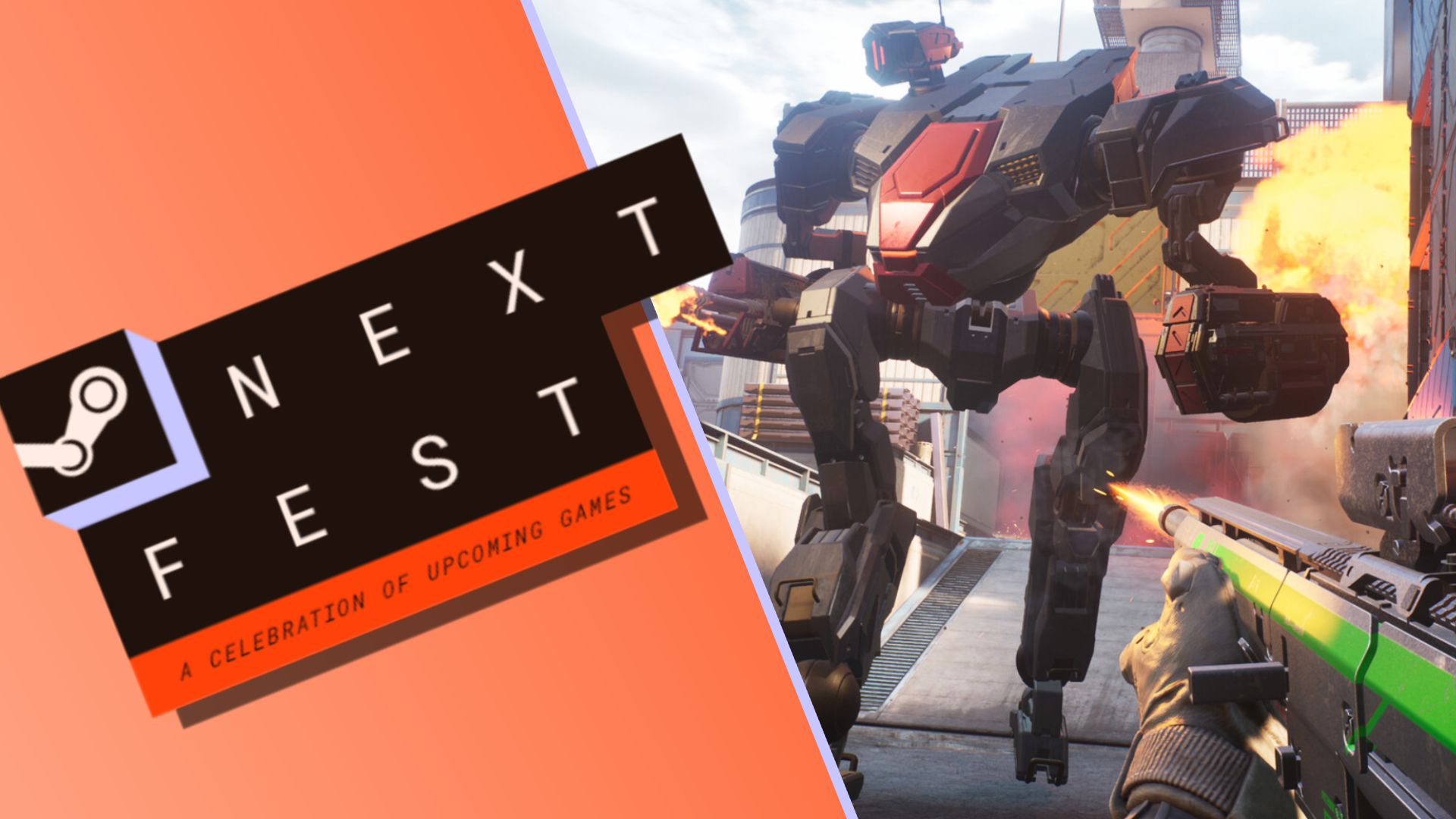
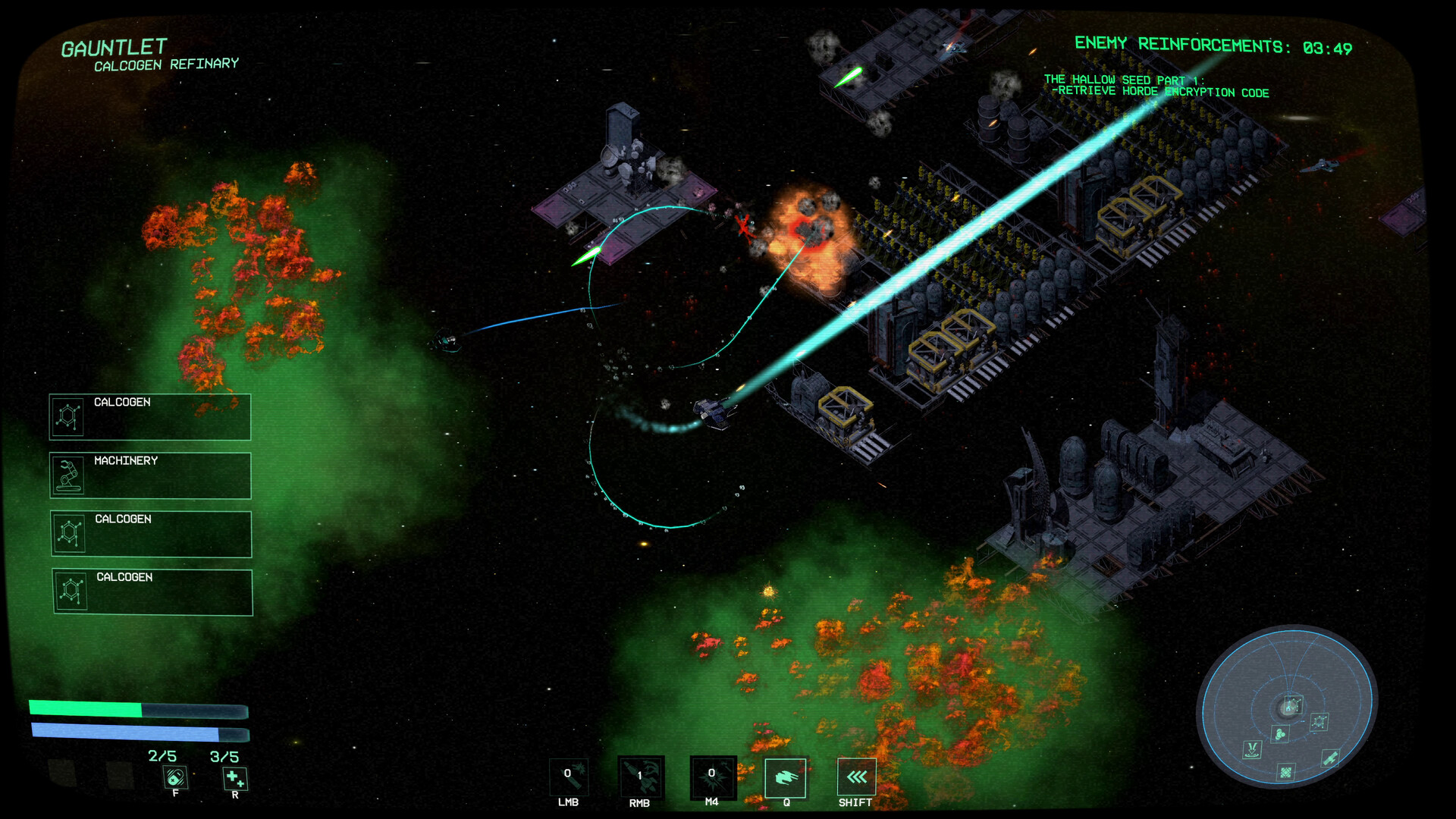
For those nostalgic for the high-octane movement of the Titanfall era, Empulse has emerged as a standout, offering the kind of kinetic wall-running and mech-centric combat that has been sorely missed in the current shooter landscape. On the opposite end of the spectrum, Omen provides a glimpse into the niche world of isometric extraction shooters, blending the tension of resource management with the dread of cosmic horror.
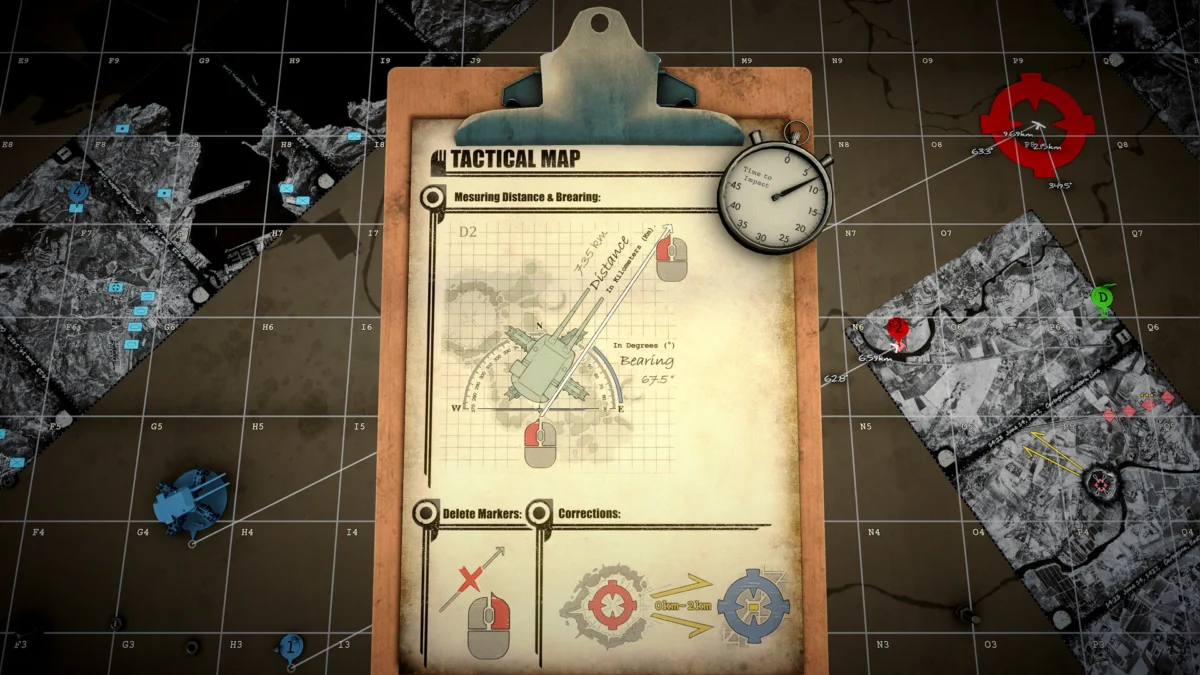
Then there is the sheer eccentricity that only an indie showcase can provide. Iron Nest: Heavy Turret Simulator leans into the "simulator" trend, tasking players with the tactile, manual labor of steam-driven hydraulics and complex firing solutions. These titles illustrate that Next Fest is not just about the next big blockbuster, but about the preservation of unique, highly specific design philosophies that would otherwise never survive the scrutiny of a traditional publisher.
Official Perspectives and Industry Implications
Valve, for its part, remains hands-off regarding the curation of the festival, favoring a decentralized approach that allows any developer with a build ready for public consumption to participate. This has led to some criticism regarding the discoverability of high-quality titles among the "noise" of thousands of entries. However, the prevailing industry consensus is that the democratization of the platform is a net positive.
"The festival is a reflection of the state of the industry," notes one analyst. "It is chaotic, it is loud, and it is incredibly productive. The implication of 4,000+ demos is that we are living in a golden age of game development, even if it is increasingly difficult for any single title to capture the collective consciousness."
For the consumer, the implication is clear: the era of the "blind buy" is largely over. The modern gamer is expected to be a discerning consumer, testing the waters before committing their funds. This shift has forced developers to be more disciplined, focusing on "vertical slices"—tight, polished segments of gameplay that perfectly encapsulate the final product—rather than expansive, buggy betas.
Conclusion: Navigating the Glut
As you dive into the sea of thumbnails and "Download Demo" buttons, it is easy to feel the weight of the 4,347 titles staring back at you. The key to surviving Next Fest is not to attempt the impossible, but to curate your own experience. Utilize the tags, follow the developers whose previous works you’ve enjoyed, and keep an eye on community roundups.
Your wishlist is a living document, and as the week progresses, you will undoubtedly find it expanding beyond what your bank account can handle. This is the intended result of the festival—to ensure that even in a sea of thousands, the games that deserve to be seen find their audience. Keep your eyes on the site throughout the week; we will be highlighting the hidden gems that you might otherwise overlook, helping you navigate this overwhelming, wonderful, and essential week of digital discovery.

