

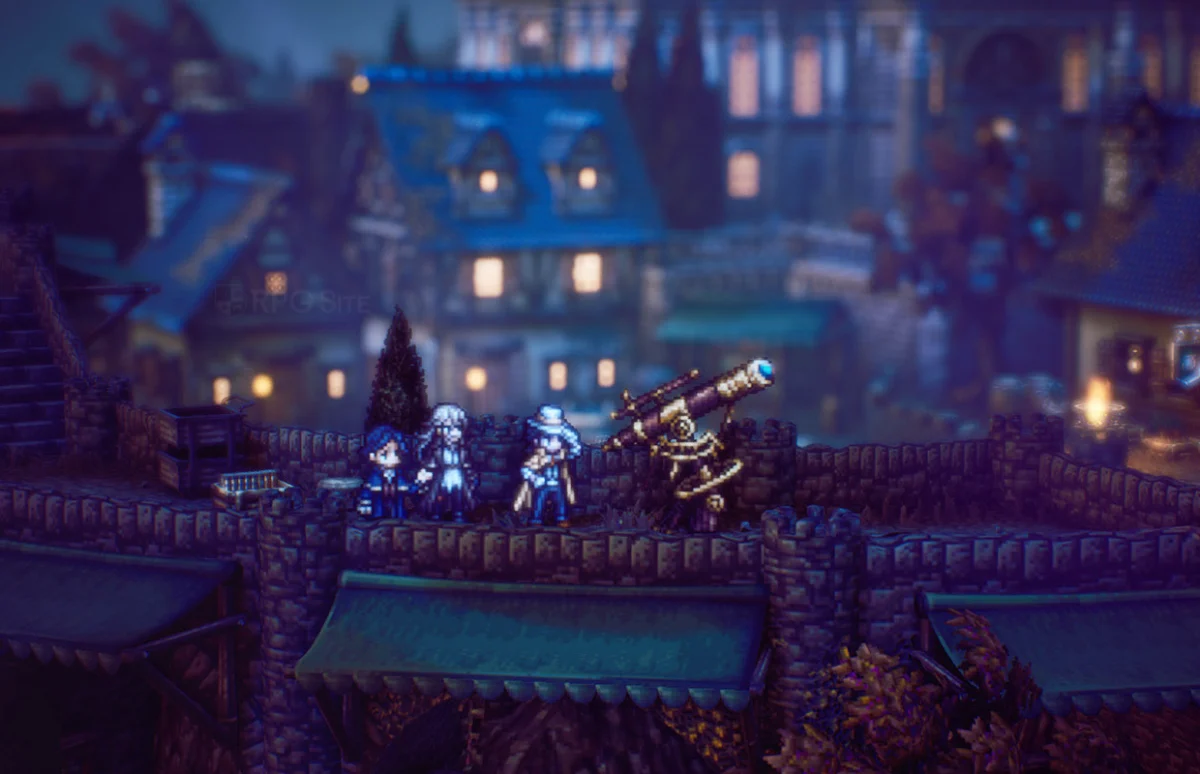
The landscape of modern RPGs is often defined by the "HD-2D" aesthetic pioneered by Square Enix. With the recent launch of Octopath Traveler and Octopath Traveler II on the Switch 2 in Japan, fans have been eager to see how these titles—which helped define the genre on the original Switch—fare on Nintendo’s latest hardware. As we approach the Western release on October 1, the community is weighing a difficult question: do these "native" ports justify a full-price purchase, or are they merely iterative upgrades in a world where backward compatibility often provides a "good enough" experience?
Main Facts: A New Version, A New Price Point
Square Enix has officially brought both titles to the Switch 2 platform, marking a significant, albeit controversial, move for the publisher. Unlike many modern cross-generation releases that offer free upgrades or even simple save-file transfers, these versions are standalone. They launch at full price, lack any form of save-data migration from the Switch 1 versions, and are being distributed physically via "Game-Key Cards."
For those who have already poured hundreds of hours into the original versions, the prospect of rebuying these titles is daunting. However, for newcomers to the series, the allure of playing these sprawling JRPGs on modern, more powerful hardware is significant. The technical improvements are tangible, moving beyond the sub-native resolutions that plagued the original Switch releases, yet the lack of an upgrade path remains a point of contention for long-term fans.
A Chronology of the HD-2D Evolution
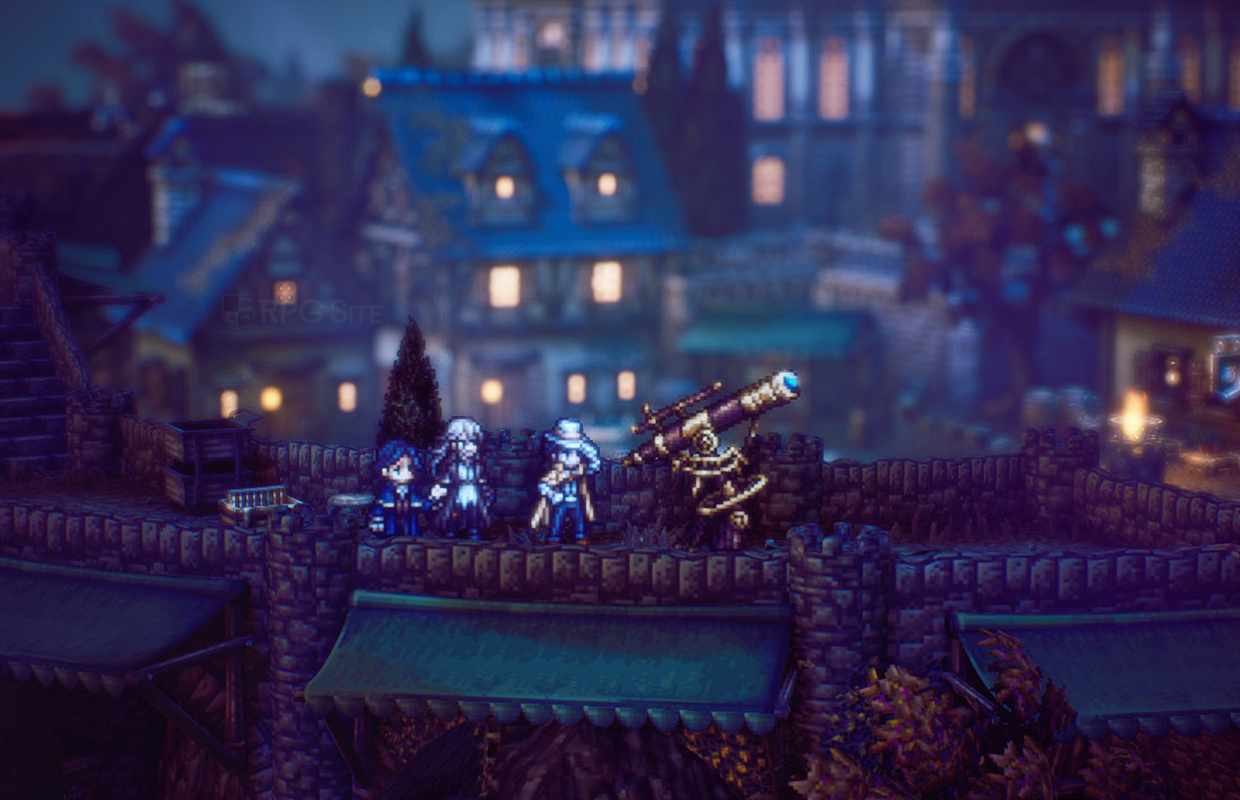
The journey of the Octopath series is one of constant iteration. When the original Octopath Traveler launched in 2018, it served as a technical showcase for the Switch, utilizing a unique blend of pixel art and high-fidelity lighting effects. However, the hardware limitations of the 2017 console were apparent; the game struggled to maintain a consistent native resolution, often appearing blurry, particularly when docked.
Octopath Traveler II, released in 2023, improved upon many of the visual fidelity issues but still faced the inherent constraints of the aging Switch architecture. The announcement of the Switch 2 versions represents the next step in this timeline. By moving to more capable hardware, Square Enix has sought to address the primary complaints of the original ports: frame rate stability, resolution clarity, and load times. This transition is not just a port; it is an attempt to define how these titles should have performed from the beginning.
Supporting Data: Performance and Technical Benchmarks
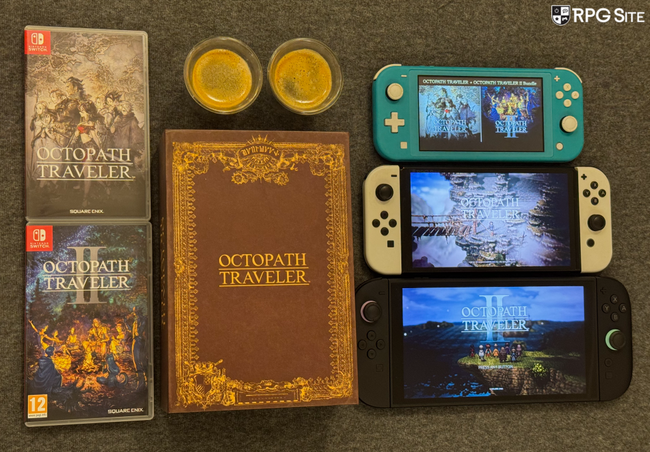
To understand the tangible benefits of the Switch 2 versions, we must look at the data. In rigorous testing comparing the Switch 1 originals (running on the original console) against the new Switch 2 native ports, the improvements are clear.
Resolution and Visual Fidelity
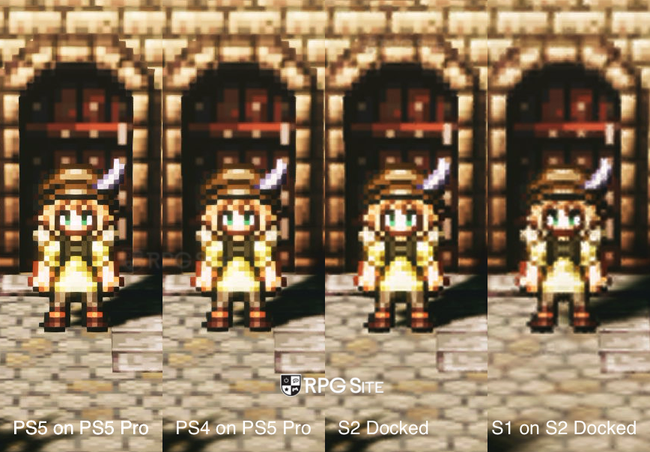
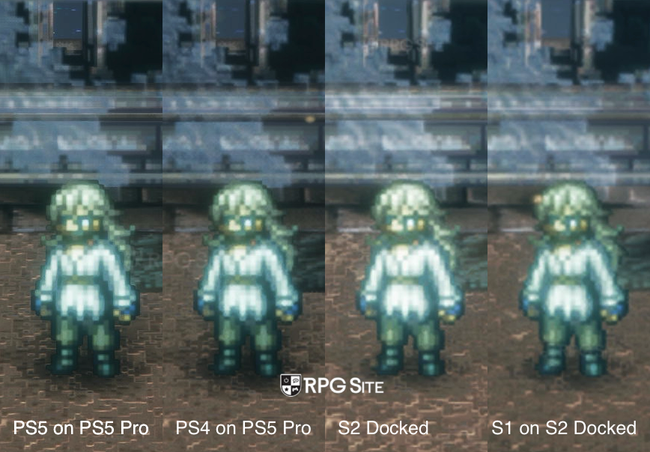
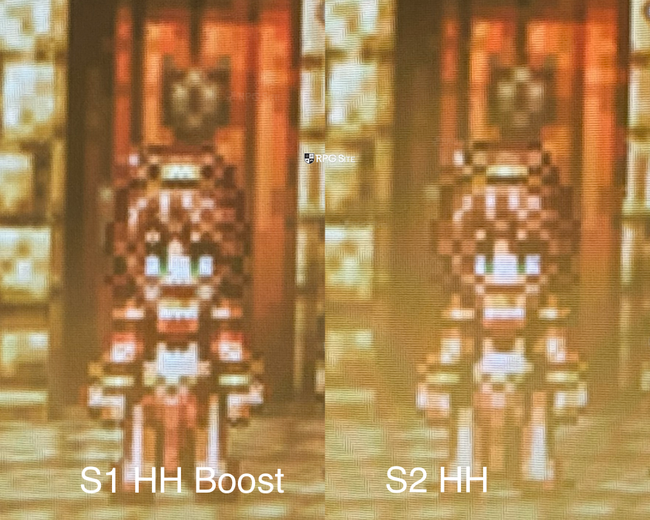
On the original Switch, both games operated at sub-native resolutions, failing to reach 720p in handheld mode or a crisp 1080p when docked. The result was a soft, somewhat smeared image. On the Switch 2, the resolution floor has been raised significantly. While the game does not quite reach the sharp, crystal-clear output of the PS4 Pro or PS5 versions, it represents a monumental leap forward from the Switch 1.
One minor drawback noted in testing is the appearance of shimmering and filtering artifacts in distant textures when viewed on a 1440p monitor. While this is an improvement over the original, those expecting a 4K-native aesthetic comparable to the current-gen console experience might find the image quality slightly lacking. However, for a handheld-focused device, the visual fidelity is impressive.
The 60fps Standard
Perhaps the most impactful change is the frame rate. Both Octopath Traveler and Octopath Traveler II were capped at 30fps on the original Switch, with frequent frame-pacing issues that could distract from the beauty of the environments. The Switch 2 versions target 60fps in both handheld and docked modes.
Performance testing shows that while the frame rate is generally solid, there are occasional, minor dips in docked mode. Interestingly, the handheld experience seems to be the preferred way to play; performance holds up remarkably well during the opening hours of the game. Whether this is due to the inherent benefits of the hardware’s variable refresh rate or better optimization for handheld power draw remains to be seen, but the difference in fluidity is immediately apparent.
Load Time Analysis
The following table illustrates the dramatic reduction in load times across different configurations:
| Version | Dashboard to Title | Loading Save File |
|---|---|---|
| Octopath S1 | 35-37 Seconds | 25 Seconds |
| Octopath S1 on S2 | 28 Seconds | 7 Seconds |
| Octopath S2 | 17-18 Seconds | 5 Seconds |
| Octopath II S1 | 34-36 Seconds | 10-11 Seconds |
| Octopath II S1 on S2 | 23 Seconds | 6 Seconds |
| Octopath II S2 | 21 Seconds | 4-5 Seconds |
The Switch 2 native versions effectively halve the wait times compared to the original console, providing a much snappier experience that feels more in line with modern standards.
Official Responses and the "Game-Key" Controversy
Square Enix has remained relatively quiet regarding the specific technical decisions behind the lack of upgrade paths. The use of "Game-Key Cards"—physical cards that act essentially as download keys rather than containing the full game data—has drawn criticism. Critics argue that this model limits the second-hand market and does not offer the "physical ownership" that many collectors desire.
Furthermore, the decision to launch these games at full price without acknowledging existing save data is a significant barrier to entry for veterans of the series. While no formal apology or policy change has been issued by Square Enix, the Western release on October 1 will be a critical litmus test for the publisher. Fans are watching closely to see if any day-one patches address the minor performance fluctuations or if the current build will be the final state of the product.
Implications: Is the Upgrade Worth It?
The dilemma for the consumer is twofold: the value of the technical upgrade versus the cost of rebuying software they already own.
For Returning Players
If you have already completed the Octopath journey, the lack of save transfer is the death knell for a full-price purchase. Without the ability to carry over your progress, you are essentially paying for a visual and performance "patch" that, while nice, does not add new content or narrative depth. Unless you are a die-hard fan looking to experience the game again in a much smoother, higher-fidelity format, the cost-to-benefit ratio is poor. It is advisable to wait for a deep discount, which is inevitable given Square Enix’s historical pricing strategies on other platforms.
For Newcomers
For those who have yet to step into the world of Orsterra or Solistia, the Switch 2 native versions are arguably the definitive way to play. The flexibility of the Switch 2—allowing for a seamless transition between a high-definition docked experience and a portable, 60fps handheld experience—outweighs the graphical superiority of the PS5 or PC versions for many. The ability to take a massive, 80-hour RPG on the go without sacrificing performance is the exact "killer app" feature that the series was designed to showcase.
Final Thoughts
The transition of Octopath Traveler and its sequel to the Switch 2 is a double-edged sword. It showcases the capability of the hardware to bring a much-needed polish to titles that were previously held back by technical limitations. However, the business model surrounding these releases—full price, no cross-gen perks, and restrictive physical formats—leaves much to be desired.
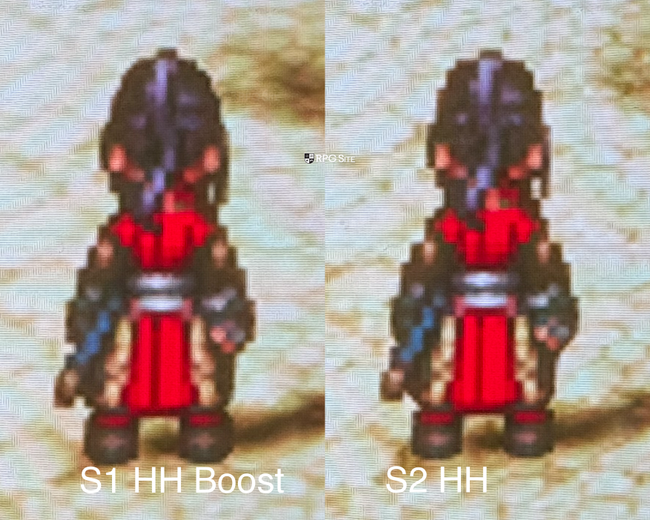
As we look toward the Western release on October 1, the core question remains: will the market value performance over the principle of ownership? For now, the technical evidence suggests that the games have never looked or played better. Whether that is enough to justify the price tag is a decision every traveler will have to make for themselves.

