

Amazon is embarking on a strategic experiment that seeks to bridge the gap between traditional broadcast journalism and the high-velocity, short-form consumption habits of the digital age. In a move that signals a significant shift in how streaming platforms engage with breaking news, Prime Video has officially integrated a "News Clips" feature, effectively introducing a TikTok-inspired content discovery model to the living room television screen.
By curating bite-sized, scrollable news segments, Amazon is attempting to answer a fundamental question: Can the behavioral patterns mastered by social media giants be successfully transplanted into the premium, lean-back environment of a subscription streaming service?
The Mechanics of the New Feature
The "News Clips" feature is designed to distill complex national and local headlines into condensed, high-impact video summaries. Rather than forcing users to navigate to a dedicated news channel or sit through lengthy, on-demand broadcasts, Amazon has integrated these clips directly into the Prime Video interface via "Trending Topics" and "Local News" carousels.
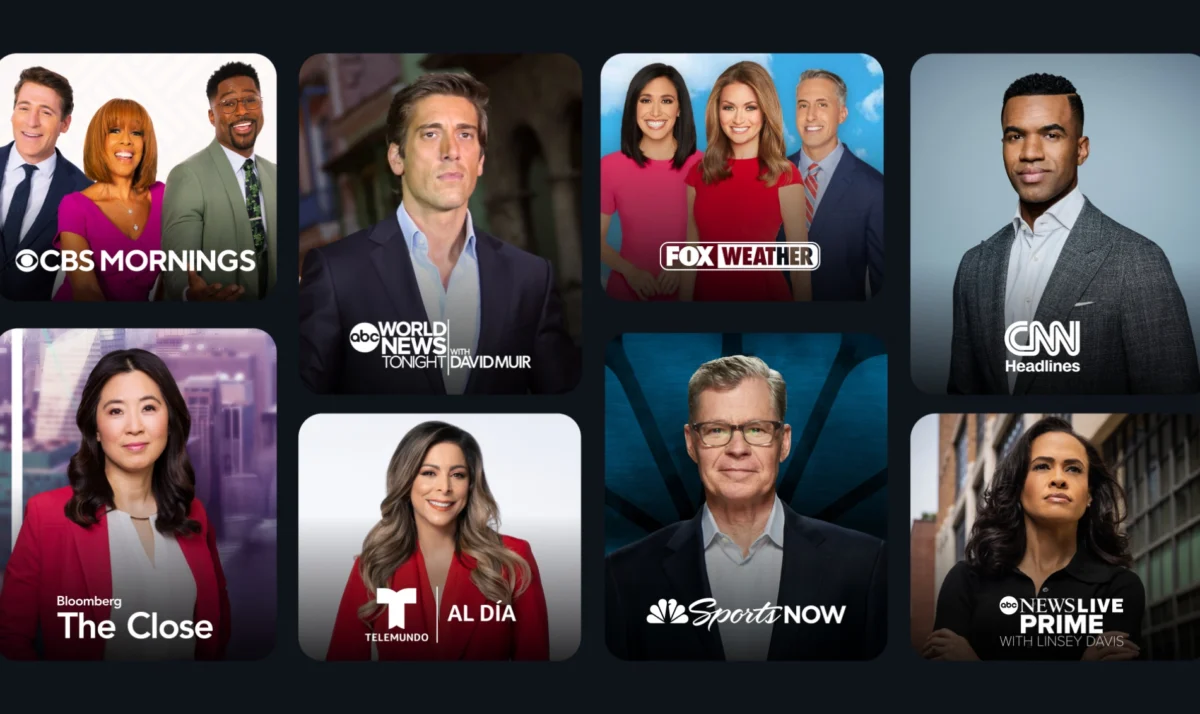
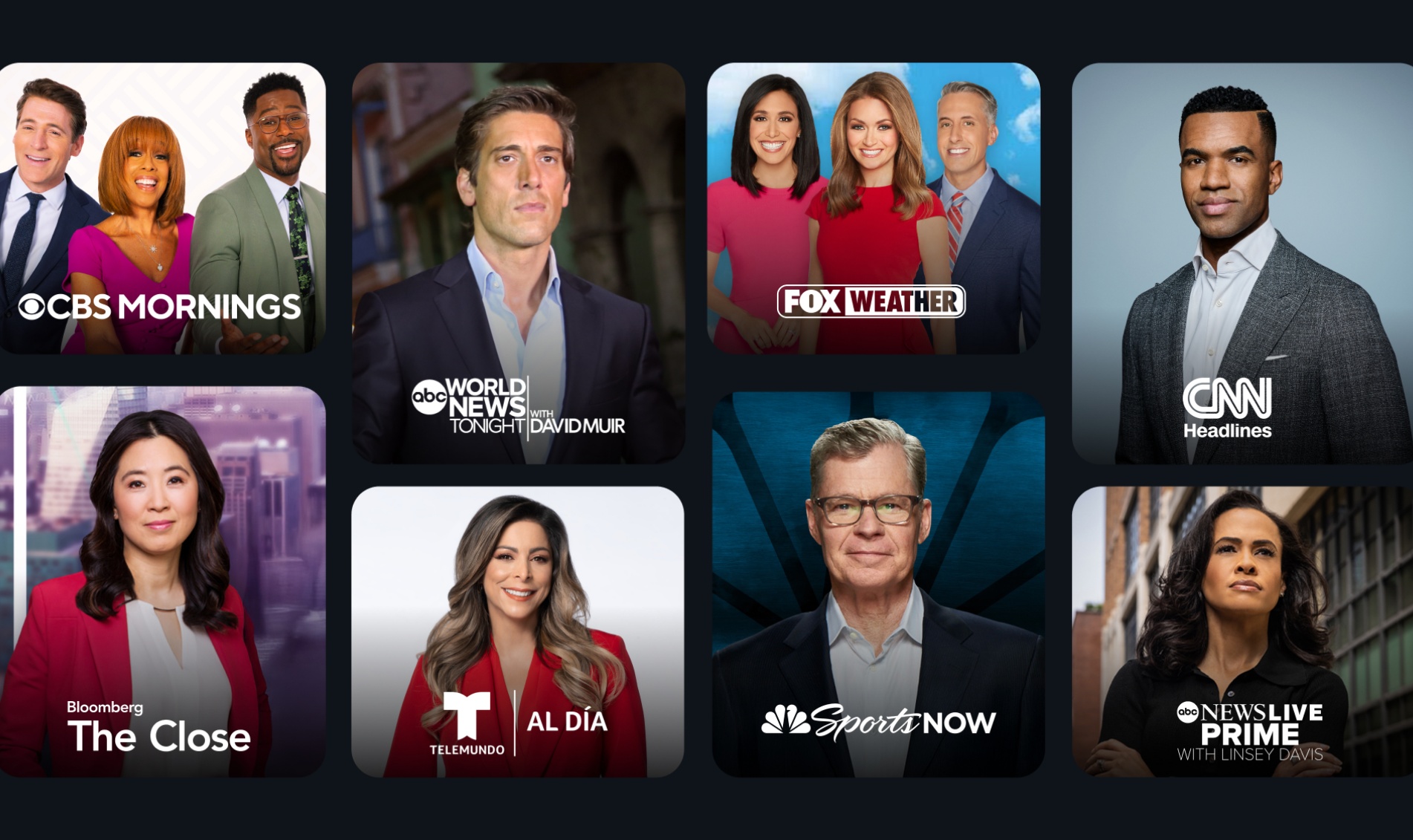
This content is not generated in-house by Amazon, but is instead pulled from a consortium of established, legacy media outlets. At launch, the platform is pulling from industry heavyweights, including ABC News Live, CBS News 24/7, LiveNOW from Fox, CNN Headlines, and NBC News NOW. For the average viewer, this means that the "news" they encounter on their smart TV will be professionally vetted, high-production-value footage, repurposed into a format that feels familiar to anyone who spends time scrolling through social media feeds.
A Chronology of the Shift
The transition toward short-form news integration did not happen in a vacuum. It is the latest move in a multi-year trend that has seen media conglomerates scrambling to recapture the attention of younger demographics who have largely abandoned traditional cable news.
- The Early 2020s: As the pandemic forced a global shift toward digital-first consumption, platforms like TikTok exploded as primary news sources for users aged 18 to 24. Research from outlets like Ofcom and the Reuters Institute began highlighting a clear trend: the "For You Page" (FYP) was effectively replacing the evening news for a significant portion of Gen Z.
- 2023-2024: Traditional media organizations began to panic. Recognizing that their full-length broadcasts were failing to reach younger audiences, industry leaders began experimenting with "snackable" content.
- Late 2025: The New York Times signaled a major pivot in the industry by updating its own app to feature a scrollable, TikTok-style video feed, validating the theory that high-quality journalism needs a new distribution vehicle to remain relevant.
- September 2026: Amazon makes its move. By launching "News Clips," the company is acknowledging that the "appointment viewing" model—where audiences wait for a specific broadcast time—is increasingly incompatible with modern lifestyle habits.
The Data: Why Short-Form is King
The impetus for Amazon’s strategy is rooted in hard data. According to various digital news reports, the demographic shift is stark. The 18-to-24-year-old cohort, once the target audience for cable news, now views traditional linear programming as too slow and cumbersome.
Data from the Pew Research Center has consistently shown that users are increasingly turning to individual creators for political and social commentary rather than news anchors. While legacy outlets maintain high levels of trust, they have struggled to convert that trust into digital engagement. Creators, conversely, possess a natural fluency in the "TikTok language"—pacing, editing, and tonal delivery—that resonates with modern users.
Amazon’s challenge is that while they are providing the style of TikTok, they are providing the content of legacy media. The question remains: Is the audience looking for the format of the FYP, or are they looking for the voice of the independent creator?
Official Responses: The Rationale Behind the Move
Brian Griffin, Head of Global App Experience at Prime Video, framed the move as an enhancement of the platform’s utility rather than a direct copycat strategy.
"Until now, customers coming to Prime Video for news could watch breaking news live or tune into full-length on-demand programs," Griffin stated in an official company release. "But not everyone can catch breaking news the moment it happens. With News Clips, customers have a quick and easy way to get caught up on the latest stories happening in their neighborhood and around the world. Combined with our extensive lineup of free 24/7 live news, Prime Video is becoming a truly comprehensive destination for news."
Griffin’s emphasis on "comprehensive destination" suggests that Amazon is not looking to replace its existing long-form content, but rather to use short-form clips as a funnel. By providing a "quick and easy way" to get caught up, Amazon hopes to entice viewers to click through to full-length coverage if a story piques their interest.
Implications for the Future of Media
The rollout of News Clips carries significant implications for the broader media ecosystem.
1. The Death of the "Appointment View"
The industry is moving toward a model of continuous, fragmented consumption. By embedding short-form clips into the Prime Video home screen, Amazon is essentially acknowledging that the "lean-back" experience of television is now being augmented by the "lean-forward" habits of mobile browsing. If successful, this could lead to a permanent reduction in the time users spend on linear news broadcasts.
2. The Credibility Gap
Amazon is banking on the idea that viewers prefer "trusted" news sources (ABC, NBC, CBS) over the independent creators that dominate TikTok. However, the data suggests otherwise. Independent creators often provide a level of intimacy and personality that legacy anchors, tethered to teleprompters and corporate brand guidelines, cannot replicate. Amazon may find that the barrier to success is not the distribution platform, but the "corporate" tone of the content itself.
3. The "Inspire" Lesson
Amazon has tried this before. Its "Inspire" tab, which was designed to replicate the TikTok shopping experience, struggled to gain traction and was ultimately shuttered. The failure of Inspire serves as a cautionary tale: simply applying a vertical-video UI to an existing storefront does not guarantee engagement. The content must be inherently compelling. News, while essential, lacks the dopamine-heavy, entertainment-first nature of the viral content that drives TikTok’s success.
Conclusion: A Limited Rollout with High Stakes
For the time being, the News Clips feature is restricted to U.S.-based users accessing Prime Video on their TV screens. This is a deliberate, cautious strategy. By limiting the rollout, Amazon can measure engagement metrics—such as completion rates and click-through rates to full-length content—without committing to a global infrastructure overhaul.
If the clips generate high levels of engagement, it is highly probable that we will see an expansion of the feature to mobile devices and a wider array of international markets. However, if the feature fails to capture the attention of the average Prime user, it may serve as another data point in the ongoing struggle of legacy media to define its place in a platform-driven economy.
Amazon is attempting to solve a modern problem: how to make "serious" content move at the speed of the internet. Whether that is a winning strategy will depend entirely on whether users want their news delivered as an experience, or simply as a headline. For now, the world’s largest retailer is gambling that the future of the living room looks a lot like the palm of our hands.

