

The arrival of the Nintendo Switch 2 has fundamentally altered the landscape of portable gaming, particularly for the Role-Playing Game (RPG) genre. By bridging the gap between high-fidelity home console performance and the convenience of handheld play, the system has become a premier destination for both legacy titles and cutting-edge new releases. As the console matures, the ecosystem is being bolstered by a steady stream of "Switch 2 Edition" upgrades, native ports, and day-one multiplatform releases.
This guide serves as a living document, tracking the current RPG library for the Nintendo Switch 2, analyzing technical performance, and exploring the implications of this new hardware generation for the genre.
The Core Landscape: Technical Evolution and Backwards Compatibility
At the heart of the Nintendo Switch 2 experience is a robust backwards compatibility suite. While the majority of the original Switch library is playable, Nintendo has been clear that some titles require optimization or patches to function correctly on the new architecture.
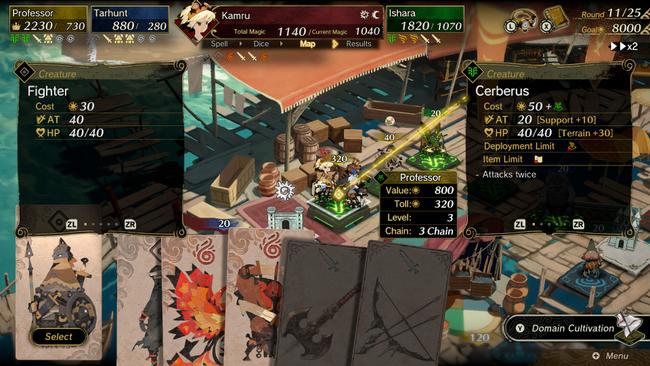
However, this guide focuses on the "next step": games that have received native "Switch 2 Edition" releases, full paid upgrades, or brand-new titles designed specifically for the platform’s advanced hardware capabilities. These versions often feature higher resolution targets, improved frame rates, and, in some cases, specialized hardware features like mouse support and HDR, which significantly enhance the immersion of titles like Card-en-Ciel and Inazuma Eleven: Victory Road.
Chronology of Releases: A Curated Selection
The library is vast, but several key titles define the current state of the platform.
High-Profile Ports and Upgrades
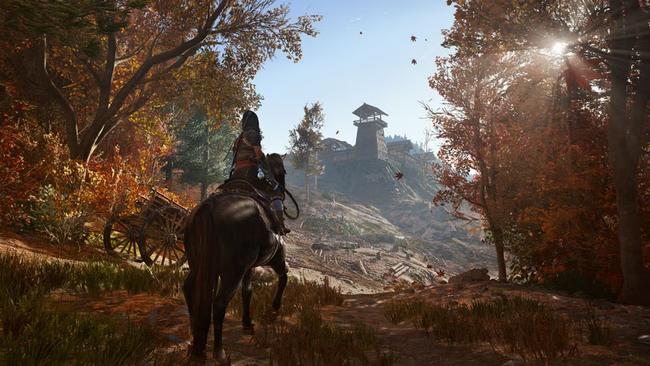
- Assassin’s Creed Shadows: A standout for its cross-progression support, making it an ideal portable companion for those invested in the series on other high-end platforms.
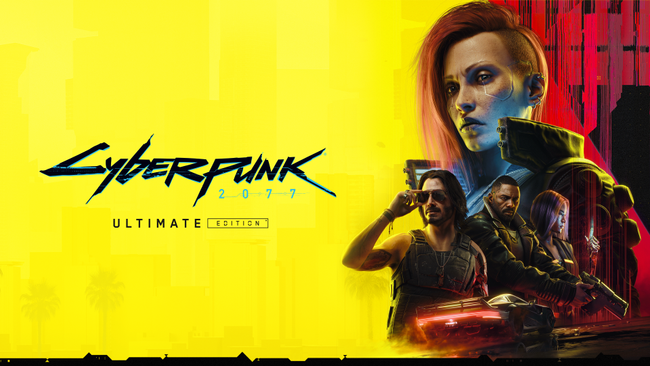
- Cyberpunk 2077 Ultimate Edition: Perhaps the most technically impressive feat on the system, delivering a complete, cartridge-based physical experience that rivals the efficiency once seen in The Witcher 3 on the original Switch.
- Final Fantasy VII Remake Intergrade: A solid, conservative port that successfully brings a modern classic to a portable form factor, allowing players to experience the journey through Midgar anywhere.
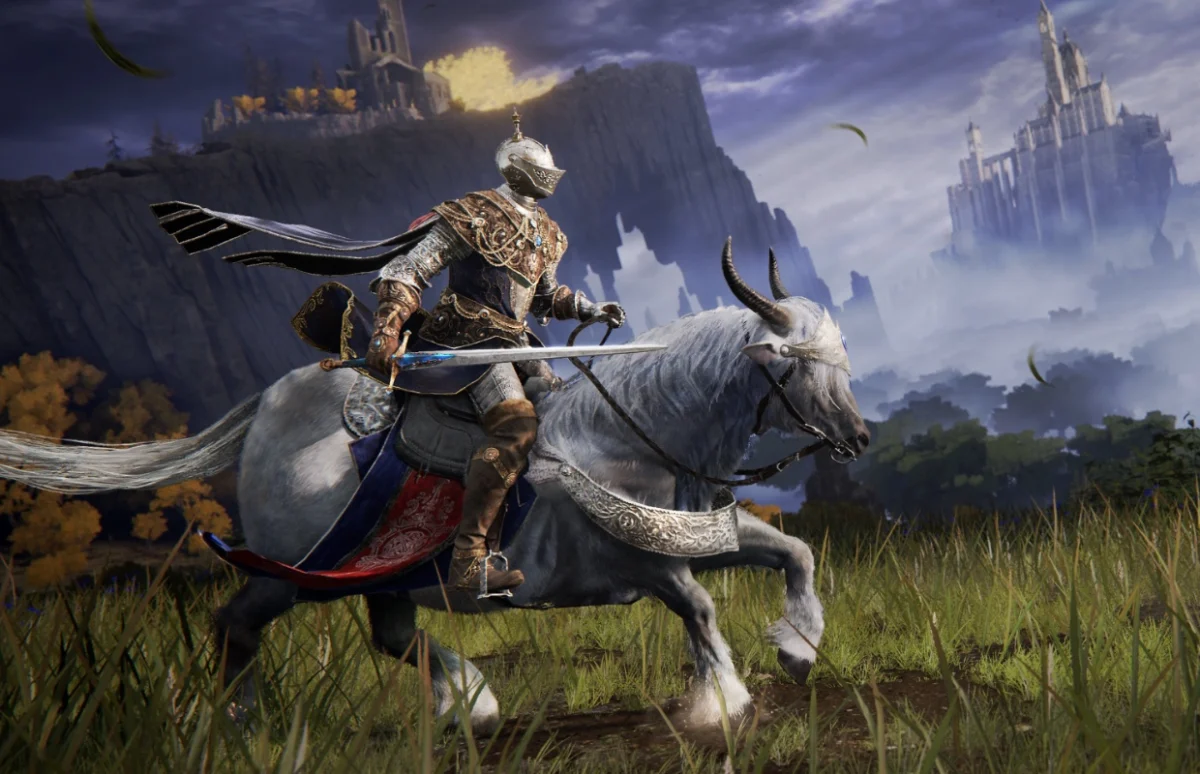
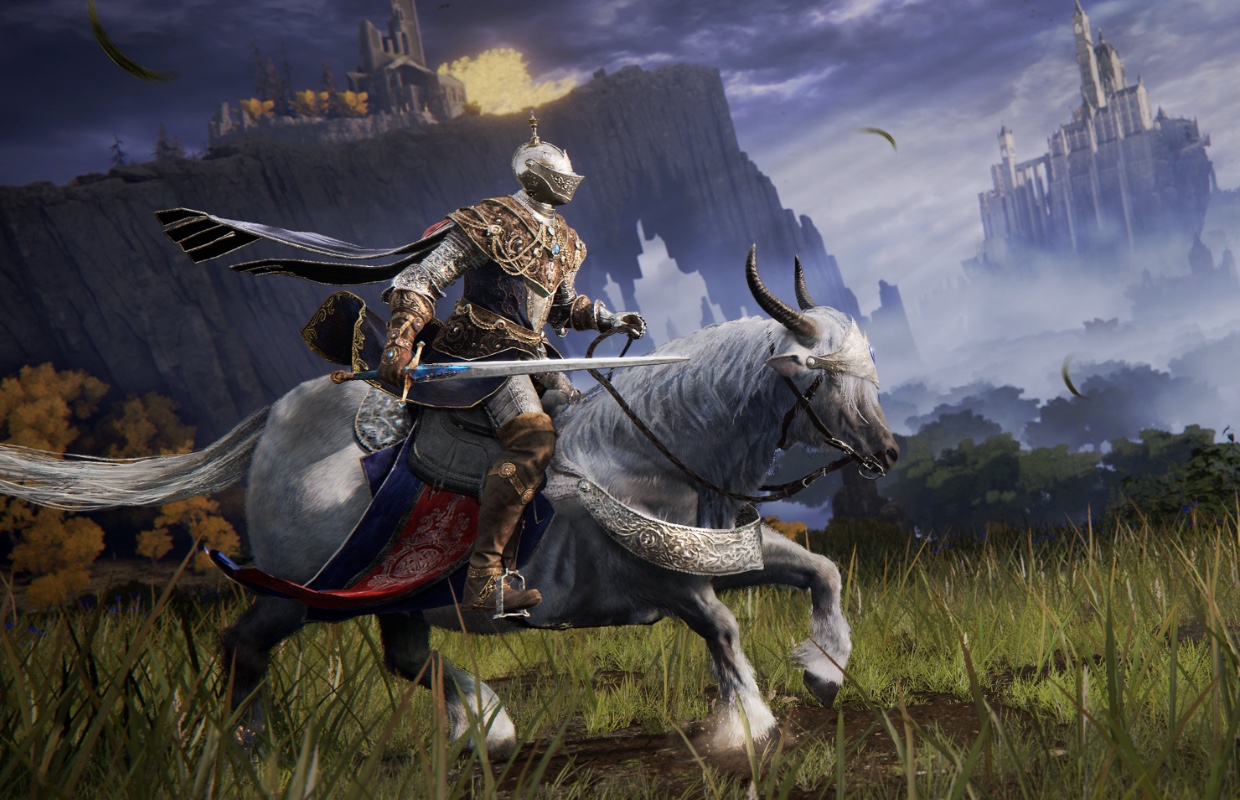
- Elden Ring: Tarnished Edition: After a strategic delay to 2026, the inclusion of Shadow of the Erdtree makes this the definitive portable Souls-like experience, showcasing the system’s ability to handle demanding open-world assets.
Series Reimagining and Remasters
- Dragon Quest I & II HD-2D Remake: An expansive, beautiful reimagining that proves the HD-2D aesthetic is perfectly suited for the crisp, vibrant display of the Switch 2.
- Dragon Quest VII Reimagined: Launching in early 2026, this title introduces the "Moonlighting" mechanic, allowing for complex vocation leveling, effectively modernizing one of the franchise’s most beloved entries.
- Final Fantasy Tactics – The Ivalice Chronicles: A rare gem that offers a free upgrade path for current owners, demonstrating a consumer-friendly approach to cross-generational releases.
- Yakuza 0, Kiwami, and Kiwami 2: The Yakuza series has found a strong foothold on the platform. Yakuza 0 Director’s Cut stands out for including the original licensed opening song, "Bubble," and 26 minutes of previously unseen cutscenes.
Supporting Data: Performance and Accessibility
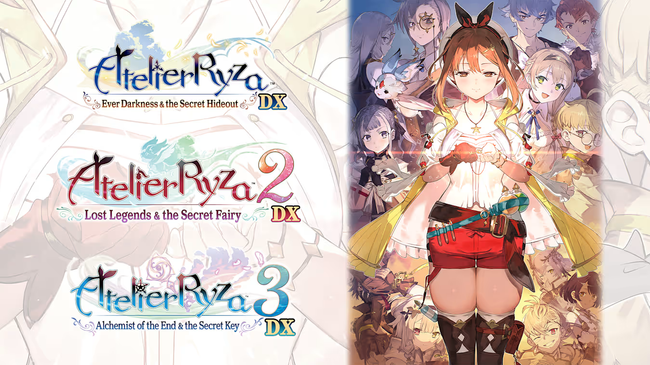
The performance of these titles varies significantly based on developer optimization. For example, while the Atelier Ryza Secret Trilogy Deluxe Pack offers a solid experience, players noted a lack of a 60fps mode that many expected from the upgraded hardware. Conversely, titles like Fantasy Life i: The Girl Who Steals Time have received multiple post-launch updates specifically targeting draw distance and reflection quality, demonstrating the platform’s potential for continuous improvement.
The "Upgrade" Model
Developers have adopted three distinct strategies for the Switch 2:
- Free Upgrades: Provided for titles like Divinity: Original Sin II – Nintendo Switch 2 Edition and Fallout 4: Anniversary Edition.
- Paid Upgrades: Used for titles like Atelier Yumia or Shuten Order, which offer significant visual and feature enhancements, though their value proposition remains a point of debate among the community.
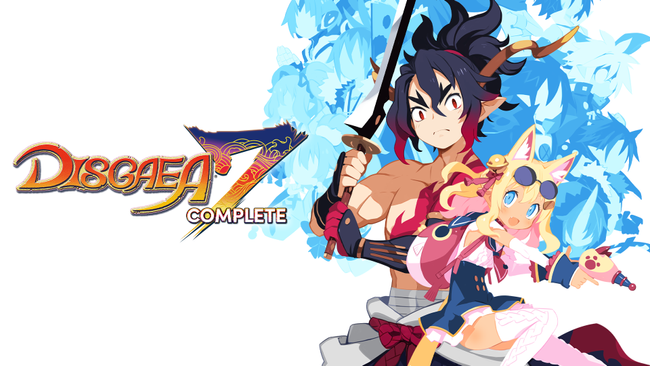
- Standalone Native Releases: Titles such as Disgaea 7 Complete have launched exclusively as Switch 2 native versions in the West, consolidating DLC and base content into a single, optimized package.
Official Responses and Developer Insights
The transition to the Nintendo Switch 2 has been characterized by active dialogue between publishers and players. In interviews, figures such as Naoki Hamaguchi of Square Enix have emphasized the importance of reaching a "wider audience" through portable hardware.
Similarly, the decision to delay high-profile ports—such as Elden Ring—was explicitly communicated by publishers as a necessary step to ensure "performance adjustments" were met. This level of transparency suggests that the industry is taking the Switch 2’s unique hardware constraints and capabilities seriously, aiming for quality over rushed releases.
Implications for the Future of RPGs
The success of the Nintendo Switch 2 as an RPG machine has profound implications for the industry:
- The "Third Way" for Ports: Developers no longer have to choose between a "lite" version of a game or skipping the platform entirely. The current hardware allows for high-fidelity ports that, while sometimes conservative, maintain the core visual identity and gameplay mechanics of their PS5 or PC counterparts.
- The Persistence of Physical Media: The rise of "Game Key Card" releases—where the full game is on the cartridge without the need for additional downloads—is a victory for game preservationists and collectors. It is a trend that sets the Switch 2 apart from the digital-first philosophy of its competitors.
- Genre-Defining Exclusives: The existence of projects like The Duskbloods (a PvPvE exclusive) and Hyrule Warriors: Age of Imprisonment highlights that Nintendo continues to secure high-quality, genre-specific content that leverages the unique input capabilities of the console, such as gyro controls and specialized touch interfaces.
Challenges Ahead
Despite the success, the platform is not without its growing pains. Performance issues in early versions of Warhammer 40,000: Rogue Trader and Atelier Yumia serve as reminders that hardware power alone cannot compensate for optimization. Furthermore, the fragmented nature of "upgrade paths" can lead to consumer confusion, requiring platforms like RPG Site to provide detailed, side-by-side comparisons to help players make informed purchasing decisions.
Conclusion
The Nintendo Switch 2 is not just a hardware revision; it is an evolution of the portable gaming philosophy. As we look ahead to 2026 and beyond, the library of available RPGs will only continue to grow. Whether you are revisiting the tactical depth of the Ivalice Chronicles or diving into the brutal, sprawling world of the Elden Ring: Tarnished Edition, the Switch 2 offers a diverse, high-quality, and increasingly performant experience that cements its status as the most versatile home for the Role-Playing Game.
We will continue to update this guide as new patches, announcements, and hardware tests become available.

