

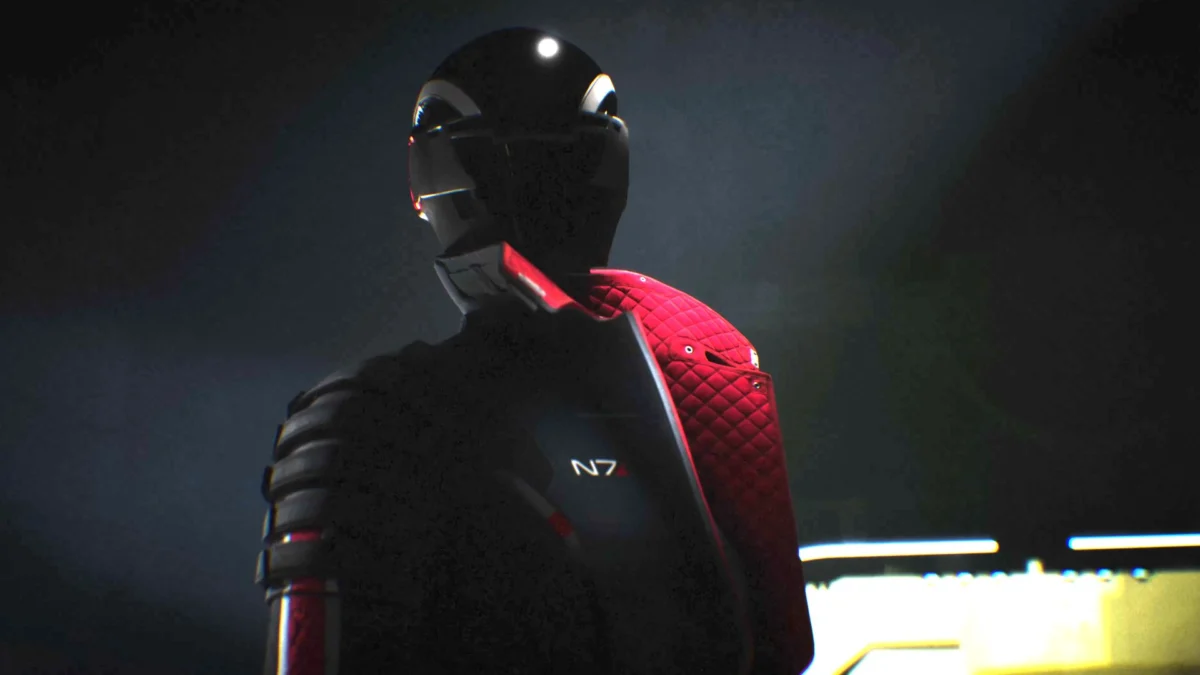
The sudden and brutal cancellation of Mass Effect 5 and the subsequent shuttering of legendary developer BioWare sent a shockwave through the video game industry. While the primary tragedy of this corporate restructuring—stemming from Electronic Arts’ acquisition-related maneuvers—remains the displacement of hundreds of talented developers and support staff, the cultural loss is equally profound. Millions of fans have been left mourning an entire universe halted in its tracks.
Yet, as the dust settles, haunting glimpses of what could have been continue to surface. Following a rumored trailer leak that gave fans a fleeting look at the stalled project, the gaming community has now been gifted an even more intimate artifact from the abyss: what Mass Effect 5 might have sounded like.
Award-winning composer Austin Wintory, renowned for his breathtaking work on Journey, has publicly released a 20-minute suite of early musical drafts he conceptualized for the ill-fated sci-fi RPG. The release serves as both a magnificent love letter to a cherished franchise and a heartbreaking reminder of a galactic journey cut tragically short.
Main Facts: The Discovery of a Lost Score
The revelation came to light when Wintory published a meticulously produced YouTube video featuring eight distinct tracks of early musical exploration for Mass Effect 5. According to the composer, who describes the franchise as his "white whale" and favorite gaming series of all time, he had spent the last couple of years in serious discussions with BioWare and EA to score the upcoming sequel.
Although Wintory was never filled in on the specific narrative beats or plot outlines of the game—keeping his creative process entirely speculative—the resulting music captures the unmistakable essence of the Mass Effect universe. Blending atmospheric, otherworldly synthesizers with traditional, sweeping orchestral arrangements, the compositions instantly evoke the vast, perilous, and mysterious expanses of deep space.
"My suggestion was to treat the original game’s masterful Jack Wall / Sam Hulick score as a starting point, and to build on it from there with deeper use of physical, analog synths and a more tightly interwoven use of the orchestra," Wintory explained in the video’s description. Among the eight tracks is a brilliant, poignant reimagining of the iconic galaxy map scanning music—a surefire trigger for nostalgia among veteran spacefarers.
Chronology of a Collapse: From Hope to Heartbreak
To understand the weight of Wintory’s musical release, one must trace the rapid and devastating sequence of events that led to BioWare’s demise.
- The Pre-Production Era (2022–2024): Behind closed doors, core veterans at BioWare worked alongside external creative forces, including composers like Wintory, to lay the foundational pillars for Mass Effect 5. Hopes were high following the release of the Mass Effect: Legendary Edition, which proved there was still a massive, ravenous appetite for Commander Shepard’s universe.
- The Acquisition and Shutdown: Structural shifts, reportedly tied to corporate acquisitions and strategic realignments involving Electronic Arts, suddenly altered the landscape. In a sweeping corporate maneuver, EA abruptly canceled the new Mass Effect project and closed BioWare down entirely, upending the livelihoods of countless developers.
- The Leaks (Post-Closure): In the immediate aftermath of the studio’s closure, reports surfaced that a brand-new trailer for Mass Effect 5 had been fully prepared and approved for release prior to the shutdown. Within hours, purported snippets of this trailer leaked online, intensifying the community’s grief.
- The Musical Reveal: Capitalizing on a moment of shared mourning, Austin Wintory stepped forward to share his lost contribution, transforming a corporate tragedy into a bittersweet public memorial for the franchise’s auditory identity.
Supporting Data and Fan Resurgence
The cancellation of Mass Effect 5 did not quietly slip into the night. Instead, it triggered an unprecedented wave of community backlash and grassroots mobilization.
- The 200,000-Signature Petition: Within days of BioWare’s closure, a fan-led petition to save the Mass Effect series skyrocketed past 190,000 signatures, rapidly approaching the 200,000 mark.
- High-Profile Backing: The movement received immense validation when both Jennifer Hale and Mark Meer—the iconic voices of female and male Commander Shepard, respectively—publicly endorsed and engaged with the fan-led efforts to keep the franchise alive.
- Wintory’s 20-Minute Suite: The composer’s published video stands as a rare piece of tangible, high-production pre-release media from a cancelled AAA game of this magnitude, offering analysts and fans a concrete look at the high artistic ambitions that were actively being poured into the project before the plug was pulled.
Official Responses and Industry Reflections
The dismantling of BioWare represents the end of an era for narrative-driven role-playing games. As the studio responsible for industry-defining titles like Baldur’s Gate, Star Wars: Knights of the Old Republic, Dragon Age, and Mass Effect, its sudden closure has sparked intense debate regarding the stability of AAA game development under massive publishers like Electronic Arts.
While formal corporate statements from EA have remained tightly managed—focusing primarily on portfolio restructuring and fiscal priorities—the emotional response from the creative community has been overwhelmingly vocal.
In his farewell statement accompanying the musical drafts, Wintory did not direct his energy toward corporate boardrooms, but rather toward the creators who shaped his childhood and career:
"Thank you BioWare, Casey Hudson, Jack Wall, Sam Hulick, and countless others for several decades of my most cherished gaming memories. And thank you to those at BioWare and EA who recently emboldened me to dream of what my place in that universe might sound like."
Implications: What the Loss of Mass Effect 5 Means for the Industry
The death of Mass Effect 5 and the silencing of BioWare carry profound implications for the future of the video game industry, particularly concerning the viability of single-player, sprawling narrative RPGs.
1. The Vulnerability of Legacy Studios
BioWare’s closure proves that even legendary studios with decades of prestige and millions of loyal fans are not immune to corporate pivots and sudden cutbacks. When publishing conglomerates absorb development powerhouses, the creative output becomes entirely dependent on shifting quarterly metrics rather than long-term artistic legacy.
2. The Value of Preserving "Ghost Projects"
Wintory’s decision to share his uncommissioned drafts highlights a growing trend in digital archaeology: the preservation of "ghost projects." When games are killed in pre-production or development hell, the art, music, and conceptual frameworks developed for them often vanish into corporate vaults. By bringing his work to light, Wintory ensures that the passion poured into Mass Effect 5—even in its infancy—is documented and appreciated.
3. The Power of Fan Solidarity
The immediate mobilization of nearly 200,000 fans, backed by the series’ principal voice actors, demonstrates that franchises like Mass Effect transcend corporate ownership. They belong to the community that lived through their stories. Whether this grassroots pressure can ever compel EA to license, sell, or revive the intellectual property remains to be seen, but the message from the player base is unmistakable: the Normandy’s crew will not be forgotten.
As fans continue to listen to Wintory’s sweeping analog synths and orchestral swells, they are reminded of the infinite galaxies that were promised to them—and the tragic reality of a horizon that will now never be reached.

