

Introduction: A Haunted Deal in the Digital Shadows
For decades, digital solitaire was viewed as little more than a harmless, pre-installed time-waster—a simple tableau of cascading suits designed to pass the minutes in empty office cubicles or quiet bedrooms. But in the evolving landscape of indie horror, familiar things are rarely left uncorrupted. Following in the footsteps of genre-bending masterpieces like Inscryption, developers Tyler C., Grey Alien Games, and Night Signal Entertainment have returned to redefine the boundaries of the digital card game.
With the release of Forbidden Solitaire and its terrifying new expansion, The Discarded, players are no longer just organizing kings and queens. They are battling entities from the dark, mutilating their virtual fingers for unholy blessings, and unraveling a deeply unsettling 1990s multimedia mystery.
Main Facts: What is Forbidden Solitaire: The Discarded?
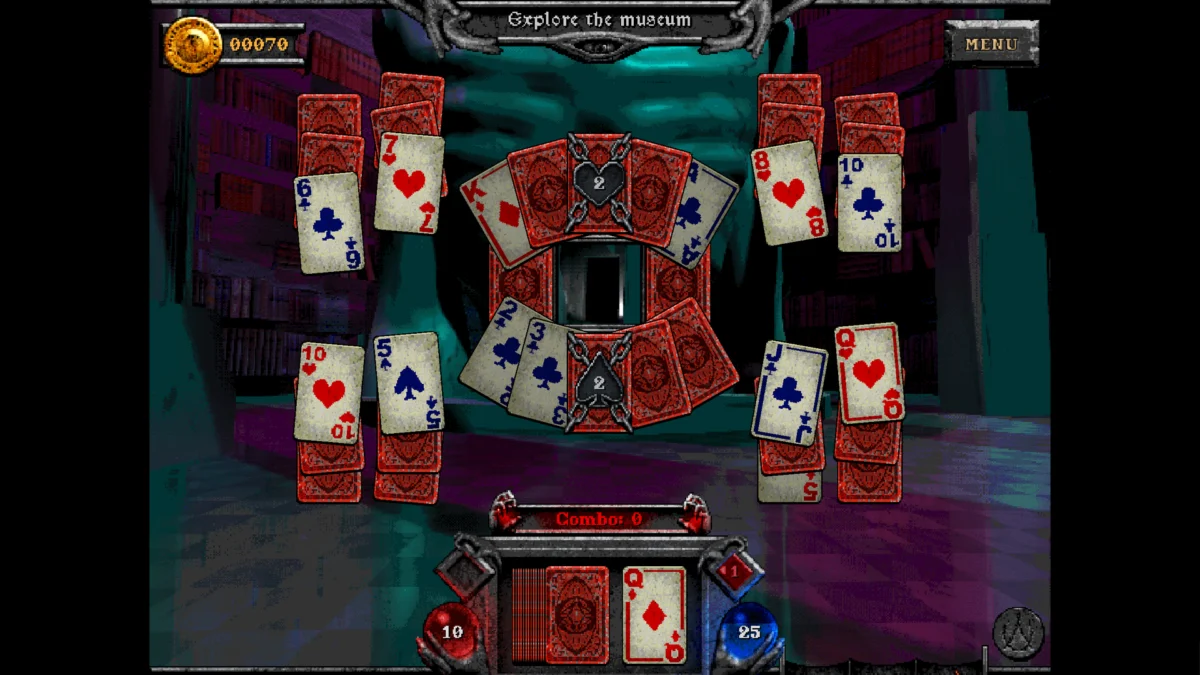
The Discarded is the major new downloadable content (DLC) for Forbidden Solitaire, a retro-styled, horror-infused card game wrapped inside a faux 1995 CD-ROM interface.
- The Core Premise: Players must master a haunted variation of classic solitaire where standard rules are violently upended by modified cards, locked suits, skeletal constraints, and aggressive combat mechanics.
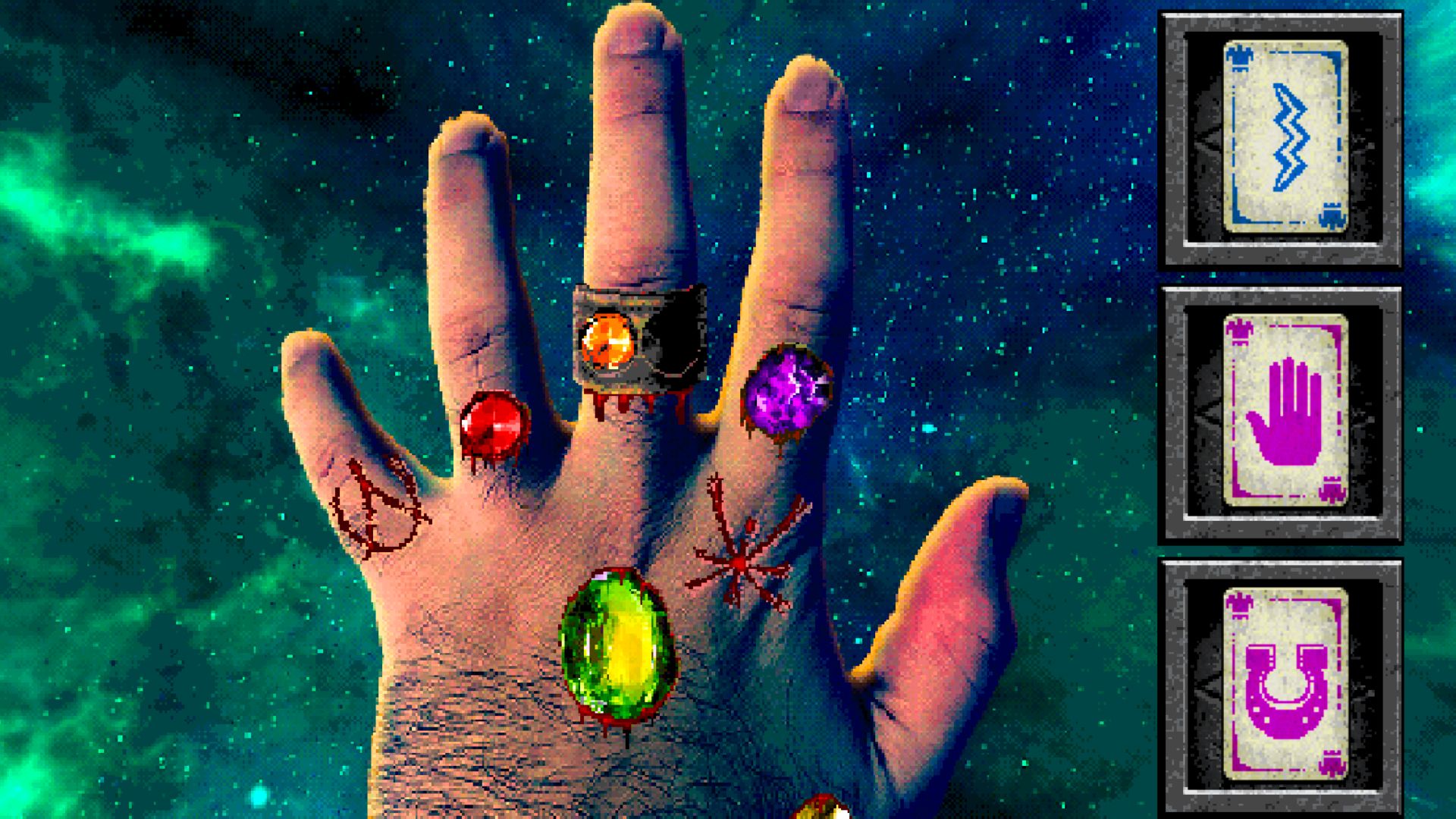
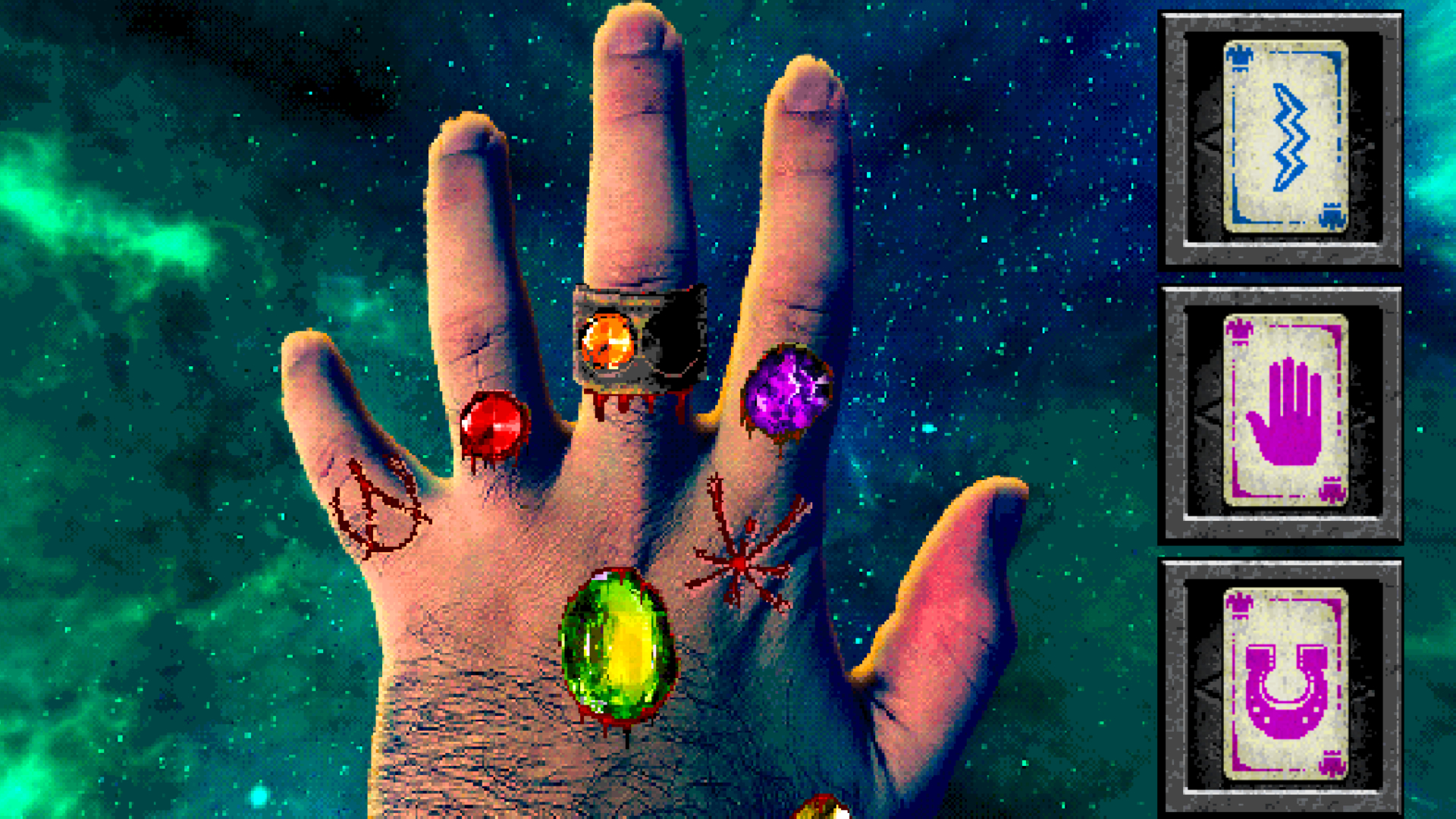
- New Expansion Features: The Discarded introduces 30 brand-new levels, devious new enemy mechanics (such as wet paint and marbled cards that block combos), and terrifying new body-horror mechanics, allowing players to embed gems and sear runes into their flesh for combat bonuses.
- Narrative Thread: Players assume the role of Robyn Cierra, a protagonist searching for their missing sister by diving deep into the code and lore of the eponymous 1995 CD-ROM game.
- Pricing & Availability: Forbidden Solitaire is currently priced at $11.51 (discounted from its standard $16), while The Discarded DLC is available separately for $8 on Steam.
Chronology: A Descent Into the 1995 CD-ROM Nightmare
To truly understand the psychological trap that The Discarded sets for its players, it helps to retrace the timeline of the game’s release and its in-universe lore.
The 1990s Mythos (In-Game Chronology)
In the fictional timeline of the game, Forbidden Solitaire originated as a mysterious, restricted-access CD-ROM title developed in 1995 under deeply suspicious circumstances. Real-world developers have baked this era’s aesthetics—grainy text interfaces, compressed FMV (Full Motion Video) clips, and eerie text-message threads—directly into the gameplay loop. As players progress, they receive frantic messages, images, and video fragments from an unseen contact detailing the occult history and strange disappearances surrounding the original development team.
The Base Game Launch and Reception
Before diving into the horrors of the new DLC, players typically spend two to three hours mastering the base game. Released to critical acclaim among indie horror enthusiasts, the base game established the foundational mechanics: standard solitaire rules twisted by monster encounters, sanity-testing visuals, and a slow-burn narrative about corporate and supernatural cover-ups.
The Arrival of The Discarded
Launching straight into the DLC executable via the game’s simulated ’90s desktop environment, players are offered zero hand-holding. The expansion immediately tests whether users have internalized the haunted rules of the universe. Within the first hour of gameplay, new mechanics—such as throwing cards like knives at approaching horrors and searing glyphs into virtual skin—completely rewrite the tactical playbook, escalating both the difficulty and the dread.
Supporting Data: Mechanics, Depth, and Difficulty
Forbidden Solitaire distances itself from traditional card games by injecting deep tactical layers and resource management into what is normally a game of pure probability.
Gameplay Complexities
- Locked Suits: Certain cards are shackled behind specific suits, forcing players to meticulously plan their moves several turns in advance.
- Skeletal Obstacles: Some cards are tangled in bones, requiring them to be successfully cleared twice before they can leave the board.
- Combos and Damage: The game relies heavily on stringing together plays to rack up damage against enemy monsters. However, the DLC introduces obstacles like "wet paint" (which blocks cards from being played) and "marbled cards" (which break combo chains), rendering standard strategies useless.
The Cost of Power: Body Horror and Cheating
To survive the escalating hostility of the monsters, players must resort to "cheating" via body modification. Returning from the base game is the unsettling eyeball embedded in the wall, which compels the player to mutilate their hands for supernatural power. The Discarded expands on this mechanic by allowing players to sear unholy runes directly into their skin. These modifications grant vital tactical advantages, such as increased critical damage rates during card-based combat encounters.
Official Responses and Developer Insight
The collaborative effort behind Forbidden Solitaire—led by developer Tyler C. alongside Grey Alien Games and Night Signal Entertainment—has garnered significant attention for its clever marriage of nostalgic interface design and modern psychological horror tropes.
While traditional card game developers focus on balance sheets, win-rate percentages, and esports viability, the creative team behind Forbidden Solitaire has leaned entirely in the opposite direction. Their marketing and design philosophy playfully warns players to uninstall the game before it consumes them.
Critics and industry analysts have praised this tongue-in-cheek yet genuinely unsettling approach. By subverting the comforting, solitary nature of old-school PC card games (much like Microsoft Solitaire on Windows 95), the developers have tapped into a potent vein of nostalgic unease. The inclusion of low-fi FMV clips and diegetic text messaging creates an immersive Alternate Reality Game (ARG) feel without ever forcing the player to leave their desktop monitor.
Implications: Where Does the Genre Go From Here?
The breakout success of Inscryption proved that players crave narrative depth and atmospheric dread in genres traditionally dominated by abstract mechanics. Forbidden Solitaire and The Discarded DLC take this concept a step further by proving that even the most mundane, ubiquitous casual games can be weaponized into psychological horror experiences.
Redefining Casual Genres
For years, "casual" games were treated as narrative-free zones. Forbidden Solitaire demonstrates that players are eager to project deep, dark narratives onto simple rule-sets. By turning the clock ticking down a solitaire game into a life-or-death struggle against eldritch horrors, the game elevates a casual pastime into a high-stakes tactical thriller.
The Revival of Retro-Tech Aesthetics
The heavy reliance on ’90s operating system aesthetics, pixelated UI elements, and fuzzy video clips highlights a broader trend in indie gaming: the weaponization of nostalgia. Players who grew up with Windows 95 find an immediate sense of comfort in these interfaces, making the subsequent descent into body horror and supernatural terror all the more jarring and effective.
What Lies Ahead for Robyn Cierra?
As players guide protagonist Robyn Cierra deeper into the code to find her missing sister, The Discarded leaves off on a note of lingering paranoia. With 30 brutal new levels, a richer storyline, and a terrifying expansion of the game’s core systems, this DLC proves that the haunted deck has plenty of tricks left to deal. For those brave enough to open the executable, the warning remains clear: play at your own risk, and don’t look too closely at the eyeball in the wall.

