

Verdict: A Genre-Defining Achievement
Phantom Blade Zero has officially arrived as a contender for the most exhilarating action-adventure experience of the year. By eschewing the common tropes of the "Soulslike" subgenre and instead leaning into a hyper-kinetic, fluid, and meticulously designed wuxia-inspired combat system, developer S-Game has crafted something that feels both fresh and nostalgic. With a world that rewards deep exploration and combat mechanics that prioritize momentum and skill over mere patience, Phantom Blade Zero stands as a monumental achievement in modern game design.
Main Facts: The Core of the Phantom Realm
Phantom Blade Zero is an ambitious action-RPG set to launch on October 29, 2026, for PC and PlayStation 5. The game marks a significant evolution for S-Game, pulling from the creative DNA of the director’s debut title, Rainblood: Town of Death.
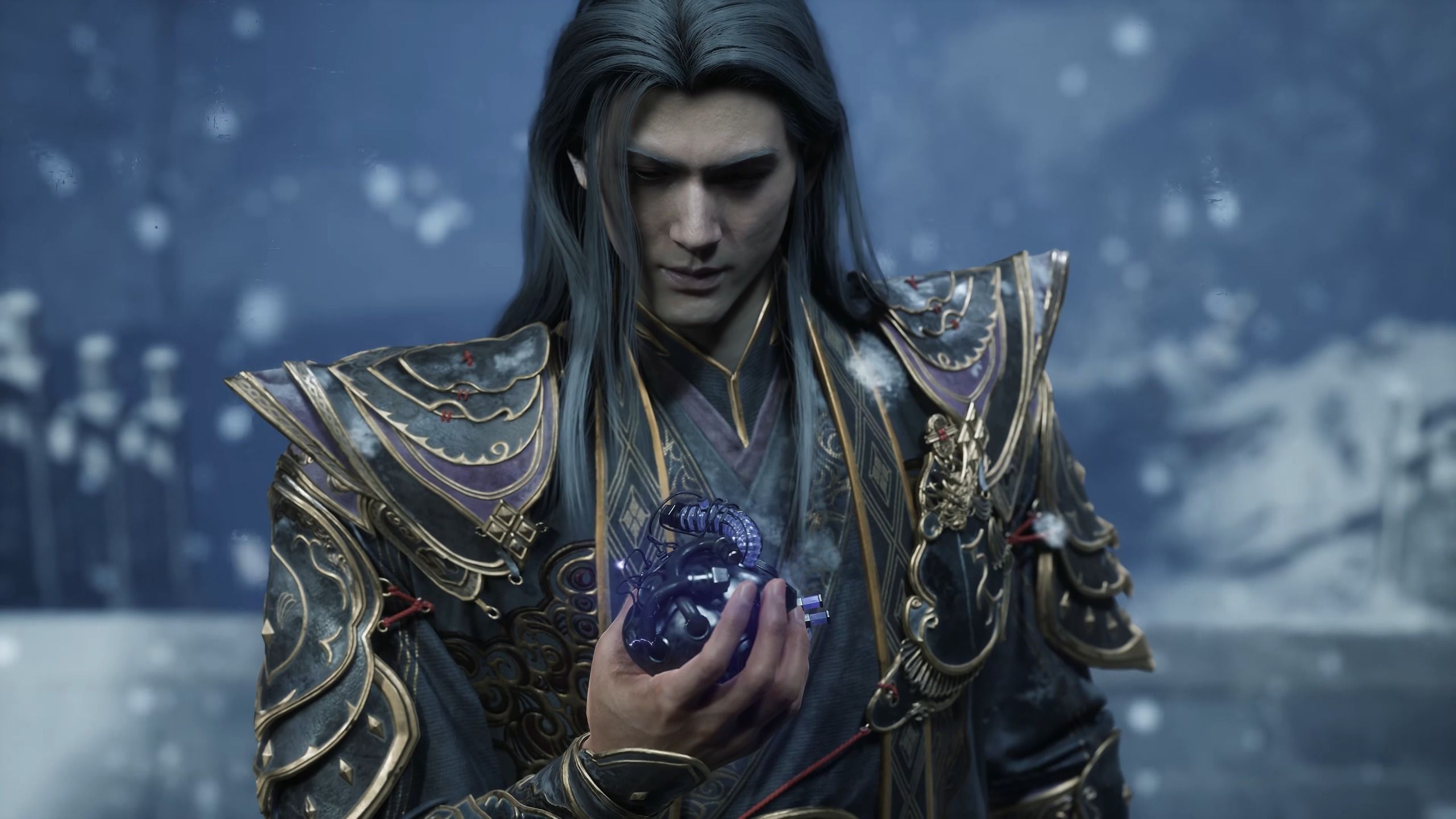
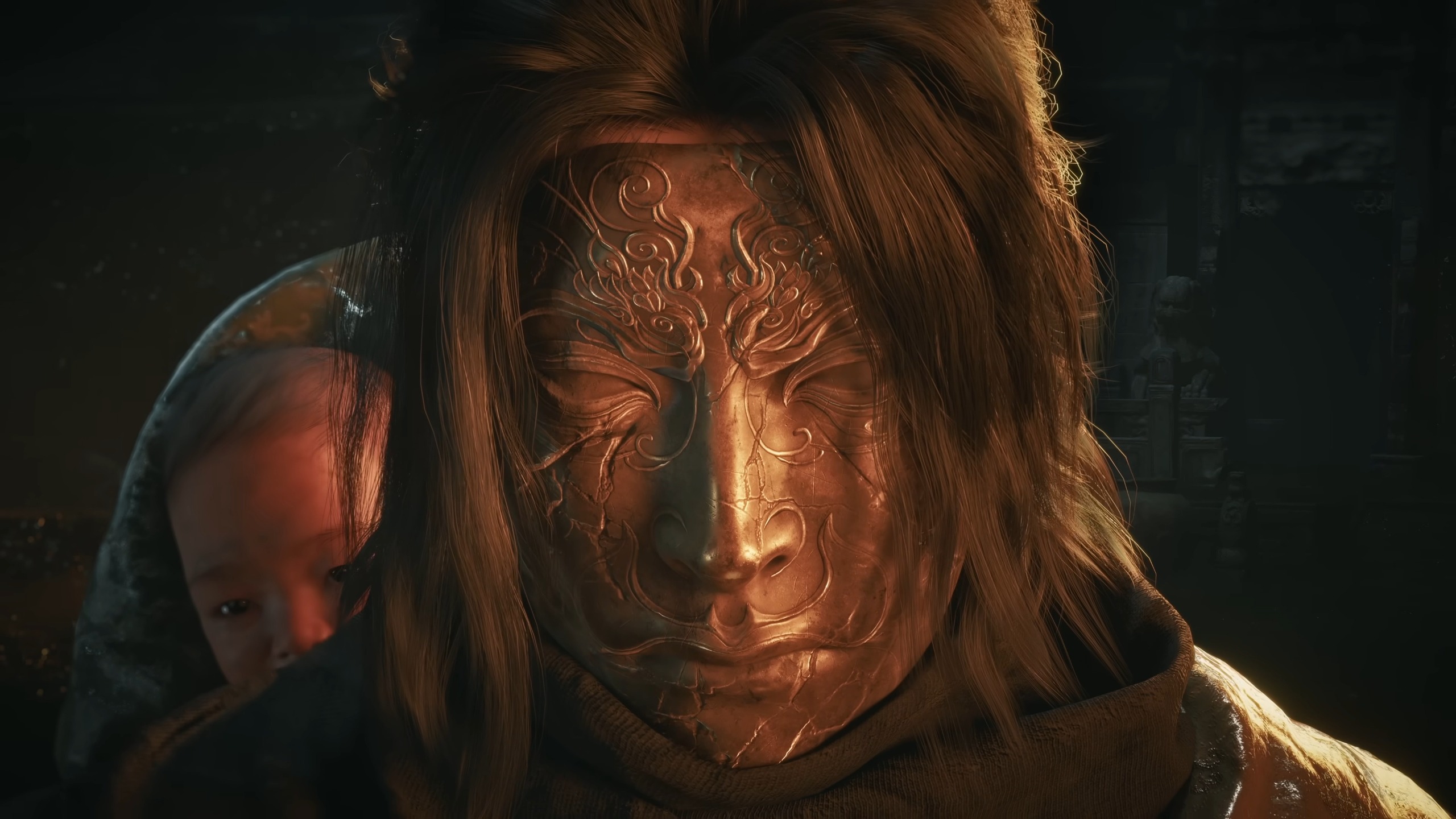
Central to the experience is the "kungfupunk" aesthetic—a stylistic fusion that marries traditional Chinese history and mythology with supernatural horror and modern, gritty sensibilities. Players step into the role of Soul, a protagonist burdened with a terminal fate: he has exactly 66 days to live. While this narrative ticking clock provides the emotional stakes, it is not a traditional time-limit mechanic. Instead, it serves as the narrative backdrop for a journey through a world filled with intricate level design, secret bosses, and hidden power-ups.
For those seeking the ultimate test of skill, the developers have included a hardcore difficulty mode: if the player dies 66 times, their progress is permanently wiped. This high-stakes design choice ensures that every encounter in the game’s hostile, beautiful world carries a weight that few modern titles can replicate.
Chronology and Development: From Indie Roots to AAA Polish
The journey of Phantom Blade Zero began with the studio’s early experiments in the Rainblood series. Over the years, S-Game has refined its vision, shifting from a niche indie studio to a powerhouse capable of delivering a high-fidelity experience.
The combat system, arguably the game’s greatest strength, is the product of extensive collaboration with industry professionals. Notably, Hong Kong action legend Donnie Yen served as a Creative Consultant on the project, even contributing his own motion-capture performances to ensure that the martial arts choreography feels authentic and impactful.
Throughout the development process, S-Game remained focused on maintaining a "PS2-era" approach to pacing—tight, deliberate, and free from the bloat that plagues many modern open-world titles. The resulting experience is a 30-to-35-hour campaign that feels dense with content rather than stretched thin.
Supporting Data: Why the Combat Works
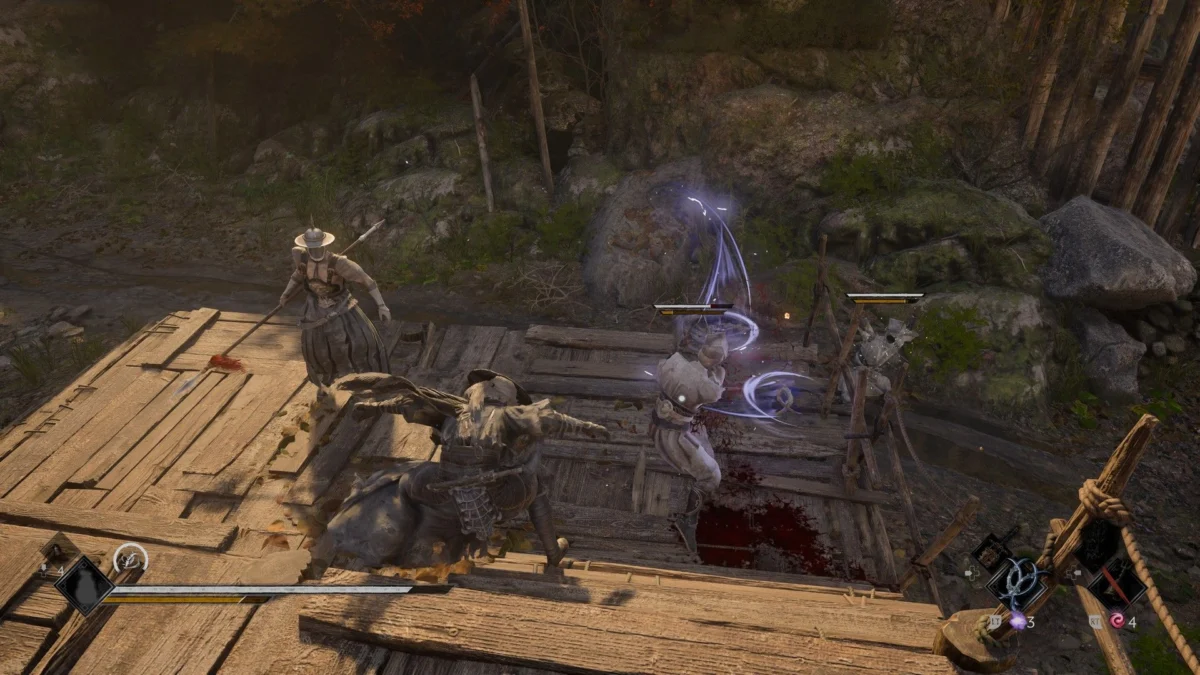
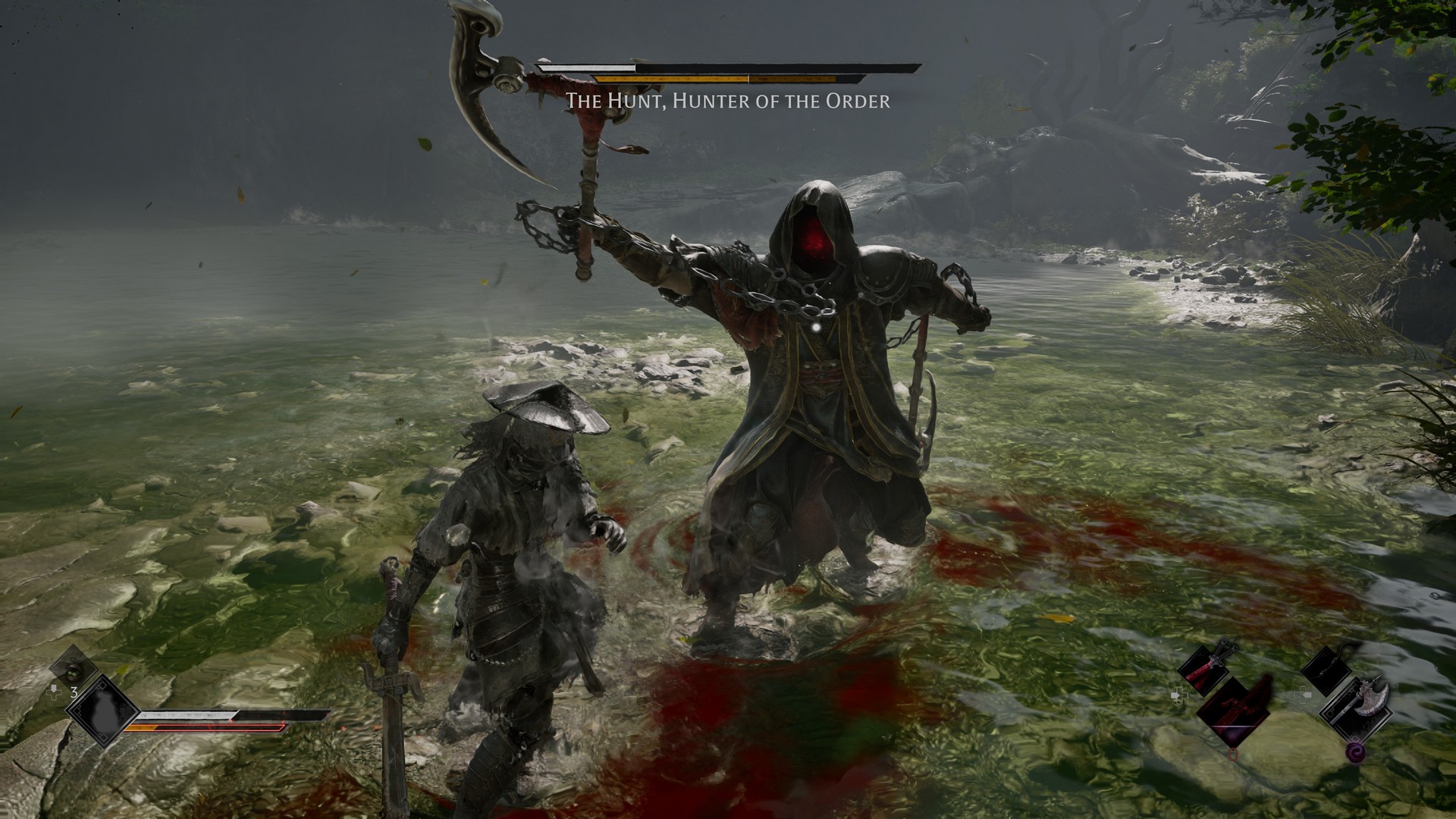
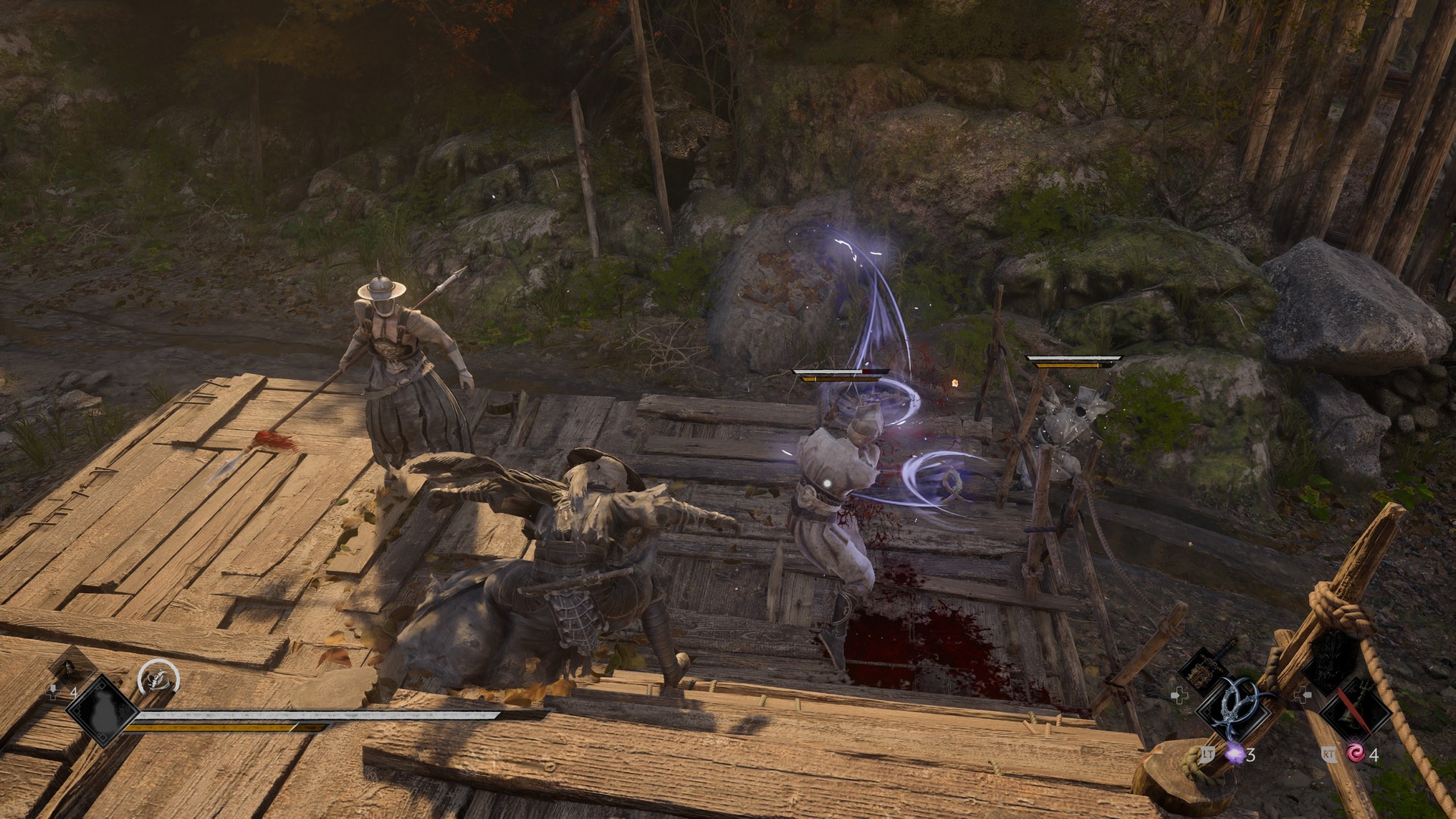
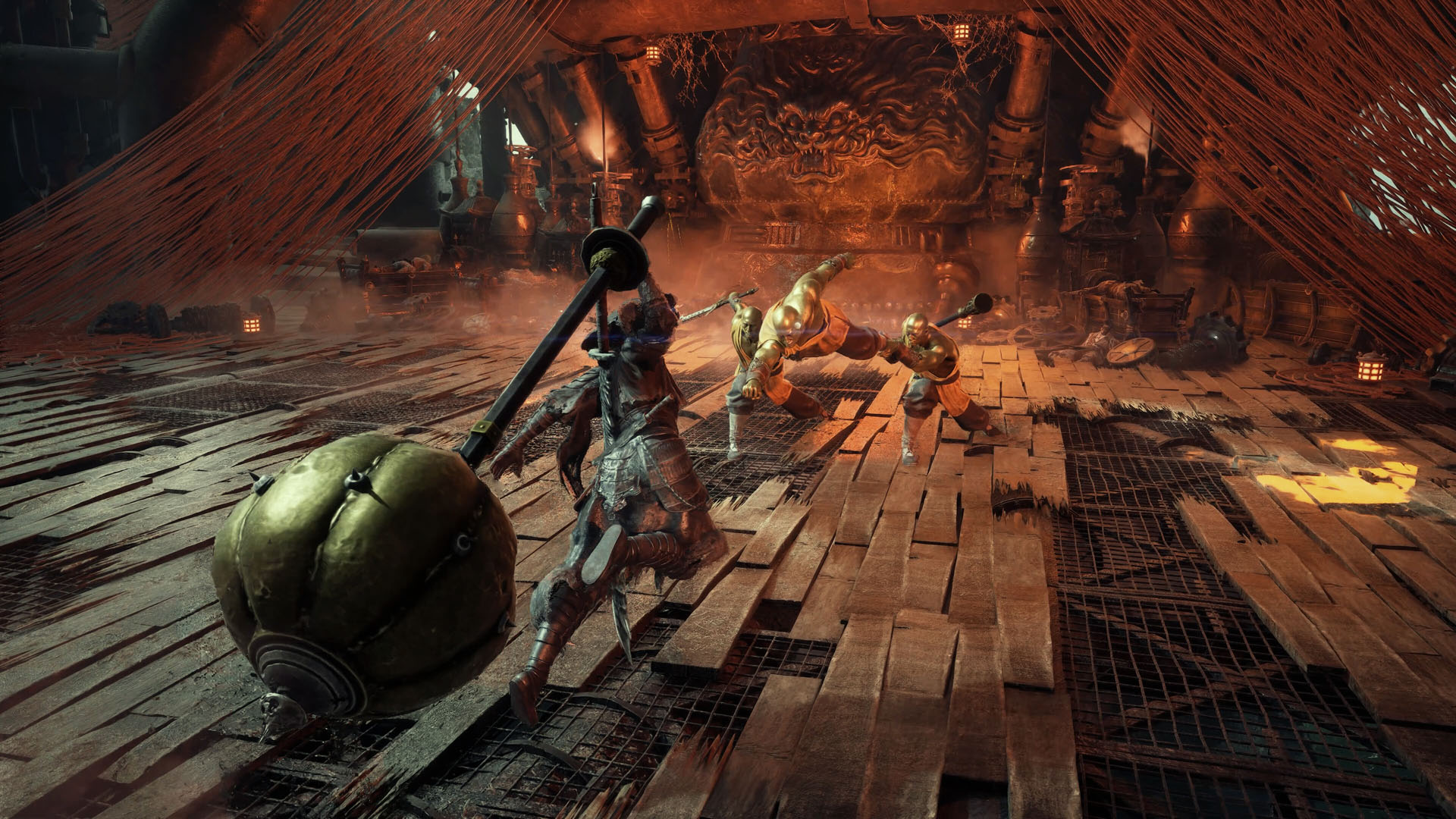
The combat in Phantom Blade Zero is not merely a feature; it is the game’s heartbeat. Players are encouraged to weave a "deadly dance" of parries, dodges, and lunges. The game rewards aggressive, skillful play, punishing button-mashers while empowering masters of the blade.
The Weaponry System
The game features 30 unique, discoverable weapons, each with distinct traits that evolve as they are leveled up. Players equip two weapons at a time, switching between them to manage "Sha-Chi" energy.
- Tactical Variety: Some weapons specialize in shield-breaking, while others induce status effects like "Tipsy" or "Drunk" to disrupt enemies.
- Phantom Edges: These are specialized, limited-use items that serve dual purposes—they can be used for offensive combat maneuvers or to traverse the environment, acting as the game’s primary "Metroidvania" traversal mechanic.
Exploration and World Design
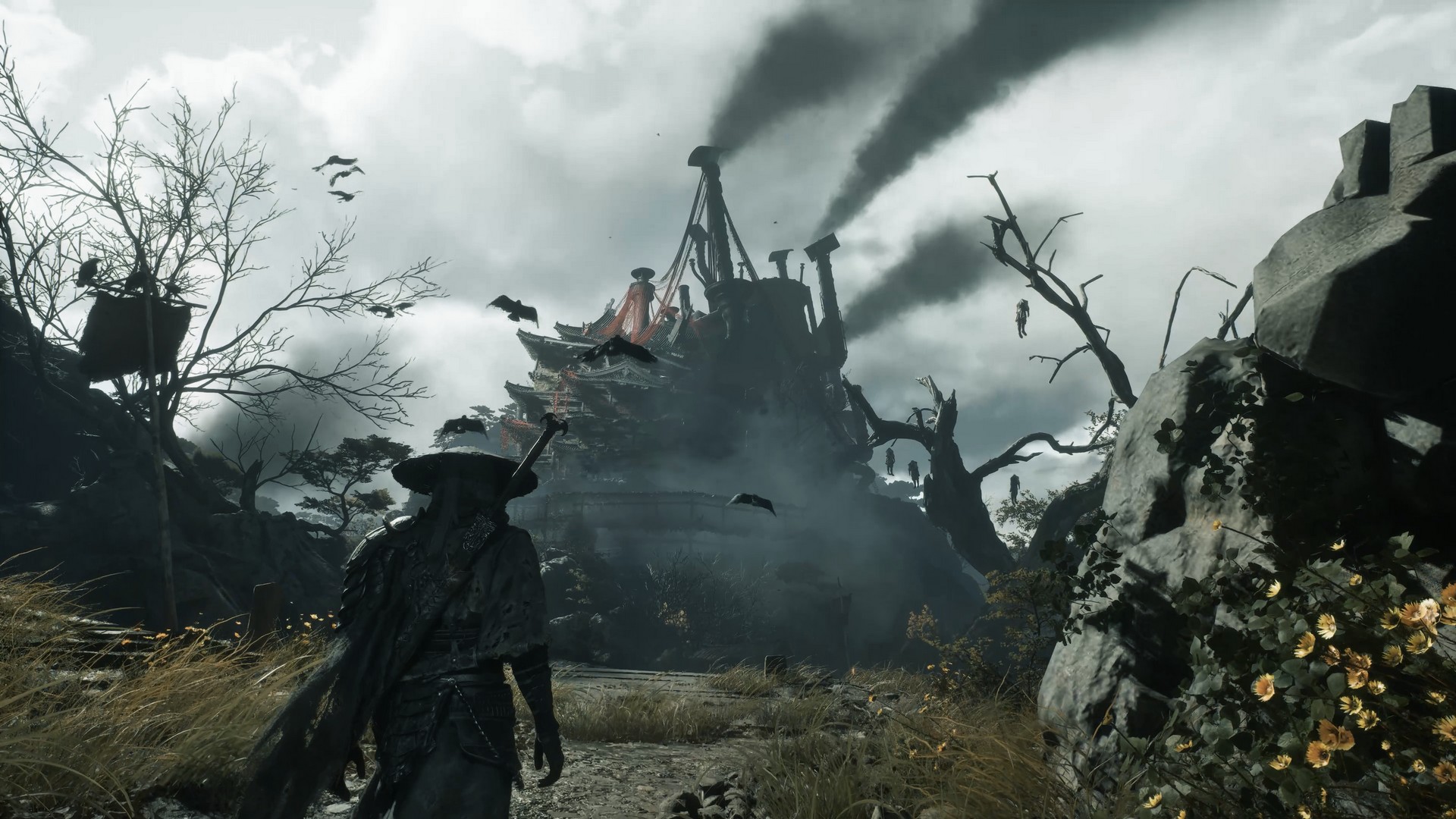
While the game features a sprawling, multi-region map, it eschews the "empty world" syndrome. Every corner of the map is hand-crafted. Exploration is heavily incentivized:
- Curiosity Rewards: Straying from the path often leads to secret bosses or powerful, otherwise missable weapon upgrades.
- Map Transparency: The game marks points of interest clearly, color-coding areas that become accessible only after obtaining specific Phantom Edges. This ensures that backtracking never feels like a chore, but rather a rewarding discovery.
Official Perspectives and Technical Realities
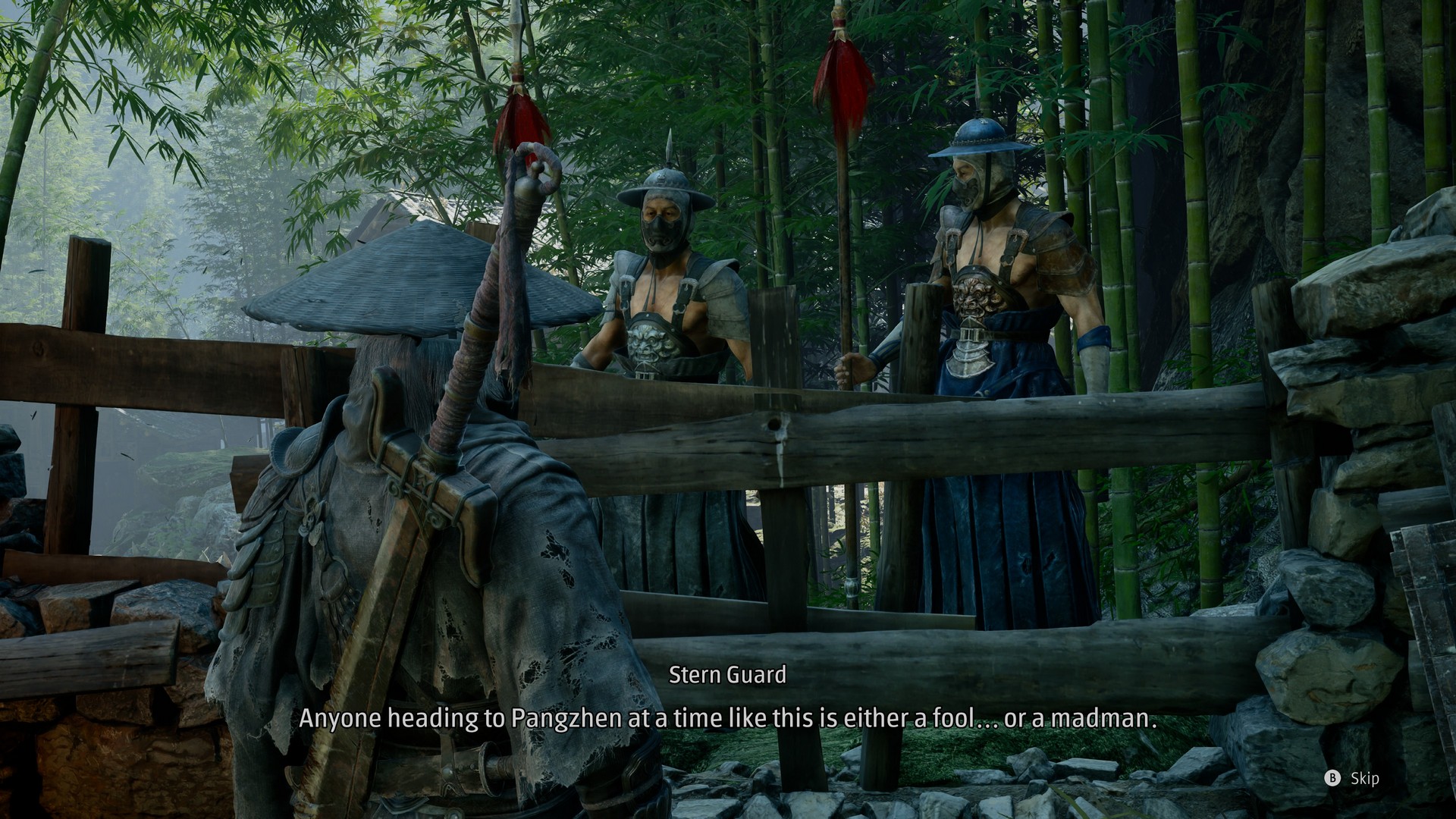
Despite its strengths, the game is not without its imperfections. As noted in early reviews, the narrative delivery is somewhat inconsistent. While the central story is engaging, the game relies heavily on scattered notes and "Memory Flowers"—a mechanic where the player must pause to listen to audio logs. While the lore is deep, the density of these notes can occasionally disrupt the flow of high-intensity combat.
Technically, the game is a visual powerhouse, though it is not immune to launch-window bugs. Some players have reported minor issues with environmental geometry, where characters may become stuck during boss encounters. S-Game has indicated that these issues are high-priority for post-launch patches.
The "Not a Soulslike" Philosophy
A critical point of distinction for S-Game is their rejection of the "Soulslike" label. Unlike games that rely on punishing stamina management and enemy respawns, Phantom Blade Zero is designed for accessibility in its flow. Save points are generous, healing items replenish upon death, and—most significantly—enemies do not respawn after being defeated. This design shift allows the game to maintain its breakneck pace without forcing the player to grind through the same encounters repeatedly.
Implications: A New Benchmark for Action RPGs
The release of Phantom Blade Zero signals a shift in the action-RPG landscape. It proves that developers can offer challenging, skill-based gameplay without tethering themselves to the conventions of the Dark Souls formula.
The success of this title suggests a growing appetite for "middle-ground" games—titles that possess the budget and visual fidelity of a AAA blockbuster but maintain the tight, focused design of a smaller, more intimate project. By prioritizing the "feel" of combat above all else, S-Game has created a blueprint for how to bridge the gap between cinematic storytelling and mechanical excellence.
Final Takeaways
- Combat: Unparalleled fluidity and visual flair.
- Exploration: Meaningful, rewarding, and tightly integrated into the world.
- Narrative: Ambitious and atmospheric, though occasionally weighed down by its own exposition.
- Accessibility: A refreshing break from the traditional "punishing" mechanics of the current RPG market.
As players prepare for the October 29 release, Phantom Blade Zero stands as a testament to what happens when a developer stays true to their aesthetic roots while pushing the boundaries of mechanical design. Whether you are a fan of wuxia cinema or simply a lover of high-octane action, this is an essential title for your collection.

