

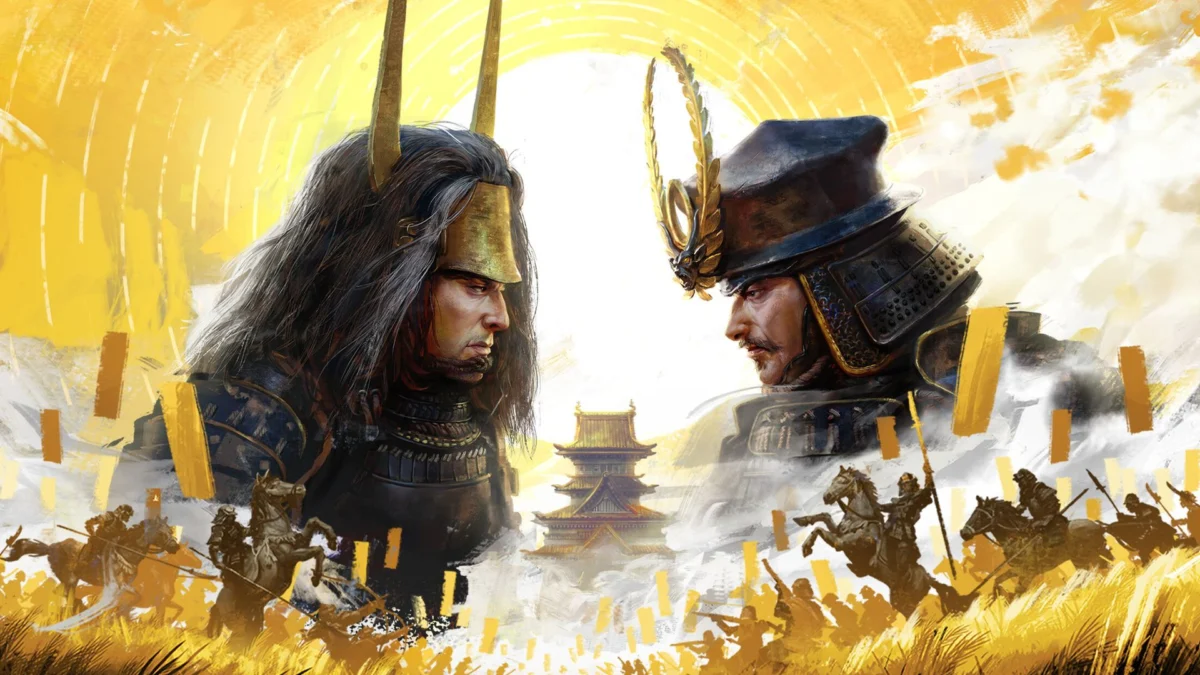
Main Facts
The strategy gaming community was dealt a severe blow when Total War: Shogun 2 – Complete Edition—widely anticipated as a definitive remaster of what many consider the crown jewel of Creative Assembly’s storied historical strategy catalog—launched in a disastrous state. Plagued by technical incompetence, widespread asset failures, and severe performance regressions, the title faced such vehement backlash that publisher SEGA took the extraordinary step of pulling the game from digital storefronts mere days after its release, restoring the original 2011 classic to circulation.
In the wake of the debacle, Roger Collum, Vice President of Total War at developer Creative Assembly, issued a candid public statement addressing the community via Reddit. Collum revealed that the remaster was outsourced to an external partner, admitting that Creative Assembly failed to maintain proper internal quality assurance oversight due to internal teams being laser-focused on upcoming flagship projects. Furthermore, the disaster has reignited industry-wide anxieties concerning the integrity of historical asset restoration, studio accountability, and the speculative use of generative artificial intelligence in modern game development.
Chronology of a Launch Catastrophe
The timeline of Total War: Shogun 2 – Complete Edition reads as a masterclass in modern corporate miscommunication and externalized development pitfalls.
The Hype and the Promise
When the remaster was first announced, it promised a treasure trove of enhancements designed to drag the beloved 2011 masterwork into the modern era. Promotional material touted 50 newly playable factions, fully modernized visuals optimized for contemporary hardware resolutions, a complete Japanese voiceover audio pass, and streamlined quality-of-life adjustments. For a fanbase that has looked back fondly on Shogun 2 as the pinnacle of tactical depth, atmospheric art direction, and focused design within the Total War franchise, the announcement was met with universal elation.
The Disastrous Release
The euphoria evaporated the moment the game unlocked on digital platforms. Players immediately encountered an avalanche of technical roadblocks. Far from presenting a polished, definitive version of the classic, the Complete Edition featured jarring user interface bugs, erratic artificial intelligence pathfinding, broken scripts, and visual degradations that frequently looked worse than the thirteen-year-old original release.
Compounding the community’s fury was the realization that certain graphical elements and assets bore the hallmarks of unpolished, machine-generated artifacts—sparking immediate online investigations into whether generative AI tools had been utilized to cut corners during asset production.
The Pull and the Public Outcry
As negative user reviews cascaded onto Steam and social media platforms, transforming the game’s review score into an overwhelming "Overwhelmingly Negative" status, SEGA acted swiftly. Recognizing the reputational damage to one of its flagship intellectual properties, the publisher yanked Total War: Shogun 2 – Complete Edition from sale completely and reinstated access to the original 2011 release for affected buyers.
The immediate fallout forced Creative Assembly’s leadership to break their silence, leading directly to Roger Collum’s community address to quell the mounting PR crisis.
Supporting Data, Outsourcing, and the AI Controversy
The technical anatomy of the Shogun 2 remaster failure points directly toward structural issues within modern AAA publishing pipelines, specifically the reliance on external development partners.
Unmasking the External Partner
While Collum’s initial statement initially avoided naming specific entities, public database records on the Steam store page unmasked Warsaw-based development house Mataboo as the primary external co-developer on the project. Mataboo’s official corporate portfolio boasts "complete end-to-end game development support," including porting, optimization, compliance QA, design, and tool development for both PC and console platforms. The studio’s extensive resume features support and porting credits on high-profile titles such as Silent Hill 2, Suicide Squad: Kill the Justice League, The Lord of the Rings: Gollum, The Medium, and The Blood of Dawnwalker.
However, the disparity between Mataboo’s expansive service claims and the rudimentary, broken state of the Shogun 2 remaster has placed intense scrutiny on the vetting processes utilized by major publishers when farming out legacy catalog maintenance.
The Generative AI Debate
A core pillar of player outrage focused on the suspected deployment of generative AI tools. Fans pointed to distorted textures, nonsensical character models, and text inconsistencies as proof that the external team had bypassed human artists to accelerate production schedules.
Addressing these accusations directly, Collum maintained that Creative Assembly operates as a "craft studio." While he acknowledged that internal teams occasionally leverage AI tools for baseline auxiliary tasks—such as technical analysis, code debugging, and rapid prototyping—he firmly stated that generative AI is strictly prohibited from creating finalized in-game assets.
"We demand the same of any external developers we work with," Collum wrote, adding that an internal investigation into the exact production pipeline used for Shogun 2: Complete Edition is currently underway.
Official Responses and Stakeholder Reactions
The reactions to the crisis expose a deep rift between corporate accountability, developer transparency, and the consumer base’s expectations of quality control.
Creative Assembly’s Stance
In his comprehensive statement, Roger Collum did not attempt to mask the severity of the situation, characterizing both the staff and the management as "angry and disappointed." Crucially, however, he drew a distinct boundary regarding authorship: "This was not a Creative Assembly developed game. It wasn’t subject to our same internal reviews and quality assurance. We took our eyes off its external development, with all our teams focused on our next big projects."
At the same time, Collum took ultimate ownership of the brand’s integrity: "Whatever the development arrangements, Total War is our franchise and our name is on it… The studio is full of craft people who care deeply about the experiences we give to our players. Shogun 2–CE did not meet that bar. We have to own that and we have to fix it."
Collum further shielded rank-and-file developers from direct harassment, pleading with the community to keep discourse constructive and appealing for anger to be directed squarely at executive leadership. In a poignant closing promise, he stated: "When the team does well, it’s all about them. When we get it wrong, it’s on me. You absolutely have the right to be mad, and to criticise us, but direct it at me."
Fanbacklash and Community Skepticism
The community reception to Collum’s transparency was mixed at best. Many veteran strategy fans rejected the notion that shifting blame to an external studio absolved Creative Assembly of guilt. Critics argued that outsourcing a treasured foundational IP without rigorous, hands-on oversight demonstrates a profound systemic failure in quality assurance.
Furthermore, community sleuths highlighted a pre-launch livestream hosted by Creative Assembly where staff members enthusiastically promoted the remaster—raising uncomfortable questions about whether internal management had even bothered to inspect the product before greenlighting its commercial release.
Broader Implications for the Games Industry
The Total War: Shogun 2 – Complete Edition disaster serves as a cautionary tale with far-reaching implications for the video game industry at large, highlighting systemic vulnerabilities in how classic franchises are managed and monetized.
1. The Risks of Blind Outsourcing
As development costs balloon and AAA studios stretch themselves thin across multiple live-service and mainline projects, outsourcing back-catalog remasters to external support studios has become standard industry practice. However, the Shogun 2 debacle proves that treating heritage titles as secondary projects handed off without rigorous oversight can obliterate decades of accumulated consumer goodwill overnight.
2. The Erosion of Trust in Remaster Culture
With players increasingly fatigued by low-effort ports, subpar remasters, and rushed cash-grabs disguised as definitive editions, publishers can no longer rely on nostalgia alone to drive sales. Consumers demand visible, respectful craftsmanship. When a remaster is perceived as regressive rather than progressive, the backlash can be swift and economically devastating, forcing costly pull-backs and emergency patches.
3. The Future of Shogun 2 and Creative Assembly
In response to the crisis, Creative Assembly has deployed a dedicated "small team of senior developers" to collaborate with SEGA and the external partners to thoroughly audit the project’s codebase, assess what went wrong, and chart a corrective path forward.
Whether Total War: Shogun 2 – Complete Edition can eventually be salvaged and re-released in a state worthy of its namesake remains an open question. What is certain, however, is that both Creative Assembly and SEGA have learned a painful lesson in quality control, leaving strategy fans watching closely to see if management’s promises of accountability translate into tangible recovery.

