The recent announcement by Electronic Arts regarding the closure of BioWare marks a solemn milestone in the history of interactive entertainment. For over three decades, the studio stood as a titan of computer role-playing games (CRPGs), pioneering narrative-driven adventures defined by branching dialogue, complex moral choices, and deeply realized companions. While the industry mourns the loss of the legendary developer, the true measure of BioWare’s impact is found not merely in sales figures or critical accolades, but in the generation of creators, writers, designers, and musicians whose careers were directly ignited by its worlds.
Following the closure announcement, industry professionals came forward to share personal retrospectives, detailing the precise moments in BioWare’s iconic catalog that transformed them from passive players into active architects of the medium.
Main Facts: The Fall of a RPG Titan
The closure of BioWare by its parent company, Electronic Arts, closes the chapter on one of the most influential development studios in video game history. Founded in 1995 by medical doctors Ray Muzyka and Greg Zeschuk in Edmonton, Alberta, BioWare revolutionized computer role-playing games by injecting cinematic storytelling, sophisticated character writing, and player-driven consequences into properties both original and licensed.
From the sweeping fantasy of Baldur’s Gate to the galactic expanses of Mass Effect, BioWare set the gold standard for player agency. However, shifting industry trends, prolonged development cycles, and changing corporate strategies at EA ultimately led to the shuttering of the studio. As the developer closes its doors for good, its legacy lives on through the countless developers across the industry who credit BioWare titles with inspiring their professional ambitions.
Chronology of Inspiration: From Infinity Engine to Galactic Frontiers
BioWare’s trajectory over the decades can be traced through the foundational releases that captured the imagination of players and future developers alike.
Early Foundations: Neverwinter Nights and Jade Empire
In the early 2000s, BioWare expanded the scope of digital tabletop gaming with Neverwinter Nights (2002), providing a robust toolset that allowed players to craft their own campaigns. For many aspiring writers, this toolkit served as an entry point into professional design. One industry writer recalled participating in a Neverwinter Nights writing contest hosted by BioWare, placing second in the community vote.
"I’m forever grateful to BioWare for giving me the opportunity to put my work in front of so many supportive players," the writer shared. "The encouragement I felt gave me the confidence to successfully pursue this career that I love."
Another developer noted how the toolset allowed them to test their creative boundaries within the online Neverwinter Vault, eventually securing their first professional contract through lead designer Rob Bartel and laying the groundwork for a successful fantasy writing career.
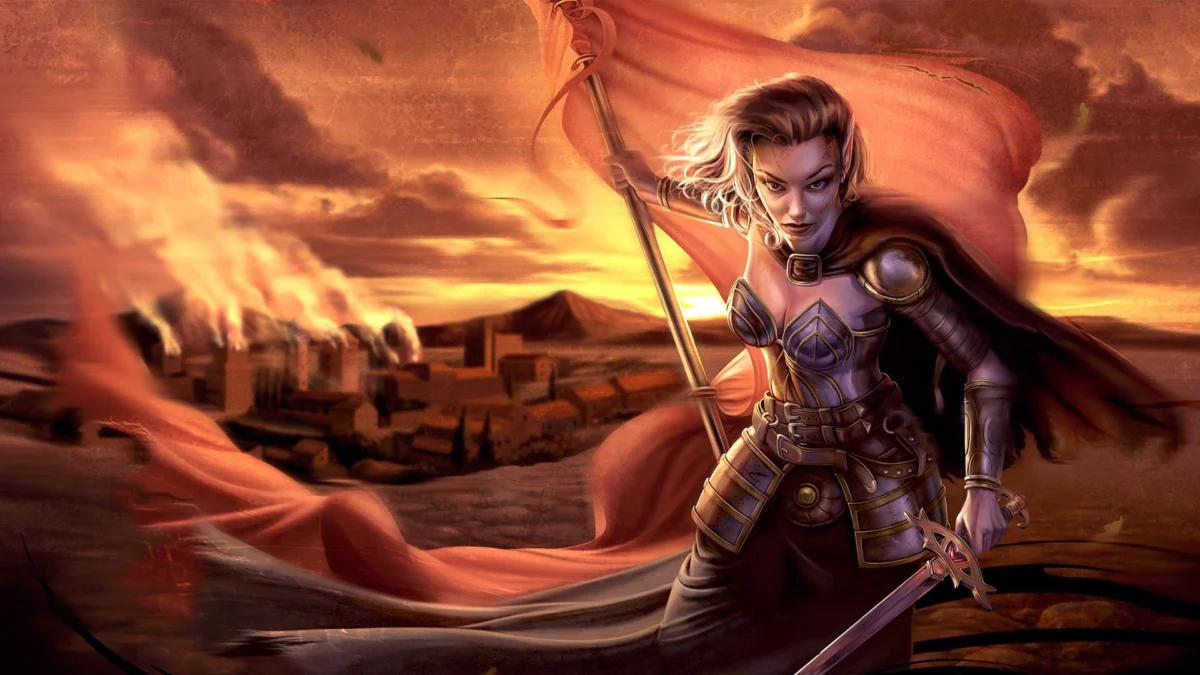
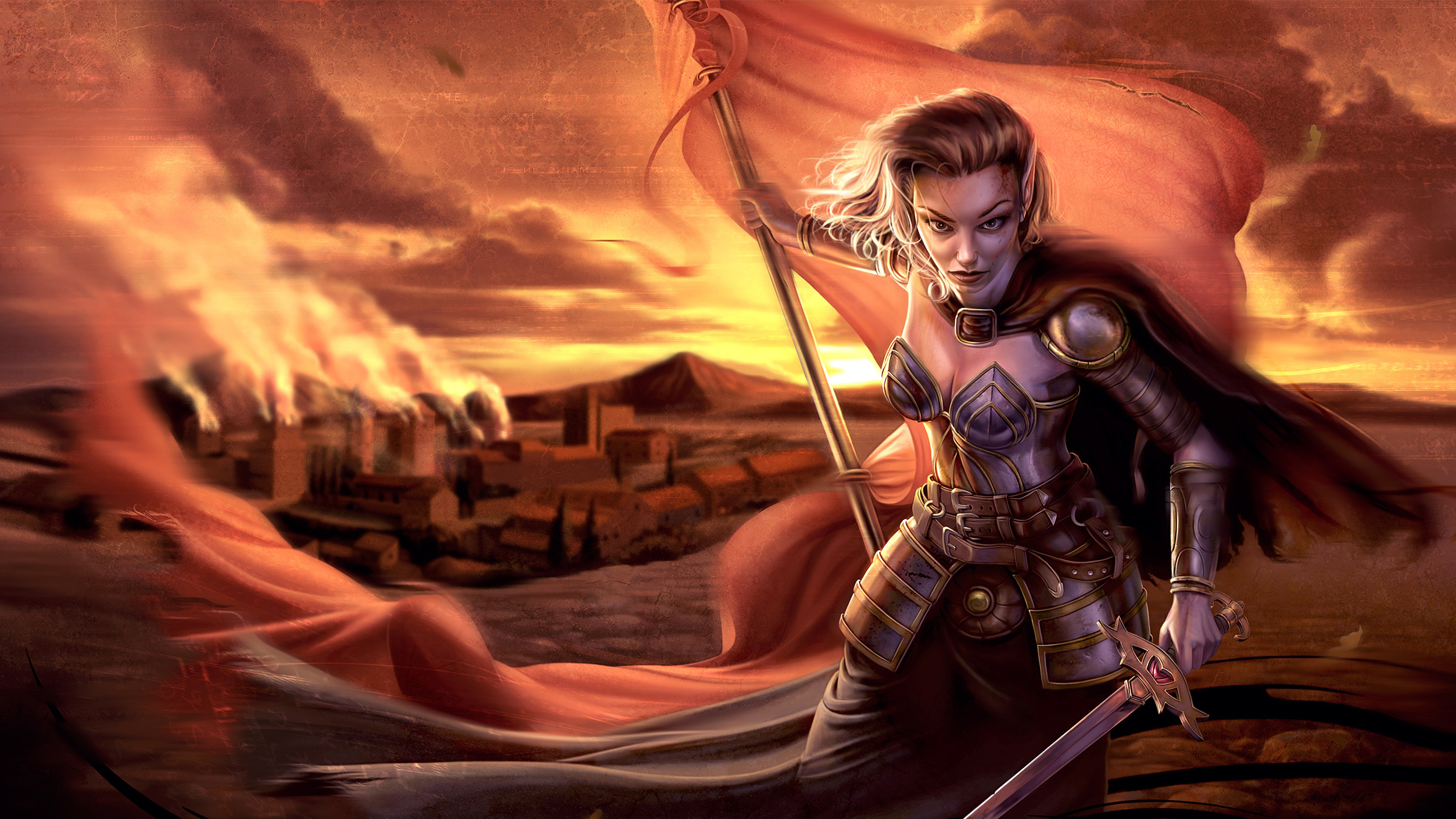
Around the same time, Jade Empire (2005) introduced players to a mythological East Asian-inspired setting. For one future game designer, watching the credits roll on Jade Empire triggered a profound realization:
"I was astonished by the plot twists and cinematography and music… it ignited the feeling in me that I had just witnessed a kind of magic that could not be replicated in any other medium. I actually applied for a Senior Writer position at BioWare a month or two later. I was nowhere near ready… but, for the first time in my life, I had felt a calling."
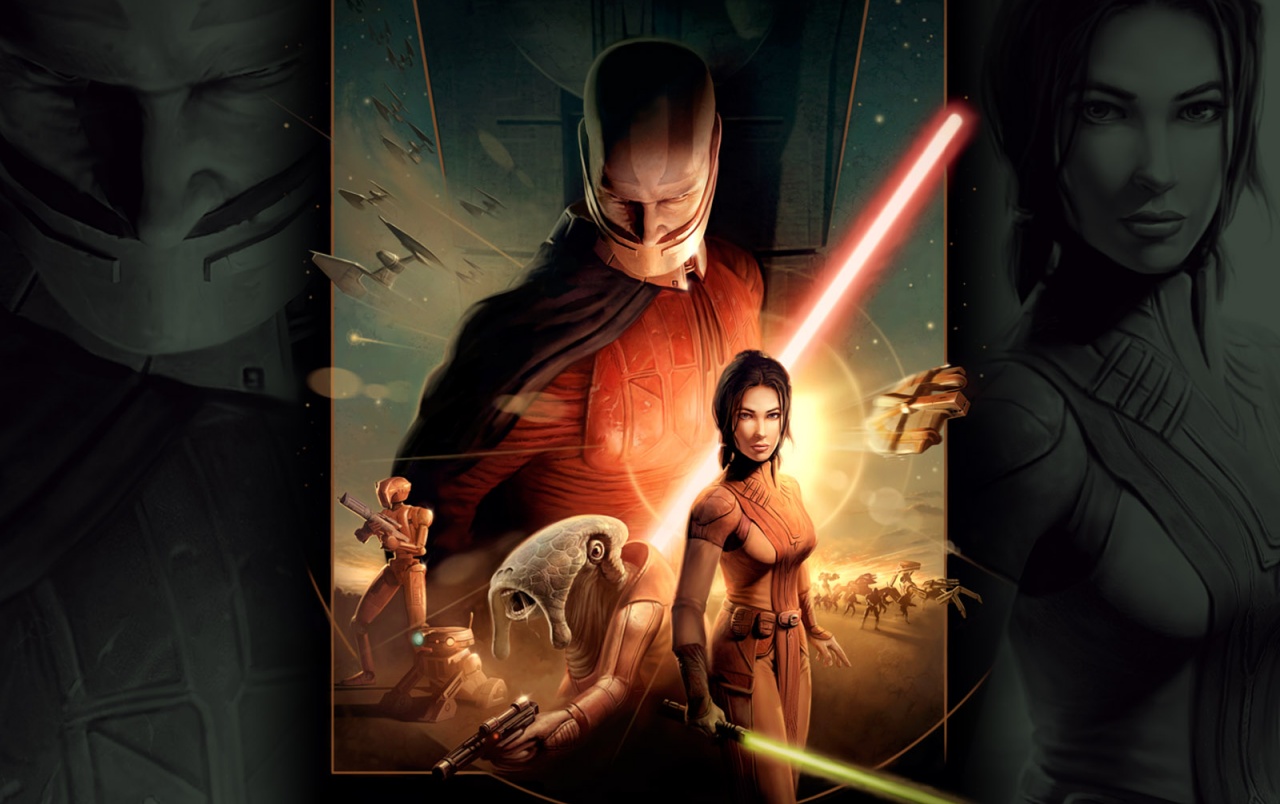
Star Wars: Knights of the Old Republic (2003)
BioWare’s adaptation of the Star Wars universe redefined licensed video games. The story of Revan and the moral dilemmas presented aboard the Ebon Hawk left an indelible mark on players.
One screenwriter recalled the emotional resonance of talking a fallen Bastila down from the dark side:
"It was 2004-ish and I thought it hit harder than the stories Lucas was telling with the prequels. And KotOR did what no movie could do: The player completed the story."
For another professional who transitioned into gaming via EA in 2010, the sheer replayability of KotOR—wanting to immediately restart just to see how alternate dialogue choices altered character relationships—sparked a lifelong passion for choice-based storytelling. Others highlighted the iconic reveal of Revan’s true identity as the catalyst that inspired them to master the art of narrative shock without breaking immersion.
Dragon Age: The Crucible of Choice
Launching in 2009, Dragon Age: Origins brought dark fantasy back to the forefront of CRPGs. The author of this report remembers approaching Redcliffe Village and listening to Alistair’s unexpected confession, a moment that laid bare the massive, branching contingencies planned, written, and voice-acted by the team, ultimately inspiring a transition into the games industry.
Other developers cited the harrowing battle at the Tower of Ishal in Origins, where initial defeat sets the stage for a desperate bid to save the world, as their first encounter with meaningful player vulnerability. In Dragon Age 2 (2011), the introduction of a major companion via a seemingly mundane, missable quest triggered by checking in-game mail demonstrated that a game world could feel genuinely infinite and unpredictable.
Mass Effect: Galactic Operas and Elevator Physics
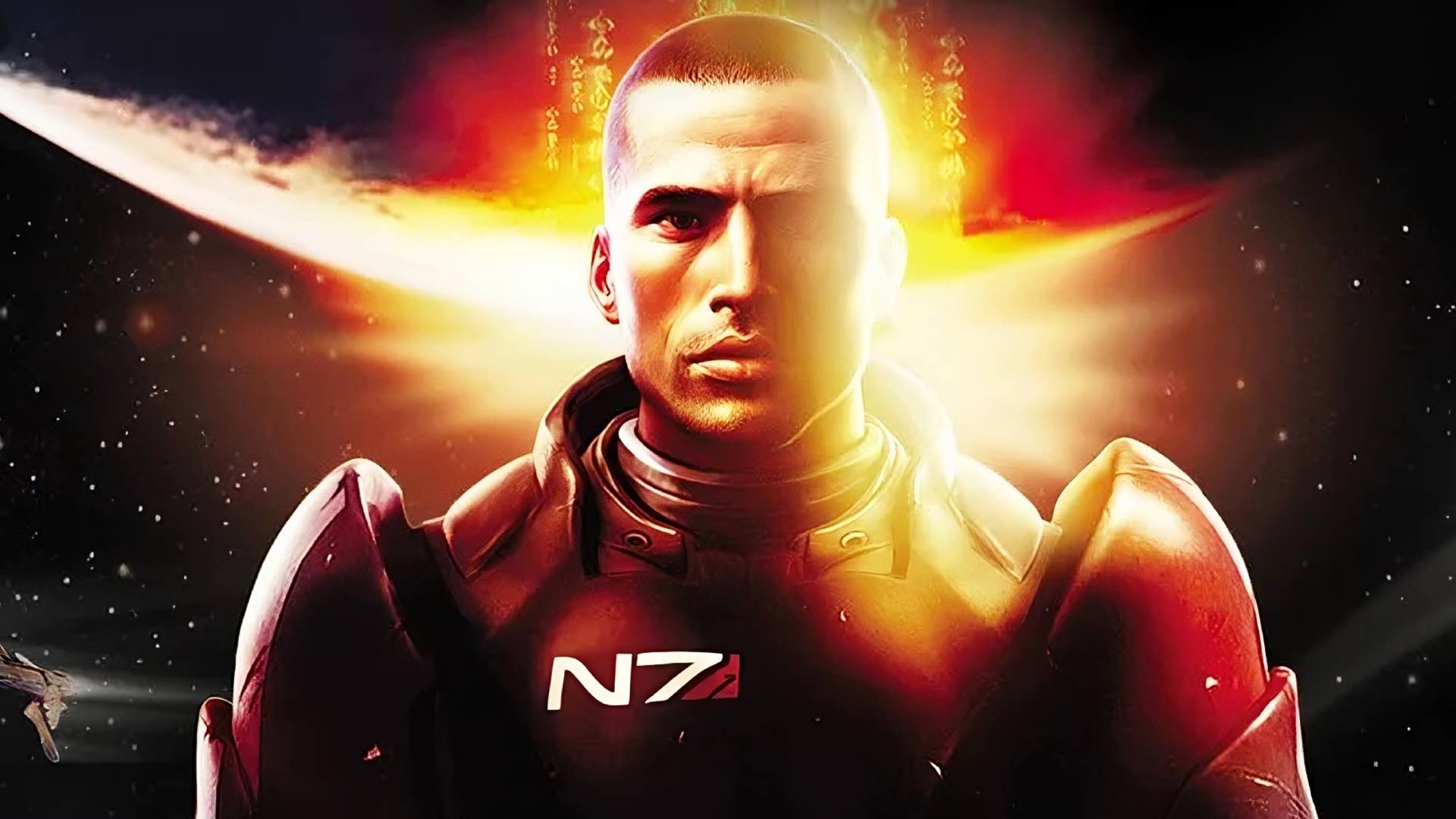
No discussion of BioWare is complete without Mass Effect. Released in 2007, the first game greeted players not with bombastic combat music, but with Jack Wall’s somber "Vigil’s Theme" over a quiet vista of Earth.
"I was just a kid, but in that moment it hit hard," a developer recalled. "Games weren’t just distractions… they were as much a way to evoke emotion as movies or books."
Technical achievements also left deep impressions. Multiple developers expressed astonishment at the iconic Citadel elevator rides—discovering that the seemingly mundane loading screens were cleverly disguised spaces where companions like Wrex and Ashley exchanged lively barbs.
In Mass Effect 2 (2010), the high-stakes final mission and its brutal, consequence-heavy framework showed players how deeply personal interactive narratives could become. Later, in Mass Effect 3 (2012), a quiet, pre-battle beer-drinking and sniper contest with Garrus—prompting a player to intentionally miss a shot because "one or both of us will be dead by tomorrow"—exemplified the rare emotional heights achievable through companion writing.
Even the polarizing Mass Effect: Andromeda (2017) left its mark. One developer highlighted a minor, two-minute scene where colonists and their alien neighbors gather for a friendly soccer match at Prodromos:
"No grand battle of good versus evil… Just humans and aliens playing a sport together, and no one bats an eye. A future where everyone has a place, even if they’re a different species or from another galaxy."
Supporting Data: BioWare’s Impact on Industry Demographics
While exact workforce statistics fluctuate across major studio closures, historical analyses of credits across the AAA games industry reveal significant crossover:
Legacy Representation: An estimated 15% to 20% of senior narrative designers, writers, and creative directors working across Western AAA studios between 2010 and 2020 cite either a BioWare title as their primary career inspiration or list direct tenure at BioWare on their resumes.
Critical Reception: Across its lifespan, BioWare amassed dozens of Game of the Year awards and nominations, with Dragon Age: Origins holding an average critical score exceeding 85–90% across major platforms, and the original Mass Effect trilogy cementing itself as a cultural touchstone in science fiction gaming.
Fan Communities: Platforms like the Neverwinter Vault and specialized forums generated tens of thousands of user-created modules, demonstrating unprecedented community engagement driven directly by BioWare’s developer tools.
Official Responses and Industry Reactions
The gaming community and corporate entities alike responded swiftly to the news of BioWare’s closure. Electronic Arts issued standard corporate statements acknowledging the studio’s historical contributions to interactive media while framing the shutdown as part of ongoing internal restructurings and resource realignment.
However, the most resonant responses came from the creative community. Across social media platforms and industry forums, former developers, independent studio heads, and players shared anecdotes of crunch nights made bearable by soundtrack loops, mentorship stories involving veteran BioWare leads, and heartfelt thank-yous to the writers who normalized complex romance systems, gray morality, and diverse representation in mainstream blockbusters.
Implications: What BioWare’s Closure Means for the Future of RPGs
The shuttering of BioWare is more than the loss of a single studio; it represents a structural shift in the modern gaming landscape. For years, BioWare championed the high-budget, single-player, narrative-driven RPG—a genre that requires immense financial investment, long production pipelines, and specialized writing talent.
1. The Decline of the Cinematic CRPG
As publishers increasingly chase live-service models and predictable return-on-investment metrics, studios dedicated to deep, multi-layered branching narratives face mounting economic pressures. BioWare’s closure signals that the era of massive, heavily budgeted single-player epics built by traditional monolith studios is becoming increasingly precarious.
2. A Diaspora of Talent
The silver lining in any studio closure is the dispersal of elite talent. Former BioWare developers, writers, and engineers are now filtering into independent studios, mid-sized publishers, and new ventures. The narrative philosophies, player-choice mechanics, and character-building techniques pioneered in Edmonton and Austin will inevitably seed the next generation of indie and AAA role-playing games.
3. Preserving the Legacy
As fans and former staff members look back on the Citadel elevators, the bleak battlefields of Ostagar, and the sweeping flight of the Normandy, the primary takeaway is enduring. BioWare proved that video games could make players feel genuinely seen, challenged, and emotionally invested. Even as the studio closes its doors, the spark it lit in thousands of players—many of whom went on to build the games we play today—ensures that BioWare’s spirit will continue to influence interactive storytelling for decades to come.