

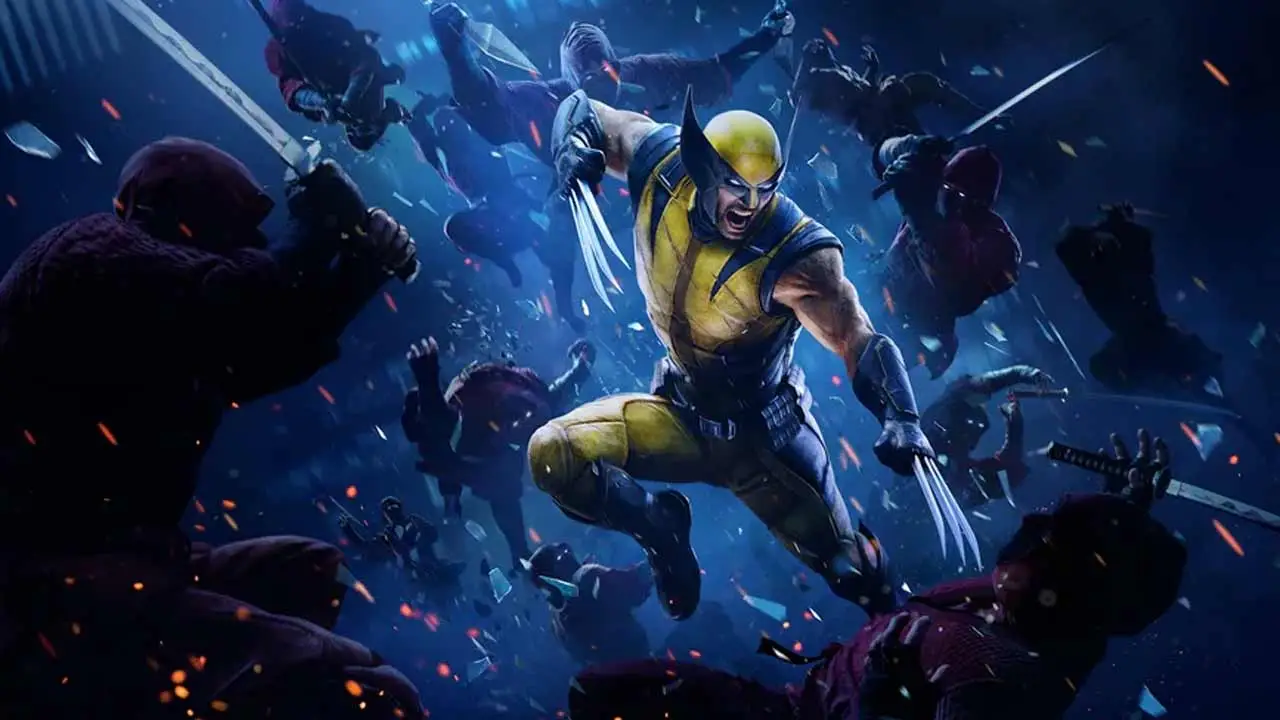
The video game industry experienced a period of stark contrasts in September 2026, as revealed by the latest data from Circana. While hardware spending saw a significant resurgence led by the PlayStation 5, the broader market faced a slight contraction in total consumer spending. The month was defined by the massive commercial success of Marvel’s Wolverine, which propelled Sony’s ecosystem to new heights, even as competitors faced mounting challenges in a shifting retail landscape.
Main Facts: A Tale of Two Markets
According to the latest industry report from Circana, the total consumer spend across video game content, hardware, and accessories for the period of August 30 to October 3, 2026, reached $4.8 billion. This represents a marginal 1% decline compared to the same period in the previous year.
The standout story of the month was undoubtedly the launch of Marvel’s Wolverine. The title not only claimed the top spot on the U.S. sales charts but also achieved the highest monthly dollar sales for a Sony-published title since the cultural phenomenon of Helldivers 2. Its performance helped anchor a console segment that saw total hardware spending rise by 12% to $362 million.
The primary driver behind this hardware growth was the PlayStation 5. The console saw a 43% year-over-year increase in consumer spending and a 22% surge in unit sales. This momentum allowed Sony to secure its highest monthly hardware dollar share since May 2025, solidifying the PS5’s position as the dominant platform in the current generation.
Chronology: September’s Market Trajectory
The month began with high anticipation for several key releases, particularly Marvel’s Wolverine and the latest annual entries in the NBA 2K and EA Sports FC franchises.
Early in the month, the retail landscape saw heavy competition between incumbent sports titles and the influx of new IP. By mid-September, it became clear that Marvel’s Wolverine was outperforming expectations, capturing the attention of the core gaming demographic and driving hardware bundles.
By the end of the tracking period, the industry had witnessed a diverse mix of performance. While console and PC spending grew by 8% and 27% respectively, the mobile gaming sector—often the largest piece of the pie—contracted by 14%, pulling down the total content spending to $4.2 billion, a 2% drop compared to last year.
Supporting Data: The Competitive Hardware Landscape
While the PlayStation 5 enjoyed a stellar month, the broader hardware market painted a more complex picture. The 12% rise in total hardware spending was effectively an offset for the underperformance of other major platforms.
- Nintendo Switch 2: The successor console saw a 14% decrease in unit sales and a 12% decline in dollar sales. As the platform enters its later lifecycle phase, market saturation and anticipation for next-generation announcements appear to be impacting its immediate retail velocity.
- Xbox Series X|S: Microsoft’s current-generation offering faced a difficult month. Unit sales plummeted by 27%, and dollar sales dipped by 2%. More critically, the report notes that the total "Xbox Ecosystem" console sales reached a record September low, signaling a need for a shift in strategy as the hardware continues to struggle against the momentum of the PS5.
Top 10 Best-Selling Games (Sept 2026)
The software charts were dominated by new releases, with eight of the top ten games making their debut during the September window:
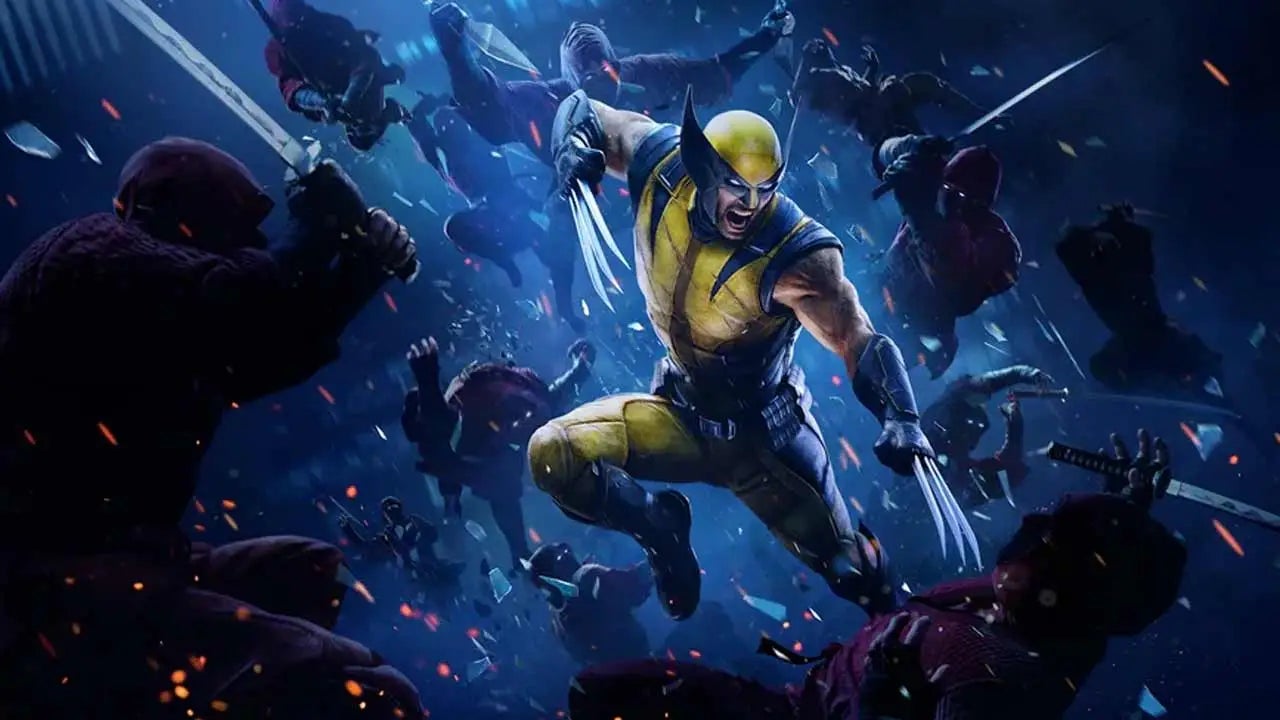
- Marvel’s Wolverine (NEW)
- NBA 2K27 (Last month: 1)
- EA Sports FC 27 (NEW)
- Fire Emblem: Fortune’s Weave (NEW)
- The Blood of Dawnwalker (NEW)
- Wardogs (NEW)
- Onimusha: Way of the Sword (NEW)
- Halloween: The Game (NEW)
- Ace Combat 8: Wings of Theve (NEW)
- Madden NFL 27 (NEW)
Note: Rankings include digital point-of-sale actuals and digital sales projections where applicable.
Implications: Strategic Shifts in the Industry
The data from September suggests several critical shifts in consumer behavior and corporate strategy.
1. The Power of "Tentpole" Exclusives
The success of Marvel’s Wolverine serves as a stark reminder of the "blockbuster effect." In an increasingly crowded market, high-quality, recognizable intellectual property remains the most effective tool for driving hardware adoption. Sony’s ability to leverage its internal studios to create a "must-play" experience has created a virtuous cycle, where software sales drive hardware momentum, which in turn increases the platform’s active user base for future services.
2. Mobile Market Fatigue
The 14% decline in mobile spending is a significant indicator that the mobile gaming market may be facing a correction. After years of explosive growth, consumers appear to be tightening their wallets regarding in-app purchases and mobile subscriptions. This may force publishers to pivot back toward premium, "console-quality" mobile experiences or re-evaluate their monetization strategies in the face of rising acquisition costs.
3. The "Xbox Dilemma"
The record low for Xbox console sales in September is a sobering data point for Microsoft. While the company has been vocal about its strategy focusing on Game Pass and cloud gaming, the hardware numbers suggest that the traditional console-purchasing audience is increasingly consolidating around the PlayStation 5. For Microsoft, the challenge will be to determine if hardware sales remain a priority or if they are willing to accept a reduced hardware footprint in favor of platform-agnostic software delivery.
4. Resilience of PC Gaming
The 27% rise in PC spending is perhaps the most overlooked success story of the month. As consoles become more expensive and ecosystems more locked-down, the PC remains a bastion of flexibility. The strong performance in this sector suggests that developers are finding success by targeting the enthusiast market, which continues to show high willingness to spend on new content.
Looking Ahead: The Final Quarter
As the industry moves into the final quarter of 2026, the focus will shift toward the holiday season. The success of Marvel’s Wolverine provides Sony with significant leverage going into the critical Q4 shopping period. Meanwhile, competitors will likely need to rely on aggressive discounting and promotional bundles to reverse the downward trends seen in their hardware segments.
Furthermore, the performance of NBA 2K27, which remains the best-selling game of 2026 year-to-date despite losing the top spot in September, underscores the enduring power of annual sports franchises. These titles continue to act as the "floor" for the industry, ensuring steady revenue even during months where major new releases are scarce.
Ultimately, September 2026 will be remembered as a month where the "console wars" were decided by the strength of the software library. For Sony, the bet on high-budget, narrative-driven gaming continues to pay dividends, while the rest of the industry faces the urgent task of identifying what will drive the next wave of consumer interest. Whether through new hardware iterations, service-based model adjustments, or a renewed focus on core gaming experiences, the coming months will be a testament to which publishers can adapt to a changing economic landscape.

