

Introduction: A Seismic Shift in the Video Game Industry
The video game industry is undergoing a period of profound contraction, marked by corporate restructuring, cancelled projects, and devastating workforce reductions. Few announcements, however, have struck as deep a chord within the gaming community as Electronic Arts’ (EA) recent corporate overhaul. In a dual shockwave that has reverberated across the globe, EA has officially shuttered BioWare—the legendary role-playing game (RPG) developer responsible for industry-defining franchises like Mass Effect, Dragon Age, and Star Wars: Knights of the Old Republic—while simultaneously laying off approximately 400 employees.
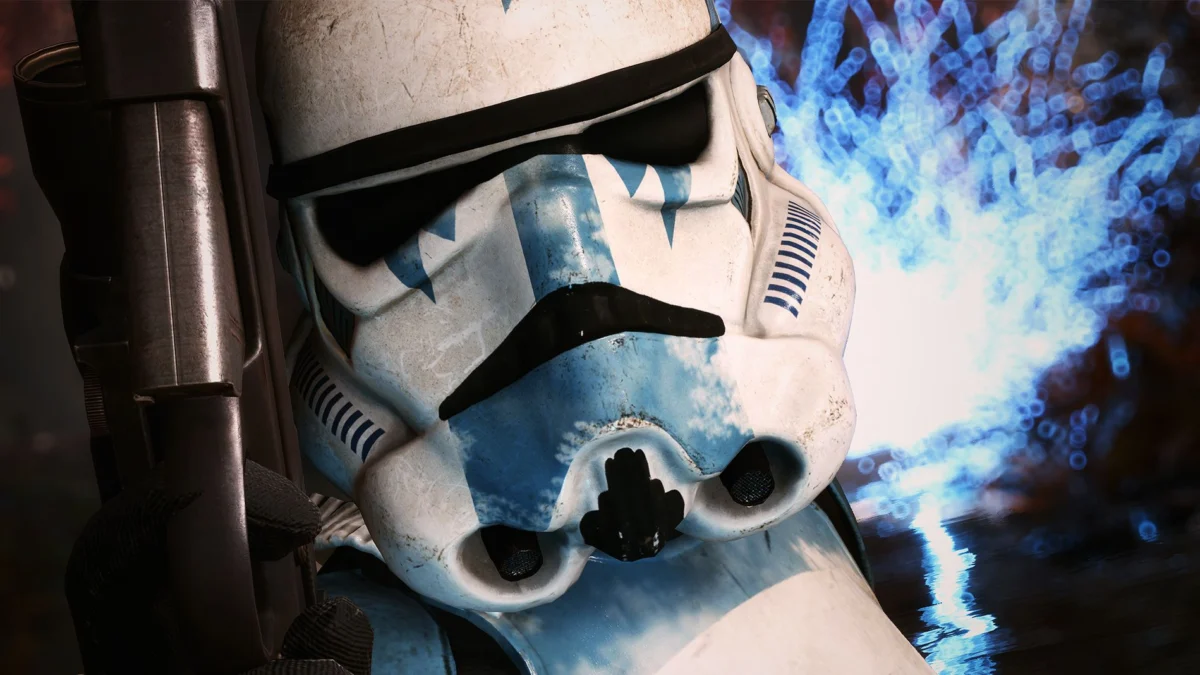
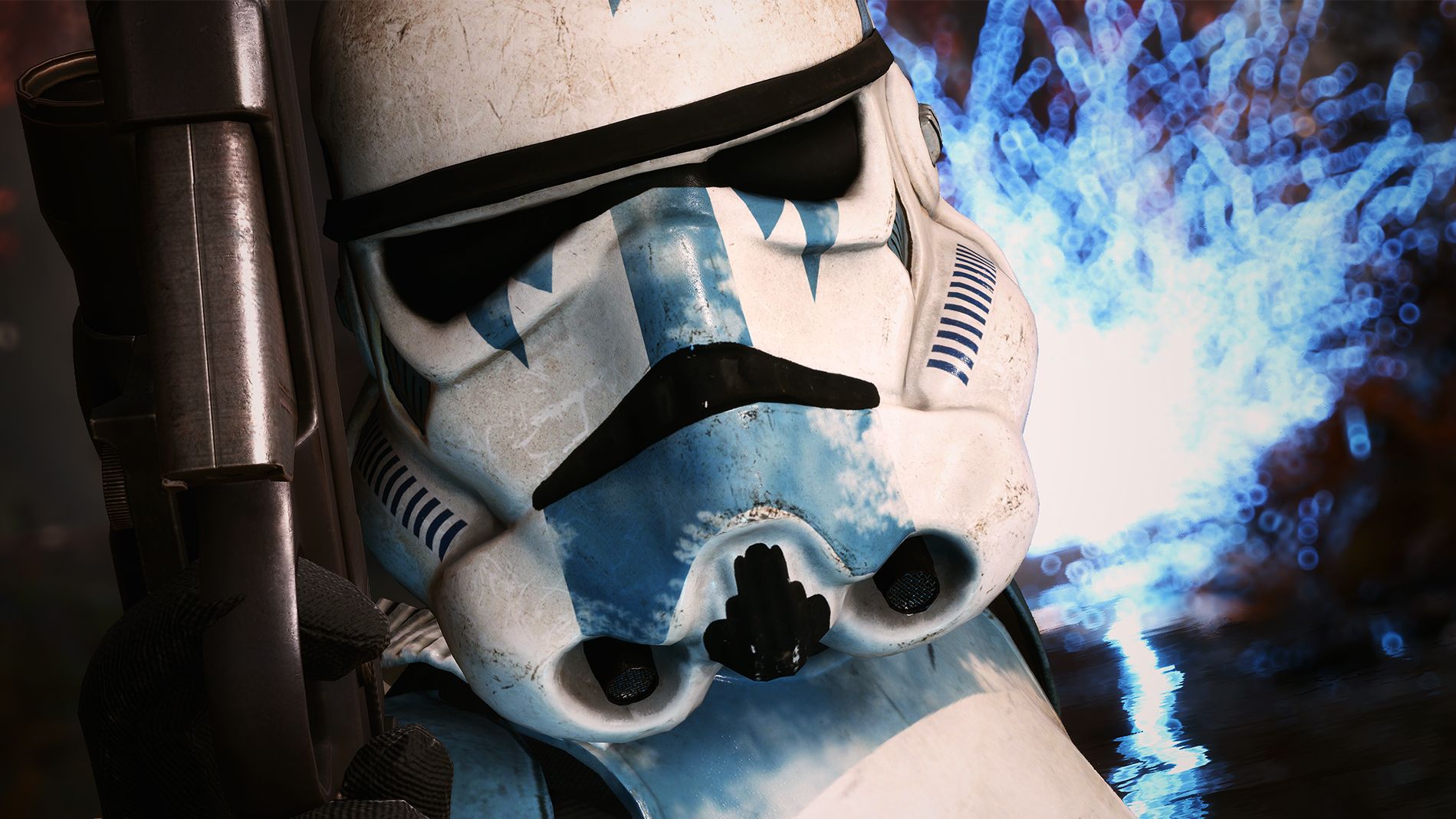
Yet, even as the digital ashes of BioWare settle, EA is looking aggressively toward its future. According to exclusive industry reports, the publishing giant is pooling the collective talents of two of its most premier studios, Respawn Entertainment and DICE, to develop what insiders claim is Star Wars Battlefront 3. This unexpected pairing represents a high-stakes gamble by EA to stabilize its shooter portfolio, appease restless shareholders, and redefine its strategy in an increasingly volatile market.
Main Facts: What We Know About EA’s Restructuring
The sweeping changes announced by EA represent one of the most significant corporate realignments in the publisher’s recent history. The core developments can be broken down into several key pillars:
- The Closure of BioWare: After decades of shaping the Western RPG landscape, BioWare has been officially closed by EA. The studio, which had faced immense struggles in recent years following the troubled developments of Anthem and Mass Effect: Andromeda, as well as the protracted production cycle of Dragon Age: The Veilguard, has finally reached the end of the line.
- Mass Layoffs: Approximately 400 staff members have lost their jobs across the affected divisions, contributing to a broader industry trend of mass layoffs that has displaced thousands of developers globally over the past few years.
- The Respawn and DICE Collaboration: In an official communication to staff, EA management confirmed that it is bringing together its Respawn Entertainment and DICE studios to collaborate on a major unannounced "future project."
- Industry Reports Point to Battlefront 3: While EA’s official statements remain tightly wrapped in corporate phrasing, multiple independent sources speaking to media outlets like Variety have confirmed that the collaborative project between Respawn and DICE is indeed a third installment in the Star Wars Battlefront series.
Chronology of Events: From BioWare’s Twilight to the Battlefront Rumors
To understand how the industry arrived at this momentous crossroads, it is necessary to examine the sequence of events leading up to EA’s announcement.
The Decline of BioWare (2012–2024)
BioWare’s trajectory over the past decade has been marked by high-profile missteps offset by occasional glimmers of its former glory. Following the release of Mass Effect 3 in 2012—which faced intense fan scrutiny over its ending—the studio struggled to maintain its legendary consistency. Mass Effect: Andromeda (2017) suffered from severe technical and narrative flaws, while the live-service multiplayer game Anthem (2019) failed to capture an audience and was eventually abandoned. Although Dragon Age: The Veilguard sought to steer the ship back on course, the prolonged development times and shifting market demands ultimately left the studio vulnerable within EA’s corporate structure.
The Corporate Announcement (Mid-2026)
In a memo circulated to staff—described by internal observers as stark and pragmatic—EA outlined the "next chapter" of its corporate strategy. The company cited the necessity of streamlining operations to focus on high-growth areas. Within this same window, the definitive decision to sunset BioWare was finalized, bringing an end to the studio’s storied 30-year history.
The Battlefront Leak
Simultaneously, leaks began to emerge from industry insiders. While EA’s public statements merely hinted at an inter-studio collaboration between Respawn and DICE to "balance resources and leverage technology," investigative reporting by Variety and other outlets quickly pierced the corporate veil, revealing that the long-dormant Star Wars Battlefront franchise was being resurrected.
Supporting Data: The Legacy and Controversies of Star Wars Battlefront
The decision to return to the Star Wars Battlefront franchise carries significant baggage, shaped by the commercial highs and severe regulatory lows of its predecessors.
A Troubled Past with Loot Boxes
The modern Star Wars Battlefront sub-brand has a notoriously turbulent history. While EA and DICE’s Star Wars Battlefront II (2017) eventually evolved into a well-liked, content-rich multiplayer experience, its launch remains one of the most infamous disasters in gaming history. The game’s aggressive progression system, heavily reliant on randomized loot boxes, drew accusations of pay-to-win mechanics and predatory monetization.
The backlash was so intense that it prompted investigations by global regulatory bodies. Most notably, the Belgian Gambling Commission ruled that the game’s loot box mechanics constituted illegal gambling under local laws. This landmark controversy forced governments worldwide to scrutinize video game monetization practices and compelled EA to temporarily overhaul the game’s entire progression economy prior to release.
Proven Pedigree: Respawn and DICE
Despite the sins of the past, the pairing of Respawn and DICE on a new Star Wars shooter is an undeniably potent combination on paper.
- Respawn Entertainment has established itself as one of EA’s most reliable and creatively successful developers. Their work on the Star Wars Jedi series (Fallen Order and Survivor) proved their ability to capture the tone, atmosphere, and wonder of the Star Wars universe while delivering tight, engaging gameplay.
- DICE, meanwhile, remains the industry titan of large-scale multiplayer first-person shooters. Following the critical success of Battlefield 6—which earned rave reviews for revitalizing the franchise’s signature chaotic sandbox warfare—DICE possesses the technical infrastructure required to render massive, cinematic multiplayer battles.
Combining Respawn’s narrative and franchise-handling expertise with DICE’s technical prowess in engine development (Frostbite) and large-scale multiplayer balancing creates a formidable foundation for a new title.
Official Responses and Corporate Framing
Electronic Arts has framed these sweeping changes not as a contraction, but as a strategic realignment designed to secure long-term growth and operational stability.
In their public communications regarding "building EA’s next chapter," leadership emphasized the need to consolidate talent. By forcing closer cooperation between historically siloed powerhouses like Respawn and DICE, EA aims to optimize its internal technology stack and streamline resource allocation.
However, the corporate narrative of "unlocking growth" and "balancing resources" stands in stark contrast to the human cost of the restructuring. The closure of BioWare and the layoff of roughly 400 developers have drawn sharp criticism from labor advocates, industry commentators, and fans alike. Critics point out that despite generating billions in revenue from sports titles and established intellectual properties, major publishers continue to absorb financial missteps by offloading the human workforce, resulting in the loss of institutional knowledge that can never be recovered.
Implications: What This Means for the Future of Gaming
The closure of BioWare and the revival of Star Wars Battlefront signal several crucial trends for the future of the video game industry:
1. The Death of the Mid-Budget and Traditional RPG Studio
BioWare’s demise underscores a brutal industry reality: the era of the sprawling, single-player cinematic RPG with massive development budgets is becoming increasingly unsustainable under public corporate pressure. Publishers are pivoting away from creative experimentation in favor of guaranteed live-service revenue streams and globally recognized intellectual properties.
2. Consolidation of Core Competencies
By merging the workflows of Respawn and DICE, EA is signaling a move toward centralized super-studios. Rather than allowing separate entities to experiment independently, major publishers are pooling elite talent into concentrated hubs dedicated to churning out blockbuster multiplayer franchises that can sustain years of microtransactions and seasonal updates.
3. High Stakes for Star Wars Battlefront 3
If the reports are accurate, Star Wars Battlefront 3 will have to walk a tightrope. It must capture the massive, chaotic scale that fans demand while entirely avoiding the predatory monetization models that tarnished its predecessor. With the combined forces of Respawn and DICE behind it, expectations will be higher than ever. Whether this forced marriage of studios can produce a masterpiece—or whether it will be crushed under the weight of corporate expectations—remains the industry’s most compelling unanswered question.

