

Main Facts
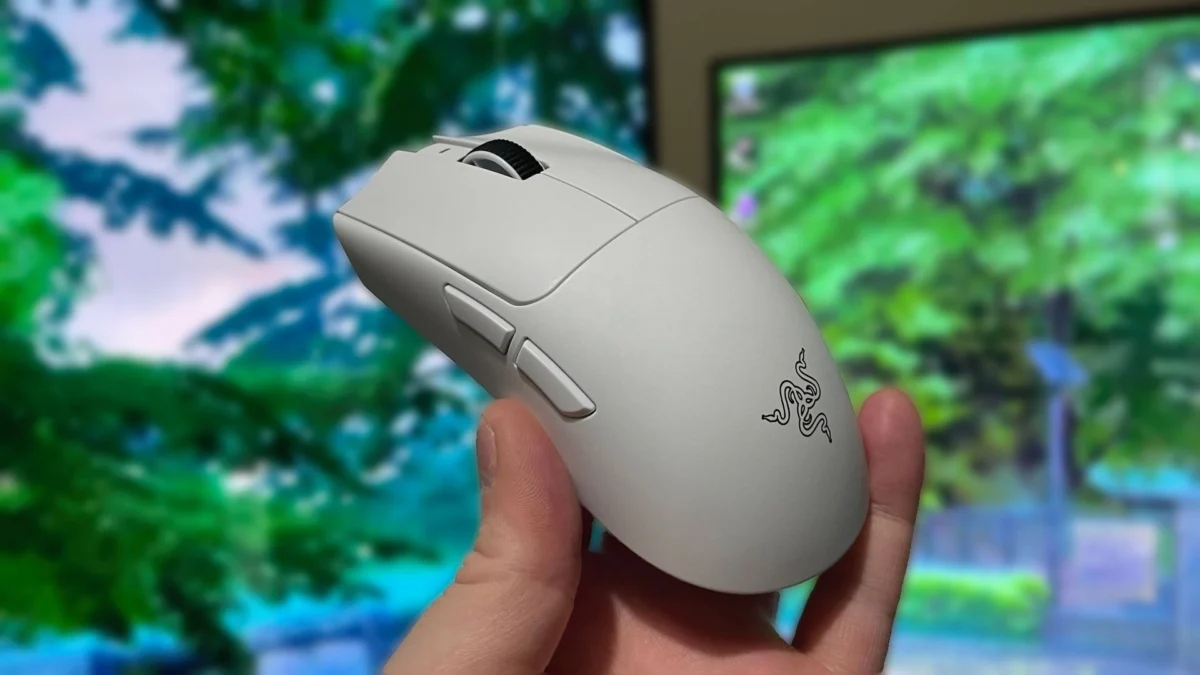
The gaming peripheral landscape could be on the verge of a significant materials shift. According to recent leaks originating from prominent hardware reviewers and international retail listings, gaming giant Razer is preparing to expand its flagship V4 Pro lineup with ultralight carbon fiber variants.
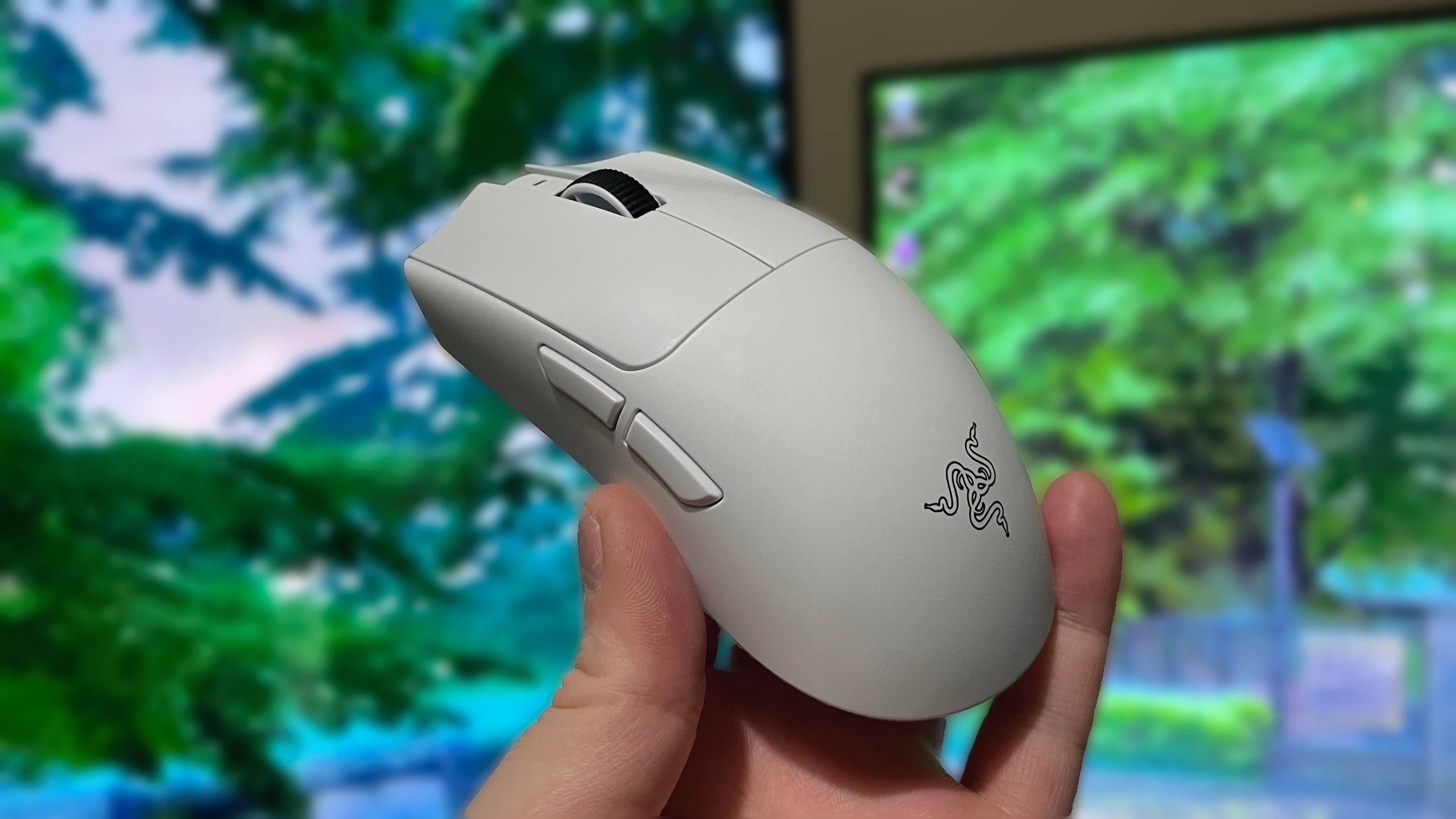
The reported additions to the market include a carbon fiber iteration of the critically acclaimed Razer Viper V4 Pro and its ergonomic counterpart, the Razer DeathAdder V4 Pro.
While the standard Viper V4 Pro already boasts an impressive weight of 49 grams, the leaked carbon fiber version reportedly drops that figure further down to 47 grams. Meanwhile, the carbon fiber DeathAdder V4 Pro is slated to weigh 49 grams while incorporating an upgraded Focus Pro 50K Gen-3 sensor alongside extended battery life capabilities.
However, the most controversial aspect of the leak is not the weight reduction or the advanced engineering, but the projected retail price. Early market listings—specifically spotted on major Chinese retail platforms such as JD.com—suggest a price point of 1,999 Chinese Yuan (RMB), which translates directly to roughly $300 USD.
If accurate, this pricing strategy would nearly double the cost of standard flagship gaming mice, igniting fierce debate within the PC gaming community over whether marginal weight and performance gains justify an unprecedented financial barrier to entry.
Chronology of the Leak
To understand how this story unfolded, it is necessary to trace the timeline of leaks, rumors, and regional discoveries that brought these high-end carbon fiber peripherals into the public eye.
- Early October 2026: Whispers within hardware enthusiast circles begin to suggest that top-tier manufacturers are looking beyond traditional plastics and magnesium alloys to achieve structural rigidity at lower weights.
- October 13, 2026: Peripheral reviewer iitzKami publishes a post on X (formerly Twitter) revealing that "Razer is going carbon fibre." The post details specific weight targets—47g for the Viper V4 Pro and 49g for the DeathAdder V4 Pro—while noting the inclusion of the Focus Pro 50K Gen-3 sensor on the DeathAdder variant. Crucially, the post mentions that the hardware is already "currently listed in some markets at roughly $300 USD."
- Mid-October 2026: Chinese technology news outlet Expreview corroborates the leak by pointing toward listings on JD.com. Although the platform enforces a login wall, regional tech trackers capture the 1,999 RMB price tag, validating the $300 USD conversion rate circulating among Western analysts.
- Present Day: As the community awaits official confirmation or product reveals from Razer, hardware experts and consumers continue to debate the feasibility, durability, and market reception of a $300 mainstream gaming mouse.
Supporting Data and Comparative Analysis
The evolution of gaming mouse construction has been defined by a relentless pursuit of weight reduction without sacrificing structural integrity. Early ultralight mice relied heavily on honeycomb shell cutouts, a design choice that many users disliked due to dust accumulation and perceived weakness.
The industry eventually transitioned to solid-shell engineering utilizing advanced polymers and magnesium alloys. Carbon fiber represents the next frontier, though its implementation has yielded mixed results across different manufacturers.
Weight and Material Comparisons
| Mouse Model | Material | Weight | Launch / Standard Price | Leaked / Estimated Price |
|---|---|---|---|---|
| Razer Viper V4 Pro (Standard) | Premium Polymer | 49 g | $160 USD | N/A |
| Razer Viper V4 Pro (Leaked) | Carbon Fiber | 47 g | N/A | ~$300 USD |
| Razer DeathAdder V4 Pro (Leaked) | Carbon Fiber | 49 g | N/A | ~$300 USD |
| Logitech G Pro X2 Superstrike | Polymer / Alloy | Varies | $180 USD | N/A |
| Logitech G Pro (Refreshed Series) | Polymer | Varies | $200 USD | N/A |
| SteelSeries Rival Pro | Polymer | Varies | $180 USD | N/A |
| Corsair Sabre V2 Pro (CF) | Carbon Fiber | Heavier than base | Variable | Premium tier |
The Carbon Fiber Paradox
Interestingly, the implementation of carbon fiber does not automatically guarantee a lighter product. For instance, when analyzing the Corsair Sabre V2 Pro wireless series, the carbon fiber iteration actually proved to be heavier than its ultralight standard counterpart due to the resin ratios and structural reinforcement required.
The fact that Razer has allegedly managed to shave an additional 2 grams off the already featherlight Viper V4 Pro—bringing it down to 47 grams—demonstrates a high level of advanced material engineering. Carbon fiber offers an exceptional strength-to-weight ratio and a unique tactile aesthetic, but manufacturing complex, ergonomic mouse shells out of the material is notoriously difficult and labor-intensive, which largely explains the inflated production costs.
Market Pricing Context
The current upper echelon of gaming mice has seen steady price inflation over the last several product generations:
- Standard flagship offerings from competitors like Logitech and SteelSeries typically hover between $160 and $200 USD.
- Even the standard Razer Viper V4 Pro, praised for being relatively competitive within the luxury bracket, commands a substantial $160 USD price tag.
- A leap to $300 USD shatters all historical precedents for mainstream gaming peripherals, pushing mouse pricing into the territory of high-end graphics card upgrades, premium mechanical custom keyboards, or high-refresh-rate monitors.
Official Responses and Manufacturer Stance
As of publication, Razer has issued no official press release, confirmation, or denial regarding the existence of carbon fiber variants for the Viper V4 Pro or DeathAdder V4 Pro.
Major hardware manufacturers typically maintain a strict policy of silence concerning leaked regional listings, placeholder SKUs, or third-party insider reports. Industry analysts note that retail listings on platforms like JD.com can occasionally represent placeholder data, test pricing for limited enthusiast runs, or direct currency conversions of internal B2B pricing structures rather than finalized global MSRPs.
Until Razer officially details the manufacturing processes, availability windows, and true regional pricing for these purported carbon fiber editions, consumers are advised to treat the $300 figure as an unverified rumor—albeit one backed by credible retail tracking and established insider sources.
Implications for the Gaming Peripheral Market
Should these carbon fiber mice launch at or near the leaked $300 price point, the repercussions for the PC gaming hardware market could be profound, influencing both consumer psychology and competitor strategies.
1. Resistance to Price Inflation
Over the past few years, the gaming community has pushed back against creeping hardware costs. While early adopters embraced the transition to wireless technology and sub-50-gram weights at $150 to $180, the psychological barrier of the $200 mark has proven difficult to swallow.
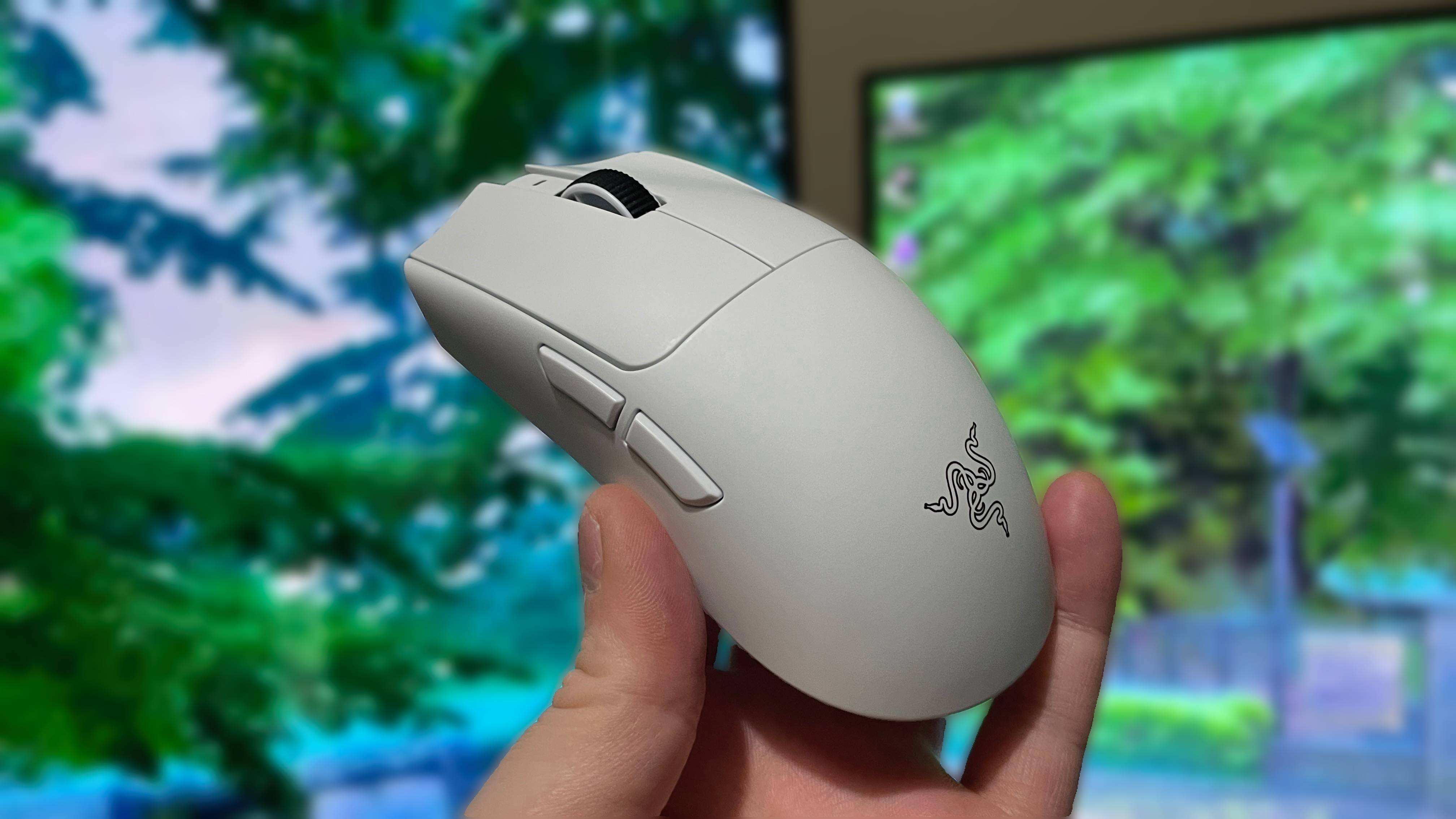
A $300 retail price for a mouse—a consumable device subject to heavy wear and tear, battery degradation, and switch fatigue—risks alienating a vast portion of the enthusiast base. If the product is perceived as an over-engineered status symbol rather than a practical performance tool, it could face severe consumer backlash.
2. The Niche vs. Mass-Market Divide
Carbon fiber manufacturing is expensive. By introducing a ultra-premium tier above their existing flagship pro lineup, Razer may be attempting to carve out a hyper-niche "halo product" category akin to custom mechanical keyboards costing upwards of $500.
This strategy allows brands to test cutting-edge materials and recoup R&D costs from well-funded enthusiasts while keeping their core professional lineup (such as the standard $160 Viper V4 Pro) accessible to competitive esports players.
3. Competitor Reactions
If Razer successfully establishes a market for $300 carbon fiber mice, competitors like Logitech G, Finalmouse, and Pulsar may feel compelled to follow suit.
Conversely, if the market soundly rejects the price point, manufacturers may pivot away from exotic structural materials, focusing instead on internal technological advancements—such as polling rate innovations, optical switch durability, and sensor precision—that offer tangible competitive advantages without necessitating prohibitively expensive manufacturing overheads.
Conclusion
The prospect of a 47-gram carbon fiber Razer Viper V4 Pro is undeniably thrilling for hardware enthusiasts who crave the absolute pinnacle of lightweight performance. However, the shadow of a $300 price tag casts serious doubt on its practical viability for the average gamer. As we await official word from Razer, the tech community remains split between admiration for cutting-edge material science and deep apprehension over the escalating cost of competitive play.

