

In the rapidly evolving landscape of the creator economy, data has become the most valuable currency. As brands scramble to identify the most effective influencers for their marketing campaigns, YouTube is quietly testing new ways to bridge the gap between corporate interests and creator insights. Recently, eagle-eyed observers spotted a powerful new feature within YouTube Studio, sparking a conversation about the future of creator transparency and the platform’s broader strategy to monetize the influencer ecosystem.
The feature, internally dubbed "Channel Search," represents a significant shift in how data is shared, processed, and utilized by brand partners. While YouTube remains cautious about the scope of this experiment, the implications for creators and advertisers alike are profound.
Main Facts: What is "Channel Search"?
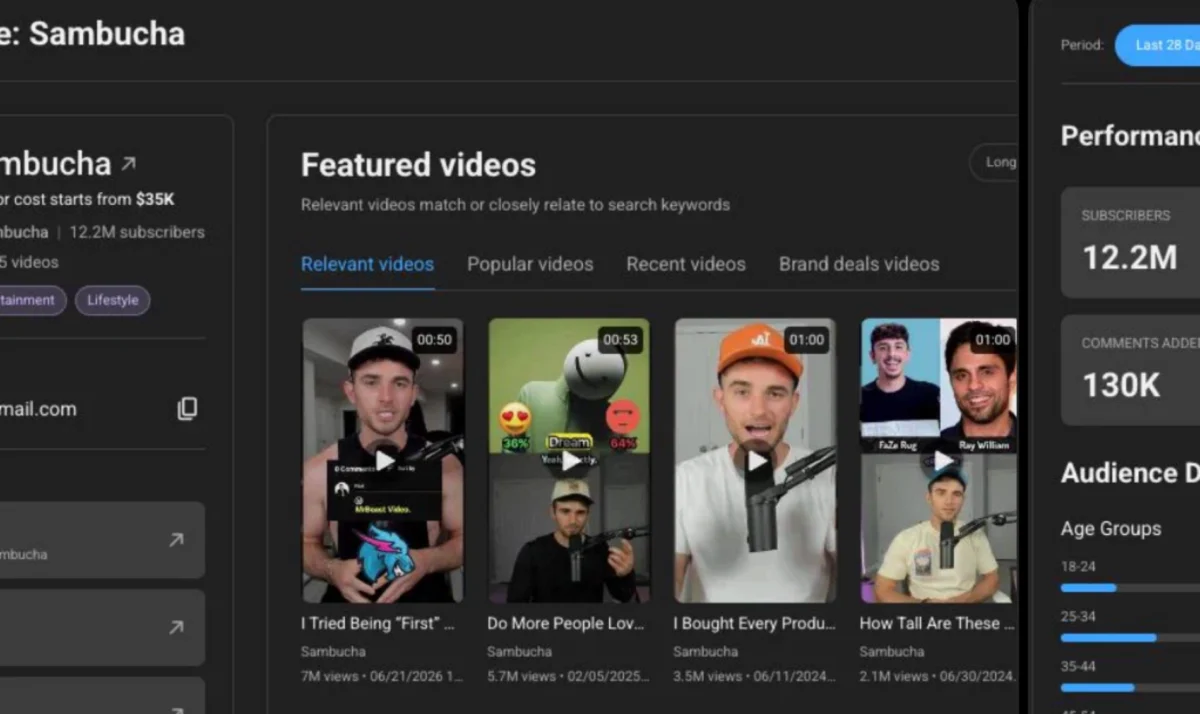
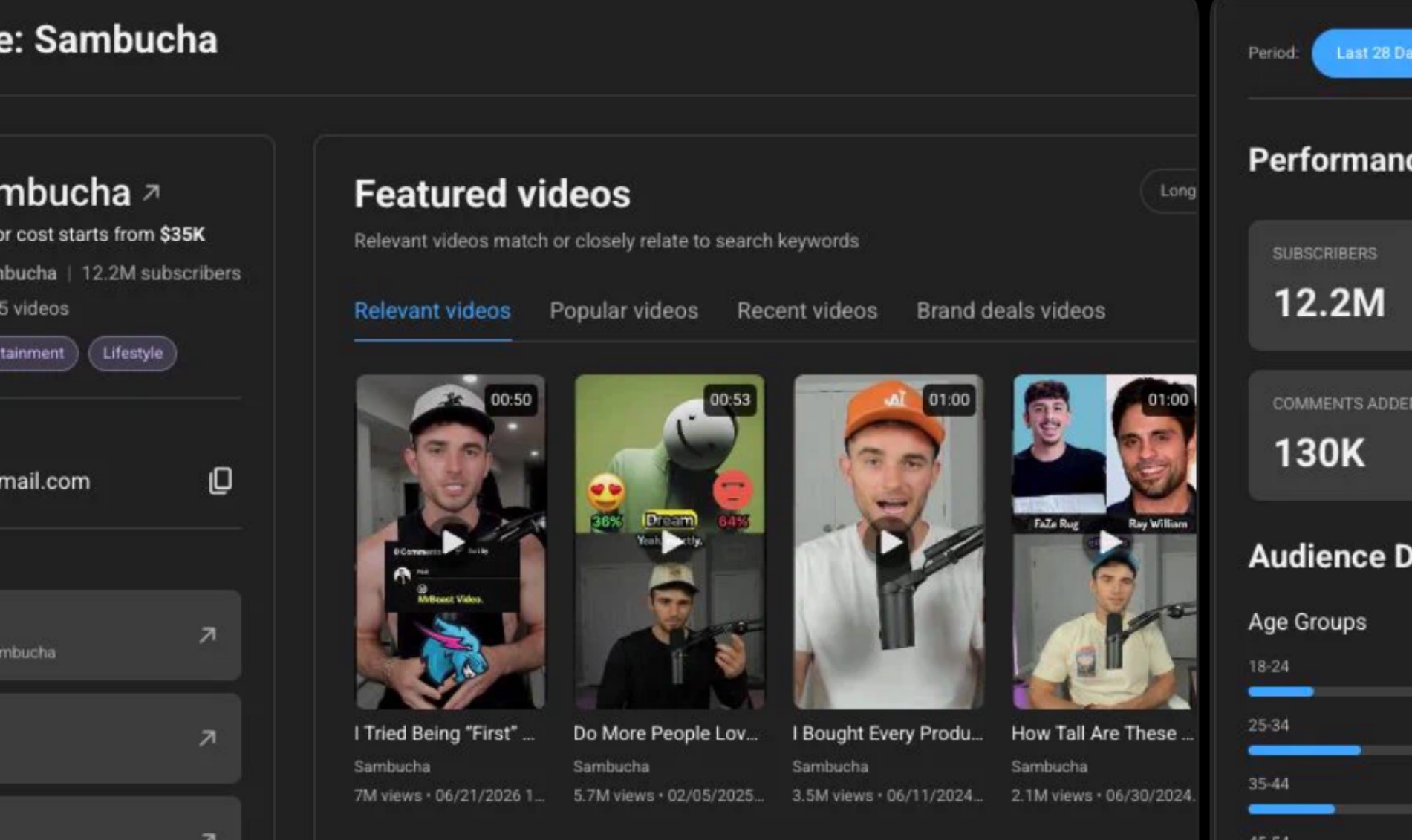
The discovery of "Channel Search" surfaced on X (formerly Twitter) via the creator growth platform VidIQ. The platform shared a screenshot of a specific tab within YouTube Studio—the backend interface where creators typically manage their own channels. This new hub allows authorized brand channels to view detailed analytics regarding other creators’ performance.
According to the data visible in the leaked screenshots, brands participating in the test could access critical metrics for specific channels, such as the popular product reviewer Sambucha. The metrics exposed included:
- Unique Viewers: A granular look at the reach of a creator’s content.
- Watch Time: A crucial indicator of audience retention and engagement quality.
- Audience Demographics: Insights into age and gender distribution.
- Top Geographies: Data pinpointing where a creator’s influence is most concentrated.
YouTube has confirmed that this was a limited-scope experiment, designed specifically to assist brands in making data-backed decisions when forming partnerships. The core premise is to reduce the "black box" nature of influencer marketing, allowing brands to vet potential collaborators with the same precision they apply to traditional digital advertising.
Chronology: From "Made On" to the "Wild"
The rollout of these capabilities is best understood within the context of YouTube’s broader 2026 product roadmap.
September 2026: The "Made On" Presentation
At the annual Made On event, YouTube laid out its vision for the future, heavily emphasizing AI-driven personalization and sophisticated tools for creators. The company signaled a clear intent to move beyond passive video hosting and toward becoming a full-service ecosystem for business development.
October 2026: The Leak and Public Discovery
Shortly after the Made On event, users began reporting irregularities in their dashboard access. VidIQ’s documentation of the "Channel Search" tab brought the feature into the public eye, revealing that some brand accounts were already navigating interfaces that provided deep-dive analytics on third-party channels.
Mid-October 2026: The Rollback and Clarification
Following the viral nature of the screenshot, YouTube initiated a review of its testing protocols. The company admitted that in at least one instance, a non-brand entity was granted access to the tool—a technical error that prompted a swift retraction and a tightening of access permissions to ensure the experiment remained within its intended "brand-only" sandbox.
Supporting Data: Why Brands Need This
The rise of influencer marketing has often been plagued by "vanity metrics"—likes and views that look impressive on the surface but don’t necessarily translate to conversion or brand alignment. For brands, the manual process of vetting creators is time-consuming and often inaccurate.
By integrating "Channel Search" directly into YouTube Studio, the platform is attempting to solve a major pain point: Information Asymmetry.
Currently, brands often rely on third-party platforms (like VidIQ, Social Blade, or various influencer agencies) to estimate a creator’s audience quality. By providing this data directly, YouTube is positioning itself as the "source of truth." This move is backed by the company’s existing Creator Partner Hub, which already serves as a resource for brands. The "Channel Search" experiment simply pulls that data into the workflow where campaign managers are already operating, creating a seamless "search-to-contract" pipeline.
Official Responses and Privacy Safeguards
The prospect of "backend data" being shared—even with brands—naturally raises red flags regarding creator privacy. In an official statement provided to Tubefilter, a YouTube spokesperson sought to clarify the boundaries of the experiment:
- Opt-In Basis: YouTube emphasized that creators whose data was exposed were not "doxxed" by the platform. Instead, these creators had opted into data-sharing agreements that allowed their public-facing analytics to be aggregated for potential brand partners.
- Limited Scope: The data shared was strictly limited to public information that was already accessible through the Creator Partner Hub. It did not expose private revenue figures, individual video earnings, or sensitive subscriber communications.
- Restricted Access: The feature was only enabled for "a small number of brand channels." When asked if this would become a "compare your competition" tool for creators, YouTube denied the possibility, stating the tool is "strictly targeting brand channels."
Despite these assurances, the industry remains wary. Privacy advocates note that even "public" data, when aggregated by AI-driven tools, can reveal patterns that creators might not want competitors to see. The error that allowed a non-brand entity to access the tool suggests that the platform’s internal access controls are still in a state of flux.
Implications: The Future of the Creator Ecosystem
The "Channel Search" experiment is a harbinger of a more data-saturated future for YouTube. As the platform integrates AI agents into the brand partnership ecosystem, we can expect the following developments:
1. AI-Driven Matching
YouTube is increasingly using AI to pair creators with brands that match their audience demographics. By allowing brands to search for specific data points, the platform is essentially training its own AI on what makes a "successful" partnership, enabling more automated, high-conversion matchmaking in the future.
2. The Professionalization of Creators
As tools like "Channel Search" become more common, creators will be forced to treat their channels more like businesses. If a creator’s audience demographics are visible to major brands in real-time, the pressure to maintain consistent, high-quality engagement metrics will increase. Creators who can articulate their value through data will likely command higher rates, while those who rely on "vanity" metrics may struggle.
3. Consolidation of the Tooling Market
By building native research and discovery tools into YouTube Studio, YouTube is effectively competing with the third-party ecosystem. Platforms like VidIQ, HypeAuditor, and others have built multi-million dollar businesses on providing the exact data that YouTube is now bringing in-house. If YouTube continues this trajectory, the third-party creator-tooling market may need to pivot toward more specialized, value-add services to remain relevant.
4. A Shift Toward Transparency
While there are privacy concerns, there is also an argument for increased transparency. A more transparent ecosystem allows for better vetting, fewer fraudulent influencer deals, and ultimately, a more stable environment for creators to earn a living. If a brand can clearly see the value of a creator’s audience, they are more likely to offer long-term, high-value contracts rather than one-off, low-paying sponsorships.
Conclusion: A Work in Progress
The "Channel Search" experiment is not just a UI update; it is a strategic maneuver by Google to consolidate its grip on the influencer marketing economy. While YouTube is currently downplaying the tool’s reach, the integration of deep analytics into the Studio dashboard is a clear signal of where the platform is headed.
As YouTube continues to refine its AI-powered features, the line between "creator" and "brand" will continue to blur. For now, creators should remain vigilant about their data-sharing settings and opt-in agreements. Meanwhile, brands should prepare for a future where the friction of finding the perfect influencer is replaced by a sophisticated, dashboard-driven process that prioritizes data, ROI, and seamless connectivity.
Whether this tool stays in the experimental phase or eventually becomes a standard feature for all advertisers remains to be seen. However, one thing is certain: in the race to control the creator economy, the company that owns the data holds the keys to the kingdom. YouTube is no longer just a video platform; it is becoming the central infrastructure for the modern digital economy, and "Channel Search" is its latest architectural upgrade.

