


Main Facts: The Rise of Project Wingman During the Steam Autumn Sale
For enthusiasts of high-octane, arcade-style aerial combat, the modern gaming landscape offers plenty of thrills—often accompanied by a steep financial barrier to entry. With mainstream titles like the upcoming Ace Combat 8 commanding a hefty $70 price tag, players who are curious about diving into the genre of high-speed dogfights and endless missile volleys may hesitate before making the investment.
Enter Project Wingman, a critically acclaimed, indie-developed spiritual successor to classic arcade flight games. Currently featured in the Steam Autumn Sale at a heavily discounted price of just $12.50, the title offers a robust, adrenaline-fueled alternative for both veterans of the genre and newcomers looking to test the waters.
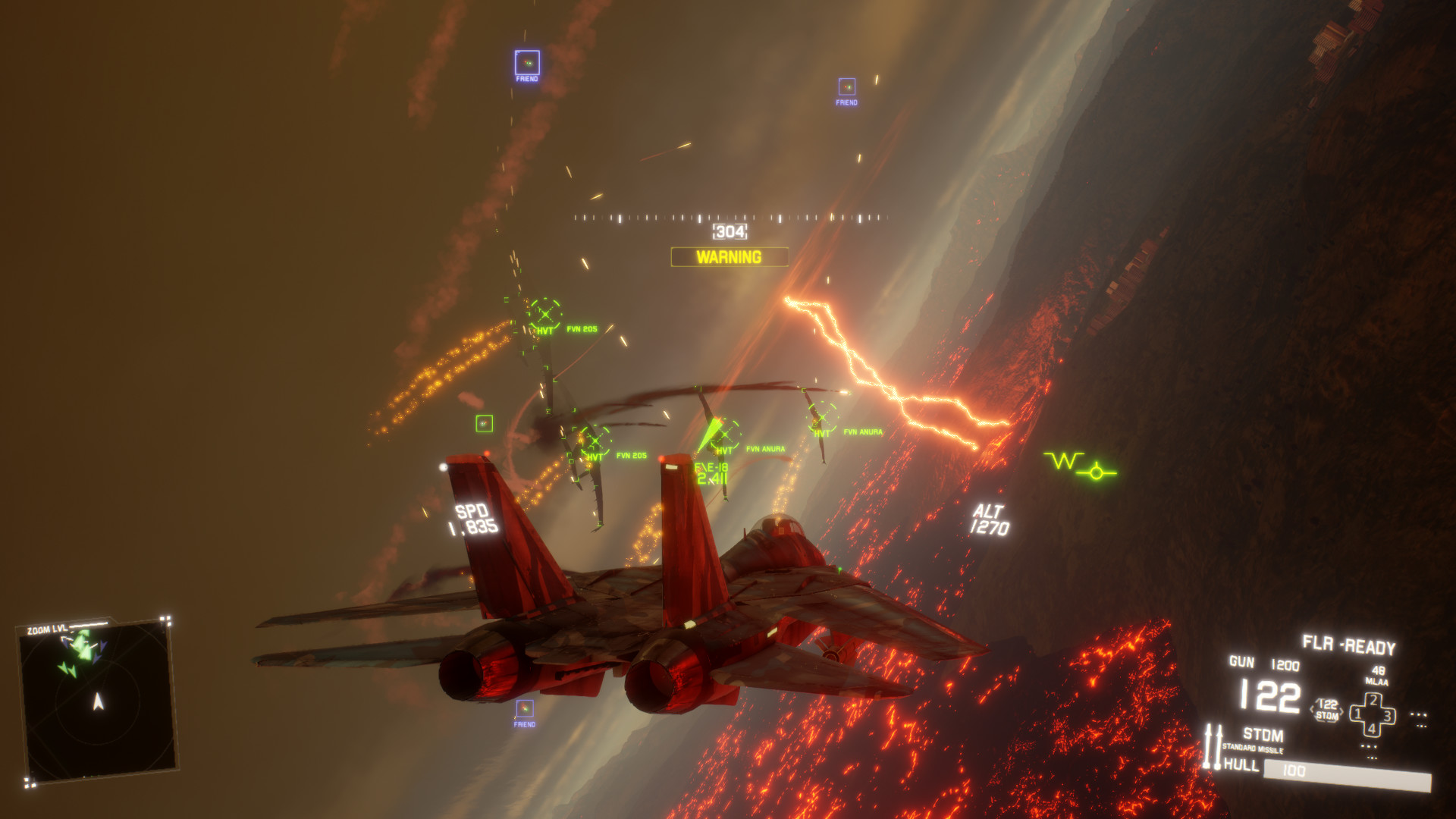
Developed by Sector D2, Project Wingman has captured the hearts of aviation enthusiasts worldwide. On Steam, the game boasts an "Overwhelmingly Positive" rating, backed by more than 22,000 user reviews where 93% of players share favorable impressions. Far from a mere budget clone, it delivers an intensely cinematic, content-rich aerial warfare experience that rivals its AAA inspirations—all while addressing several common pain points found in major studio releases, such as comprehensive flight stick and virtual reality (VR) support.
Chronology: From a Developer’s Portfolio Piece to a Global Indie Phenomenon
The journey of Project Wingman from a humble passion project to a celebrated commercial success story is a testament to indie perseverance and community backing.

- Early Development (Circa 2017–2018): Project Wingman initially began as a personal portfolio project for solo developer and aerospace engineering student RB-D2 (Sector D2). Driven by a lifelong love for classic arcade flight combat franchises, the developer sought to build a technical demonstration showcasing high-speed dogfighting mechanics, dynamic lighting, and large-scale destruction.
- The Kickstarter Breakthrough (Mid-2018): Recognizing the broader appeal of the project, Sector D2 launched a crowdfunding campaign on Kickstarter. The community response was overwhelmingly enthusiastic, with the campaign nearly tripling its initial financial goals. This influx of capital allowed the developer to expand the scope of the project, bring in contracted talent for audio, music, and writing, and secure publishing support from Humble Games.
- Global Launch (December 2020): After years of meticulous development, Project Wingman officially launched on Steam. The title immediately struck a chord with PC gamers starved for quality arcade flight action, receiving widespread praise for its breakneck pacing, soaring orchestral soundtrack, and commitment to hardware accessibility.
- Ongoing Community Support and Sales (Present Day): Years after its initial release, Project Wingman remains a staple recommendation within the flight combat community. Frequent promotional events, such as its inclusion in major Steam seasonal sales at a fraction of its base price, continue to introduce thousands of new players to its explosive skies.
Supporting Data: Feature Breakdown and Technical Specifications
To understand why Project Wingman maintains such a fiercely loyal fanbase, one must examine its technical offerings and unique gameplay loops, which extend far beyond a standard campaign mode.
1. The Conquest Mode Experience
Unlike traditional linear arcade flight games, Project Wingman introduces an innovative Conquest Mode. This rogue-lite meta-game transforms the core gameplay loop into a strategic campaign where players capture territories, manage resources, and fend off increasingly difficult enemy squadrons. Players earn credits through successful missions, which can then be reinvested into purchasing advanced fighter jets, upgrading weapon loadouts, and hiring mercenary wingmen to turn the tide of battle.
2. Comprehensive Hardware Compatibility
One of the most persistent frustrations among hardcore flight simulation fans is inadequate peripheral support in mainstream titles. For instance, recent entries in major franchises have faced criticism—and required public apologies—for lackluster flight stick integration. Project Wingman takes the opposite approach, offering native HOTAS (Hands-On Throttle-And-Stick) compatibility. Whether players utilize high-end joysticks, rudder pedals, or traditional gamepads, the game accommodates a vast array of hardware configurations out of the box.
3. Immersive VR Integration
For players seeking the ultimate adrenaline rush, Project Wingman features full, native Virtual Reality (VR) support. Translating the chaotic reality of high-G maneuvers, spinning horizons, and incoming missile alerts directly into a headset offers an unmatched level of immersion—provided the player’s stomach can handle the intense simulation.

Official Responses and Critical Reception: Industry and Community Perspectives
The reception to Project Wingman has been shaped by a fascinating dialogue between indie ambition and high-end simulation expectations.
When the game launched in late 2020, mainstream gaming outlets—including PC Gamer—evaluated the title with a critical, nuanced eye. While reviewers noted that Project Wingman leaned more heavily into arcade thrills than deep, physics-accurate flight modeling (leaving some hardcore simulation purists wanting a bit more depth), its sheer value proposition and unapologetic devotion to high-octane spectacle were universally praised.
The community response, however, has been unreservedly ecstatic. With over 22,000 Steam reviews cementing its "Overwhelmingly Positive" status, players frequently highlight the game’s memorable storytelling, distinct alternate-history setting (featuring apocalyptic cataclysms and high-altitude mercenary warfare), and a soundtrack composed by Jose Pavli that many compare favorably to legendary video game scores of the past.
Furthermore, industry commentators have frequently pointed to Project Wingman as a shining example of how a passionate developer can successfully fill a market gap left by major publishers who occasionally overlook niche genres or fumble technical implementations like VR and peripheral support.
Implications: What Project Wingman Means for the Future of Arcade Flight Games
The enduring success of Project Wingman carries several important implications for both independent developers and major industry players:
- Proof of Underserved Markets: The massive enthusiasm surrounding Project Wingman proves that there is a vibrant, economically viable audience for arcade flight combat games on PC. When major studios leave gaps in release schedules or hesitate to innovate within niche genres, indie developers are uniquely positioned to capture that hungry market.
- The Value of Consumer-Friendly Pricing: At its regular price, Project Wingman is already an affordable entry point; at seasonal sale prices like $12.50, it acts as an irresistible gateway drug for players who might otherwise balk at spending $70 on a genre they have never tried before. This demonstrates the power of accessible pricing strategies in building long-term community goodwill and sustained sales longevity.
- Setting the Standard for Peripheral Support: By prioritizing robust HOTAS and VR compatibility from day one, Sector D2 established a benchmark that hardcore gaming communities now demand. Future developers in the flight simulation and arcade combat space will find it increasingly difficult to overlook these features without facing immediate backlash from vocal fanbases.
Ultimately, whether you are a seasoned ace looking to test your mettle in VR or a curious newcomer hesitant to invest in a full-priced AAA release, Project Wingman stands out as an essential, high-flying masterpiece that proves grand ambitions do not always require a blockbuster budget.

