

By Hardware Tech Desk
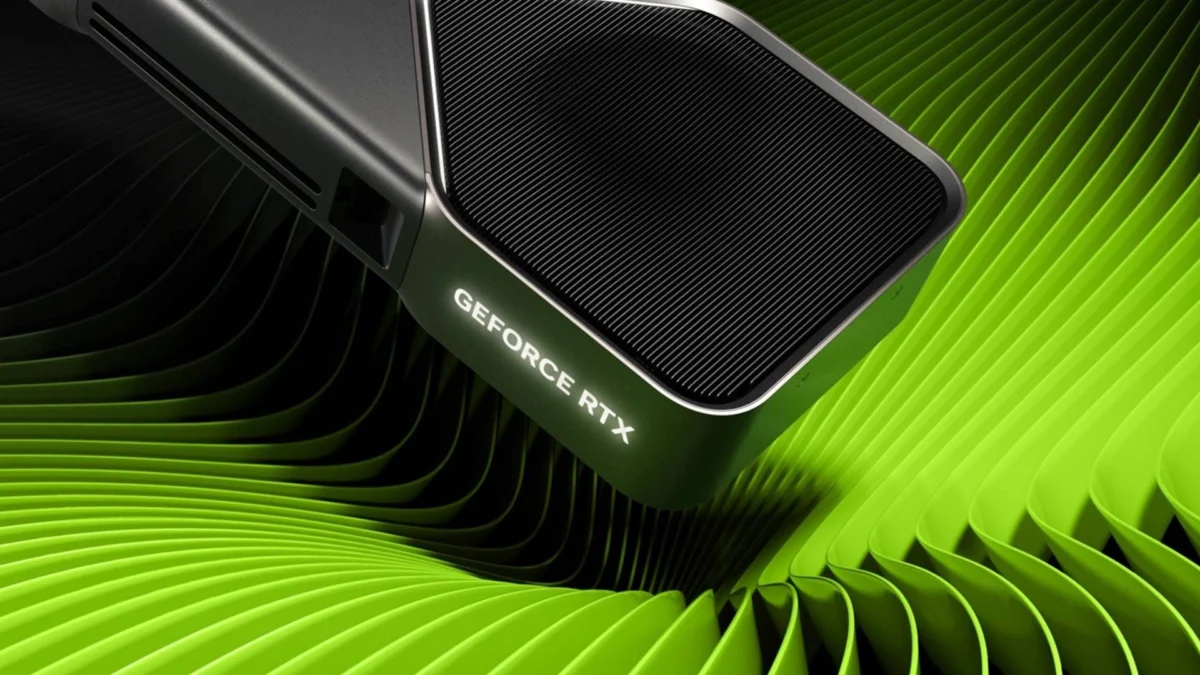
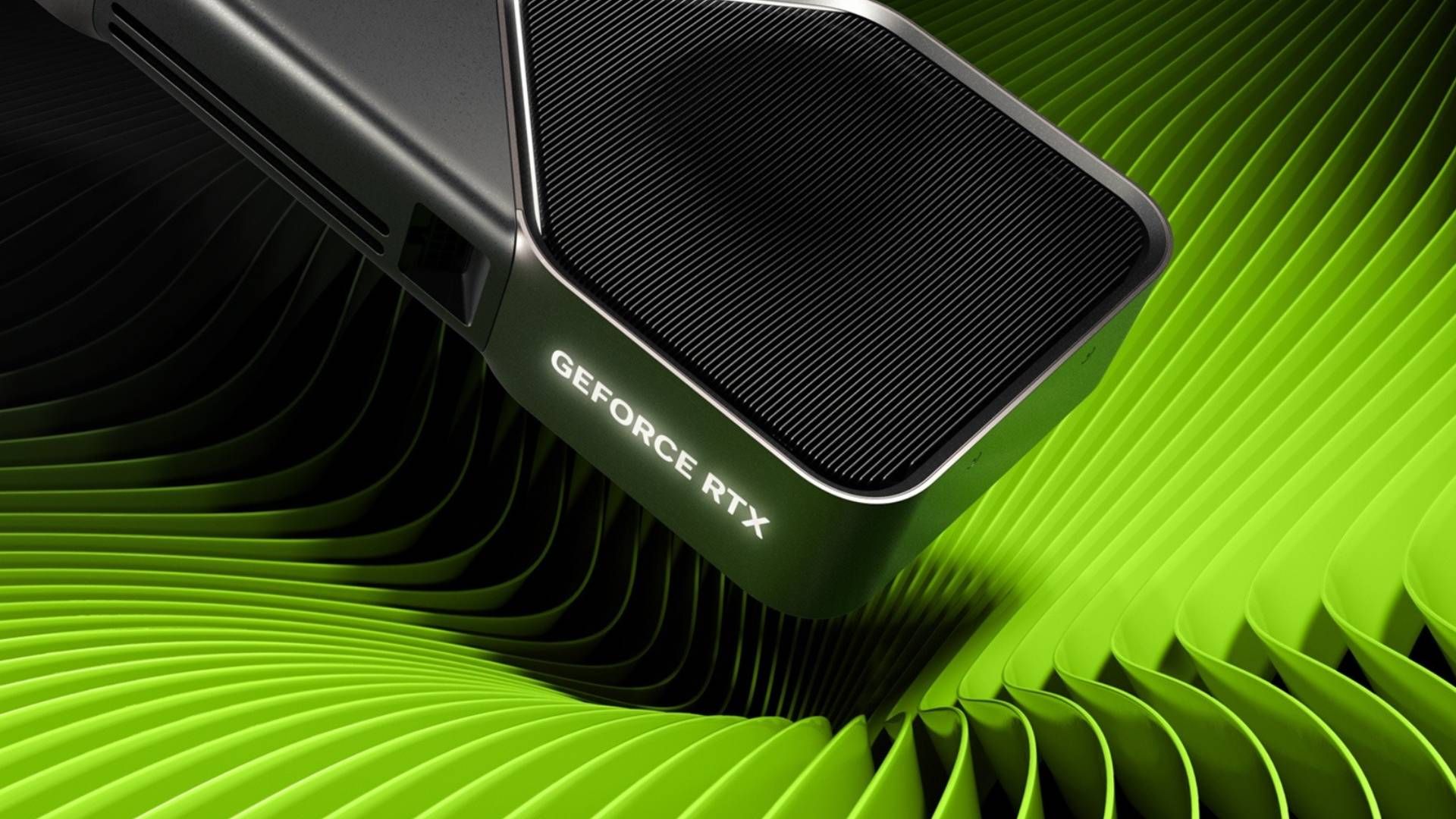
The landscape of PC hardware is shifting once again, and not necessarily in a way that will bring comfort to gamers watching their wallets. Recent industry whispers and insider leaks suggest that Nvidia’s highly anticipated GeForce RTX 60-series graphics cards—powered by the next-generation "Rubin" GPU architecture—may not hit the market until 2028.
If accurate, this timeline breaks a long-standing two-year generational release cadence that has defined the high-end GPU market for over a decade. While Nvidia has yet to formally confirm launch windows for its post-50-series hardware, the rumor mill—spearheaded by reliable industry insiders—paints a picture of a hardware market increasingly strained by component shifts, massive enterprise artificial intelligence (AI) demands, and creeping consumer prices.
Main Facts: The 2028 Shift and the Rubin Architecture
The core revelation centers on Nvidia’s next-generation chipset family, internally referred to as the Rubin architecture (specifically the GR20x line).
- The Rumored Release Window: According to prominent hardware leaker kopite7kimi, the next-gen gaming architecture has faced another internal postponement, pushing the likely debut of the RTX 60-series into 2028.
- Breaking Tradition: Nvidia has historically maintained a strict release rhythm, launching new gaming GPU architectures roughly every 24 to 27 months. A 2028 launch would significantly widen the gap between generations.
- The AI Factor: Much of the delay is heavily tied to resource allocation. As enterprise data centers scoop up top-tier silicon—such as the RTX 5090 and enterprise-grade AI accelerators—consumer gaming hardware is increasingly forced to compete for fabrication capacity and wafer allocations.
- Current Market Alternatives: With next-gen options pushed further out, PC players looking to upgrade without breaking the bank are left navigating an expensive current-generation landscape, relying on mid-tier cards like the AMD Radeon RX 9700 or Nvidia’s elusive RTX 5070.
Chronology of Nvidia’s Generational Releases
To understand how significant a 2028 release date for the RTX 60-series would be, it is helpful to look backward at Nvidia’s historical release cadence. For years, the company has operated on a predictable, clockwork-like schedule:
The 2-Year Cadence (2020–2025)
- September 2020: Nvidia launches the GeForce RTX 30-series (Ampere architecture), establishing a strong baseline for high-resolution gaming amidst early pandemic-era supply constraints.
- October 2022: Exactly two years and one month later, the GeForce RTX 40-series (Lovelace architecture) debuts, bringing advanced path-tracing capabilities and DLSS 3 frame generation to the forefront.
- January 2025: Roughly 27 months after the Lovelace rollout, Nvidia introduces the Blackwell-powered RTX 50-series lineup.
The Shifting Horizon (2026–2028)
- Early 2026 (Original Estimates): Initial industry expectations anticipated the arrival of mid-cycle "Super" refreshes or early groundwork for post-Blackwell architecture.
- Early 2027 (Revised Rumors): Rumors previously suggested that RTX 50-series Super refreshes would land by early 2027, pushing the ultimate arrival of the RTX 60-series closer to late 2027 or 2028.
- September 2026 (The Latest Leak): Leaker kopite7kimi updates the community via social media, explicitly noting that the GR20x (Rubin) lineup is firmly targeted for 2028, effectively shuttering hopes for an earlier consumer reset.
Supporting Data: Pricing Pressures and Market Realities
The delay of the RTX 60-series arrives at a precarious time for PC builders. For years, consumer advocacy groups and hardware analysts have criticized the skyrocketing cost of high-end graphics cards. Many gamers had pinned their hopes on the RTX 60-series acting as a market reset, bringing lower baseline pricing or better price-to-performance ratios.
Instead, consumers must navigate a market where "budget-friendly" high-performance cards are increasingly difficult to secure:
- AMD Radeon RX 9700: Priced competitively around $579, this card has served as a safe haven for gamers attempting to avoid the steep $1,000+ price tags associated with flagship enthusiast cards.
- Nvidia GeForce RTX 5070: Formally carrying an MSRP of roughly $549, finding units consistently stocked at or near that price point at major retailers like Amazon remains a persistent challenge due to high demand and limited supply channels.
- The Enterprise Drain: Reports of enterprise AI buyers acquiring high-end gaming-adjacent silicon (such as top-tier enthusiast cards) by the pallet have fundamentally altered manufacturing priorities. When data centers yield higher profit margins than consumer desktop builds, fabrication priorities inevitably shift.
Official Responses and Industry Perspectives
Nvidia maintains its traditional corporate stance regarding unannounced hardware, declining to comment on leaked roadmaps, speculative timelines, or future product architectures.
However, industry analysts and insiders have been vocal about the changing nature of the semiconductor business. In his September 2026 social media update, kopite7kimi expressed personal frustration on behalf of the consumer base, writing: "I hope Jensen [Huang] can see everyone’s passion and launch new products for gaming as soon as possible. Unfortunately, GR20x is a product from 2028. That means they have postponed again."
The leaker further noted a retreat from frequent speculative tracking, stating an intention to minimize future hardware updates until concrete, verifiable roadmap data emerges—a humbling acknowledgment of how volatile modern semiconductor forecasting has become.
Implications for PC Gamers and Competitors
A potential 2028 release for the RTX 60-series carries several profound implications for the broader gaming ecosystem:
1. Extended Lifespans for Current Hardware
For owners of RTX 40-series and newly adopted RTX 50-series cards, a delayed successor means your current hardware will remain relevant—and required—for a much longer period. Developers will have a stable, extended baseline of current-generation specifications to optimize for, potentially slowing down the hardware arms race for mid-tier gamers.
2. An Open Door for AMD and Intel
If Nvidia shifts its primary focus toward enterprise AI solutions and delays consumer-facing iterations, rival manufacturers like AMD and Intel have a golden opportunity to capture market share. By aggressively pricing high-end and mid-range alternatives, competitors could win over frustrated PC builders looking for fresh silicon without waiting until the end of the decade.
3. The Death of the Traditional GPU Rhythm
The two-year upgrade cycle that gamers grew accustomed to throughout the 2010s and early 2020s may be permanently dead. As GPUs evolve into multi-purpose processors heavily integrated into machine learning, cloud computing, and neural rendering, consumer gaming is no longer the sole—or even primary—driver of silicon architecture timelines.
Conclusion
While consumers should take these 2028 projections with a healthy dose of skepticism until Nvidia makes an official move, the writing appears to be on the wall for the traditional GPU release schedule. Whether this extended wait ultimately results in a more polished, revolutionary architecture or simply leaves PC gamers paying premium prices for older tech for longer remains to be seen. In the interim, builders planning upgrades may need to look closely at current-generation offerings—or keep a watchful eye on what AMD and Intel choose to do with the open runway.

