

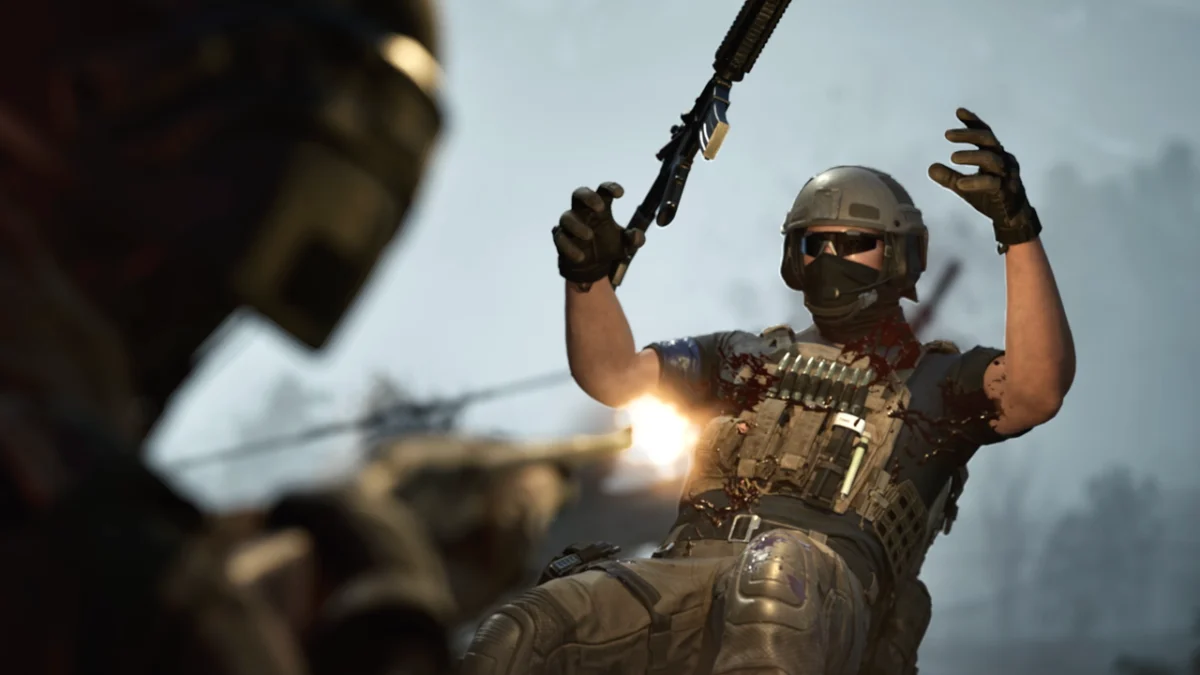
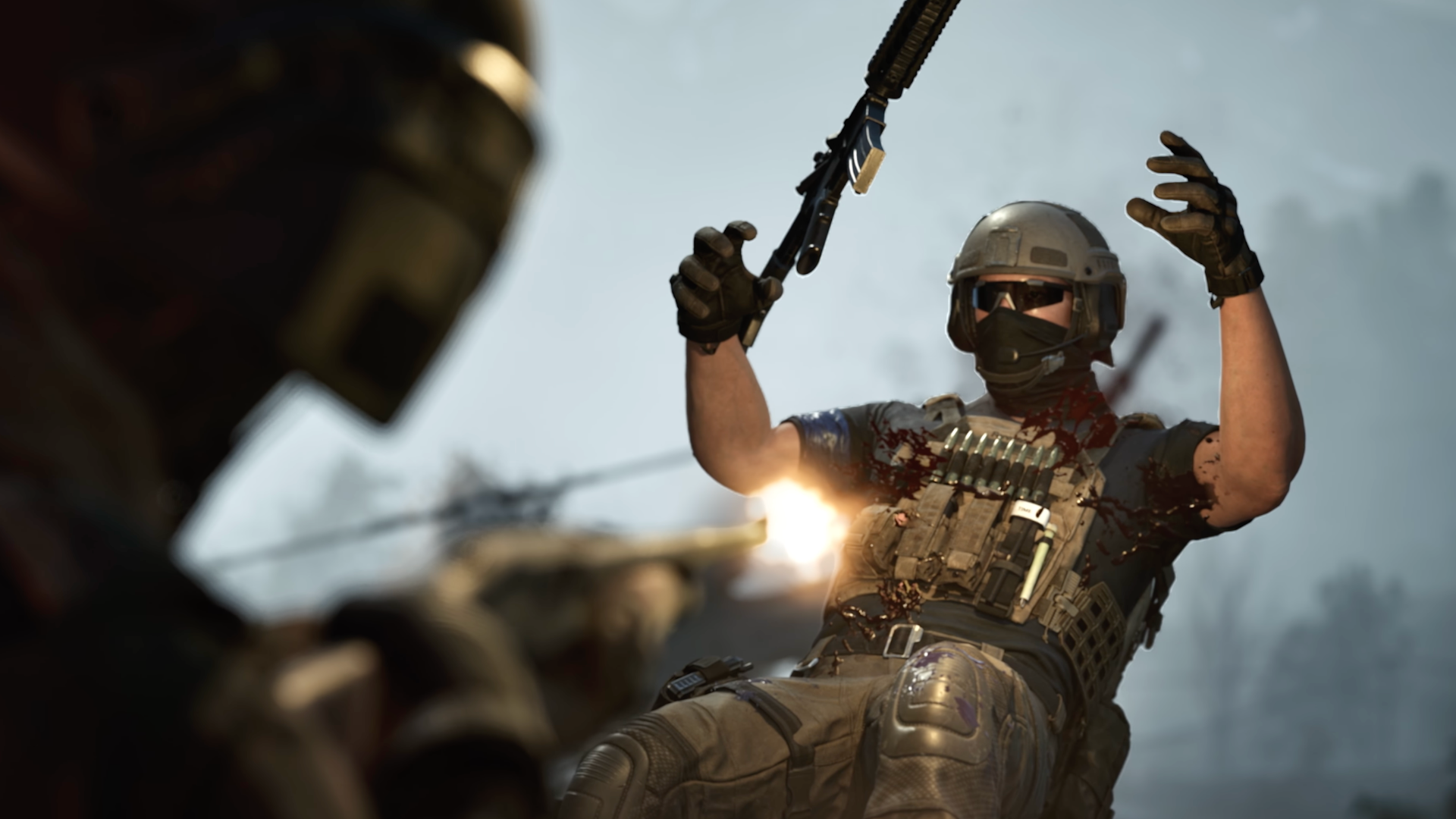
It has been exactly one week since the highly anticipated shooter Wardogs stormed into Steam’s Early Access, capturing the attention of hundreds of thousands of players worldwide. Yet, as the initial fervor surrounding its high-octane, 100-player firefights begins to settle, the game finds itself at a critical juncture. In just three days, the title saw its peak concurrent player count drop by over 100,000.
While such a decline is a standard trajectory for many high-profile releases—as the "new car smell" fades and the realities of game design and balance take center stage—it has prompted a candid, if somewhat prickly, dialogue between the developers at Bulkhead and their massive, vocal player base. The situation serves as a fascinating case study in the modern "Early Access" ecosystem, where the line between community collaboration and developer vision is becoming increasingly blurred.
A Chronology of the Wardogs Launch
The ascent of Wardogs was meteoric. Upon its release, the game quickly became a darling of the streaming community and a focal point for FPS enthusiasts looking for a fresh, large-scale experience. Within its first few days, the game reached a staggering peak of 428,666 concurrent players on Steam—a feat that solidifies its status as one of the most successful launches of the year.
However, the "Early Access" label is often a double-edged sword. While it provides developers with the funding and data needed to finish a project, it also exposes a raw, unpolished product to the harshest of critics. By the end of its first week, the player count had cooled to approximately 292,471, according to SteamDB. This shift is not necessarily an indictment of the game’s quality, but rather a reflection of the modern player’s habit of "consuming" an early build as if it were a finished retail product, a phenomenon that has recently sparked debate across the industry.
The Developer’s Dilemma: Holding the Reins
Joe Brammer, CEO of Bulkhead, recently took to social media to address the fluctuating player numbers. In a series of posts on X (formerly Twitter), Brammer framed the decline as a natural evolution. "We’re entering the first phase of Wardogs’ perfectly acceptable decline," he wrote. "This is the point where people start to find issues with the balancing, or just disagree with design decisions."
His perspective is pragmatic: developers expect a "hype cycle" drop-off. However, Brammer’s follow-up remarks were notably firm. In an effort to steer the conversation, he issued a reminder to the community: "Remember, we’re in charge here, we’re the ones with the vision."
This statement has sparked debate regarding the role of the player in the development process. Is a game in Early Access a democracy, or is it a studio-led project where players act merely as playtesters? Brammer’s stance suggests that while Bulkhead values community input, they are intent on maintaining creative control over the final product.
The Evolution of Early Access
The tension surrounding Wardogs echoes concerns recently voiced by industry veterans, including John "Bucky" Buckley of Pocketpair, the team behind the breakout hit Palworld. Buckley has frequently noted that the "Early Access" program, once intended for iterative, community-led development, has been fundamentally altered by market pressures.
"The culture has changed," Buckley recently told GamesRadar+. "Early access, essentially, has lost its meaning. People just buy an early access game like they buy a normal game and treat it like that’s the game."
When players approach an early build with the expectations of a AAA polished title, the "feedback" loop often turns into a cycle of frustration. Developers like Brammer are now forced to navigate a landscape where they must balance the technical necessity of early testing with the consumer demand for immediate, refined entertainment. For Wardogs, this means that the "Season 2" content drop is being treated not just as an update, but as a make-or-break moment to prove the game’s long-term viability.
Community Feedback: Wisdom and Whimsy
Despite the developer’s assertion of authority, Brammer did extend an olive branch, asking players for their most pressing concerns regarding the current state of the game. "Season 2 is going to bring lots of new content and changes," he stated. "What is the biggest ISSUE you are seeing right now that you would change mid-season? Let me know your thoughts."
The response from the community was, as expected, a chaotic mix of genuine constructive criticism and internet-native absurdity. While some players offered detailed breakdowns of weapon damage fall-off and vehicle handling, others leaned into the memetic culture that often accompanies major Steam launches.
One user famously suggested adding a "dildo to the vehicle dashboards," a testament to the "anything goes" nature of community feedback forums. Even industry figures chimed in; Bucky himself jokingly suggested, "Change blue to yellow."
These interactions underscore the difficulty of managing a massive, distributed development feedback loop. When a developer asks for input, they invite thousands of voices—some helpful, some hyperbolic, and some entirely facetious. Sorting through the noise to identify actionable design improvements is one of the most grueling aspects of modern live-service game development.
Implications for the Future of Wardogs
The path forward for Bulkhead is clear but challenging. The studio must deliver on the promise of "Season 2" while managing the expectations of a player base that is, by nature, impatient. If the team can successfully address the genuine balance issues while ignoring the noise, Wardogs has the potential to stabilize its player count and evolve into a permanent fixture of the competitive shooter genre.
However, the risk remains. If the "vision" of the developers drifts too far from the desires of the core audience, the "perfectly acceptable decline" could accelerate into a more permanent abandonment. The success of titles like Hades 2 and TCG Card Shop Simulator proves that Early Access can be a transformative tool, but only when the communication between studio and player is transparent and respectful.
For now, the team at Bulkhead is holding steady. They have the data, they have the player feedback, and they have the "vision." The coming months will determine whether that combination is enough to keep Wardogs at the top of the Steam charts. As the dust settles from the initial launch week, the industry will be watching closely to see if Wardogs can navigate the treacherous middle ground between community-driven design and a singular, uncompromising creative direction.
In an industry where the player is often called the "customer," the struggle to maintain a creative vision is a battle that defines the current era of gaming. Whether Wardogs succeeds or fails, it will serve as a bellwether for how the industry handles the massive, volatile, and increasingly demanding expectations of the modern PC gaming market.

