

The transition period between hardware generations is historically a delicate tightrope walk for publishers, developers, and consumers alike. As the industry settles into the era of Nintendo’s successor console, tentatively referred to in consumer spaces as the Nintendo Switch 2, third-party support has proven vital to the new platform’s momentum. Among the most prolific early supporters is Square Enix, a publisher with a sprawling catalog of classic RPGs, HD-2D masterpieces, and modern blockbusters.
On paper, Square Enix’s multi-platform rollout should be a cause for celebration. A steady pipeline of games is arriving across both the original Nintendo Switch and the newer Nintendo Switch 2. However, a closer examination reveals a troubling reality: the cross-generation period is being handled with baffling inconsistency. From game to game, policies regarding upgrade paths, save data compatibility, and physical media formats shift wildly—leaving players to navigate a confusing maze of digital storefronts and technical caveats.
This comprehensive breakdown explores the core facts, chronological rollout, supporting data, industry implications, and the reasoning behind Square Enix’s fragmented cross-generation strategy.
Main Facts: The Anatomy of a Cross-Generation Mismatch
When evaluating how a publisher handles a console generational transition, industry observers typically look for three pillars: upgrade paths (discounts or free transfers for existing owners), save data continuity (the ability to carry progress forward), and physical media integrity (whether retail boxes contain actual game data or rely on digital infrastructure).
In the case of Square Enix, these three pillars crumble into an unpredictable patchwork of exceptions:
- No Unified Standard: Unlike platform holders or other major third-party publishers who establish a uniform policy, Square Enix treats each title as an isolated case. Some games offer free upgrades, others offer paid upgrades, and the vast majority offer no upgrade path whatsoever.
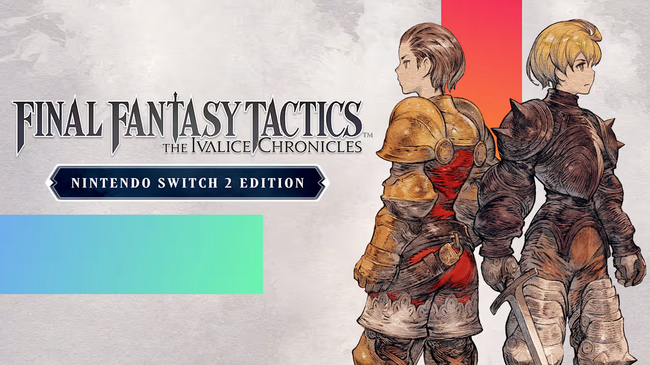
- The Save Data Divide: While titles like Final Fantasy Tactics – The Ivalice Chronicles and Romancing SaGa 2: Revenge of the Seven seamlessly bridge generations with complete save data transfer, major heavyweights like Dragon Quest I & II HD-2D Remake and Final Fantasy X & X-2 HD Remaster completely sever the bridge, treating Switch 1 and Switch 2 save files as incompatible entities.
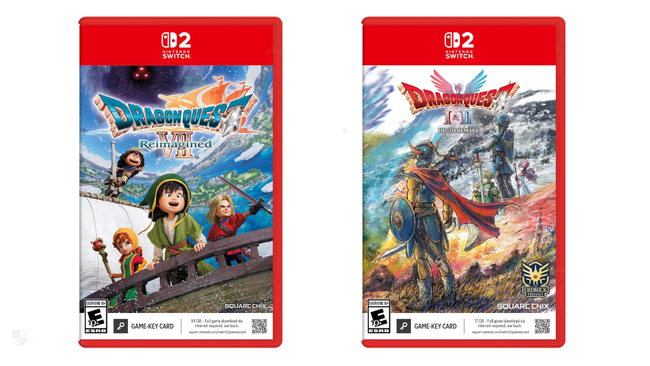
- The Rise of the "Game-Key Card": To secure retail shelf space for Switch 2 versions without absorbing the exorbitant manufacturing costs of full high-capacity ROM cartridges, Square Enix frequently relies on "Game-Key Cards"—retail boxes that feature physical artwork and a code or key rather than a complete, playable cartridge.
Other cross-generation releases, such as Deltarune, have previously demonstrated that technical restrictions are rarely to blame for these limitations, proving that smooth save transfers and digital cross-buys are entirely possible when prioritized.
Chronology of Releases: A Timeline of Fragmented Rollouts
Square Enix’s cross-generation strategy has evolved—or devolved—across multiple waves of announcements. The publisher initially positioned itself as an eager day-one supporter, releasing titles like Bravely Default Flying Fairy HD Remaster as a Switch 2 launch exclusive, alongside dual-platform releases like Final Fantasy Tactics – The Ivalice Chronicles and upgraded versions like Romancing SaGa 2: Revenge of the Seven.
However, as subsequent Nintendo Direct presentations and digital showcases rolled on, the strategy fractured further. Below is the chronological progression of how these titles entered the market:
Phase 1: Early Launches and Mixed Upgrades
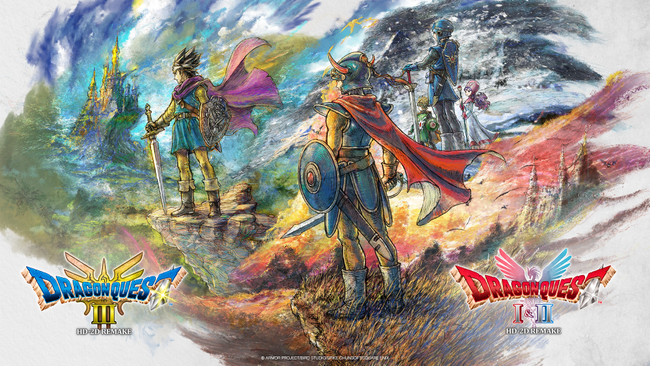
The initial batch of cross-generation titles set a confusing precedent. Final Fantasy Tactics – The Ivalice Chronicles launched with a free digital upgrade path via an eShop "Upgrade Pack," allowing full save data migration. Conversely, Dragon Quest I & II HD-2D Remake slammed the door on upgrades and save transfers entirely, forcing players to buy separate versions. Meanwhile, Dragon Quest III HD-2D Remake avoided a native Switch 2 SKU altogether, instead relying on a massive, free compatibility patch that added performance and graphical toggles while preserving save data.
Phase 2: The Paid Upgrade Experiment
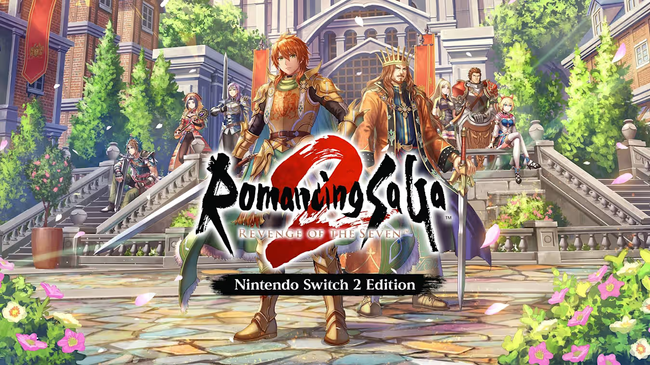
Square Enix introduced paid upgrades with Romancing SaGa 2: Revenge of the Seven, offering a dedicated "Nintendo Switch 2 Edition" that required a supplemental purchase to unlock substantial technical overhauls. While save data remained fully compatible, the logic behind charging for an upgrade here while providing one for free in Final Fantasy Tactics—or delivering a free patch for Dragon Quest III—remained opaque.
Phase 3: The Shadow Drops and Standard-Price Separations
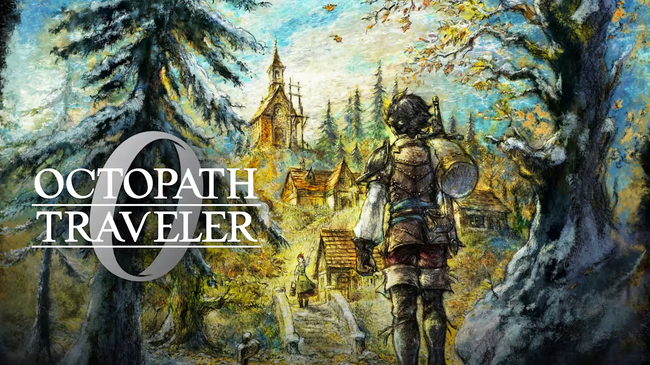
Subsequent Nintendo Direct showcases saw a wave of shadow drops and sudden announcements, including Crisis Core: Final Fantasy VII Reunion, Dragon Quest Heroes: Torneko’s Mystery Dungeon -Classic HD-, Star Ocean The Second Story R, and the dual release of Octopath Traveler and Octopath Traveler II.
In nearly all these instances, Square Enix elected to release standalone versions on Switch 2 at full launch prices, offering zero upgrade discounts for existing Switch 1 owners and entirely discarding cross-generational save transfers. Physical versions for these titles were similarly restricted to Game-Key Cards in Western markets or select Asian territories.
Supporting Data: The Square Enix Cross-Generation Matrix
To properly contextualize the labyrinth of options facing consumers, the following data table summarizes the status of every major Square Enix cross-generation and Switch 2 release:
| Game / Feature | Upgrade Path | Save Transfer | Switch 2 Physical Format |
|---|---|---|---|
| Final Fantasy Tactics – The Ivalice Chronicles | Yes (Free via eShop) | Yes | No (Code-in-box in JP) |
| Dragon Quest I & II HD-2D Remake | No | No | Game-Key Card |
| **Dragon Quest III HD-2D Remake*** | Yes (Free Patch) | Yes | N/A (Switch 1 native release) |
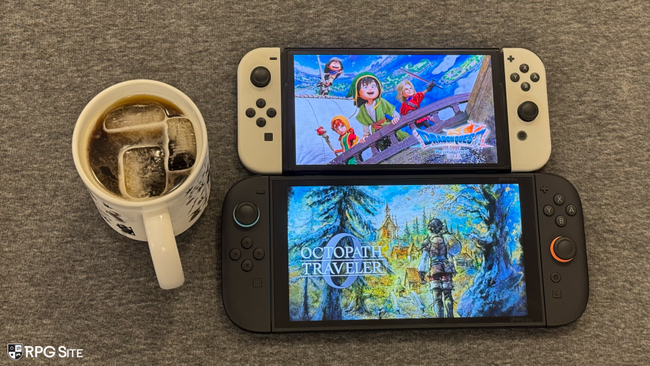
| Octopath Traveler 0 | No | Yes (Switch 1 to 2 only) | Game-Key Card |
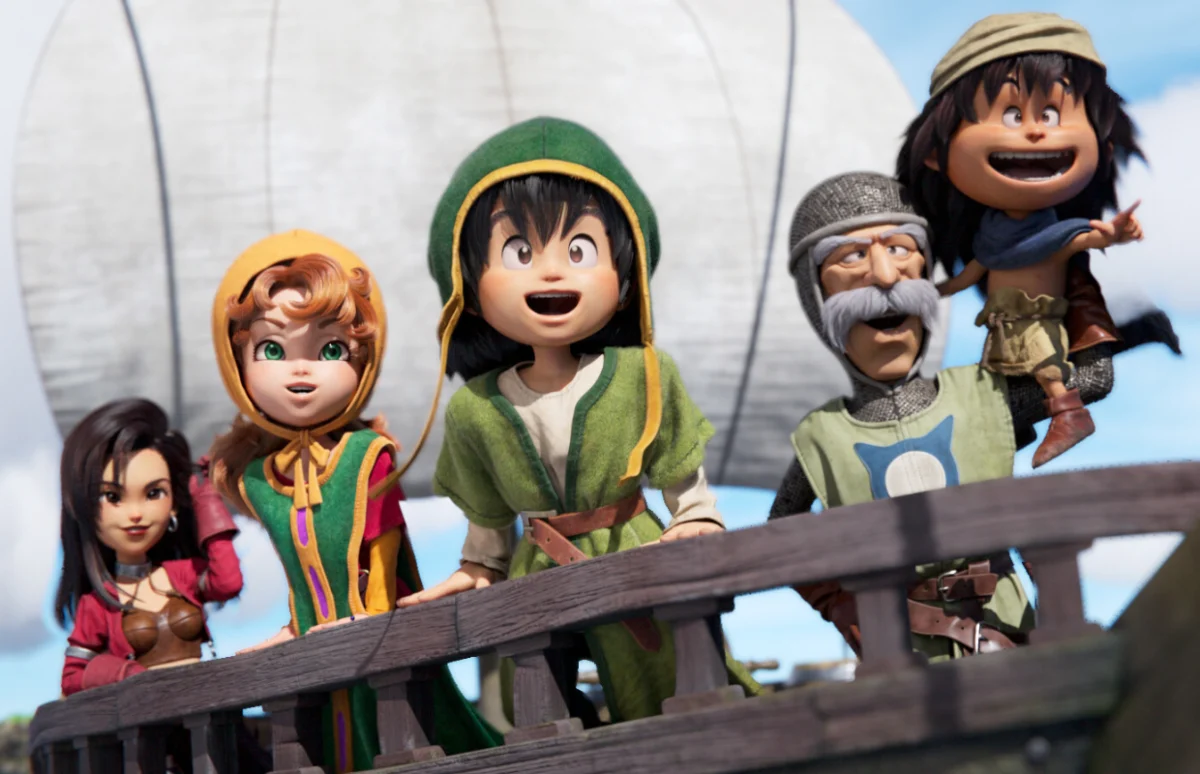
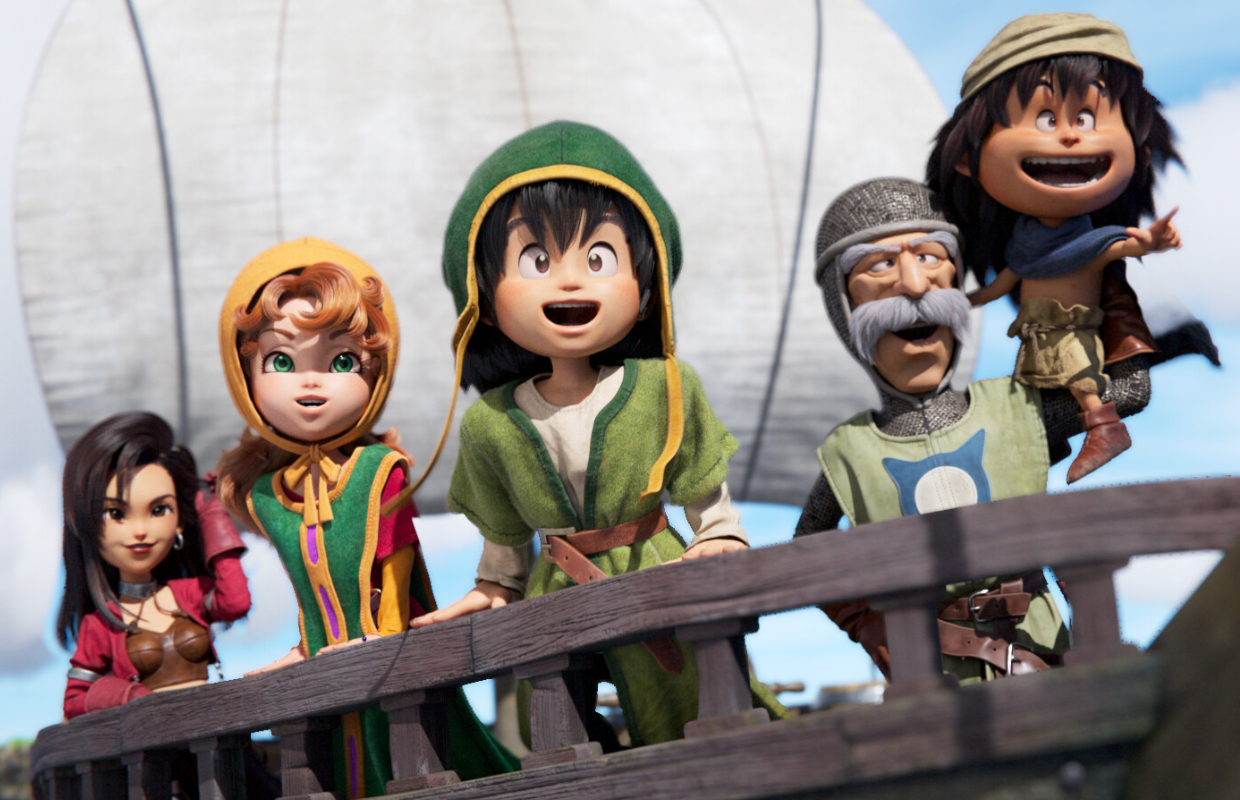
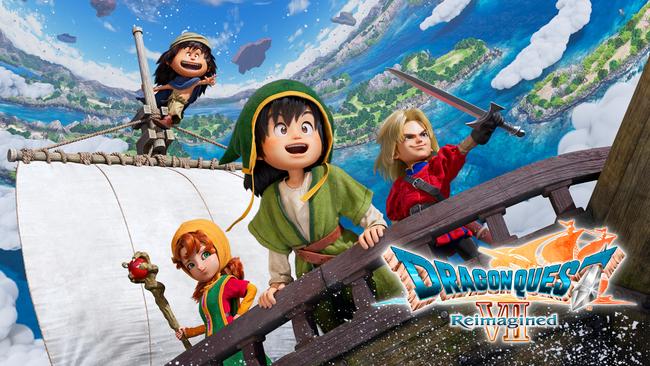
| Dragon Quest VII Reimagined | No | No | Game-Key Card |
| Romancing SaGa 2: Revenge of the Seven | Yes (Paid Edition) | Yes | No |
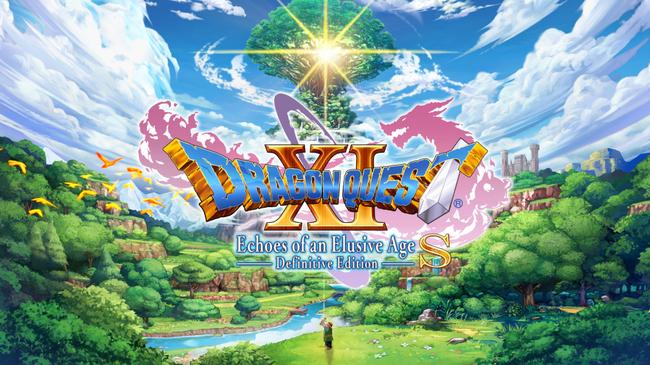
| Dragon Quest XI S: Echoes of an Elusive Age | No | No | Game-Key Card |
| Final Fantasy X & X-2 HD Remaster | No | No | Game-Key Card (JP only) |
| Final Fantasy Resonance | No | No | Game-Key Card |
| Octopath Traveler | No | No | Game-Key Card |
| Octopath Traveler II | No | No | Game-Key Card |
| Star Ocean The Second Story R | No | No | Digital-only (as of writing) |
| Crisis Core: Final Fantasy VII Reunion | No | No | Game-Key Card (Asia only) |
| Dragon Quest Heroes: Torneko’s Mystery Dungeon -Classic HD- | No | No | Digital-only |
| Romancing SaGa 3: Destinies United | No | No | Game-Key Card |
*Note: Dragon Quest III HD-2D Remake operates strictly as a Switch 1 game utilizing enhanced backward compatibility features.
Official Responses and Industry Insights
Square Enix has largely communicated these policies through regional official FAQs, Nintendo eShop product listings, and digital storefront updates rather than sweeping press conferences. These disclosures routinely emphasize that separate purchases are required for distinct console editions, frequently citing technical categorization differences between the platforms.
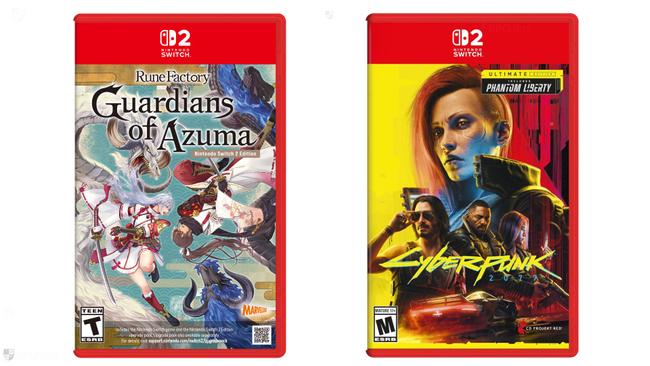
Industry analysts and publisher interviews shed light on the economic realities driving these choices. Manufacturing high-capacity physical game cards for the Nintendo Switch 2 requires a significant financial investment. In interviews with industry executives—such as Marvelous USA CEO Ken Berry discussing the realities of next-generation physical media costs—it has become clear that publishers face steep overhead expenses when producing full-ROM cartridges for new hardware.
This economic pressure explains why Square Enix frequently opts for the "Game-Key Card" model. By issuing physical boxes containing download keys rather than expensive silicon cartridges, the publisher satisfies retail storefront demands for shelf presence without absorbing the prohibitive manufacturing costs of a native physical Switch 2 edition.
However, this financial calculus does not entirely explain the fragmented approach to software upgrades and save data architecture. While hardware manufacturing costs dictate physical formats, software save compatibility is an intentional design choice—one that Square Enix has managed with frustrating irregularity.
Implications for Consumers and the Market
The immediate implication of Square Enix’s fragmented strategy is consumer friction. RPG fans—a demographic notorious for investing hundreds of hours into single save files—are routinely punished for upgrading their hardware. Discovering that a 60-hour save file trapped on a Switch 1 version of Dragon Quest VII Reimagined or Final Fantasy X & X-2 HD Remaster cannot be carried over to the superior Switch 2 version creates a formidable psychological barrier to purchasing the new hardware or repurchasing software.
Furthermore, the proliferation of Game-Key Cards alienates physical media collectors. For a publisher deeply rooted in nostalgic physical releases, offering empty boxes or digital vouchers disguised as retail items risks alienating core supporters who value tangible ownership.
Looking Ahead
As the Nintendo Switch 2 ecosystem matures, consumer backlash may force publishers to reevaluate their cross-generation monetization and compatibility frameworks. Competitors offering seamless, player-friendly upgrade programs establish a standard of goodwill that highlights Square Enix’s current shortcomings.
For now, players must approach every new Square Enix release on a case-by-case basis, consulting regional FAQs and eShop fine print before deciding whether to purchase a game on Switch 1, wait for a Switch 2 native release, or invest in an upgrade pack. Until Square Enix establishes a coherent, consumer-friendly policy for generational transitions, navigating their catalog will remain an unnecessary gamble.

